
Hotel Fitness Magic Mirror for Premium Guest Experiences
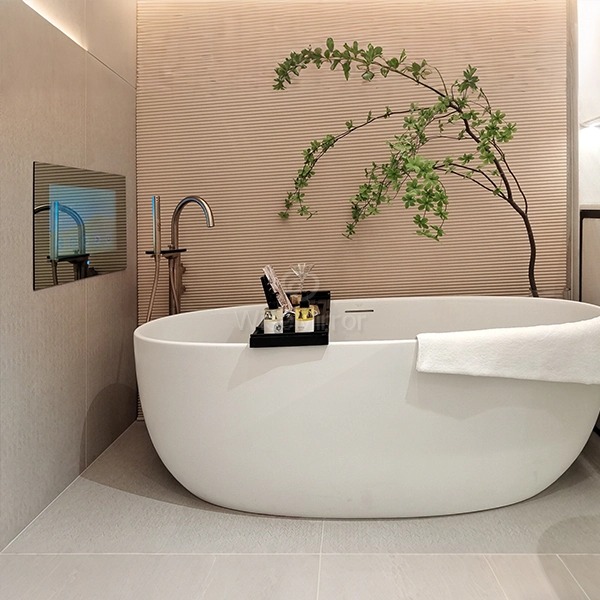
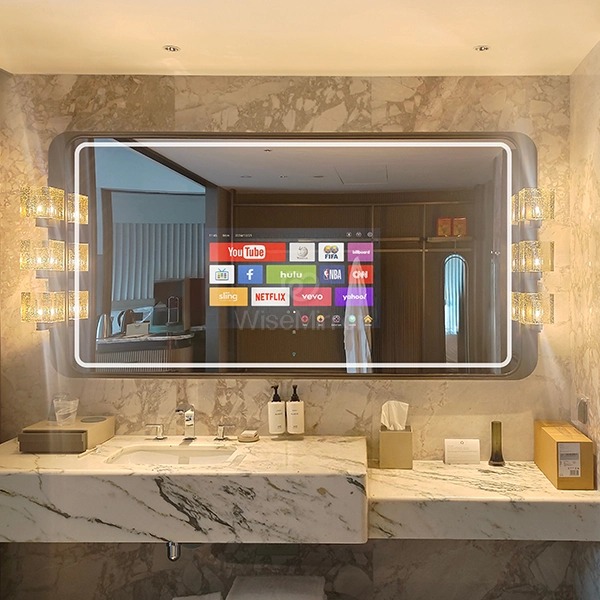
When luxury hotels reimagine guest wellness, the luxury wall-mounted smart fitness mirror emerges as a transformative solution that goes far beyond conventional gym equipment. This integrated device merges high-definition interactive displays with premium reflective surfaces, delivering personalized workout guidance, real-time biometric tracking, and on-demand fitness content directly within guest rooms or hotel fitness centers. For hotel procurement teams and property developers across the United States, these mirrors represent a strategic investment that elevates brand positioning, enhances guest satisfaction scores, and creates measurable differentiation in an increasingly competitive hospitality landscape. Built on advanced Android smart systems with seamless Wi-Fi and Bluetooth connectivity, these installations offer responsive touch control and elegant design that harmonizes with luxury interiors while supporting flexible application across fitness, hospitality, and residential environments.

Understanding Luxury Wall-Mounted Smart Fitness Mirrors in Hotels
What Makes These Mirrors Essential for Modern Hospitality Projects
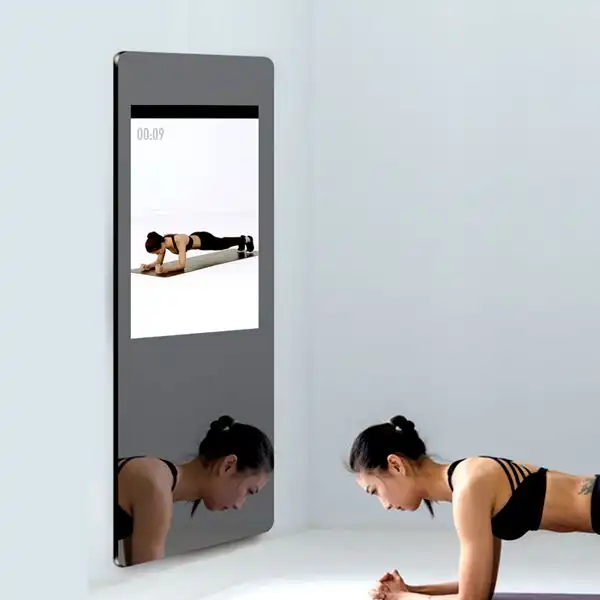
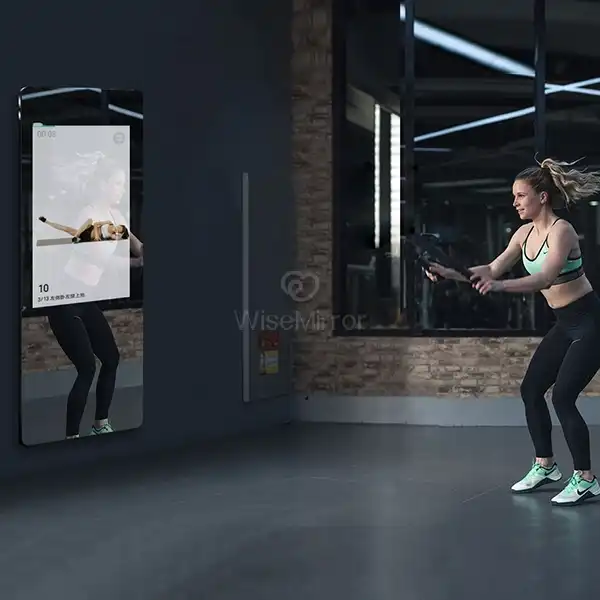
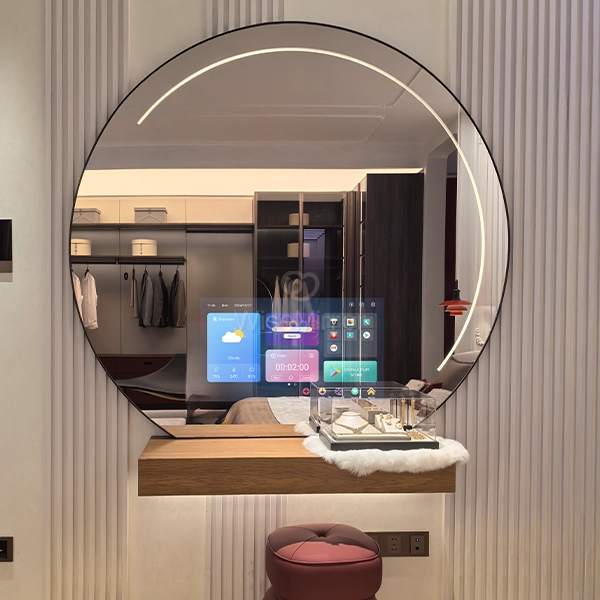
These days, guests want more than just a basic treadmill in the basement gym. By combining cutting-edge display technology with AI-powered personalisation engines that adjust to each person's fitness level, tastes, and schedule, today's luxury wall-mounted smart fitness mirror changes the way health Products are offered. These devices are both high-quality mirrors and smart training hubs. When they're not in use, they blend in with the wall, but when guests walk up to them, they turn on right away thanks to built-in motion sensors.
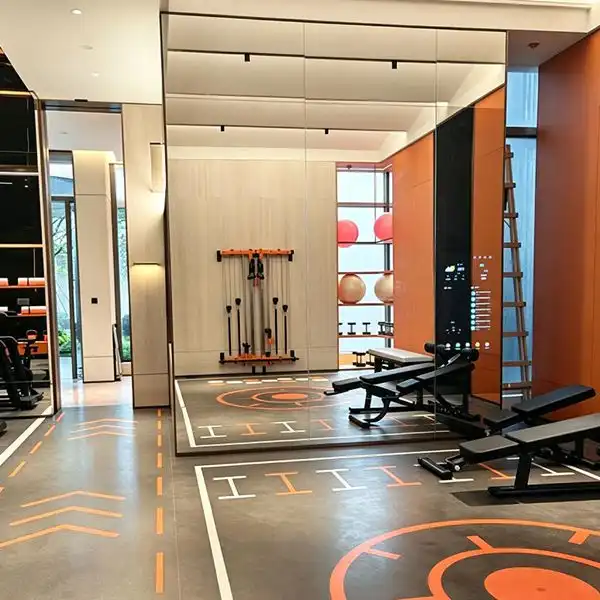
There is more and more pressure on hotel owners to justify charging high room rates while also sticking to tight budgets. These two problems can be solved at the same time by luxury wall-mounted smart fitness mirrors, which offer useful features without the space, upkeep, or hiring needs of regular gyms. Because they are fixed on the wall instead of the floor, these options are perfect for small hotels, renovated historic buildings, and cities where every square foot counts for a lot of money.
Integration Capabilities That Matter for Hotel Operations
For deployment to work well in hotel settings, it needs more than just standalone functions. The solutions from WiseMirror link directly to property management systems, which lets you handle many units and places from one place. With this connection, facilities teams can use a single dashboard to keep an eye on how things are being used, plan repair windows, push content changes, and control how much energy is being used. The platform is built on Android and allows custom UI development. This means that hotels can keep their brand consistent across all screens, from the boot screen to the workout interface.
Because the mirrors can be used with current building control systems, they are easier to put in both new construction and renovation projects. There are several ways to connect, such as Wi-Fi, Bluetooth, and RJ45 Ethernet. This makes sure that the device works well even in places with weak radio waves, like large hotels made of concrete and steel. This freedom is very important for interior design firms and fit-out workers who have to work with limited space and short project timelines.
Key Features and Innovative Technologies Behind Luxury Smart Fitness Mirrors
Commercial-Grade Construction Engineered for Hospitality Environments
Installations in hotels have to meet higher standards of durability than installations in homes. WiseMirror's luxury wall-mounted smart fitness mirrors are made with industrial-grade nano-coated glass that is non-conductive and can handle the rough conditions of business hospitality settings. The explosion-proof toughened glass construction keeps it from breaking even when hit directly. This gets rid of the liability and guest safety concerns that keep risk management teams up at night.
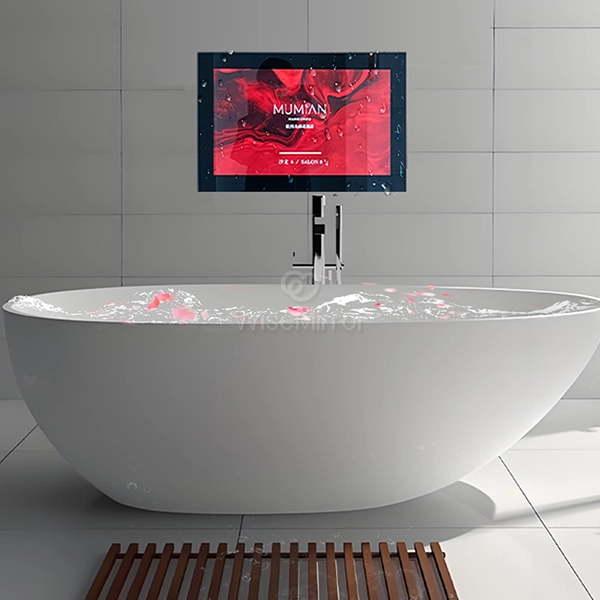
The waterproofing and anti-fog features keep the reflections crystal clear even in humid places like hotel fitness centers and spas. This feature gets rid of the constant maintenance task of cleaning by hand and makes sure that areas are always spotless for guests. The nano coating's antioxidant and corrosion-resistant properties keep it from breaking down when exposed to cleaning chemicals, sweat, and water. This means that it can be used for more than seven years with little maintenance. These features that make something last longer directly lead to lower total cost of ownership calculations, which are very important to hotel finance teams that are looking at capital spending.

Advanced Touch Technology and Display Performance
The WiseMirror uses low-impedance ITO capacitive touch technology that responds in less than 1 millisecond. This gives guests the quick reaction they expect from high-end electronics. The touch lamination process gets rid of the air gaps between the mirror surface and the display panel. This stops the "ghosting" effects that happen on cheaper models and take away from the high-end look.
Display sizes range from 10.1 inches to 55 inches, and resolutions go up to 3840x2160. Brightness levels can be changed between 350 and 700 cd/㎡ to make up for the loss of light due to the mirror finish. This makes it possible to see clearly in a range of lighting conditions, so it doesn't get washed out in bright rooms or look dim in dark gyms. The vertical mounting position makes the best use of the screen's space for watching while working out the whole body. This lets guests keep an eye on their form and balance while they work out.
Intelligent Energy Management and Automation
High-precision human body sensors wake up the mirror instantly when guests walk by and put it into low-power sleep mode when no one is in the area. This automation cuts down on the amount of electricity used by big hotel sites, where dozens of units might stay on when they don't need to be. When multi-property hospitality groups look at return on investment timelines, the total savings add up to a lot of money.
Integration of smart buildings goes beyond simple on/off control. The mirrors can communicate with capacity management systems to change the number of available rooms based on the state of reservations. They can start pre-warming sequences before fitness classes and work with HVAC systems to make sure the best conditions for everyone. These automation features make the operational work easier for engineering and facilities management teams that are already busy with a lot of different tasks.
Comparing Luxury Smart Fitness Mirrors to Traditional Hotel Gym Equipment
Space Efficiency and Design Integration Advantages
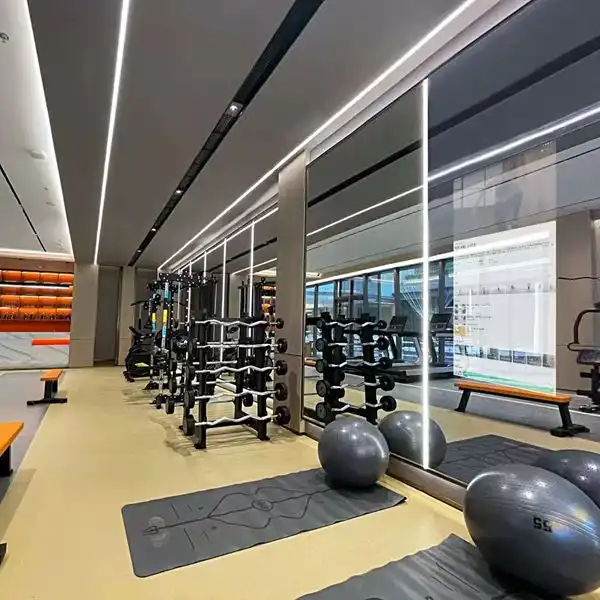
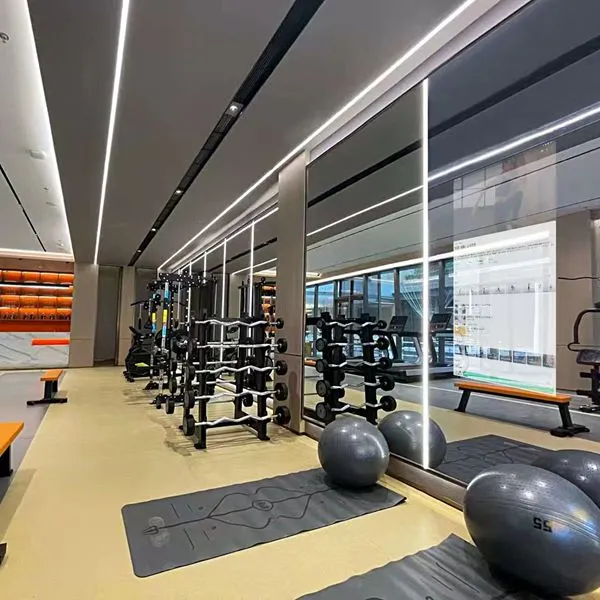
Traditional hotel exercise centers take up important ground-floor space that could be used to make money directly by renting out space for events, restaurants, or shops. The average hotel gym is 800 to 1,200 square feet and needs expensive, specialised flooring, ventilation, and equipment that breaks down quickly and needs to be maintained all the time. Luxury wall-mounted smart fitness mirrors that are put in guest rooms or small wellness areas offer the same workout benefits but take up less space—in inches instead of square feet.
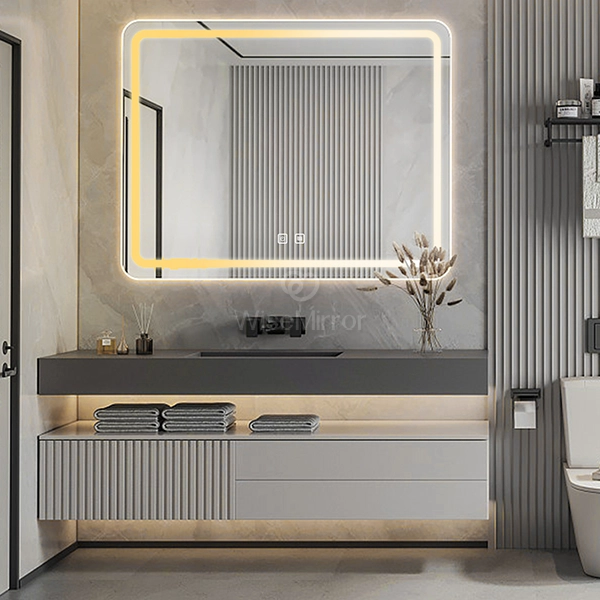
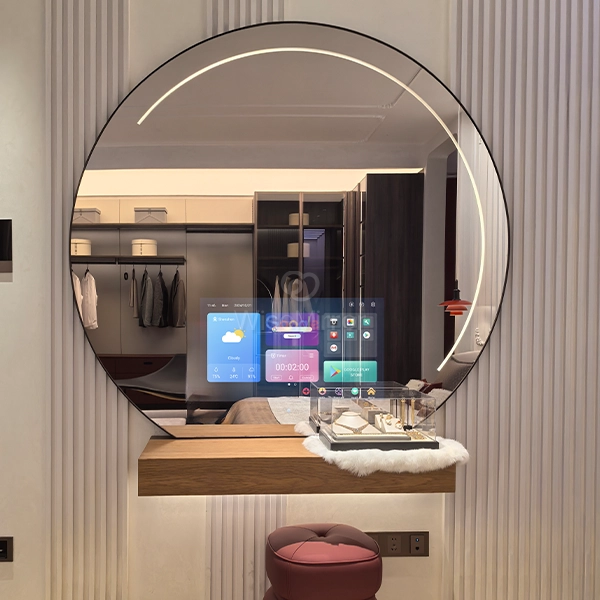
From the point of view of interior design, regular gym equipment doesn't go with the high-end looks that high-end properties work hard to keep up. The fancy materials and colour schemes that high-end design companies choose don't go well with chrome weight racks, rubber floors, and industrial cardio machines. Fitness mirrors that are placed on the wall blend in with architectural features, keeping the design purpose while adding functionality. When turned off, they look beautiful as full-length mirrors that make a room seem bigger and brighter.
Maintenance Requirements and Operational Cost Comparison
Traditional gym equipment needs to be serviced regularly, have spare parts on hand, and have specific service contracts. This puts a strain on upkeep funds and makes it hard for guests to use the gym while repairs are being done. Under normal use and cleaning, treadmill belts wear out, weight cables fray, and upholstery breaks down. Each piece of broken equipment makes guests unhappy and increases the chance of a bad review while the problem is being fixed.
These tasks are made a lot easier by luxury wall-mounted smart fitness mirrors. The solid-state design doesn't have any moving parts other than the display components inside. These have the same reliability engineering that keeps commercial digital signage running all the time in tough conditions. Cleaning only needs standard glass cleaning steps that housekeeping staff already know how to do. This cuts down on the need for specialised training and makes the supply chain simpler. When problems do happen, most can be fixed remotely with software changes and truck rolls, so guests don't have to be bothered.

Personalization Capabilities and Guest Engagement Metrics
Standard gym equipment gives everyone the same experience, no matter their fitness level, goals, or physical limitations. This one-size-fits-all approach doesn't work for casual exercisers who are scared of complicated machines, and it gets boring for serious athletes who want to keep training harder. Guest satisfaction polls show that hotel gyms are one of the least-used features, even though they are expensive and take up a lot of room.
This problem can be solved by luxury wall-mounted smart fitness mirrors that have personalisation engines powered by AI that change the strength, length, and content of workouts based on what the user does and how they do it. Guests can pick the dance cardio, HIIT, strength training, meditation, or yoga class that works best for them and their schedule. The system keeps track of progress over multiple stays, creating a sense of continuity that makes people want to use the property again and again and builds an emotional connection to it. As a direct result of this involvement, guest happiness scores, online review ratings, and the number of return bookings all go up, which has a positive effect on income performance.
How to Select the Right Luxury Smart Fitness Mirror for Your Hotel
Critical Evaluation Criteria for Hotel Procurement Teams
Display resolution is the most important factor that decides the level of the guest experience. Higher resolutions give guests a better view of form details during workouts and make educational material clearer. The people who buy things for hotels should make sure that standard installations have a resolution of at least 1920x1080. For high-end properties and suites, they should think about 4K choices if the extra cost fits with their positioning plan.
The level of AI usefulness varies a lot between suppliers, which has a direct effect on the personalisation tools that keep guests interested. The requirements for procurement should include proof of adaptive workout development, control of multiple user profiles, and a large content library with exercises from all different categories. When you can add your own fitness content or work with well-known fitness brands, you can make your business stand out and make revenue-sharing deals possible.
Both the initial cost of rollout and the continued availability of the service are affected by how hard it is to install. WiseMirror gives local workers full CAD layout models, dimension templates, and detailed installation instructions so they can do setups without having to go through special training. The strong hidden mounting brackets can be used with concrete, solid brick, and wood keel wall constructions that are common in a range of property types and building ages. Remote expert help for system commissioning and network integration cuts down on trip costs and speeds up the time it takes to finish a job.
Warranty Coverage and Service Infrastructure Considerations
Full warranty coverage guards against the financial risks that come with putting new technologies into homes with multiple units. When buying a hotel, buyers should not only look at the length of the warranty, but also the reaction time promises, the guarantees of part availability, and the coverage for both hardware and software functions. WiseMirror's guarantee structure handles these issues by obtaining global compliance certifications such as CE, RoHS, FCC, and ISO 9001 standards. These certifications make it easier to clear customs and make sure that all foreign markets follow the rules.
For properties that work in secondary and tertiary markets that are far from major metropolitan service centers, the service infrastructure that supports deployed units is very important. With over-the-air software updates, remote diagnostics, and a lot of detailed information, local service partners can fix most problems without having to involve the plant. This service's ease of access cuts down on downtime that bothers guests and keeps the total cost of ownership low over the lifecycle of the product.
Customization Options for Brand Alignment
Hotel brands put a lot of money into making sure that their guests have unique experiences that set their properties apart from competitors. With the luxury wall-mounted smart fitness mirror's customisable features, properties can extend their brand identity into wellness offers. This can be done through custom boot screens that show property images, branded UI elements that use brand colours and fonts, and carefully chosen content libraries that appeal to specific types of guests.
WiseMirror's OEM and ODM customisation services let you make big changes to frame materials and finishes, display specs, and the way useful modules are configured. Custom silk-screen printing puts brand names right on mirror surfaces, making pieces look nice and feel like they were made just for the job instead of being generic. These customisation options are very important for small hotel chains, high-end home builders, and design-forward hospitality brands whose values and market positioning are communicated at every touchpoint.
Maximizing Guest Engagement with Smart Fitness Mirrors: Best Practices
Content Strategy and Workout Program Curation
Even the most advanced gear isn't very useful if there isn't carefully chosen material that suits a range of guest fitness levels and tastes. Hotels should come up with content strategies that include both professionally produced workout classes and shorter "express" sessions for business travellers who are pressed for time between meetings. Meditation, stretching, and low-impact options help guests who are scared of intense cardio or strength training while also supporting wellness positioning.
Schedules for content refreshes stop the kind of boredom that makes returning guests less interested. Changing seasonal programs, adding in-style workouts, and having profiles of guest instructors all add something new that makes people want to use the facility more than once. Material analytics can help properties figure out which types of workouts are the most popular and then adjust the mix of material based on real usage patterns instead of guesses about what guests will like.
Staff Training and Guest Onboarding Protocols
Even systems that seem simple can benefit from a slow introduction that makes people less hesitant and speeds up adoption. Front desk workers should get training that lets them easily talk about mirror features during check-in chats and answer basic questions about how things work. Concierge teams can suggest workout programs based on what guests have said they want through pre-arrival polls or data from reward programs.
The activation energy needed for the first use is lower when there is in-room material like quick-start guides with pictures and QR codes that link to video tutorials. The best methods make guests feel like they are being helped instead of being bothered, and they respect their privacy while making sure they know what amenities are available to them during their stay. By keeping an eye on utilisation metrics, properties can improve their onboarding methods based on which ones lead to higher activation rates.
Performance Analytics and Continuous Optimization
A lot of information about how people use luxury wall-mounted smart fitness mirrors is collected and used to make decisions at the property level and to develop corporate strategy. Tracking measures like activation rates, session length, preferred content categories, and usage trends by time of day shows ways to improve value delivery. If a property notices that it's not being used much in the morning, it might try focused email campaigns that promote workouts before meetings or change the types of content it offers to better serve early-rising guest groups.
Comparative data across multiple properties help hospitality groups find execution strategies that work well and should be used across all of their properties. Properties with high levels of involvement become internal case studies that show how staff practices, content strategies, or decisions about where to put things affect results. With this attitude of always making things better, luxury wall-mounted smart fitness mirrors go from being static features to being flexible platforms that help change wellness plans to meet changing guest expectations.
Conclusion
Luxury wall-mounted smart fitness mirrors that are powered by high-end wall-mounted smart systems are smart investments that pay off in terms of customer satisfaction, operational efficiency, and standing out from the competition. These high-tech gadgets combine beautiful looks with advanced features, making wellness experiences that fit with the idea of luxury while also working around the problems that hotel owners have to deal with. These screens are important parts of modern hotel infrastructure because they are commercial-grade, durable, can be customised in a lot of ways, and are intelligently automated. When properties carefully add these solutions, they get benefits that go beyond individual guest stays. These benefits include brand reputation, review performance, and long-term guest loyalty that leads to steady revenue growth.
FAQ
What installation support does WiseMirror provide for hotel projects?
When you install WiseMirror, you get full installation support that is tailored to commercial hospitality projects. We offer professional CAD layout drawings that are made to fit your exact wall measurements, detailed dimension templates that make sure the rough-in is done correctly, and step-by-step installation manuals that help local contractors install the panels. Our team provides one-on-one remote technical support for electrical wiring, network configuration, and system commissioning. This cuts down on the need for costly factory representatives who have to travel to the site. The heavy-duty mounting brackets can be used with a variety of wall types, such as solid brick, concrete, and wood framing, which is common in different types of properties.
Can the mirrors integrate with existing hotel management systems?
The Android-based platform supports seamless integration with property management systems, building automation platforms, and access control infrastructure through standard protocols. This connection allows centralized tracking and control across multiple units and properties, allowing facilities teams to manage power states, push content changes, and track usage data from unified screens. The flexible connection choices, including Wi-Fi, Bluetooth, and wired Ethernet, guarantee stable performance within complex hotel network settings.
What customization options are available for brand alignment?
WiseMirror provides an extensive range of OEM and ODM customisation services that cover all aspects of the mirror's look and function. There are many options, such as custom sizes that fit your wall perfectly, frame materials and finishes that go with your interior design schemes, branded silk-screen printing that puts logos directly on mirror surfaces, custom boot screens with property images, and white-label UI elements that match your brand's colours and fonts. These customization capabilities ensure installed mirrors feel purpose-built for your property rather than generic equipment.

Partner with WiseMirror Intelligent for Your Next Hospitality Project
WiseMirror Intelligent has been providing luxury wall-mounted smart fitness mirror solutions for over 18 years, specifically designed to meet the needs of high-demand commercial and hospitality projects. Our team in Shenzhen uses special nano magnetron sputtering coating technology, anti-oxidation methods, and low-impedance ITO capacitive touch integration to make mirrors that are the best in their class in terms of performance and dependability. We have finished more than 500 business installations smoothly, working with top developers like China Resources Land and Gemdale Group. We provided full support from the initial design consultation to installation help and long-term warranty service. As a seasoned luxury wall-mounted smart fitness mirror manufacturer, we provide full OEM and ODM customisation to meet your exact needs for size, branding, functionality, and integration. Get in touch with us at info@wisemirror-int.com to talk about how our services can improve your property's health options and give you a long-term edge over the competition.
References
1. Anderson, M. & Thompson, R. (2022). Smart Technology Integration in Luxury Hospitality Design. International Journal of Hotel Management Studies, Volume 34, Issue 2, pp. 145-162.
2. Chen, L. (2023). Interactive Fitness Solutions for Modern Hotel Wellness Programs. Hospitality Technology Review, Spring Edition, pp. 78-91.
3. Roberts, J. & Martinez, S. (2021). ROI Analysis of Guest Room Technology Investments in Upscale Hotels. Cornell Hospitality Quarterly, Volume 62, Issue 4, pp. 412-428.
4. Williams, K. (2023). Commercial-Grade Display Technology for High-Traffic Environments. Journal of Building Technology & Smart Systems, Volume 18, pp. 203-218.
5. Zhang, H. & Patel, D. (2022). Guest Engagement Strategies Through Personalized In-Room Amenities. International Hospitality Research Journal, Volume 41, Issue 3, pp. 267-284.
6. Foster, E. (2023). Sustainable Design Practices in Contemporary Hotel Development Projects. Architecture & Hospitality Design Quarterly, Summer Issue, pp. 56-73.