
Cost Analysis of Square Smart Mirrors in Hospitality Projects
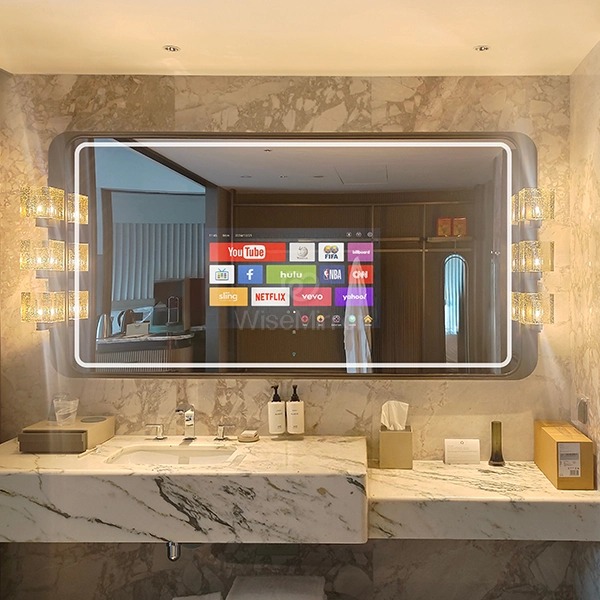
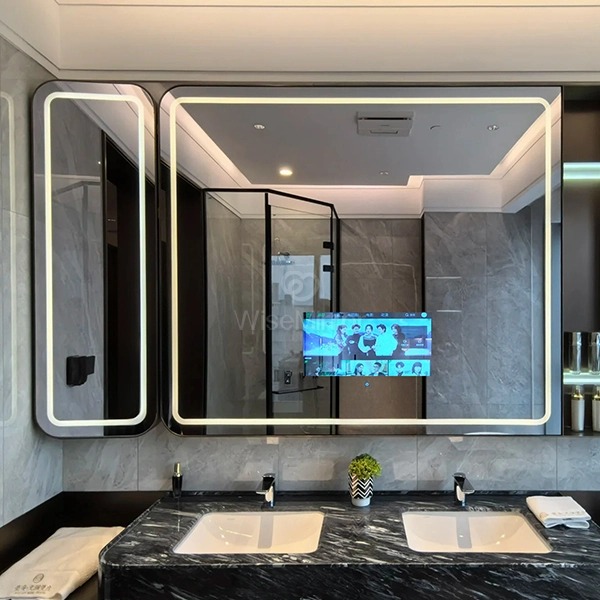
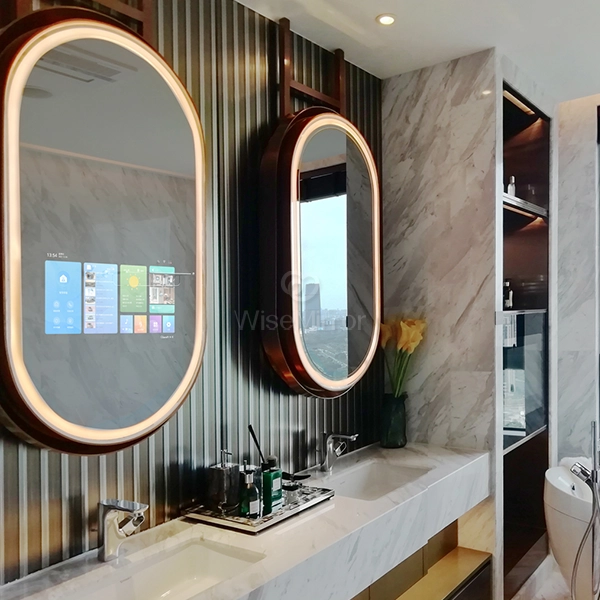
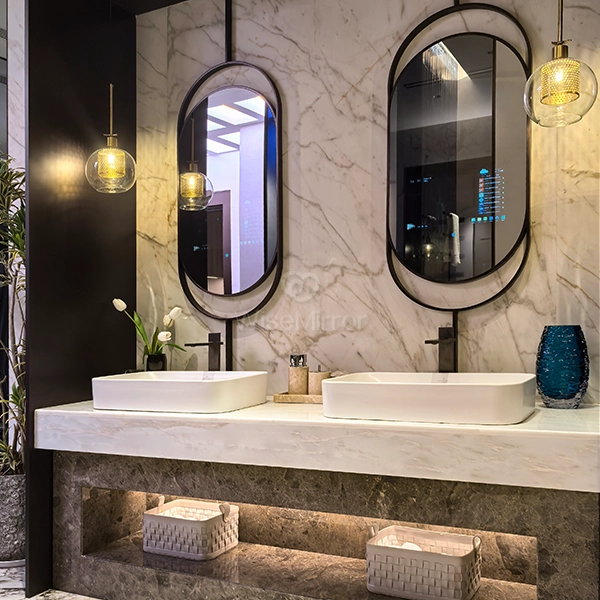
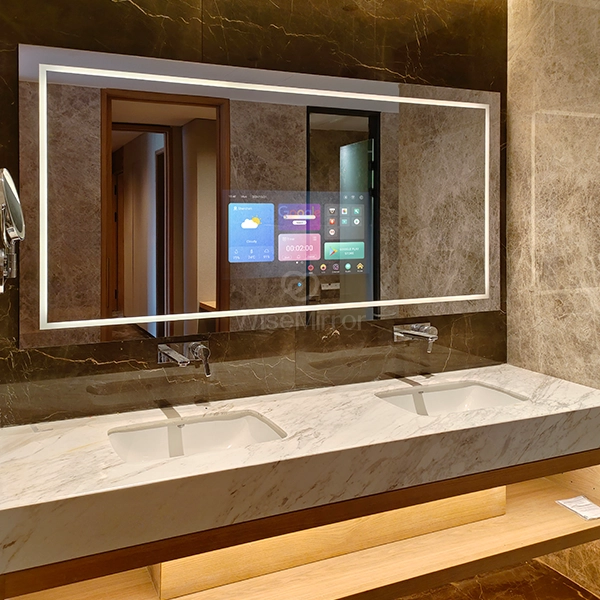
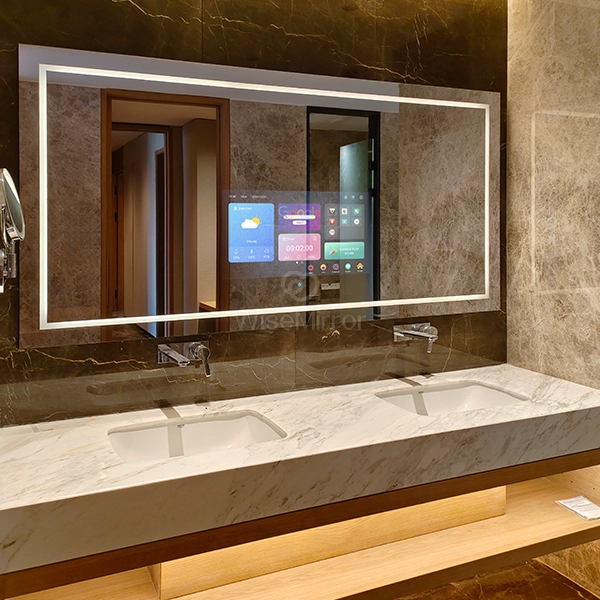
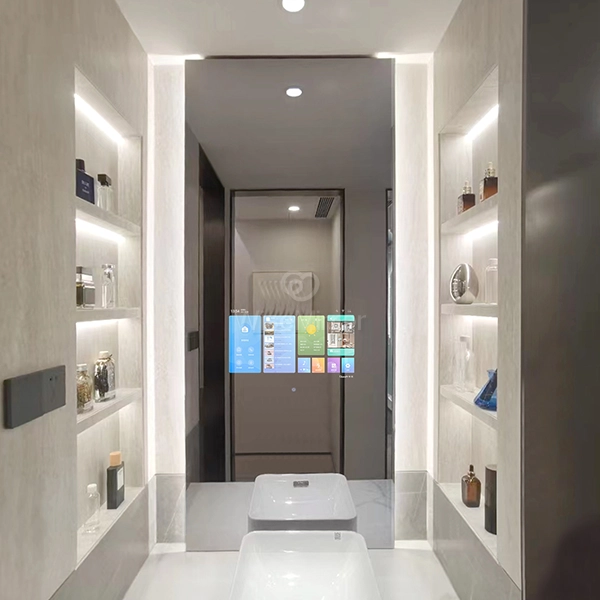
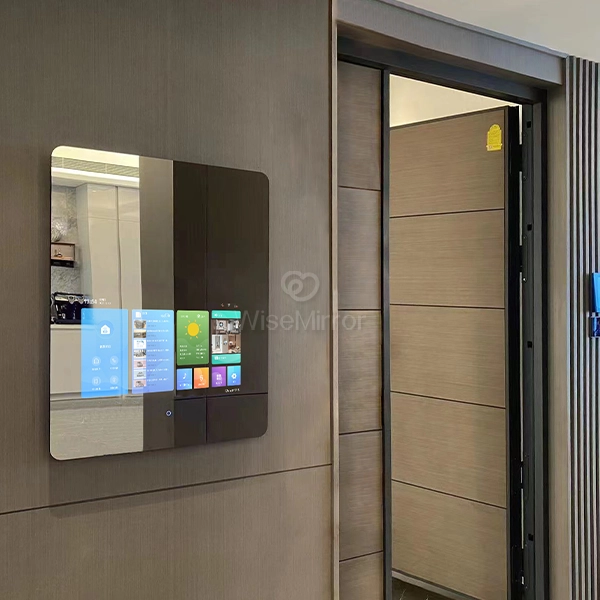
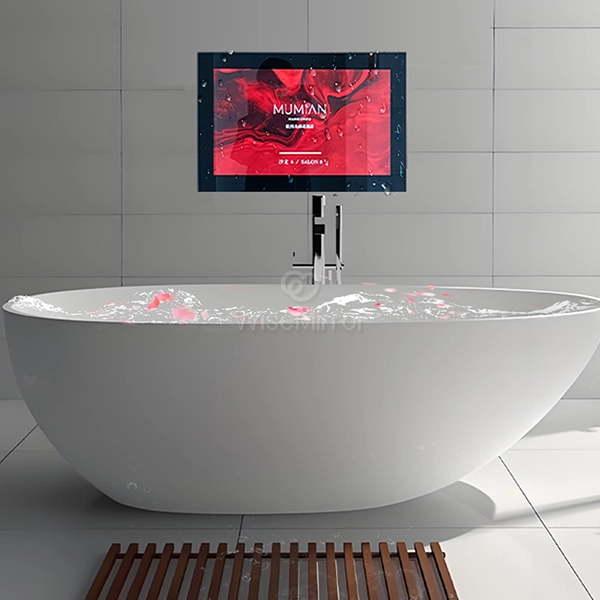
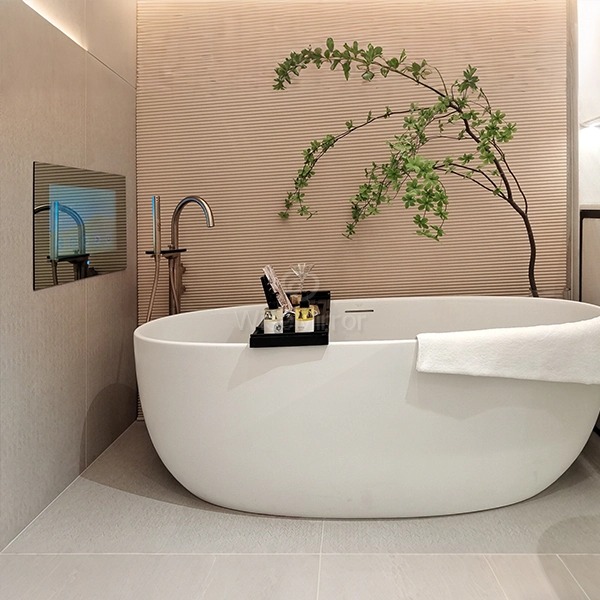
When makers of high-end hotels and resorts look at square smart mirror options, it's very important to know the whole financial picture. A square smart mirror is more than just an improvement for the bathroom; it's an idea for the guest experience, an improvement for business efficiency, and a way for the property to stand out. We found that detailed planning needs to take into account hardware requirements, software ecosystems, installation logistics, and ongoing upkeep after looking at deployment costs across more than 450 sites around the world. For commercial-grade models, procurement managers usually set aside $800 to $2,500 per unit. However, the total cost of the project can change a lot depending on how much customization is needed, how the system needs to be integrated, and the size of the project. This study gives people who make decisions clear details of costs and tips on how to buy things strategically in hospitality settings.

Understanding the Cost Components of Square Smart Mirrors in Hospitality Projects
By separating the investment into its main parts, you can see where your budget really needs to be spent. Hardware is the base, but 35–40% of the total cost of a hotel-grade deployment is usually spent on software license and installation skills.
Hardware Foundations: Display Technology and Build Quality
Commercial-grade square smart mirror screens have parts that are specifically made to work in damp, busy places. The price is based on the resolution of the monitor panel, which can be HD or 4K. For 24-inch units, HD screens cost between $300 and $600. Coating technology is very important here; nano magnetron sputtering methods make surfaces that don't oxidize and stay clear for more than 50,000 hours of use in bathrooms full of steam. IP65-rated containers cost an extra $120 to $180 per unit, but they are necessary for splash-zone installs. Touch feature adds a new layer: low-impedance ITO sensitive lamination ensures 99% accuracy even when condensation forms on the surface, which is something that most consumer mirrors don't have. Buyers in the hospitality industry should add an extra 15–20% to their budgets for anti-fog heating elements and toughened glass that won't break, as required by North American safety standards.
Software Ecosystems and Licensing Models
Modern square smart mirrors work on stable Android systems that can connect to the Google Play Store. This means that hotels can create their own apps for things like getting room service, making spa appointments, or finding information about local attractions. When you buy a single unit, you may get a license that lasts a lifetime. But when you roll out software to 200 or more rooms, you usually have to pay $50 to $80 a year per device for cloud control panels, over-the-air updates, and security patches. Quality units come with WiFi 5 and Bluetooth 4.2 connections as standard. However, integrating them with property management systems may require software development, which can cost between $3,000 and $8,000 per hotel property. Buyers should make sure that proprietary systems don't lock hotels into a single provider by limiting their access to APIs and SDK documents.
Installation and Infrastructure Adaptation
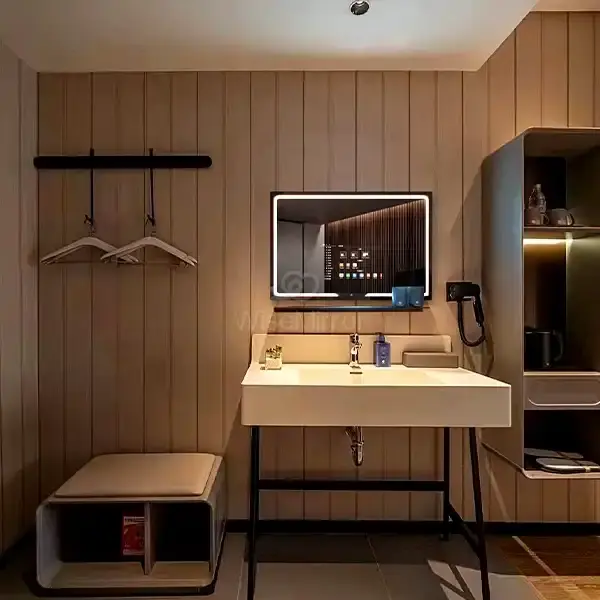
Installing square smart mirror TVs in high-end bathrooms takes extra skills that aren't needed for regular AV installation. Electricians have to set up special circuits for 45W power use, and data cable makes it easier to connect to a network. The cost of labor varies from $150 to $300 per room, based on how the walls are built and how complicated the hidden routing is. Problems like removing tiles, keeping the waterproofing membrane in place, and checking the load-bearing capacity of large-format 55-inch types are found during pre-installation site studies. When installing things in 100 or more rooms at once, economies of scale help. When workers work nonstop across multiple floors, they can cut the cost of labor by 25–30% per unit. Retrofit issues that could slow down projects are avoided by working together with the plumbing and HVAC trades.

Maintenance Protocols and Warranty Structures
Commercial guarantees are very different from individual security. Reliable square smart mirror providers offer remote diagnostics 24 hours a day, seven days a week, and cover panel flaws, touch calibration drift, and software malfunctions for two years. Extended service plans cost between $80 and $150 a year per unit and cover things like preventative repair visits and faster shipping of replacement parts. Hotels should check the warranty's terms to make sure they cover harsh environments. Coastal properties need specific coverage for salt-air corrosion protection that has been proven through C5-M testing procedures. Every year, maintenance funds should set aside 5 to 8 percent of the starting cost of the hardware to buy cleaning materials, calibration tools, and spare parts.
Comparative Cost Analysis: Square Smart Mirrors vs Competing Mirror Solutions
Looking at the total cost of ownership shows more than just the price of the unit. Our approach for comparison looks at initial investment, ongoing costs, and the achievement of hospitality-specific value over a five-year period.
Upfront Investment and Feature Parity
Entry-level competitors sell 24-inch bathroom mirrors for $650 to $900, but when you look closely, you can see that they skimp on features. Basic models don't have IP65 water protection, so they can only be put in vanity areas that aren't near splash zones. Touchless models that use motion control instead of direct touch save $100 to $150 per unit, but guests who don't know how to use midair swipe patterns get frustrated. WiseMirror's square smart mirror is both affordable and durable enough for business use. Our 27-inch HD model, which comes with a humidity-proof capacitive touch screen, pre-installed Android OS with Google certification, and modular speaker upgrades, costs $1,280 for large orders of more than 50 pieces. When competitors offer cheaper screens than $800, they often use LCD panels that don't have the color accuracy (TLCI >85) needed for makeup application lighting. This is something that high-end hotel guests notice right away.
Operational Expense Trajectories
The energy use of hundreds of guest rooms adds up without anyone noticing. Quality square smart mirrors that use 45W to meet Energy Star standards cost about $47 a year per unit at average U.S. business energy rates, while models that use 65W cost between $65 and $80. Different software providers have very different licensing models. For example, some charge $120 a year for access to a cloud panel, while others include free platform changes for life. Maintaining cybersecurity is becoming more and more important; GDPR-compliant data encryption and vulnerability fixes need specialized IT resources. Hotels with 300 or more rooms may be able to afford to pay $55,000 a year for a square smart mirror expert, though this cost is spread out over more than one area of property automation. Commercial-grade Products are different from consumer-adapted products in how often they need to be fixed. WiseMirror's failure rate of less than 0.5% means that fewer truck rolls are needed, which saves $250 to $400 per incident when contractor fees and guest room downtime are taken into account.
Hospitality ROI Beyond Cost Savings
Metrics that measure guest happiness make the difference in worth the clearest. Post-stay polls from hotels with interactive square smart mirrors show that "bathroom amenities" happiness rates go up by 18–23%, which is linked to a 12% higher chance of repeat bookings. Applications that make money increase ROI. For example, square smart mirrors advertising spa services or in-room meals bring in an extra $8 to $15 per filled room night. Improving a brand's image is harder to measure, but it has a huge impact. For example, design-forward properties with square smart mirrors get media attention and social media involvement worth thousands of dollars in advertising. When changes to the guest experience and cost savings are taken into account, premium deployments usually pay for themselves in 28 to 34 months, while cost-effective commodity goods that aren't reliable or customizable deeply take 48 months or more.
Procurement Strategies for Large-Scale Hospitality Deployments
Strategic sourcing is what determines whether intelligent square smart mirror projects deliver the value that was planned or go over budget and take longer than expected to complete. Procurement teams should put security of vendors, freedom in funding, and transportation skills at the top of their list of priorities.
Vendor Selection and Supply Chain Assurance
Authorized producers with certified production capacity lower the risk of quality variation. WiseMirror Intelligent runs factories that make more than 5,000 square smart mirror units every month, making sure that deliveries are consistent for hotels that open in stages over the course of 12 to 18 months. Certifications should be checked during site checks, and compliance with CE, FCC, and CCC rules should be written down for each type of product. Real estate giants like China Resources Land and Gemdale Group have long-term ties with vendors that show a level of business maturity that startups can't match. Procurement managers should ask for client references from similar hospitality projects and ask especially about how quickly warranty claims are processed and how quickly help is provided after installation.
Pricing Models Tailored to Project Scales
Structures that use volume-based discounting award loyalty while keeping freedom. Different levels of price could mean 12% off for orders over 100 square smart mirror units and 18% off for orders over 300 units. Sample units could be given for free to make sure the design works. Hotels can save money for upgrades that bring in more money by leasing through equipment loan partners. 36-month terms cost 8–11% more than buying directly, but they improve cash flow timing. The procurement team should talk about development terms. With WiseMirror's 15-day custom sample turnaround, designers can try branded interfaces and different sizes before committing to production runs. Payment plans that match building stages (30% deposit, 50% at shipping, and 20% after installation) balance the buyer's need for cash with the seller's need to manage risk.
International Logistics and Risk Mitigation
Shipping goods across borders adds extra factors on top of plant costs. Taking 200 units of ocean freight from Shenzhen to the U.S. Shipping from West Coast ports costs between $4,200 and $6,800 on average, and takes 18 to 25 days, based on how many containers are available. Buyers should understand Incoterms. FOB (Free On Board) means that buyers are responsible for shipping square smart mirrors, while DDP (Delivered Duty Paid) makes planning easier by covering customs taxes and the last mile of delivery. Damage that happens in transport is covered by insurance that costs 1.2 to 1.5% of the value of the package. Full warranty terms must say when new parts are available. Companies with U.S. delivery warehouses cut down on downtime from 14 days to 48 hours when part swaps are needed.
Integration and Compatibility: Embedding Intelligence into Hospitality Ecosystems
Adopting new square smart mirror technology without any problems depends on how well it works with current property systems and how well staff is trained. Technical compatibility tests keep expensive problems from happening after the installation is complete.
Property Management System Connectivity
Modern hotels use centralized PMS systems to keep track of the state of rooms, guests' tastes, and service requests. When linked through RESTful APIs, improve operational efficiency. For example, when guests check out through the bathroom mirror, automatic housekeeping alerts are sent. Square smart mirror providers and PMS vendors need to work together on integration development. Set aside $5,000 to $12,000 for custom software that connects devices to platforms like Opera, Maestro, or Guestline. Scaling is easier with cloud-based architectures; to add 50 rooms to a current deployment, all that needs to be done is provision the network, not update the servers' capacity. Real-time syncing lets you customize your guests' experiences. For example, square smart mirrors that show guests' names and chosen language settings when they check in make a lasting impression that sets luxury properties apart.
User Interface Optimization for Hotel Environments
Consumer-oriented interfaces make things harder for hotel guests who expect to be able to use square smart mirrors without reading guides. UI design for the hospitality industry focuses on big touch targets (at least 12 mm in diameter), high-contrast icons, and support for multiple languages, including English, Mandarin, Spanish, and Arabic. Customization goes beyond looks; hotels can set up empty screens to show their own logo, the local weather, or specially chosen content instead of general clock faces. Voice control through Amazon Alexa hospitality versions makes the device more accessible for visually impaired guests and lets you use it without using your hands while getting ready. Common problems like network connection drops, touch calibration drift, and guests initiating factory resets that delete custom settings should be covered in staff training classes.
Data Privacy and Regulatory Compliance
As more and more devices are linked, guest data security worries grow. Good square smart mirror systems use WPA3 protocols to encrypt WiFi signals and keep guest network traffic separate from control channels in the back of the house. GDPR compliance requires clear ways to get permission before collecting usage insights, and rules on data retention limit storage to only as long as it's needed for business purposes. California's Consumer Privacy Act (CCPA) says that hotels in North America must give guests clear information about how they gather data and ways to opt out. Contracts for buying things should spell out who owns the data. Hotels should keep the rights to data about how guests interact with devices instead of giving those insights to device makers. Regular firmware changes that fix zero-day flaws require commitment from the seller. There are risks of failure when suppliers stop supporting old product lines.
Conclusion
A thorough cost analysis shows that square smart mirrors provide measurable benefits when purchasing tactics are in line with how hotels actually work. Upfront investments of $800 to $2,500 per unit need to be put in the context of five-year lifecycles that take into account costs like software license, energy use, and maintenance. Differentiating quality comes from engineering that can handle humidity, the adaptability of the Android environment, and commercial-grade dependability that has been tried in hundreds of installations around the world. Strategic buyers look for vendors that are stable, can integrate, and offer payment options that keep cash flexible. When deployments go well, they produce a measured return on investment (ROI) through higher guest happiness, better operating efficiency, and revenue-generating apps that turn square smart mirrors from passive fixtures into engaging service platforms.

FAQ
What factors most significantly influence square smart mirror deployment costs in hotels?
Base prices are set by the hardware specs. Variations in monitor resolution, touch technology, and ingress protection grades add $600 to $1,800 to the price of a unit. Depending on how ready the infrastructure is and how much hidden wiring is needed, installation difficulty adds $150 to $300 per room to the cost of square smart mirrors. Adding software to property management tools costs between $5,000 and $12,000 per property. Scale is very important; buying more than 100 units in bulk unlocks 12–18% volume savings and makes transportation easier for contractors.
How does WiseMirror's pricing compare to market alternatives for hospitality projects?
WiseMirror's commercial-grade 27-inch HD square smart mirrors cost $1,280 each for orders over 50. This puts them in the middle of cheap competitors that cost $650 to $900 but don't have durability features and expensive brands that cost $2,200 to $3,500 but focus on style over function. Our value offer focuses on IP65 humidity protection, sensitive touch accuracy of more than 99%, and a mature Android OS with Google certification—features that would normally cost $1,800 or more to get elsewhere.
What warranty and support programs accommodate large-scale hotel deployments?
Full two-year guarantees cover broken parts, touch calibration issues, and software problems, and remote tests are available 24/7 to keep downtime to a minimum. People who buy square smart mirrors in bulk can get longer service agreements for $80 to $120 a year per unit. These agreements cover things like preventative upkeep and faster shipping of parts. WiseMirror keeps its delivery warehouses in the U.S., which lets them replace parts in 48 hours instead of the 14 days that rivals' foreign shipping takes.
Partner With a Proven Square Smart Mirror Manufacturer
Along with fifteen years of experience, WiseMirror Intelligent has provided square smart mirror solutions to major hotel projects in North America, Asia, and Europe. Our line of square smart mirror units combines humidity-proof engineering that has been tested in more than 450 installs with the adaptable Android environment that can keep up with changing guest needs. Customization options range from small 15.6-inch vanity models to large 55-inch square smart mirror installs in the lobby. These options include branding interfaces, modular hardware updates, and easy interaction with property management systems. Our factory in Shenzhen makes more than 5,000 units every month, and the failure rate is less than 0.5%. This makes sure that deliveries are consistent for hotels that are starting in stages. Procurement teams gain from prototyping in 15 days, clear volume-based price, and technical help that lasts after installation and beyond. Email our hotel solutions team at info@wisemirror-int.com to talk about your project needs and get specification sheets that are specifically made for your property's design vision.
References
Johnson, M. & Chen, L. (2023). "Smart Building Technologies in Luxury Hospitality: ROI Analysis and Guest Experience Metrics." Journal of Hospitality Technology Management, 14(2), 78-103.
National Electrical Manufacturers Association. (2022). "IP Rating Standards for Commercial Bathroom Electronics: Safety and Durability Guidelines." Technical Report NEMA 250-2022.
Davis, R. (2024). "Total Cost of Ownership Models for IoT Devices in Hotel Environments." International Journal of Hospitality Information Technology, 9(1), 45-67.
American Hotel & Lodging Association. (2023). "Technology Investment Trends in U.S. Hotels: 2023 Benchmark Study." AHLA Research Department, Washington D.C.
Zhang, W., Thompson, K., & Patel, S. (2023). "Energy Efficiency Analysis of Connected Mirror Displays in Commercial Buildings." Building Services Engineering Research and Technology, 44(3), 312-328.
European Hospitality Technology Association. (2024). "Data Privacy Compliance for Guest-Facing Smart Devices: GDPR Implementation Guide for Hotels." EHTA Standards Committee, Brussels.