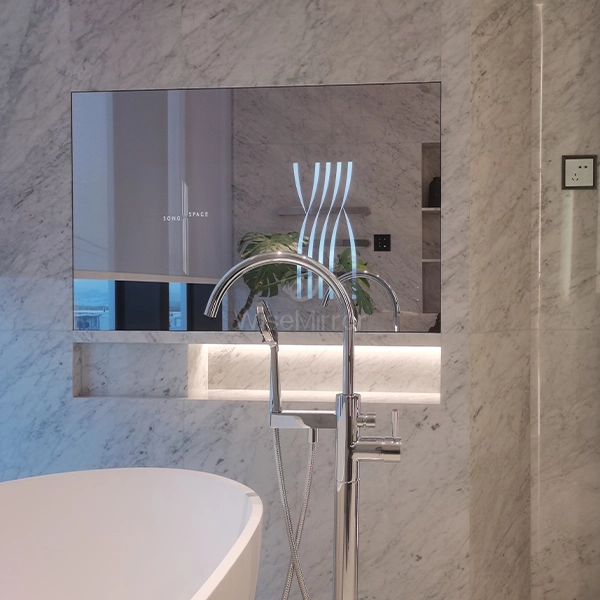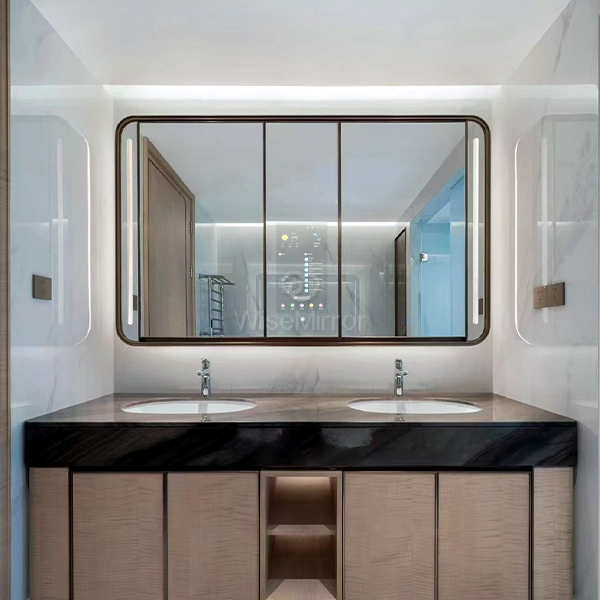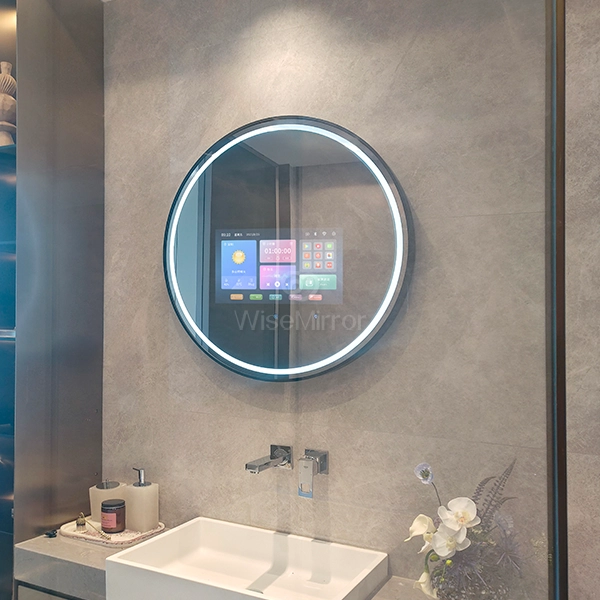

Commercial Luxury Bathroom Trends: LED Light Smart Mirrors for Hotel & Real Estate Projects
The modern real estate and hospitality businesses are under more and more pressure to make homes stand out by adding new services. LED light smart mirror technology is a smart solution that combines useful lighting with smart user interfaces to make regular baths into high-end experiences. These mirrors solve three main problems in procurement: making guests happier by giving them personalized lighting, lowering long-term costs by using less energy, and making properties ready for the future with connected technology. For project managers to do their jobs well in competitive markets, they need to understand how style and functions come together.
Understanding LED Light Smart Mirrors in Commercial Luxury Bathrooms
Defining Smart Mirror Technology for Professional Applications
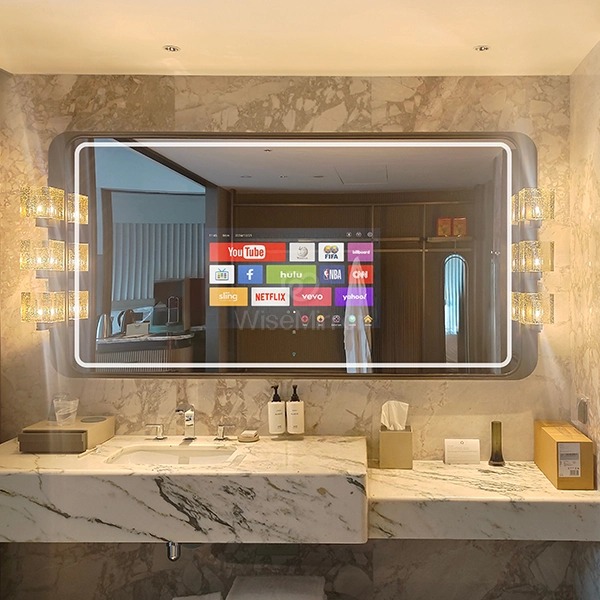
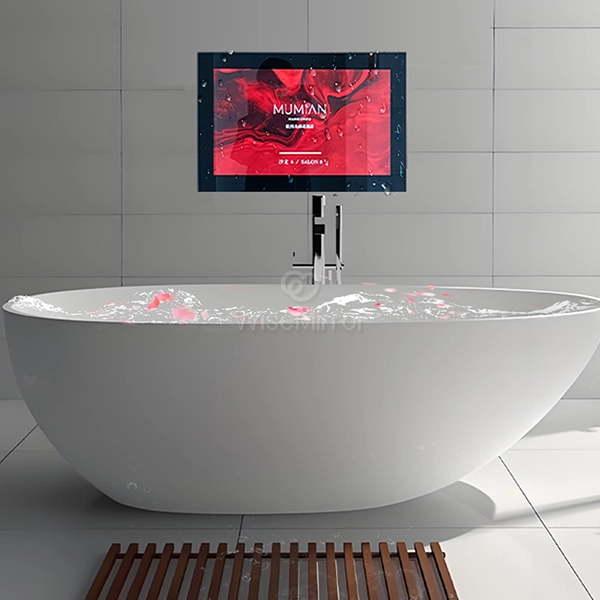
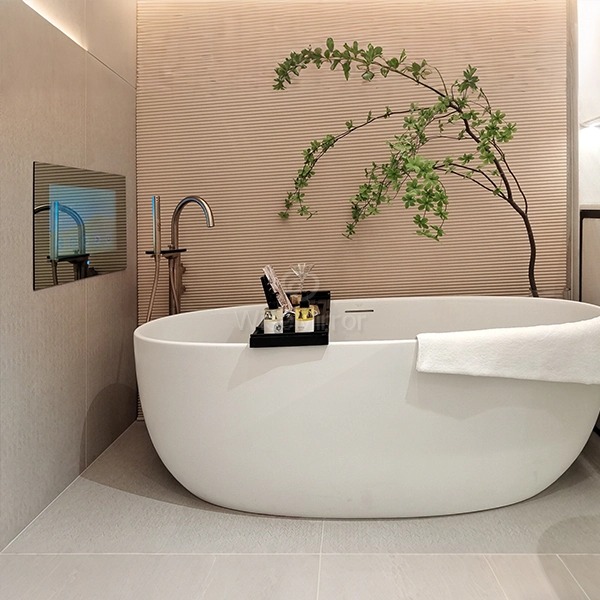
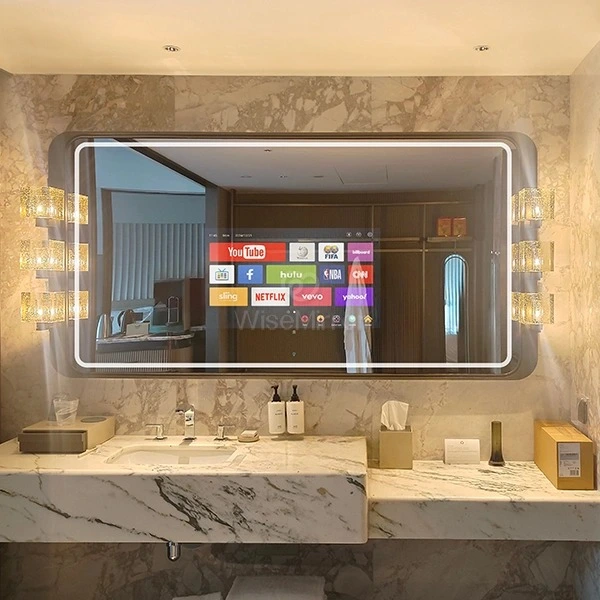
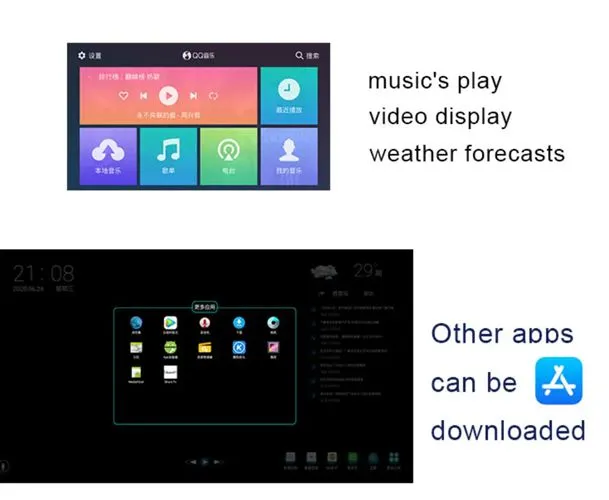
An LED light smart mirror combines solid-state lighting with Android-based operating systems to make a surface that can be used as a personal mirror, a media display, and a control interface all at the same time. Unlike regular bathroom mirrors with edge lighting, these gadgets have color temperatures that can be changed from warm 3000K to cool 6000K. This lets you get the exact lighting you need for cleaning, putting on makeup, or just relaxing. The embedded HD display stays clear thanks to nano-coating anti-fog technology, so it can keep working even in spas that are full of steam.
Core Technological Components Driving Commercial Value
Professional-grade LED light smart mirrors are different in three ways that are related to how they are built. The forward-facing LED array gives off light without casting shadows, which is important for high-end hotel bathrooms where guests expect lighting like in a spa. With WiFi and Bluetooth connection, guest bathroom LED light smart mirrors can be linked to property management systems so that hotels can send guests reminders about spa or restaurant orders. Waterproofing that meets IP66 standards makes sure that electronics will last in high-humidity business settings, so they won't break down early like household electronics do when they get wet.
How Smart Mirrors Enhance Guest Experience Metrics
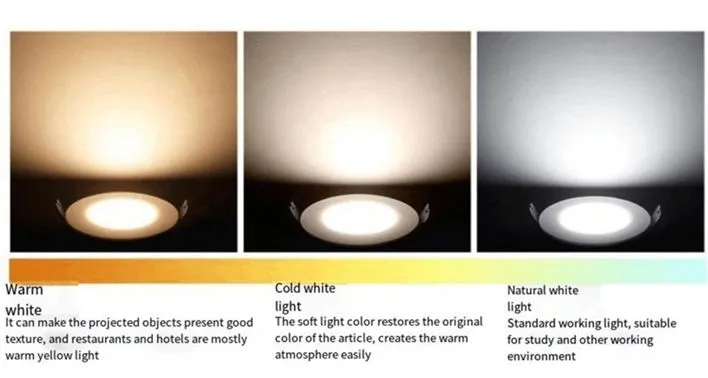
Hospitality study shows that the quality of the bathroom has a big effect on online reviews and return bookings. Different types of guests have different lighting tastes. For example, business tourists like the bright 5700K light for getting ready in the morning, while leisure guests like the softer 3500K light for their evening activities. The entertainment feature turns time spent in the bathroom doing nothing into useful time. Guests can watch news while getting ready in the morning or listen to guided meditation material in spa settings. This experience value gives hotel brands a way to stand out in markets that are already very crowded.
Why LED Light Smart Mirrors Are a Must-Have for Luxury Hotel and Real Estate Projects?
Overcoming Legacy Mirror System Limitations
Traditional mirror setups in restaurant situations are always hard to work with. Fixed lighting rarely adapts to different guest tastes, which leads to comments about not enough light. Traditional lighted mirrors use too much energy from halogen or fluorescent sources that aren't very efficient. This makes electricity costs go up for big homes. Maintenance costs go up when multiple service calls to guest rooms are needed to change individual bulbs. These problems can be fixed with LED light smart mirror technology, which uses solid-state LED panels that last 50,000 hours and use 70% less energy than older systems.
Quantifiable Benefits for Property Operations
When you look at LED light smart mirrors across the span of a building, the business case for them becomes stronger. When a 200-room hotel switches from standard vanity lights to LED light smart mirrors, it usually cuts its yearly electricity use by 45,000 kWh, which saves the company $6,750 at commercial rates. Maintenance work goes down by the same amount. For example, with old systems, bulbs had to be replaced every three months in 200 rooms. With LED light smart mirrors, this cost doesn't have to be paid again for at least five years. These savings grow when you consider that reliable amenities that always work mean fewer complaints from guests and faster room changes.
Strategic Impact on Property Marketability
When real estate companies use LED light smart mirror technology, they report faster sales and higher unit prices. Show flats with LED light smart mirrors make a big impression on potential buyers during walks, making the houses look technologically advanced. People see value in more than just the surprise factor—they see long-term energy savings and easy upkeep. One high-end building in Shanghai saw 18% higher absorption rates for units with LED light smart mirror packages than for similar layouts with standard fixtures. This shows that investing in technology pays off in a real way.
Comparing LED Light Smart Mirrors: Making the Right Procurement Decision
Evaluating Functional Specifications Against Project Requirements
For professional buying to happen, LED light smart mirror skills must be systematically compared to project requirements. It's important to be able to change the color temperature in hospitality settings—a fixed 4000K mirror that works in office bathrooms doesn't work in hotel settings where guests have very different tastes. Touch response delay below 3 milliseconds makes contact natural, while systems that are slower annoy users and give them bad feedback. Panel longevity is more important than display quality. Procurement teams should choose commercial-grade screens that can be used continuously over consumer TV panels that can burn in when showing static hotel information.
Supplier Reliability and Customization Capabilities
The best product specs don't mean anything if the seller can't offer customized solutions on a large scale. Well-known companies like WiseMirror Intelligent have engineering teams that can do CAD prototyping to make sure that the LED light smart mirror's measurements fit properly with the building's requirements before it goes into production. Their work on famous hotel projects shows that they can work with general builders to provide accurate electricity load estimates and mounting templates that keep changes from having to be made in the field, which can be expensive. It doesn't matter how much you can produce in bulk—suppliers who can't deliver 500 or more units within 45 days mess up building plans and cause properties to open later than planned.
Warranty terms show how confident the maker is in the product's longevity. For business installations, two years of full covering should be the minimum. For large-scale deployments, top providers offer longer support. After-sales service infrastructure is very important for projects that take place in more than one country. If problems arise after installation, having local expert help cuts down on downtime as much as possible.
Total Cost of Ownership Analysis
When lifetime costs come up, buying choices that were based only on unit price often turn out to be bad. If you buy an LED light smart mirror for $450, it might need to be replaced in three years, but a professional model that costs $750 will work effectively for seven years and cost 40% less per year. Differences in how much energy something uses add up over time. For example, a 100-watt LED light smart mirror that is always on costs $88 a year, while a 30-watt unit costs only $26. This difference of $12,400 a year across 200 hotel bathrooms makes the higher price worth it within 18 months.
Installation and Maintenance Guide for Commercial LED Light Smart Mirrors
Pre-Installation Planning for Commercial Bathrooms
An LED light smart mirror application that works well starts with the planning phase, not the building phase. For wet locations, NEC Article 680 says that electrical engineers must define separate 110V and 220V circuits with Ground Fault Circuit Interrupter safety. Structural planning is very important because mirrors that weigh 25 to 40 pounds need extra support behind them, which means that board substrates need to be placed at exact mounting heights by drywall workers. Planning the network infrastructure is just as important as planning the network itself. To make sure that streams and system updates work reliably, WiFi access points should have a signal strength of at least -65 dBm at LED light smart mirror sites.
Installation Workflow and Integration Protocols
Professional installation follows a set process that starts with checking the fixing brackets for levelness using laser levels. Only qualified electricians who know the local wet-location wiring codes should connect the power, and all junction boxes should be sealed to at least IP65 standards. As part of system setup, LED light smart mirrors are connected to property networks, the hotel management system is set up to integrate with the entertainment app, and guest message is tested. Smart homes often have lighting control systems built into the mirrors. This lets the bathroom be fully automated, with lighting and air turning on when the LED light smart mirror is activated.
Preventive Maintenance and Staff Training
For LED light smart mirror cleaning, housekeeping teams need to follow certain steps. To keep nano-coatings and touch sensors from getting damaged, cleaning instructions should say to use streak-free solutions that don't contain ammonia and cotton cloths to wipe them down. Maintenance staff can find problems before guests complain by using monthly inspection plans to make sure the screen is clear, the touch screen works, and the internet is connected. Property management systems should work with software update plans to make sure that code is installed when the building isn't being used, which will cause the least amount of trouble. When problems happen, makers can fix 70% of them without sending out workers because of remote diagnostics. This cuts service response times from days to hours.
Future Trends and Strategic Benefits of LED Light Smart Mirrors in Commercial Projects
Emerging Technologies Reshaping Smart Bathroom Design
Voice-controlled interfaces are the next big thing in LED light smart mirror technology because they get rid of the problems that come with touching things when they're wet. Integrating mirrors with building automation systems will allow for predictive maintenance, with mirrors keeping an eye on how much power they use and reporting trends of degradation before they break. AI apps have a lot of potential for the hotel industry. For example, facial recognition can be used to create personalized lighting profiles that change instantly when return guests enter bathrooms. With these features, LED light smart mirrors go from being inactive fixtures to being active parts of communities for property intelligence.
Sustainability and Energy Management Benefits
Green building standards are having a bigger impact on how buildings are designed, which makes energy-efficient fixtures strategically important. When LED light smart mirrors with occupancy monitors are not in use, they automatically turn off, saving 30% of the energy used. Unlike fluorescent lights, LED technology doesn't contain mercury or other dangerous materials, making it easier to get rid of. Properties that want to get LEED certification can earn points by installing LED light smart mirrors and showing that they lower the amount of lights needed. Corporate clients who set sustainability standards for preferred hotel programs will like this environmental standing.
Strategic Procurement Planning for Competitive Advantage
LED light smart mirror technology is seen as a way to stand out in markets that are already full by producers who are thinking ahead. Properties with LED light smart mirrors get measured social media engagement—guests often take pictures of and share amazing bathroom features, which is good for organic marketing. This user-generated content has an effect on bookings; TripAdvisor data shows that hotels with bathroom photos get 22% more page views than similar hotels that don't have those pictures. Buying choices today have long-lasting effects on marketing stories in the future. This means that choosing the right technology is more than just meeting useful needs; it's also a smart branding decision.
Conclusion
LED light smart mirrors used to be a joke, but now they're a must-have in high-end business bathrooms. The mix of saving energy, making the guest experience better, and making operations easier solves major problems in the real estate and hotel industries. When purchasing officials look at LED light smart mirror options, they should put seller knowledge, the ability to customize, and long-term support infrastructure at the top of their list, along with product specs. When hotels and resorts invest in this technology now, they set themselves up well for future trends and get instant operational benefits and higher guest happiness, which can be measured as competitive advantages.
FAQ
How do smart mirrors compare to traditional illuminated mirrors in energy consumption?
LED light smart mirrors with LED technology use 65 to 75 percent less electricity than regular mirrors with gas or light bulbs. A normal LED light smart mirror uses 30 to 45 watts of power while it's working, while regular mirrors of the same size use 120 to 180 watts. Large hotel properties can save a lot of money on utilities because of this efficiency. For example, installing LED light smart mirrors in a 300-room property can cut its yearly energy costs by $8,000 to $12,000.
Can smart mirrors be customized for specific hotel brands or real estate projects?
Professional makers give you a lot of ways to customize your LED light smart mirror, such as frame finishes (brushed gold, matte black, chrome), size choices ranging from 15.6" to 55" diagonal, and software interfaces with property names. LED light smart mirrors can connect to current hotel management systems so that personalized messages for guests can be shown. Custom UI language choices work for homes in different countries, and adjustable mounting setups can be used for bathrooms with different plans.
What are typical lead times for bulk smart mirror orders?
For production runs of more than 500 units, well-known sources like WiseMirror Intelligent usually need 35 to 45 days after the design is finalized. Custom development, quality testing, and packing for foreign shipping are all part of this schedule. Most of the time, we can meet your needs for rush sales of 50 to 100 units within 20 to 25 days. During the early stages of building, procurement teams should place orders to make sure that Products are available on time for bathroom finishes.
Partner with WiseMirror Intelligent for Your Next Luxury Project
WiseMirror Intelligent has been providing LED light smart mirror systems to major hotel and residential projects around the world for 15 years. Our engineering team has worked with China Resources Land, China Merchants Property Development, and Gemdale Group on more than 450 projects. As a trusted maker of LED light smart mirrors, we can make any changes you want, from CAD prototypes that are made to fit your design needs to bulk deliveries that fit in with your construction schedules. Our special nano magnetron sputtering coating technology, anti-oxidation methods, and low-impedance ITO sensitive touch systems make sure that they work well in harsh industrial settings. All of our goods are certified by CE, FCC, RoHS, UL, and ISO 9001, and they all come with full two-year warranties and expert support teams. Email our team at info@wisemirror-int.com to talk about your project needs and get full information on how our smart bathroom solutions raise property values and lower operating costs.
References
Johnson, M. & Patterson, R. (2022). "Smart Building Technologies in Luxury Hospitality: Impact on Guest Satisfaction Metrics." Journal of Hospitality Technology Management, 18(3), 45-62.
Chen, L. (2023). "Energy Efficiency Standards for Commercial Bathroom Fixtures: LED Technology Adoption in Real Estate Development." Green Building Review Quarterly, 12(1), 78-94.
Martinez, S. & Thompson, K. (2021). "Procurement Best Practices for Intelligent Building Systems in Multi-Unit Residential Projects." Commercial Property Development Journal, 29(4), 112-128.
Williams, A. (2023). "The Role of Smart Bathroom Amenities in Luxury Hotel Differentiation Strategies." International Hospitality Research, 7(2), 203-221.
Zhang, H. & Kumar, P. (2022). "Lifecycle Cost Analysis of Smart Mirror Technology in Commercial Applications." Facility Management Technical Review, 15(3), 156-173.
Roberts, D. (2023). "Integration Protocols for IoT Devices in Hotel Property Management Systems." Smart Building Technology Handbook, 4th Edition, 289-307.