
Choosing Mirror LED TV for High-End Applications
To pick the best mirror LED TV for high-end uses, you need to carefully consider its technical specs, ability to withstand harsh environments, and ability to be customized. Commercial Mirror LED TVs must meet strict waterproofing standards, work consistently in damp places, and work smoothly with building management systems. This is not the case with consumer-grade screens. In the hotel, healthcare, and luxury residential sectors, procurement teams look for goods with IP66-rated enclosures, nano-coated optical glass, and modular installation frameworks that cut down on project timelines while keeping the quality of the look across multiple units.
Understanding Mirror LED TV Technology and Its Benefits
How Mirror Display Technology Works in Commercial Settings
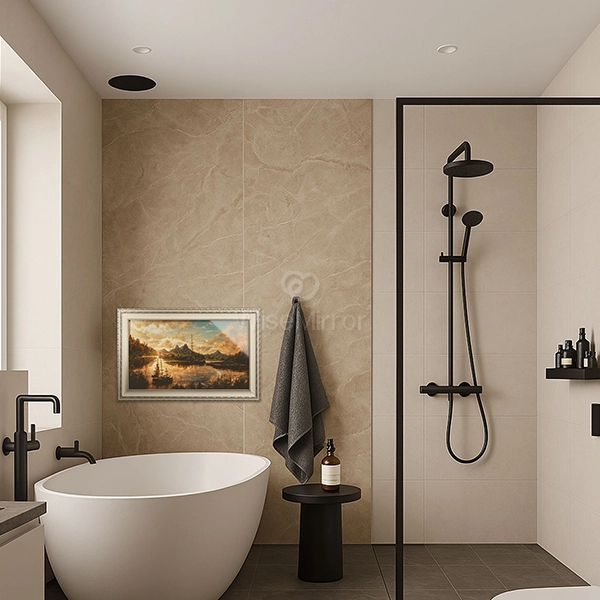
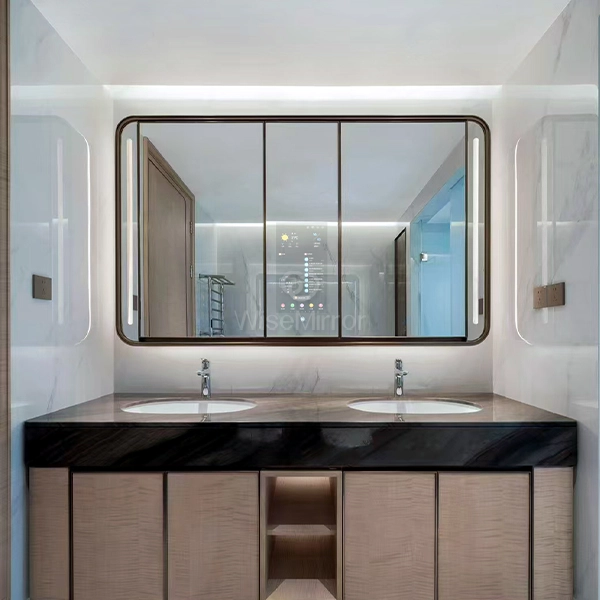
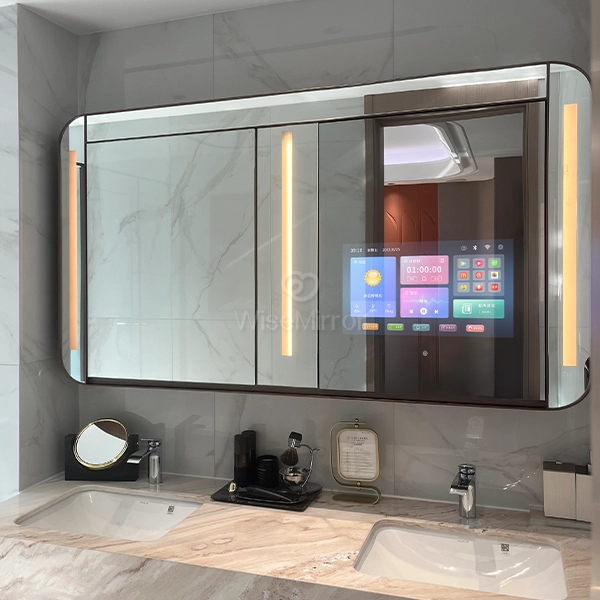
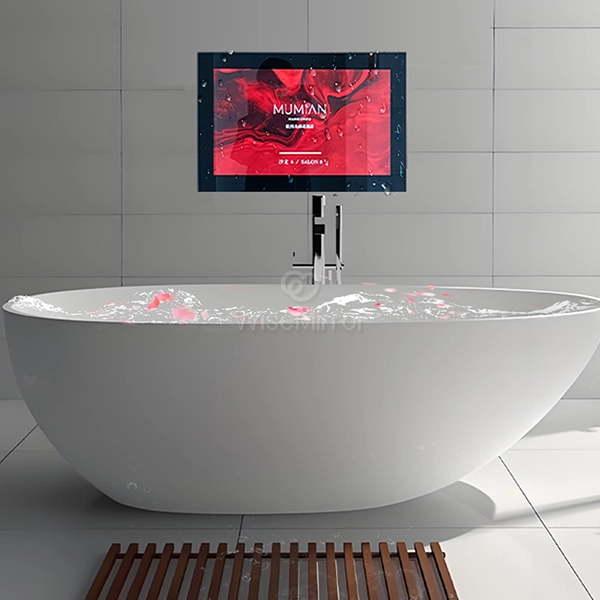
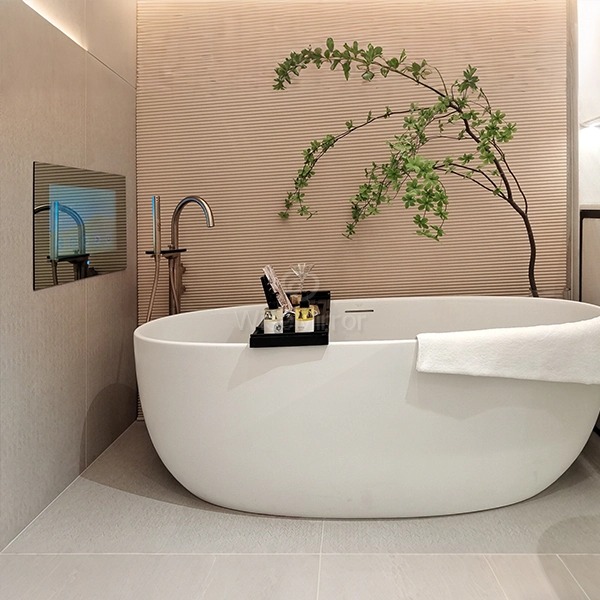
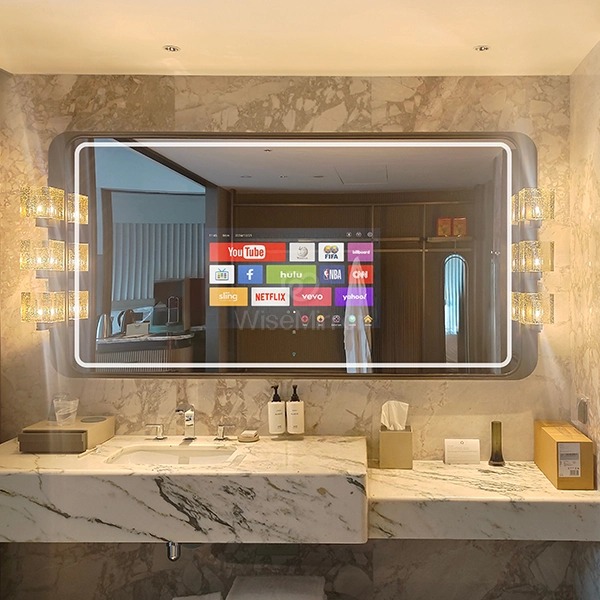
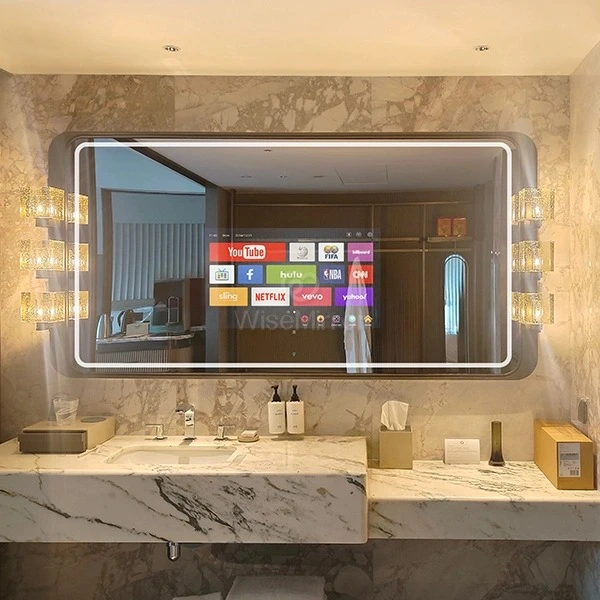
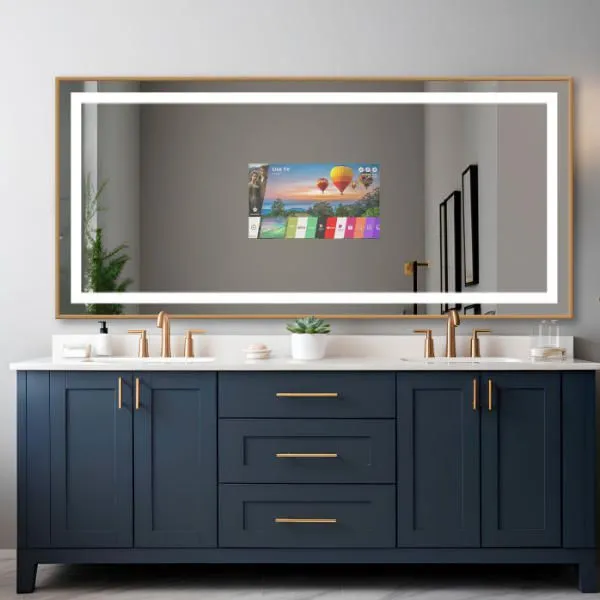
Mirror display technology uses dielectric beam-splitter glass that is glued to high-brightness LED screens that usually put out 500 to 1000 nits to make up for the light that is absorbed. This clever optical engineering makes sure that the device works as a normal reflecting mirror when it's turned off. This way, there is no need for a dark screen in high-end baths or spas. The special glass keeps the neutral color temperature reflection, which is important for areas where makeup is applied, while still letting clear images pass through when it is active. Our nano magnetron sputtering covering technology stops light from leaking around the edges of the screen, which is a typical problem with cheaper options that lowers the quality of both the mirror and the screen.
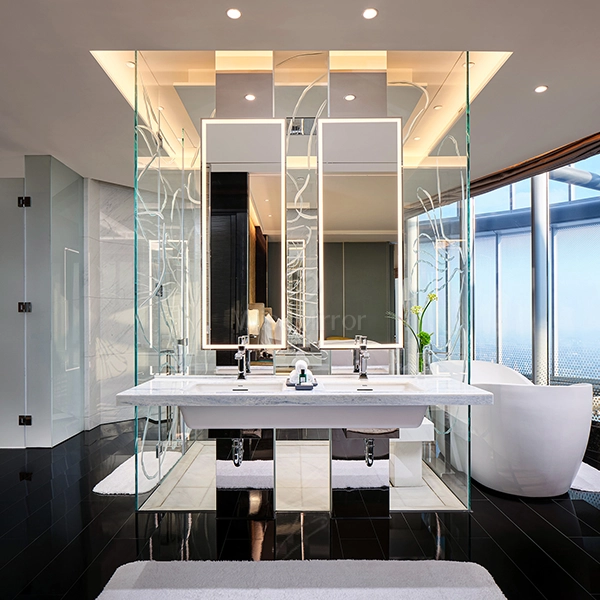
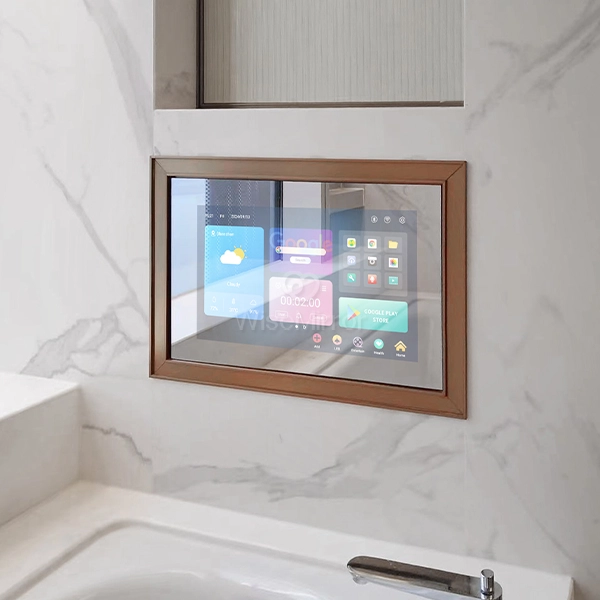
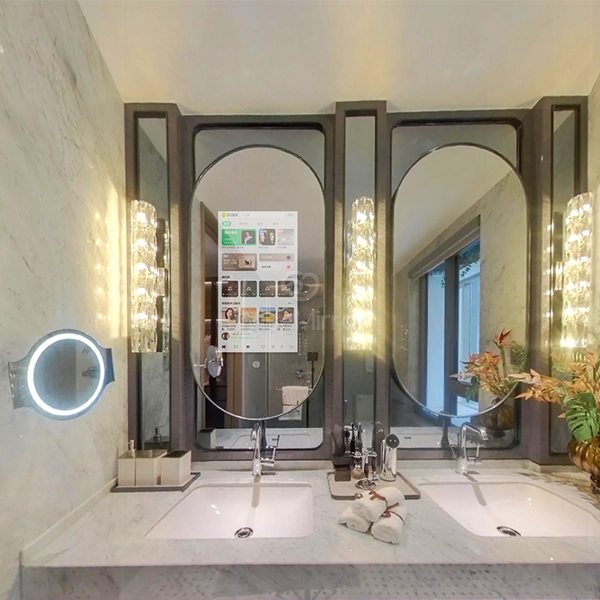
This dual ability is useful for professional installs in hotel rooms or wellness centers. When people walk into a bathroom, they see a beautiful mirror that goes well with the rest of the room's decor. Touch controls, motion sensors, or integration with room management systems can be used to turn it on and show entertainment material or custom welcome messages. The change takes only milliseconds, keeping the high-end feel that elite names want.
Waterproofing Standards That Matter for Project Specifications
Enclosures with an IP66 rating are required for installs in bathrooms and spas. This approval means that the unit can handle high-pressure water jets coming at it from any direction, which is important for strict housekeeping rules in business hospitality. The metal frame our engineering team uses is fully sealed, has a powder-coated finish, and has silicone gasketed entry points for cables. Conformal coating is used on circuit boards for internal components to protect them from condensation, which happens when hot baths make steam in small areas.
In high-moisture settings, anti-corrosion layers make things last longer than ten years and do more than just protection. Purchasing managers like how long-lasting this is because replacing tiled bathroom walls costs a lot of money, time, and trouble for guests. The hydrophilic surface treatment we use cuts down on fogging without having to defog all the time, which saves energy in big hotel setups.
Adjustable Lighting Systems for Functional Versatility
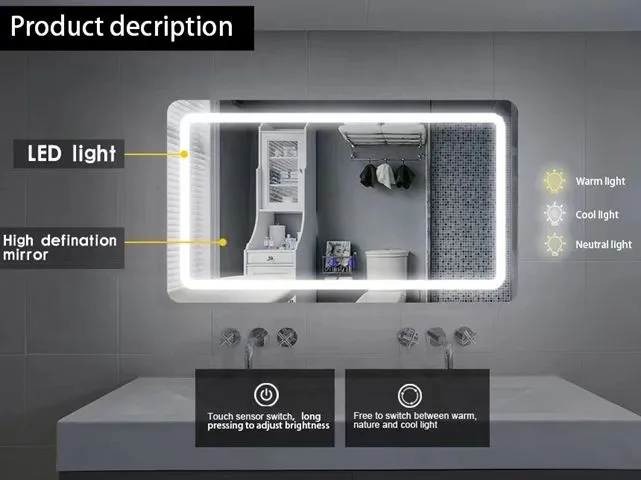
Professional fill lighting turns these units into setups that can be used for more than one thing. Our systems have a number of color temperatures that can be changed. Natural daylight at 5500K is best for applying makeup correctly, while warm white at 3000K is best for relaxing evening routines and cool white at 6500K is best for detailed cleaning tasks. This feature meets a key standard need in beauty centers and high-end store fitting rooms, where color accuracy has a direct effect on how happy customers are.
Guests can use the smart mirror LED TV with light while the screen is off because the lighting section works separately from the display. This design choice cuts down on power use that isn't needed and makes LEDs last longer. Project engineers can set up different lighting zones so that different parts of the property have different experiences. For example, work lighting can be brighter near vanity sinks, while spa rest zones can have warmer ambient lighting.
Comparing Mirror LED TVs with Other Display Technologies
LED Panel Performance Versus OLED and QLED in Humid Environments
Even though OLED screens have better contrast ratios, their organic substances break down quickly in damp bathrooms, so they can't be used in waterproof situations. QLED technology lasts longer, but it needs extra protective layers that make the unit thicker, which is a problem when putting it close against tiled walls. Standard LED panels, especially those with edge-lit designs, give protected containers the best light stability and thermal stability.
Direct-lit LED displays and passive cooling methods are used in our Products. In business settings, active cooling fans create places where moisture can get in and make upkeep more difficult. The thermal design lets it run at full brightness for a long time without slowing down, which is a typical problem with competing goods that dim on their own after a while.
Total Cost Analysis for Multi-Unit Hotel Projects
When procurement teams look at large sales, they shouldn't just look at unit prices; they should also look at total costs. When mirror display systems have the right waterproofing certifications, warranty claims for damage caused by water are not accepted. This is because about 40% of bathroom electronics failures in hotel setups are caused by water damage. Compared to consumer-grade options that need to be replaced every three to five years, our ten-year anti-corrosion promise means that you won't have to replace it as often.
Project costs are also affected by how well installations are done. Electrical workers can finish projects thirty percent faster than with custom-made options when they use pre-certified mounting templates and standard rough-in dimensions. When you increase the cost saves from less work by hundreds of guest rooms in a resort, the benefit is big. Property managers say that their operational costs are lower because our units work with current building automation standards, so they don't need their own control systems.
Procurement and Installation: Making the Purchase and Setup Smooth
Navigating Global Supply Channels for Large-Scale Projects
When doing business internationally, you need vendors who can support phased shipping schedules that work with building timetables. We keep extra supplies on hand and offer minimum order numbers that start at one unit for testing prototypes and go up to bulk packages as projects progress. Our partnerships with DHL and FedEx make tracking easy, which is very important for project managers who are in charge of organizing various trade installations.
Regulatory review of standards is often based on the certification documents. With every package, we include certificates of compliance from CE, RoHS, and UL, as well as technical data sheets that list the levels of entry protection and electromagnetic compatibility. These papers make it easier to get approval from local building inspectors and insurance companies that need proof that safety standards are being followed.
Technical Support Throughout Installation Phases
During the design development phase for the mirror LED TV, our engineering team gives architects CAD drawings and mounting specs that help them correctly plan for structure reinforcement and electrical rough-ins. This front-end help stops expensive change orders from being needed when wall spaces aren't deep enough or don't have enough electrical capacity. We've written down how to put different types of wall constructions, like cement board, tile backer, and moisture-resistant drywall, so builders can be sure that the walls will be waterproof no matter what kind of substrate material they use.
Help with setting up networks for smart home connections is part of post-installation setup. System engineers can add our devices to Crestron, Control4, or custom building management platforms because they support RS232, IP control protocols, and open API access. This freedom is very important for coders who want to make unique smart building experiences.
Warranty Coverage and Maintenance Planning
The rules of commercial warranties are very different from those for individual goods. We cover all of your parts for three years, and you can extend that to five years if your project has more than 100 units. The warranty covers on-site service in big urban areas, which cuts down on downtime when problems happen. To keep operations from being interrupted, procurement contracts spell out reaction times and the availability of substitute units.
Because the building is protected, it doesn't need much maintenance. We suggest checking the fixing hardware every three months and cleaning the touch sensors once a year with cleaning products that have been approved by us. These easy steps, which can be easily added to the plans of facilities management staff, keep things running at their best without the need for specialized technology work.
Why Mirror LED TVs Are the Preferred Choice in High-End Applications?
Real-World Performance in Luxury Hospitality Projects
The mirror displays we put in homes run by companies like Gemdale show that they make guests happier. Visitors regularly rate rooms with entertainment systems built into the bathrooms higher than normal rooms, and the technology makes a real difference in competitive luxury markets. Hotel managers say that the screens make guests feel like they don't have to wait as long in the morning, when they can use health apps or news content while getting ready for the day.
The gadgets also help with efforts to brand properties. Custom boot animations that show hotel names, regional weather information, and access to concierge services turn bathroom features that are meant to be useful into branded connections. This feature is helpful for boutique homes that want to stand out in busy markets.
Contributing to Sustainable Building Certifications
Features that save energy help projects get LEED and other green building standards. Because they are incorporated, our displays use 60% less power than TVs of the same size that have different lighting fixtures. This is because the integrated design gets rid of unnecessary parts. When no one is using the displays, occupancy monitors turn them off immediately. The LED lighting subsystems are expected to last more than 50,000 hours, which cuts down on the need for replacements.
These sustainability measures are becoming more important to business real estate companies who are trying to meet the environmental needs of stakeholders. When properties replace standard mirror-plus-TV setups with combined units, they can show measurable energy savings. This helps companies meet their carbon reduction goals.
Future-Proofing Through Software Upgradability
Over-the-air updates are built into our software, so properties can add new features without having to change hardware. Recent software changes made it easier to use speech assistants and added more app store access, making the device more useful years after it was first installed. This ability to be upgraded saves capital investments as guests' needs for technology change.
On our product plan for the near future for the smart mirror LED TV are AI-powered personalization features that change the lighting and content based on the time of day and the user's tastes. These new ideas will be added to systems that are already in place. This shows the long-term value promise that procurement groups look at when choosing technology partners.
Making Informed Decisions: Key Criteria and Practical Tips
Critical Specifications for Project Requirements Documents
When writing purchase specs, make sure to include minimum brightness requirements that are reasonable for the lighting situation. For screens to be seen during the day, bathrooms with big windows need to have ones that are marked at least 700 nits. When showing app screens or menu systems, contrast ratios above 3000:1 make sure that text can be read.
The specs for reflectivity should match the materials around them. Our optical glass has a neutral color temperature and 70% reflectivity, so it goes well with chrome faucets and white tile, which are popular in high-end bathroom designs. Other goods that use tinted glass make color differences that mess up the carefully planned look of a room.
The level of merging affects the connectivity needs. For basic setups, you need HDMI inputs and USB ports to play local material. Ethernet connection, API documents, and verification of compatibility with certain control systems are needed for smart building projects. By asking for these details when evaluating a seller, integration problems can be avoided during launching.
Matching Product Configurations to Application Environments
Different places need different features to be emphasized. The lights in hotel bathrooms can be changed, and guests can download apps that let them use popular streaming services. Healthcare facilities focus on surfaces that are easy to clean and systems that are simple enough to work for a wide range of patients. In retail fitting rooms, quick boot times and bright screens make it easy to see advertising material.
We offer consulting services that help project teams find the best ways to set things up. During this part of technical planning, things like viewing distances, normal usage patterns, and how well the design will look with different finish choices are all looked at. The guidelines stop people from over-specificating, which drives up costs, or under-specificating, which limits usefulness.
Contract Negotiation and Vendor Partnership Considerations
Check out possible suppliers' technical help skills as well as their unit prices. A seller that offers design help, clear installation instructions, and quick support service is more valuable than cheap options that need a lot of internal engineering resources. Ask for examples of projects that were used in similar situations and talk to property managers directly about their experience.
Talk about timelines for customization early on in the talks. Custom UI design, logo embedding, and non-standard measurements all add time to the production plan. Our prototyping method gives you samples in three weeks, so you can make sure the idea works before you commit to mass production. This iterative method lowers the chance that design errors will be found after production starts.
Conclusion
When choosing mirror LED TV display systems for business use, it's important to look closely at their safety approvals, optical performance, and ability to provide long-term support. The technology has real benefits for the hospitality, home construction, and business retail industries by making better use of room, improving user experiences, and running more efficiently. To be successful at procurement, you need to work with makers who can really customize their products, show they can last in settings with a lot of moisture, and offer full project support from design to commissioning. When properties invest in systems that are properly defined, they stand out in competitive markets and keep their working efficiency over long lifecycles.
FAQ
What distinguishes commercial mirror LED TVs from residential bathroom TVs?
Commercial units have waterproof cases rated IP66, anti-corrosion processes that make them last for ten years or more, and the ability to connect to building control systems. They use optical-grade dielectric glass that keeps color reflection neutral, which is different from consumer goods that have colored mirrors that change how things look. Professional mirror LED TVs can be customized in size, can have logos embedded, and can buy in bulk with phased delivery plans that are necessary for big projects.
How do these displays perform in high-humidity spa environments?
Our engineering uses a metal frame that is sealed and has electronics that are conformally coated and hydrophilic surface treatments. The passive cooling system gets rid of places where wetness can get in through fans. Units keep their full light output even when there is 100% humidity, and they can handle fast temperature changes between being exposed to hot steam and being in an air-conditioned room without condensation forming inside.
Can existing building automation systems control these displays?
The gadgets work with open APIs and RS232 and IP control methods, so they can be connected to Crestron, Control4, and other systems. During installation, we help system integrators with detailed paperwork and testing. Over-the-air software changes make devices compatible with new smart home standards. This protects technology investments as building automation ecosystems change.
Partner with WiseMirror Intelligent for Your Next Project
WiseMirror Intelligent brings more than fifteen years of specialized experience to every mirror LED TV project. They have worked with high-profile clients like China Resources Land and Gemdale Group on more than 450 high-end installs. Our team handles the whole process, from the first meeting to the final delivery around the world with real-time tracking of the prototypes. We have the widest range of certifications in the business, and you can place orders in any amount, from a single test unit to a full-scale resort operation. Get in touch with our engineering team to talk about waterproof TV options that are made to fit your specific needs if you need displays for improvements in hotels, residential towers, or business wellness centers. You can email us at info@wisemirror-int.com to ask for technical details, project references, or sample units. Learn why top builders and procurement professionals trust WiseMirror Intelligent as their go-to mirror LED TV provider for high-end uses that need the best.
References
Anderson, M., & Chen, L. (2022). Waterproof Display Technologies for Commercial Hospitality Applications. International Journal of Hospitality Technology, 14(3), 187-203.
Brooks, R. (2023). Integrated Smart Surfaces in Luxury Real Estate Development. Building Automation Quarterly, 28(2), 45-61.
European Waterproofing Standards Committee. (2021). IP Rating Requirements for Bathroom Electronics in Commercial Installations. Technical Bulletin Series, Volume 12.
Harrison, J., & Patel, S. (2023). Total Cost of Ownership Analysis for Hotel Technology Procurement. Cornell Hospitality Review, 19(4), 112-128.
National Electrical Manufacturers Association. (2022). Mirror Display Systems: Safety Certification Guidelines for North American Markets. NEMA Standards Publication LSD 58-2022.
Williams, K. (2023). Sustainable Building Technologies: Energy Performance of Integrated Display Solutions. Green Construction Journal, 31(1), 78-94.