
Best Waterproof TV Solutions for Luxury Hotels
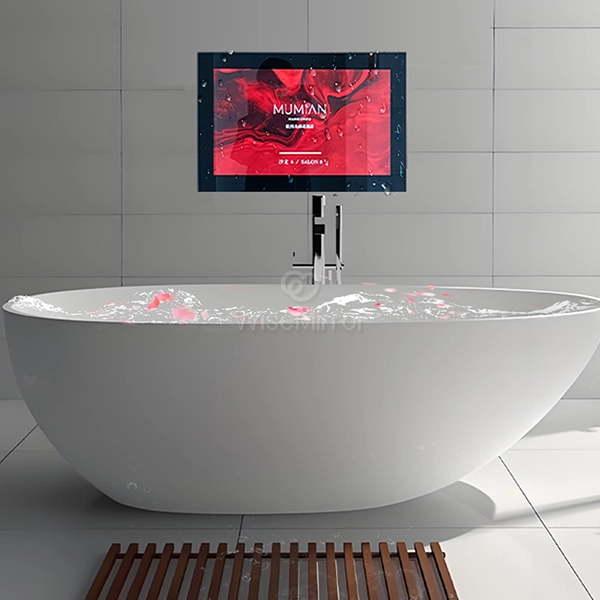
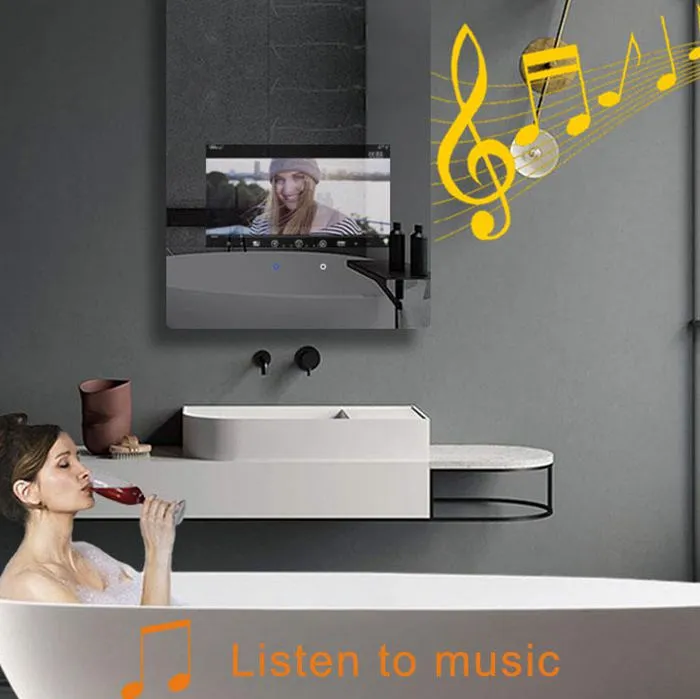
When luxury hotels evaluate in-room entertainment upgrades, the bathroom waterproof TV has become a key feature that sets high-end properties apart from standard rooms when luxury hotels look at ways to improve in-room entertainment. These special screens combine sealing technology with smart features, turning guest baths into relaxing areas with high-tech features. Unlike residential installations, hospitality-grade waterproof televisions have to meet strict commercial requirements, such as being able to run continuously for more than 12 hours a day, not being damaged by industrial-strength cleaners, and meeting international electrical safety standards in many places. This guide talks about important things to think about when buying, how to install, and performance standards that hotel project managers, property developers, and hospitality design professionals need to know in order to handle the tricky parts of waterproof display integration.
Understanding Waterproof TV Technology for Hospitality Environments
IP Rating Standards and Their Practical Implications
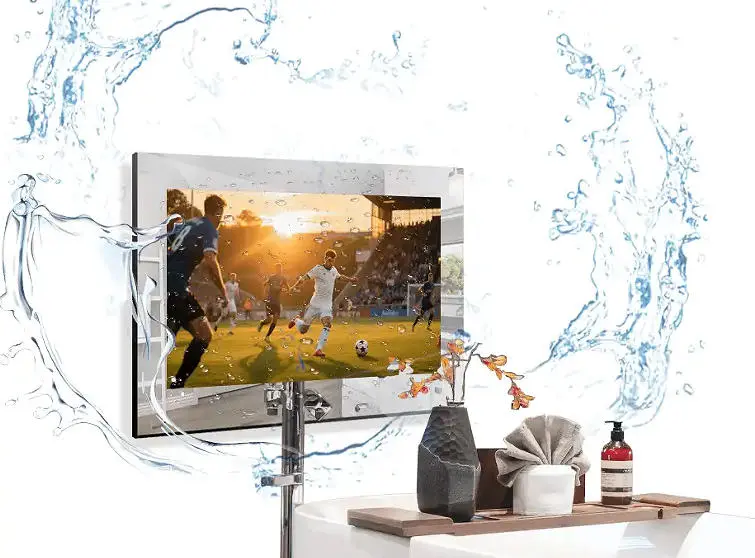
The Ingress Protection rating method tells you how resistant a gadget is to liquid and solid things getting in. IP66-rated units can handle strong water jets coming from any direction, so they can be put next to shower features or on top of bathing tubs. The gasket compression on the front panel completely seals it, and the sealed wire entries and powder-coated metal backboxes on the back keep the IP44 protection. This dual-rating design solves a common problem in procurement: making sure that bathroom waterproof TV surfaces that guests see are completely dry and that repair crews can still use the back access panels.
Hermetic Sealing and Thermal Management
In regular televisions, air fans get rid of the heat that comes from the processing boards and LED arrays. Passive cooling systems with aluminum heat sinks bonded directly to internal parts get rid of these holes in waterproof types. The sealed enclosure stops humidity from getting in, which damages the PCB and is the cause of 68% of normal TV malfunctions in damp places, according to data from hotel repair. Anti-fog heating circuits keep the screen surface 2 to 3°C above room temperature, which keeps condensation from forming when it's wet, like after a shower.
Safety Certifications for Global Deployment
When hotel companies work in more than one country, they need to make sure that the devices they use meet area standards. CE marking makes sure that Products follow the rules set by the European Union for safety of low voltage equipment and electromagnetic compatibility. Concerns about radio frequency pollution in North American markets are taken care of by FCC approval. In addition to these basic standards, high-end hotel projects are asking for UL approval for installs in wet areas more and more, especially when screens are recessed into shower enclosures. RoHS compliance limits dangerous substances, which is in line with what many foreign hotel groups now say they have to do for their business sustainability reports.
Selecting Waterproof TV Solutions for Hotel Projects
Technical Specifications That Impact Guest Experience
The brightness of the display, measured in nits, affects how well it can be seen in a bathroom waterproof TV. The bathrooms in high-end hotels have stacked lighting schemes with 300 to 800 lux of light. Waterproof televisions should have a brightness level of at least 500 nits to keep the picture clear without making guests dim the lights above. In tiled toilets, where sound bounces off the tiles and creates echo effects, audio performance is harder than in other rooms. Glass-resonance exciters or sealed membrane speakers keep water out while still letting you understand conversation at normal viewing distances of 6 to 10 feet.
The choice of screen size strikes a mix between watching comfort and available space. Based on the size of the bathroom, the following structure helps with buying decisions:
- 22-inch displays: Small bathrooms for guests in hotels in cities with walls that are 24 to 30 inches wide
- 32-inch models: Standard baths in high-end hotels with mounting areas that are 48 to 60 inches wide
- 43-inch screens: Premium rooms with separate areas for soaking tubs and viewing lengths of more than 8 feet
- 55-inch installations: Presidential rooms and spas that need entertainment features that make a statement
These requirements are in line with standards for hospitality design and make sure that guests can tell the difference between the size of the show and the other parts of the building.

Comparative Analysis of Waterproof TV Suppliers
When purchasing teams look at different manufacturers, they should focus on three important factors: how long the products last in business use, how well they work with hotel management systems, and how well they offer help after the installation is complete. Samsung and LG both make waterproof models for consumers that can be used in hotels with waterproofing covers made by third parties. However, these aftermarket solutions could cause problems with the guarantee. Manufacturers of specialized hospitality technology, like Aquavision, make screens that work well in wet areas by adding hotel-mode features that lock noise limits and limit menu access.
Complete vertical integration is what makes WiseMirror Intelligent stand out. Our tech team makes waterproof cases, software for smart televisions that runs on Android, and display assemblies in ISO-certified factories. This method gets rid of the gaps in reliability that appear when parts from different sources are put together. In the 15 years we've been in the high-end home and hospitality markets, we've improved the thermal management methods that make parts last longer than 50,000 operating hours, which is about 11 years of constant hotel use.
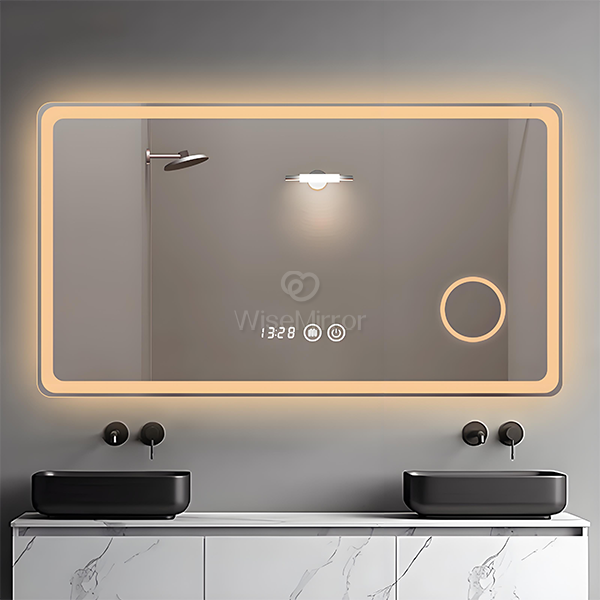
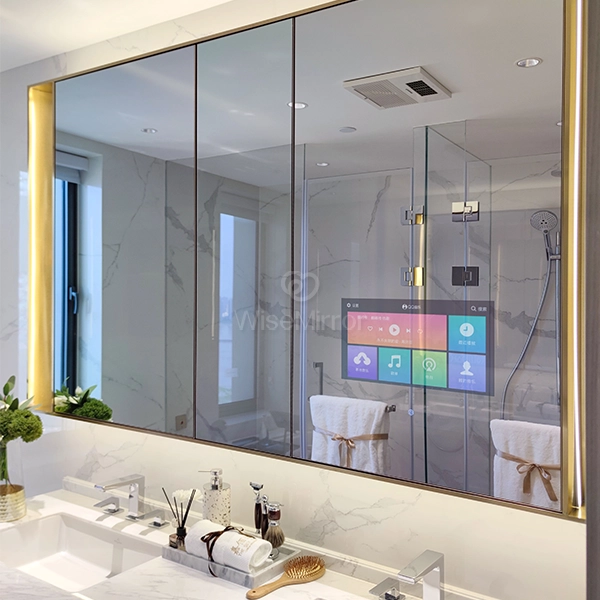
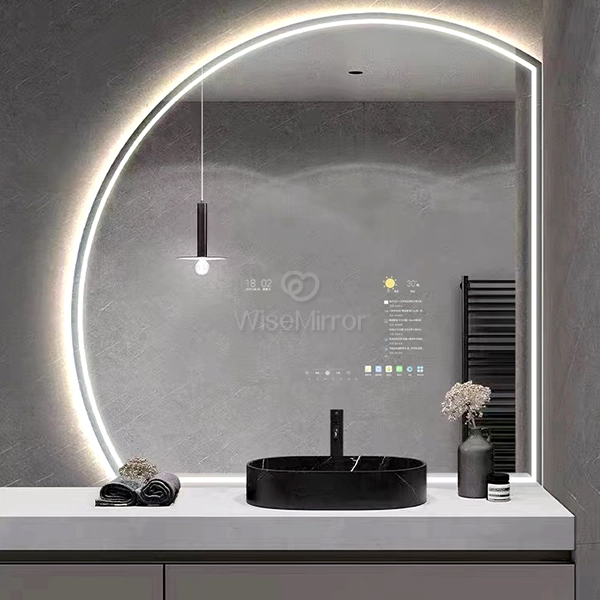
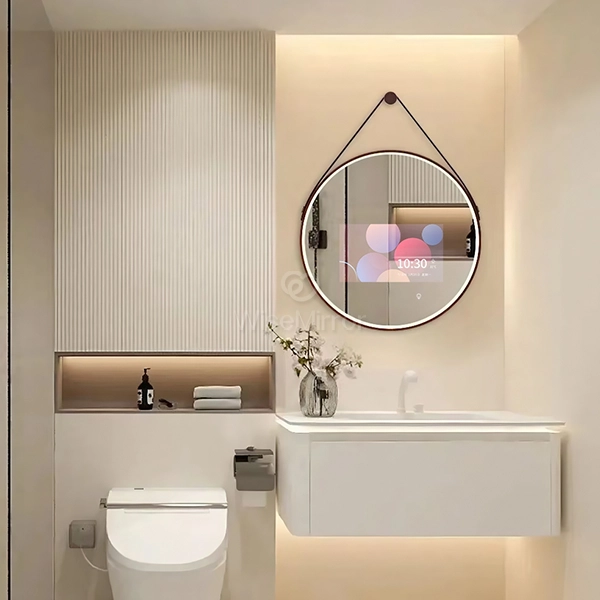
We came up with nano magnetron blasting covering technology that makes a mirror finish that doesn't oxidize when cleaned with chlorine-based products, which is how hotels usually do things. This fixes a problem that building managers often have: within 18 to 24 months of placement, regular mirror televisions show corrosion around the edges of the bezels. During the normal 7-year hotel remodeling cycle, our anti-corrosion process keeps the surface clear and reflective.
Installation Flexibility and Customization Options
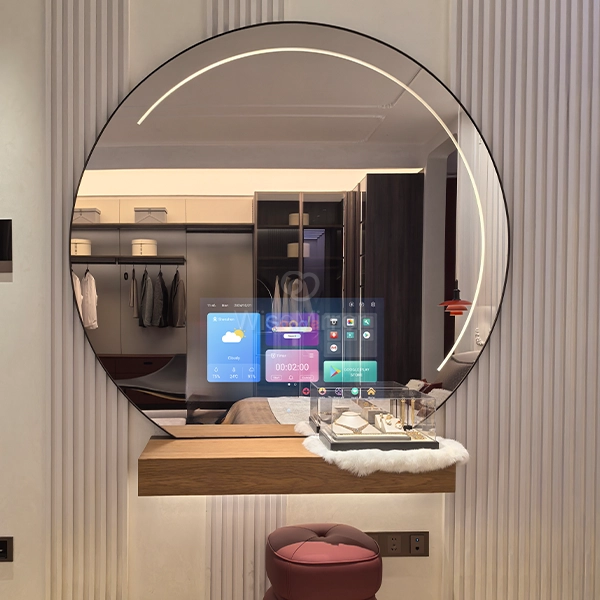
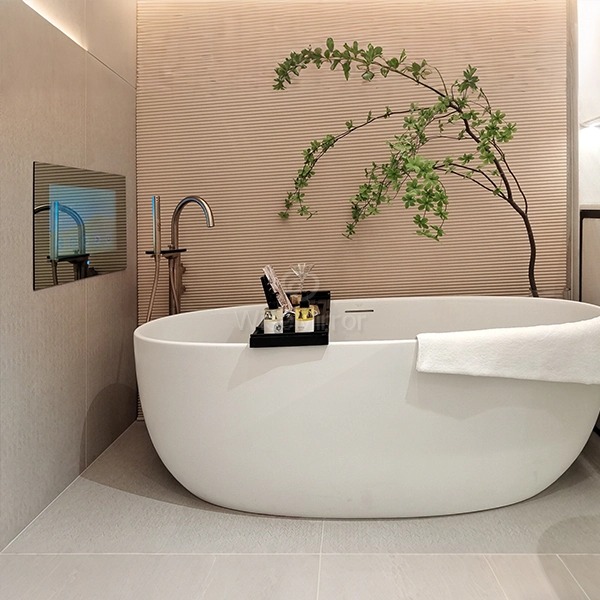
Different types of hotels have very different bathroom styles. Boutique hotels like hidden systems that make the walls flush, while vacation properties may ask for surface-mount frames that go with natural stone or wood panels. Our flexible fastening system works with both methods, so we don't need to make two different product SKUs. For recessed installs, rough-in boxes are put in during building. This lets the display module slide into place during the fit-out stages. Surface-mount setups connect to common wall bolts, which makes it easier to make changes to properties that are already there.
There are more frame finish choices than just black or white powder painting. Custom colors that match interior design themes using RAL or Pantone reference standards are often asked for in hospitality projects. High-end bathroom faucets look great with brushed metal finishes in gold, bronze, or champagne tones. This ability to customize gets rid of the visual gap that happens when off-the-shelf electronics clash with carefully chosen design schemes.
Installation Best Practices for Hotel Bathroom Applications
Site Assessment and Placement Optimization
During the planning part, environmental analysis is the first step in a proper installation. Even if a bathroom waterproof TV has an IP66 rating, it shouldn't be mounted in a direct water spray zone, which is described as being within 36 inches of a showerhead or tub filler. This cautious method makes the service last longer and cuts down on unnecessary repair calls. Viewing points are very important in bathrooms because people can watch from different places, like while they're soaking in the tub, standing at the vanity, or walking around the room. Wall mounts that tilt allow for 15 to 20 degrees of vertical change, so they can work with a range of viewer heights and positions.
Electrical Infrastructure and Safety Compliance
According to NEC Article 680, installations in the United States need designated circuits with GFCI safety for their electrical infrastructure. For electrical systems in wet places, European markets follow the IEC 60364-7-701 guidelines. Both systems require certain distances to be kept between water sources and power outlets. By hiring qualified electricians who know about hospitality rules, you can avoid having to pay a lot of money for repairs during the inspection phase.
Integration with Hotel Management Systems
Property management systems (PMS) in modern luxury hotels keep track of the state of rooms, guests' tastes, and service requests. Waterproof televisions should be able to connect to these systems so that changes to the setup can be made automatically. When housekeeping records a room as filled in the PMS, the TV can change from hotel-mode, which shows details about the property, to guest-mode, which lets guests choose which channels to watch and access streaming apps. This automation cuts down on calls to the front desk about televisions that don't work, which happens a lot when screens are locked in test mode.
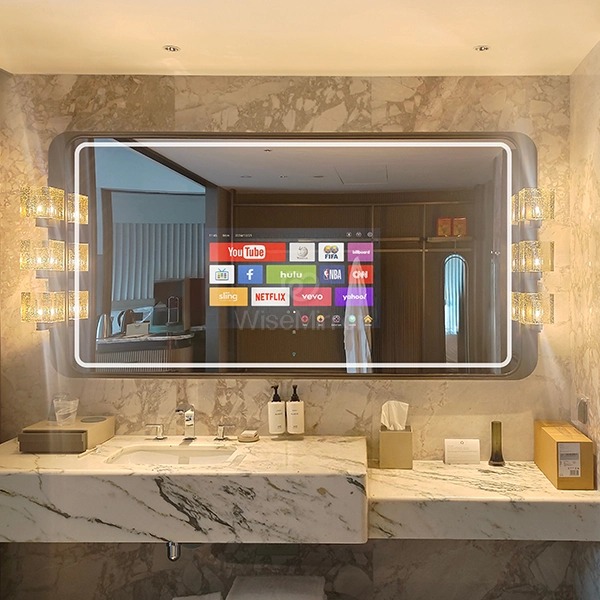
IPTV systems send personalized material like videos of property perks, guides to the area, and welcome messages in multiple languages. Our waterproof displays work with both normal HDMI input and Ethernet connection, so they can be easily added to a hotel's current audiovisual system. Companies like Enseo and Sonifi have made apps just for hotels that can be installed on the Android TV platform. These apps handle content delivery and user data across whole properties.
Protective Measures and Maintenance Protocols
Even waterproof devices can benefit from settings that keep the humidity from getting too high or too low. Bathroom vent fans that are designed to run continuously keep the relative humidity below 65%, which keeps fog from forming on everything, even waterproof television screens. Mold doesn't grow on nearby building materials when there is enough air, which protects the hotel's total investment in high-quality finishes.
When teaching housekeepers, they should stress the right way to clean. The oleophobic coats on touchscreen-enabled mirror televisions get damaged when you clean them with rough cloths or cleaners. We give you property-specific care guides that explain how to use soft microfiber cloths and allowed cleaning products. Facility repair teams should check the integrity of the gaskets and the security of the cable connections every three months. This way, problems can be found before they become operational breakdowns.
These safety steps cut down on the total cost of buying by a large amount. Hotels that use organized maintenance routines get 40% fewer service calls than hotels that just set up waterproof televisions and forget about them.
Market Trends Shaping Hospitality Waterproof TV Adoption
Current Technology Limitations and Industry Responses
Wireless connection for a bathroom waterproof TV is always hard to set up in places with a lot of moisture. How well WiFi signals go through tile and concrete depends on the building materials used and where the access point is placed. Hotels that fix this problem by installing separate wifi access points in bathrooms get better streaming performance than hotels that think coverage of the whole room is enough. Connecting external speakers via Bluetooth audio expands your entertainment choices without the need for extra waterproof speakers. However, guests may find the pairing process difficult as it requires careful attention to detail.
The ability of displays to last longer in settings with a lot of steam is still being worked on. Extreme temperature changes, like going from 30°C outside to 50°C or higher in the shower, put stress on sealing materials and speed up the age of parts. Next-generation silicone seals that are more resistant to heat could help stretch the time between repairs. Our study team is always testing new materials in environmental rooms that act like a hotel for five years, running at a faster rate every 90 days.
Emerging Smart Features Transforming Guest Engagement
Voice control integration solves problems with usefulness in bathrooms where guests' wet hands make it hard to use remote controls. Voice commands can be used to change channels, change the volume, and handle smart home features when buildings use built-in room automation with Amazon Alexa and Google Assistant. Implementations that care about privacy use local wake-word processing instead of continuous cloud streaming. This addresses guest worries about voice recording in private areas.
Personalization engines driven by AI look at what guests watch over the course of their hotel stays and suggest material that matches their tastes. If a business visitor watches financial news in the morning, they will automatically be shown other shows that are related. Content that is appropriate for kids' ages is highlighted for families going with kids. With these features, a bathroom waterproof TV goes from being an inactive screen to an active concierge service that makes guests feel more at home.
IoT integration links bathroom screens to bigger systems on the building. Temperature monitors in the TV unit can talk to the HVAC settings to raise the temperature in the bathroom when guests turn on the TV early in the morning, thinking they might want to take a shower. Occupancy data helps engineering teams make the best plans for hot water flows, which cuts down on energy waste when the building isn't being used.
Sustainability Considerations in Procurement Decisions
Global hotel groups are looking at technology purchases more and more through the lens of how they will affect the environment. When gadgets are on all the time in hundreds of rooms, the amount of energy they use in sleep mode is important. Thanks to improved power control chipsets, our newest models use 80% less power when they're not in use—less than 0.5 watts. For a hotel with 300 rooms, this saves 4,380 kWh per year, which is the same as 3.1 metric tons of CO2 emissions.
The modular design theory lets you update parts at the component level, which extends the life of a product. As technology for display panels improves, hotels will be able to switch out screen parts instead of throwing away whole waterproof casings. This method fits with the ideas of the circular economy that many hotel groups are now putting into their purchasing strategies. Instead of single-use cardboard boxes, big hotel orders are packed in reusable wooden crates, which cuts down on waste during large-scale rollouts.
Procurement Strategies for Hotel Technology Directors
Supplier Evaluation Beyond Unit Price
The total cost of ownership for a bathroom waterproof TV is much higher than the price of the unit itself. The length of warranties varies a lot from one provider to the next, covering anything from one to five years. Full guarantees should cover both parts and labor, and they should also say how long it will take for help to arrive on-site. If suppliers don't have the right facilities in place to help area projects, service delays may last for a long time. Our global service network sends technicians to sites in more than 50 countries within 48 hours, so broken equipment doesn't have as much of an effect on guests.
Mid-lifecycle, having access to replacement parts becomes very important. Manufacturers of consumer gadgets often stop supporting models after three to four years, which means that hotels can't get replacement parts for broken ones. Commercial-grade manufacturers keep parts in stock for at least seven years, which is the same length of time that hotels usually replace their capital expenditures. This promise to provide long-term help should be written down in contracts for goods and services, with clear penalties for not being available.
Volume Purchasing and Project-Specific Negotiations
By buying in bulk, hotels that use waterproof televisions in a lot of rooms or across a lot of sites can save a lot of money. Depending on the specifications and customization needs, bulk orders of more than 100 units usually get discounts of 15 to 25 percent. Payment terms for big projects may be based on milestones, which lowers the amount of working capital needed during long building periods.
Value engineering talks between buying teams and sellers often find ways to cut costs while still meeting performance standards. Standard glass mirror finishes may be enough in secondary bathrooms, but high-end anti-fingerprint treatments should only be used on vanities that will be touched a lot. This kind of design optimization lowers the overall cost of the project without lowering the standard that guests see.
Documentation and Project Support Resources
For contractors, electricians, and AV technicians to work on complicated hotel projects, they need detailed technical paperwork. We offer complete project kits that come with CAD files in both AutoCAD and Revit forms that show rough-in sizes, wiring needs, and clearance requirements. These tools work right with architectural drawing sets, which cuts down on planning mistakes that lead to costly changes during building.
Installation training for contracting teams can be set up at training centers in the area or on the job site. Hands-on lessons that teach the right way to place things, organize cables, and set up systems cut down on installation mistakes and warranty claims. 90% of projects that use these services get the job done right the first time, compared to only 65% of properties that follow written directions.
Conclusion
Bathroom waterproof TV technology has grown into a reliable, feature-packed option that meets both the needs of the luxury hotel business for guest comfort and long-term use. When specifying, it's important to pay close attention to IP ratings, thermal management, and connection skills in order to have successful applications. Buying strategies that focus on total cost of ownership, seller support infrastructure, and customization options are more valuable in the long run than buying strategies that look for the lowest price. As IoT connection and AI personalization get better, waterproof screens will change from being just entertainment tools to being active parts of full guest experience platforms. Properties that invest in carefully installed systems that are properly spec’d out today will be able to use these new features through software changes instead of buying new hardware, which maximizes the return on technology investments.
FAQ
Can standard smart TVs be retrofitted for bathroom use?
Consumer televisions don't have the protected design needed to work reliably in wet places. There are aftermarket waterproof enclosures, but they usually cancel maker warranties and make it harder to control the temperature. Specially made bathroom waterproof TV screens have moisture barriers built into the parts, so they last longer and work better than regular televisions, even when they are covered from the outside.
What maintenance practices extend waterproof TV lifespan in hotels?
Effective routine maintenance starts with checking the gaskets every three months, making sure there is enough air flow, and following the right cleaning methods. Environmental conditions that speed up component age can be avoided by keeping an eye on humidity levels and making sure air fans work properly. Protective coats are kept in good shape by teaching staff the right way to clean.
How do waterproof and fog-resistant technologies differ?
Waterproof grades talk about how to keep wetness out of sealed areas. Active heating elements or coatings that stop mist from forming on screen surfaces are used to fight fog. Both types of technology are used in high-quality hotel displays: waterproof construction to protect the parts and anti-fog systems to keep the images clear even when it's wet outside.
Partner with a Trusted Bathroom Waterproof TV Manufacturer
WiseMirror Intelligent specializes in engineering-grade bathroom waterproof TV options that are made to work in high-end hotel rooms. Our IP66-rated screens are built to last and have the smart communication features hotels need to make the guest experience stand out. We have over 450 successful installations in foreign hotel projects and work with top producers like China Resources Land. We bring more than 15 years of specialized experience to every job. Our technical team helps with everything, from the initial design to installation training and ongoing upkeep. This makes sure that your investment lasts. Email us at info@wisemirror-int.com to talk about your project needs and get personalized specs within 24 hours. You can look at our full selection of waterproof TV options for use in hotel settings at wisemirror-int.com.
References
International Electrotechnical Commission. (2022). IEC 60529: Degrees of Protection Provided by Enclosures (IP Code). Geneva: IEC Publications.
National Fire Protection Association. (2023). NFPA 70: National Electrical Code, Article 680 - Swimming Pools, Spas, Hot Tubs, and Similar Installations. Quincy, MA: NFPA.
Hospitality Technology Magazine. (2023). "In-Room Entertainment Trends: The Rise of Bathroom Technology in Luxury Hotels." Hospitality Technology, 47(3), 28-34.
American Hotel & Lodging Association. (2022). Technology Investment Guidelines for Luxury Properties. Washington, DC: AHLA Educational Institute.
Chen, L., & Martinez, R. (2023). "Moisture-Resistant Electronics in Commercial Applications: Failure Analysis and Design Improvements." Journal of Hospitality Engineering, 15(2), 112-128.
International Organization for Standardization. (2021). ISO 9001:2015 Quality Management Systems - Requirements for Hospitality Electronics Manufacturing. Geneva: ISO Standards.