
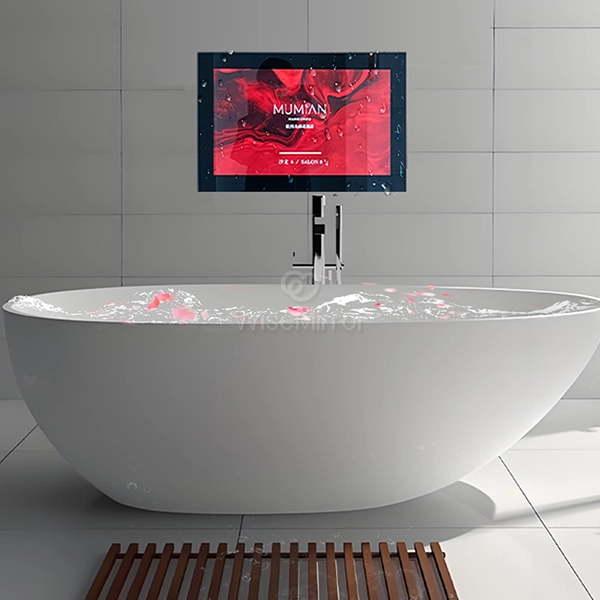
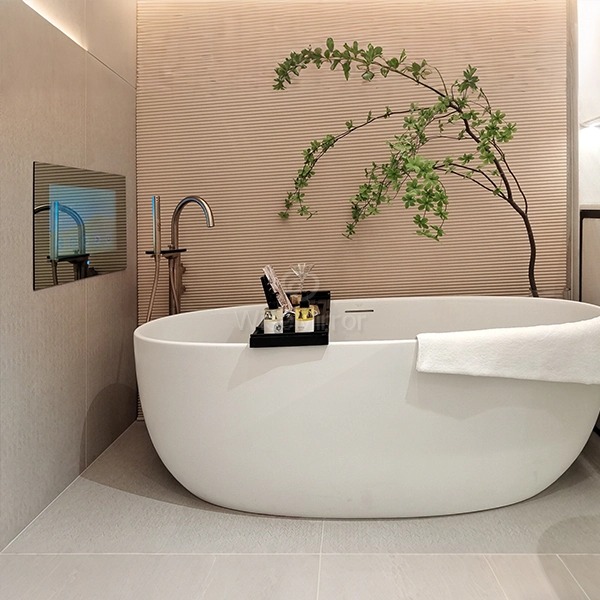
Bathroom Waterproof TV: IP Rating Guide for Hotel Projects
It's not just academic to understand IP grades when choosing a bathroom waterproof TV for a high-end hotel project; it's mission-critical. These special screens are made with tightly sealed cases and fanless thermal management so they can work in places with a lot of humidity where regular TVs break within months. IP66-rated units, like those from WiseMirror Intelligent, stop pressurized water jets and steam from getting in. This stops the corrosion, fogging, and electrical dangers that happen in setups that aren't properly protected. This guide breaks down IP classification standards, installation methods, and procurement strategies to help real estate developers, hotel project managers, and interior designers choose specifications that balance the needs of guests with the need for long-term operating reliability.
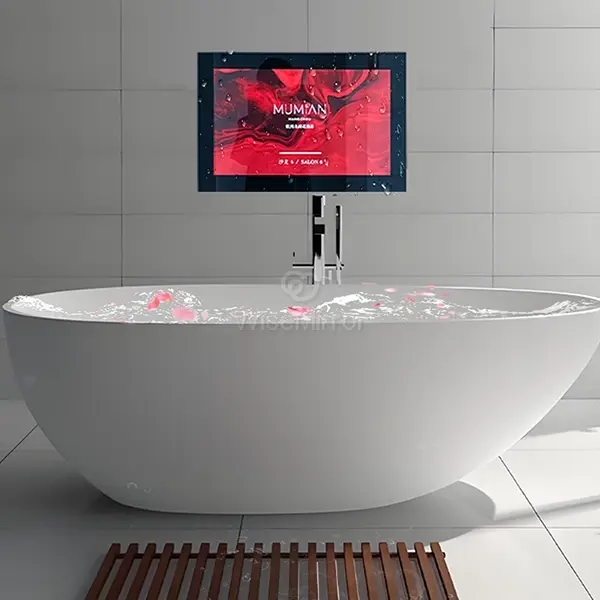
Understanding IP Ratings for Hotel Bathroom Displays
What IP Ratings Mean in Wet-Zone Applications?
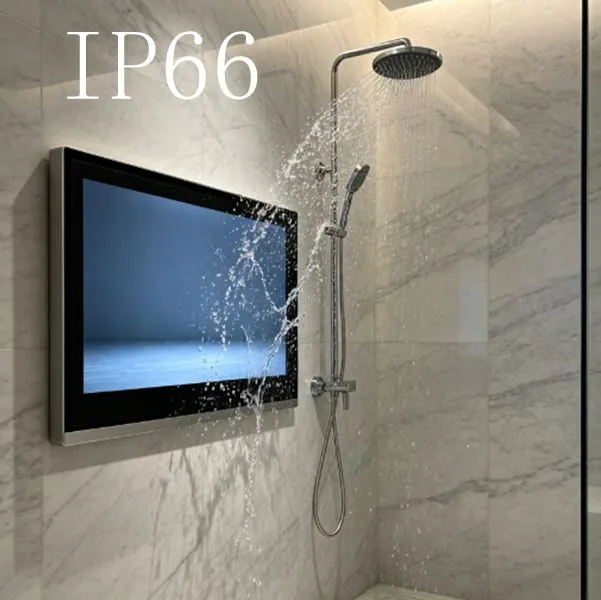
The Ingress Protection grade method gives a number to how well a cover keeps outside particles and water from getting into its internal parts. Protection levels are shown by the two-digit code. The first number (0–6) controls the entry of solid particles, and the second digit (0–8) controls the entry of liquids. An IP66 rating, which is required for professional bathroom setups, means that the bathroom is completely sealed against dust and can withstand strong water jets from any angle. This is important for when housekeeping cleans tiled floors with water pressure. IP65 can handle a little less jet pressure but is still good for splash zones. IP68, on the other hand, can handle temporary submersion, though this isn't usually needed for hotel setups that are placed on the wall.
Why Standard Consumer TVs Fail in Hotel Bathrooms?
Traditional bathroom waterproof TV units cool themselves with air grilles and open bezels, which make it easy for wetness to get in. After a few weeks of use in places with a lot of steam, condensation builds on the circuit boards inside, causing the solder joints to rust and the display screens to break. We have seen fails in small hotels where builders put residential-grade screens behind "waterproof" glass. Water got in through the mounting gaps, voiding warranties and necessitating expensive repairs in the middle of the season. Professional-level units don't have these problems because they have conformal PCB coats, vapor-barrier seals, and heated front glass that keeps the surface temperature above dew point to keep it from fogging.
Decoding Common IP Standards for Procurement Teams
There is often no background given for IP ratings in hotel specs. IP54 only protects against splashes and is only good for vanity places that won't be directly hit by water. IP65 can handle low-pressure spray, which is fine for baths with separate showers. IP66, which is the standard in the industry, can handle cleaning methods that use high-pressure lines, which is important for keeping safety standards high between guest stays. IP67 adds a short immersion limit of 1 meter for 30 minutes, but this is usually more than what is needed unless the units are being installed around a spa or diving pool. Even though IP68 certification is amazing, it often means that the product is too specific and costs too much for normal bathroom installations.
By knowing these differences, procurement managers can make sure that standards are in line with the real world instead of just using the highest scores. Matching IP ratings to real-world exposure stops both under-protection fails and budget waste on excessive ratings. For example, a five-star hotel bathroom with rain shower features needs different protection than a rented apartment powder room.
Key Specifications for Hotel Project Selection
Sizing and Layout Integration Strategies
The size of the screen has to match the bathroom's design and meet brand standards for guest services. Small 22-inch bathroom waterproof TV units work well in standard hotel rooms where space is limited and efficiency is needed, while 32-inch screens make watching TV in luxury apartments more comfortable. Installations between 43 and 55 inches are common in presidential rooms and spas, which turn baths into movie-like experiences. In addition to vertical lengths, the thickness of the bezel also affects how it looks when integrated. Ultra-slim profiles (less than 15mm) allow for flush fitting, which keeps sightlines clean in simple designs that modern luxury brands like.
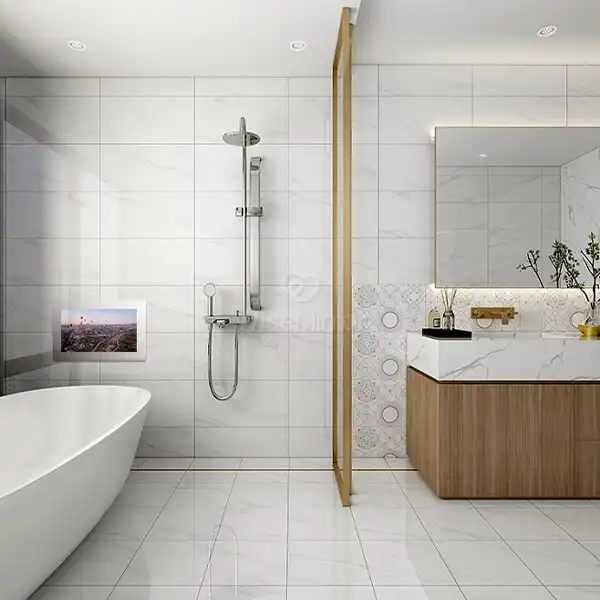
The way things are installed has a big effect on both the cost of building and the ease of doing upkeep in the long run. Recessed mounting makes the wall integration look smooth, but it needs structural coordination during the rough-in stages, which means accurate hole sizes and waterproof membrane details. Surface-mounted options give you more retrofitting options, which is especially helpful when improving existing homes, but they stick out 50–80 mm, based on how deep the electronics housing is. We've worked on hotel projects with flexible mounting systems that let the screens be upgraded in the future without damaging the tile work. This is something that properties that are planning phased technology changes should think about.
Smart Integration and Guest Experience Features
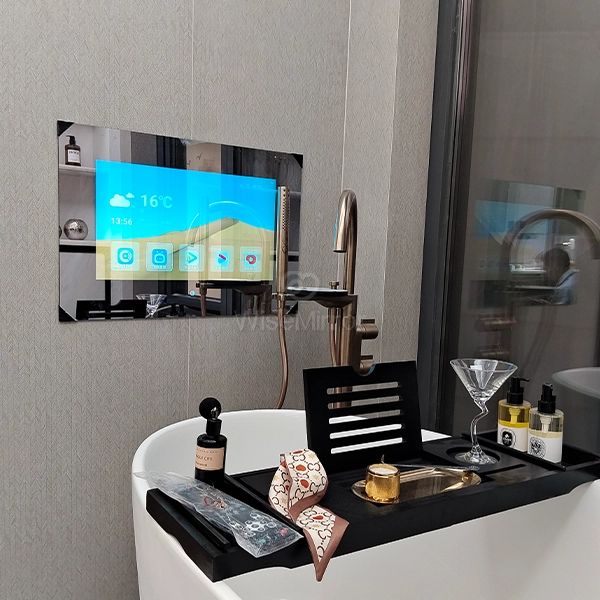
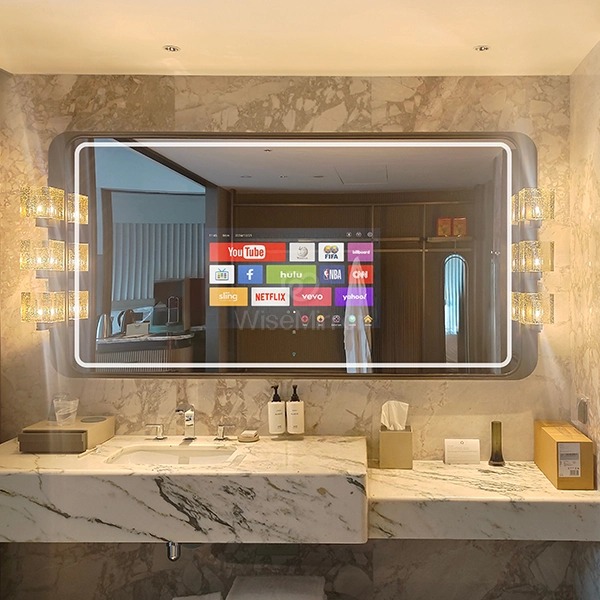
Modern hotel guests expect to be able to connect easily at all points of contact. With Android TV integration, you can directly access streaming services without having to use extra devices that make room control systems more difficult to use. Pairing Bluetooth headphones with speakers lets guests watch private content while staying private, which cuts down on complaints at the front desk about content limits. Properties that are putting in IPTV systems should make sure that the APIs are compatible. Manufacturer-specific protocols can make it hard to integrate systems, which can delay finish of the project and raise the cost of commissioning.
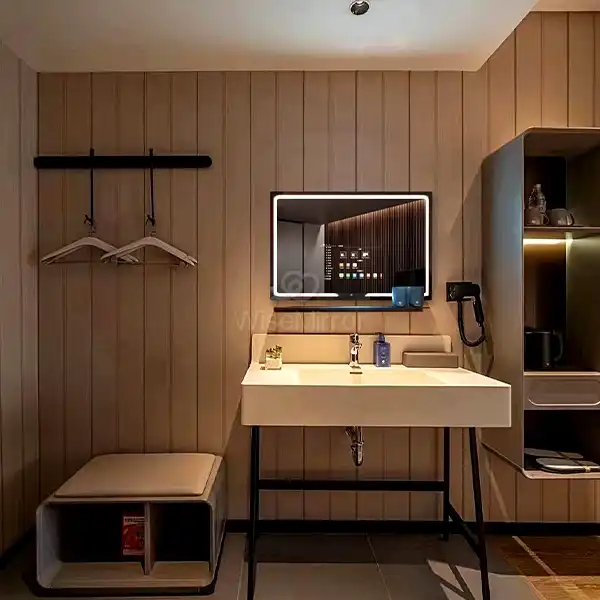
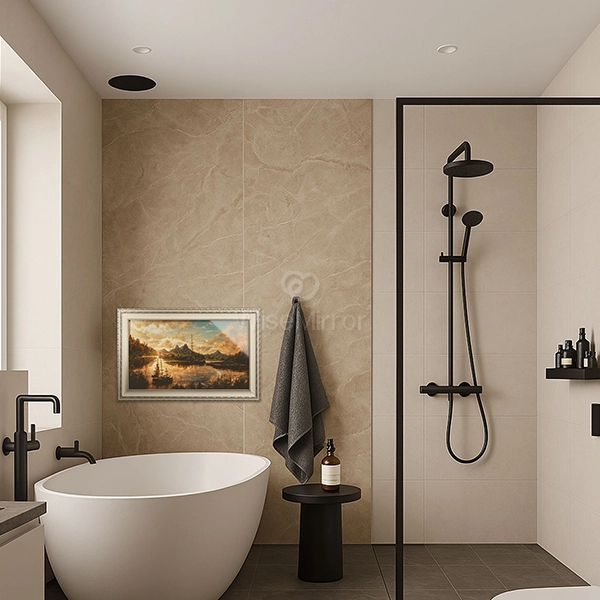
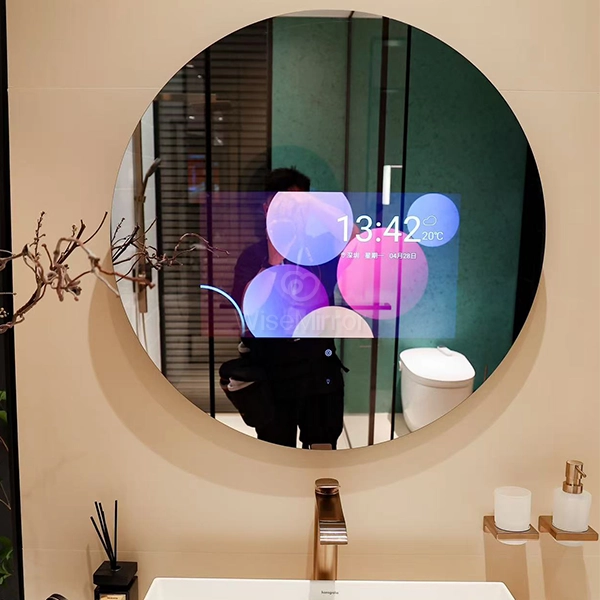
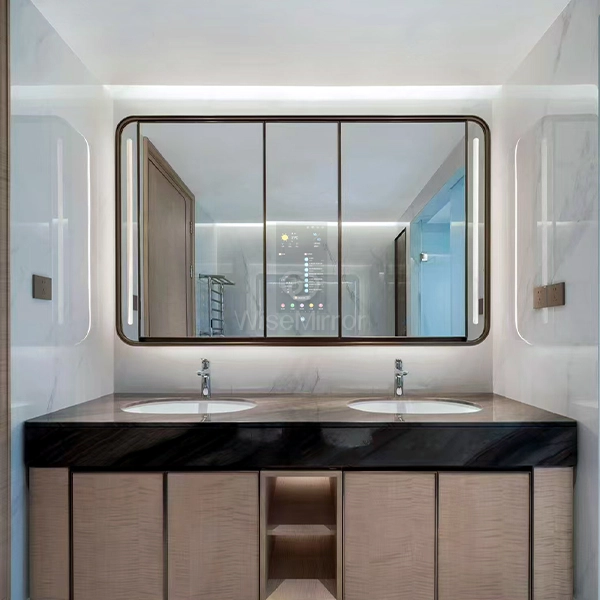
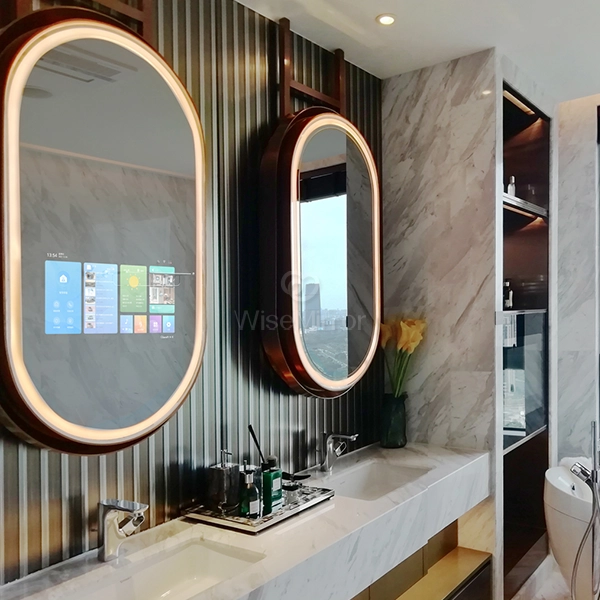
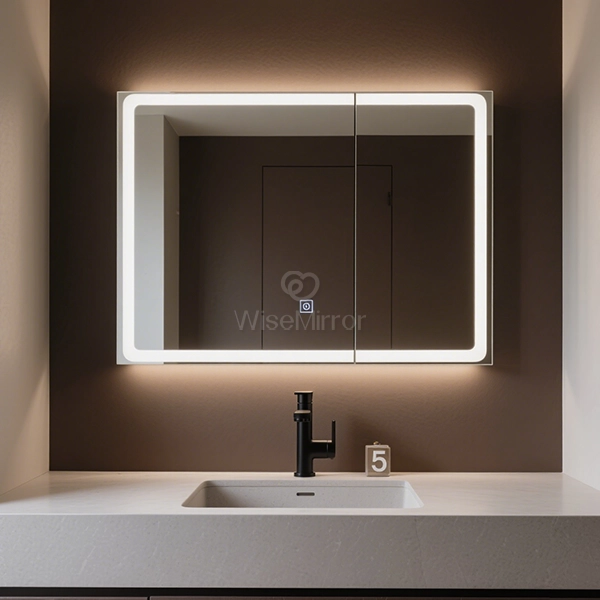
The mirror mode feature solves a recurring design problem: keeping things looking calm when computers are off. Dielectric mirror glass technology, like WiseMirror's nano magnetron sputtering coating, creates reflective surfaces that look exactly like regular mirrors when they're not in use. This keeps the look of the bathroom and gets rid of the "black rectangle" effect that messes up luxury design stories. This ability to do two things at once is especially useful in small bathrooms where having separate wall space for mirrors and displays would make the room look crowded.
Voice control integration is still new in the bathroom, but it shows promise for people who don't want to use their hands when they're wet. Projects that include this feature should make sure that wake-word recognition works consistently even when there is noise from the shower or the bathroom. This is a technical problem that some consumer-grade solutions have trouble solving. The most reliable interface is still waterproof remote controls, but because they are so small, housekeepers often lose them, which drives up the cost of replacement across big hotel companies.
Brand Analysis and Technology Comparison
Evaluating Market Leaders for Hotel Specifications
Samsung's hospitality screens have strong IPTV integration and well-established support networks. However, because they are mainly used for business signage, bathroom-specific models need to have their specifications carefully looked over. LG has OLED choices with great contrast ratios that are good for ultra-luxury projects, but their bathroom-rated units are still not as good as those made by other companies. AquaVision was the first company to make TVs for hotel bathrooms. Their IP65 and IP66 models came in a range of sizes and were so reliable that big foreign hotel chains started to specify them. They also had quick technical support.
Vertical integration is what makes bathroom waterproof TV from WiseMirror Intelligent stand out. Our Shenzhen facility blends UI design, software development, and production all under one roof. This allows for customization that off-the-shelf brands can't match. Our core team has been working on wet-zone multimedia systems for more than 15 years and has honed anti-oxidation techniques and low-impedance ITO capacitive touch lamination, which are important for keeping touch response through layers of protective glass. Our work on projects for China Resources Land and Gemdale Group shows that we can meet the strict deadlines and high quality standards of well-known producers.
Mirror TV Versus Dedicated Bathroom Displays
Mirror TVs combine the functions of showing and reflecting into a single unit, which makes the best use of space in small toilets. When turned off, they have fully mirrored surfaces made possible by special glass coats. Turning them on shows the screen underneath without affecting their waterproofing. This technology works well with current design styles that value simplicity and utility. Dedicated bathroom waterproof TV units, on the other hand, focus on screen performance, including brighter images, wider viewing angles, and more accurate colors. This makes them better for baths with more space where entertainment quality is more important than saving space.
Different things affect cost in very different ways. Mirror TV technology adds steps for processing and coating high-quality glass, which usually makes each unit cost 30–50% more than specialized screens of the same size. The difficulty of installation stays the same, but for mirror TVs, the lighting around them needs to be more carefully planned so that there is no glare that affects the quality of the image. During specification review, we help hotel clients weigh these pros and cons, making sure that the technology choices they make are in line with their brand positioning. For example, boutique lifestyle properties tend to value mirror TV looks, while vacation hotels put more emphasis on screen performance so that guests can watch for longer periods of time.
Budget Planning Across Product Tiers
IP65-rated 22-inch units from local makers start at around $600 to $800, making them a good choice for limited-service properties where bathroom fun is more of an extra than a standard expectation. Options in the middle price range ($1,200 to $2,000) from well-known names like AquaVision or SealView offer IP66 protection, smart connections, and warranty support that are good for full-service hotels. Premium mirror TV installs cost between $2,500 and $5,000 per unit. This is reasonable in the luxury and ultra-luxury segments, where differentiating the guest experience is what drives higher room rates.
Buying in bulk has a huge impact on the economy. When hotel projects order 50 or more units, they often get 20–30% off the price, as well as extra services like unique splash screens, pre-programmed hotel modes, and longer guarantees. We make sure that our prices include the true total cost of ownership, which includes installation kits with waterproof mounting clamps and cable glands that make sure the IP rating stays valid while the system is being set up in the field. Some rivals offer good unit prices, but they charge extra for parts that are needed for proper waterproofing, which can throw off the budget during building.
Procurement Strategy for Hotel Project Managers
Sourcing Reliable Bathroom Waterproof TV Suppliers
Finding reliable bathroom waterproof TV suppliers takes more work than just comparing spec sheets. Audits of manufacturing facilities show how well they can control quality. Project teams are welcome to visit our Shenzhen facility, where two levels of quality control catch mistakes before they are shipped. Customer examples from hotel projects that have already been finished show how quick the company is during the resolution of "punch list" issues and how well their warranty support is. Suppliers who have worked with hotels before know how to keep projects on schedule by timing orders to match building milestones instead of flooding receiving areas with large shipments.
Closeness in terms of geography affects wait times and shipping costs for bathroom waterproof TV, but it shouldn't be more important than quality. In the United States, domestic suppliers often buy parts from other countries and add a markup. Working directly with qualified Asian makers, on the other hand, saves money without losing support. WiseMirror has project management teams that speak English and offers DDP (Delivered Duty Paid) shipping to more than 50 countries, which makes borders easier and makes buying things less complicated. Using wooden crates to protect units during international shipping is very important for keeping the waterproof seal intact.
Negotiating Terms and Value-Added Services
Volume price is only one part of the value of buying. Longer warranty terms (3-5 years instead of the usual 2 years) lower lifetime costs by a large amount, especially for properties that are in water that is hard to clean and has a lot of minerals in it. Responding quickly to technical support requests is more important in situations than during normal operations. Being available 24 hours a day, seven days a week in the project's time zone keeps problems with the guest experience from going unfixed. When local companies don't have experience with Bathroom TVs, installation support services, such as on-site commissioning by factory experts, make complicated projects less risky.
Customization features let brands stand out from others by giving more than just basic Products. Custom splash screens with hotel names that show up when the computer starts up help strengthen the brand's character. Frame finishes that match bathroom fixtures (brushed gold, matte black, champagne bronze) keep the look of the computer clean. We have made units with mood lighting that is synced with circadian rhythms and unique Android screens that are easy for guests to use. These improvements turn ordinary displays into memorable places of contact for guests that support premium placement.
Aligning Specifications with Project Timelines
When making purchases, wait times need to be taken into account without lowering the quality. Rush orders often skip quality control stages, which raises the number of defects that cause nightmares on the punch list when the project is finished. Standard production times are 4 to 6 weeks for stock configurations and 8 to 12 weeks for highly customized configurations. Shipping delays and inspection processes can be worked around with buffer times. This way, the supply of bathroom TVs doesn't become the critical path item that delays hotel openings.
The project's cash flow needs to be taken into account when setting payment terms and order stages. Shipments that happen in stages that match the stages of building avoid storing problems and keep the installation going quickly. It makes sense to have retention clauses that protect against problems that are found during approval. However, longer payment terms put more risk on the seller and usually lead to higher prices. When providers are clear about time and money limits, they can come up with creative solutions. For example, they might put up high-end mirror TVs in suites and use cheaper dedicated displays in standard rooms, which maximizes the property's value.
Conclusion
When choosing bathroom waterproof TV systems for hotel projects, it's important to think carefully about IP ratings, smart features, installation methods, and the supplier's abilities. The industry standard for high-end catering is IP66 protection, which ensures reliable operation in damp places and can withstand strict cleaning procedures. When choosing between mirror TVs and dedicated displays, technology choices should be based on how the brand is positioned and the available space. Procurement plans should focus on the total cost of ownership rather than the initial unit price. Professional setup and regular upkeep make operations last longer and keep guests safe. Working with seasoned suppliers like WiseMirror Intelligent guarantees access to customization options and technical support that turn specification problems into competitive advantages.
FAQ
What IP rating do I need for hotel bathroom TVs?
When it comes to hotel bathroom waterproof TV units, IP66 approval is the best way to protect against water jets from cleaning tools and steam. IP65 ratings are enough for public areas that don't get wet all the time, while IP67 or IP68 ratings usually go above and beyond what's needed unless they are installed near pools or in spa wet rooms. Always check the ratings on both the front panel and the back of the case. Some makers only rate the screen face, leaving the electronics open to damage.
Can bathroom waterproof TVs integrate with existing hotel IPTV systems?
Quality units work with common hotel protocols, like HDMI-CEC and RS-232 control, so they can be connected to systems that handle properties. During the study of the specifications, make sure that the API is compatible, as proprietary systems from some makers can make integration difficult. Android TV systems give you the most options for streaming content and making your own hotel apps, but you need to set up network protection to keep people from getting in without permission.
How long do waterproof bathroom TVs last in hotel environments?
Professional systems usually last for more than 50,000 hours, which is about 10 to 15 years of average hotel use. How long something lasts depends a lot on how well it was installed, how it is maintained, and external factors like how hard the water is. When compared to basic waterproof cases, units with warming front glass and conformal-coated electronics last longer. Regular checks of the seals and the right way to clean them keep them from breaking early, which would void the warranty.
Partner with a Trusted Bathroom Waterproof TV Manufacturer
Its specialty is IP66-certified bathroom waterproof TV solutions made especially for hotel projects by WiseMirror Intelligent. We've been working with China Resources Land and Gemdale Group for more than 15 years to create custom displays for high-end hotels, ranging from small boutique properties to famous resorts. This shows that we can meet tight deadlines and high quality standards. Our units come in sizes ranging from 22" to 55" and can work in mirror mode. They blend nano magnetron sputtering coating technology with anti-oxidation methods that have been improved by more than 450 placements around the world. Email our project team at info@wisemirror-int.com for specifics, CAD files, and rates for large orders that are made just for your hotel project. As a bathroom waterproof TV seller, we offer DDP shipping, expert help 24 hours a day, seven days a week, and services that make the whole buying process easier, from specification to commissioning.
References
International Electrotechnical Commission. (2013). IEC 60529: Degrees of Protection Provided by Enclosures (IP Code) (3rd ed.). Geneva: IEC Central Office.
Hospitality Technology Magazine. (2022). "Guest Room Technology Trends: Bathroom Entertainment Systems in Luxury Hotels." Hospitality Technology Annual Report, 18(4), 34-41.
American Society of Interior Designers. (2021). Waterproof Audio-Visual Integration Standards for Commercial Hospitality Environments. Washington, DC: ASID Press.
Building Services Research and Information Association. (2020). "Moisture Ingress Protection in Wet-Zone Electronics: Testing Protocols and Failure Analysis." BSRIA Technical Note TN 18/2020.
Chen, W., & Morrison, A. (2019). "Corrosion Prevention in High-Humidity Electronic Enclosures: Material Science and Coating Technologies." Journal of Hospitality Engineering, 12(2), 145-162.
National Fire Protection Association. (2023). NFPA 70: National Electrical Code – Article 680: Swimming Pools, Fountains, and Similar Installations. Quincy, MA: NFPA Publications.