
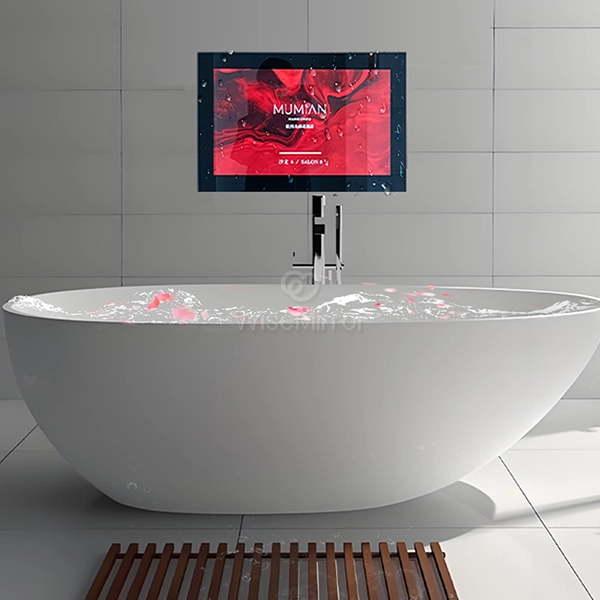
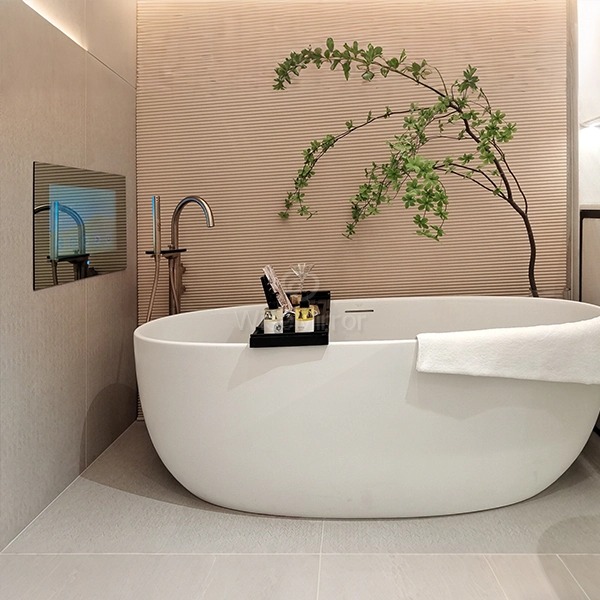
Bathroom Waterproof TV for Hotel Shower Areas
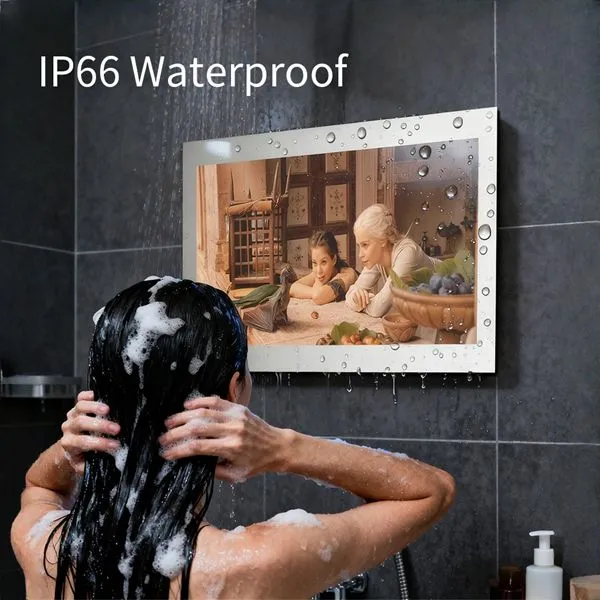
The bathroom waterproof TV is one of the features that sets apart high-end hotels from regular rooms that hotel sourcing managers look at when they are looking for entertainment options for luxury guest apartments. These special display units bring entertainment right into shower stalls and wet areas, turning useful areas into engaging experiences for guests. These devices are built with IP66-rated enclosures and hermetically sealed designs that keep out water jets, steam, and temperature changes that would normally kill regular electronics within months of being installed.
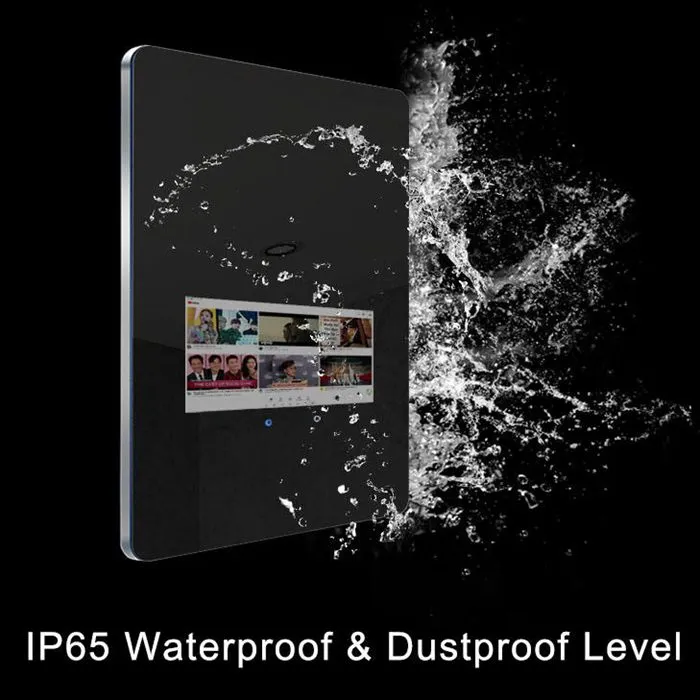
Understanding Waterproof TV Technology for Hospitality Environments
There is a difference between hotel Bathroom TVs and consumer-grade water-resistant gadgets sold for home use. Because of the engineering problems that come up in hospitality wet zones, industrial-grade solutions are needed to meet three important operational needs: constant exposure to high-humidity environments with more than 90% relative humidity; thermal cycling between cold water spray and hot steam conditions; and chemical resistance to commercial-grade cleaning agents that are used between guest stays.
Engineering Standards That Define True Waterproofing
The IP (Ingress Protection) rating method is used to check how resistant devices are to water in wet areas. An IP66 rating makes sure that no dust can get in and that strong water jets can't go through from any direction. This is important for setups near shower heads and bathtub faucets. This grade is very different from IP44 devices that are sold as "splash-proof," but they break quickly when they are directly sprayed with water, like in hotel bathrooms.
When conformal coating technologies are used on internal PCB circuits, they add extra layers of safety on top of the outward sealing. When wetness gets through the outside walls over the years of use, these special polymer layers stop oxidation and short circuits. If hotels install devices without this internal safety, they could break down early and need to be replaced, which would be expensive and upset guests and put a strain on maintenance funds.
How Mirror TV Technology Enhances Design Integration?
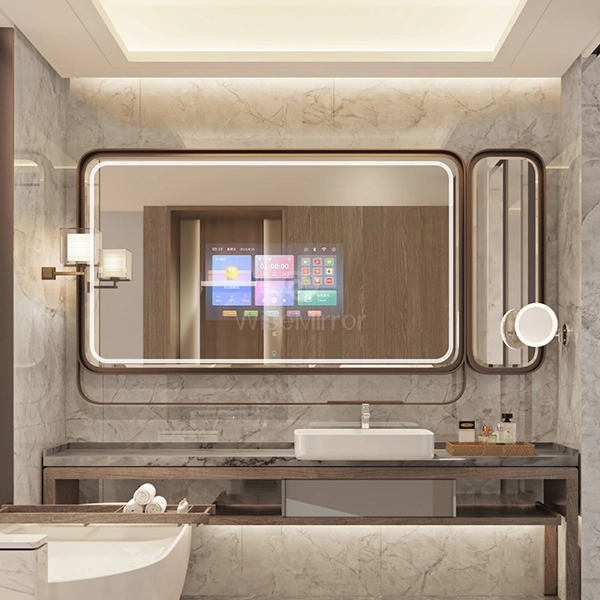
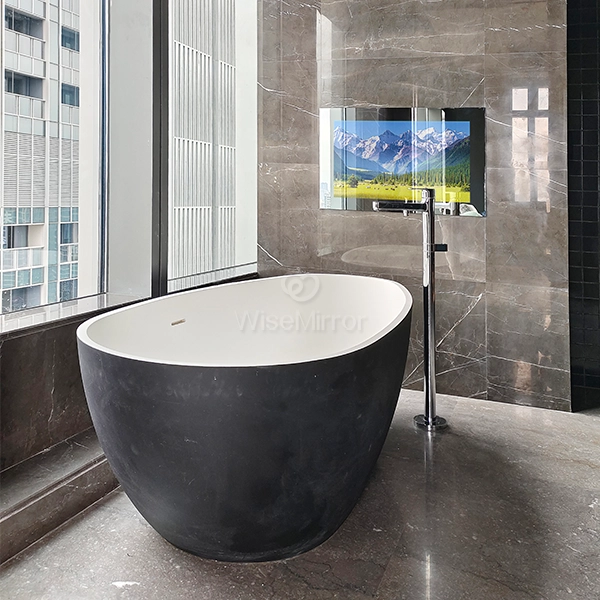
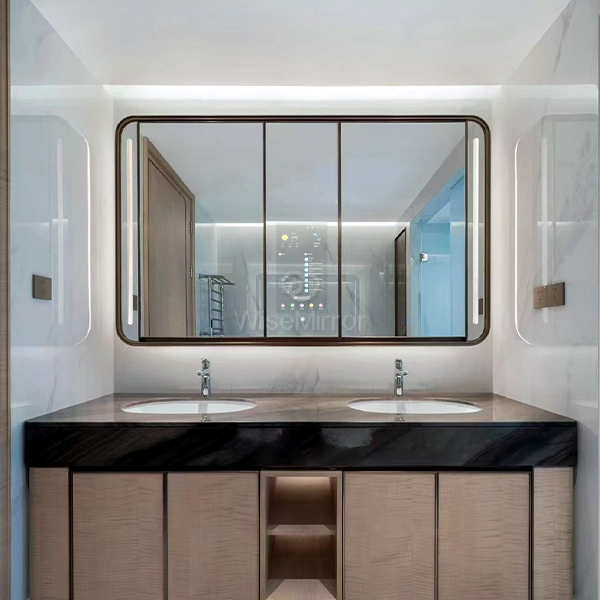
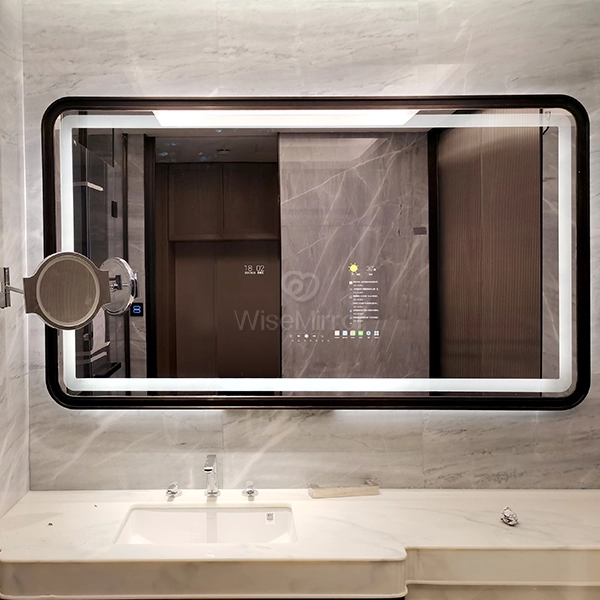
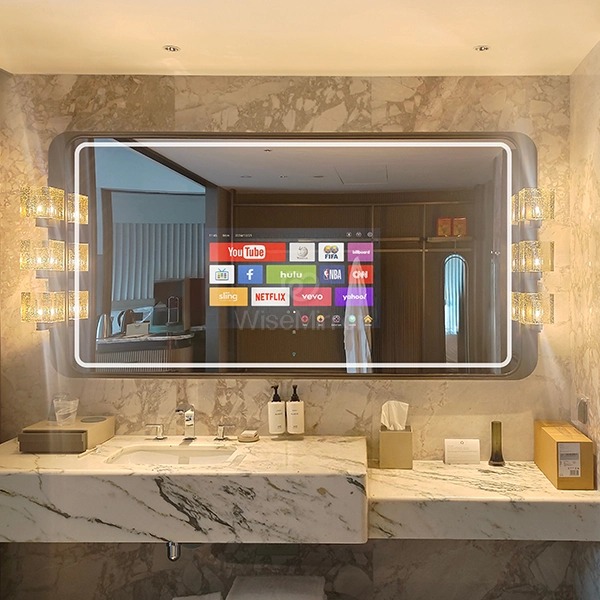
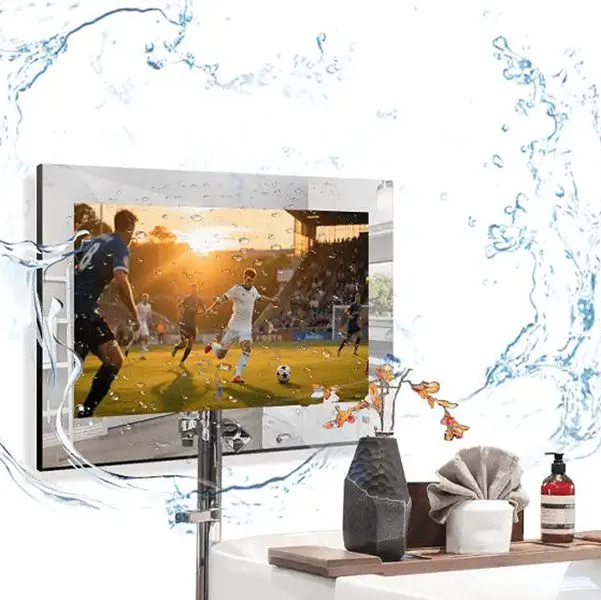
The mirror TV technology is a big step forward for hotel bathroom design because it makes up for limited space while still looking good. When turned off, these units use dielectric glass technology to bounce light back into the room, so they can be used as normal bathroom mirrors. When the display is turned on, the surface changes to full HD or 4K viewing quality without affecting the waterproof seal.
This feature's dual purpose solves an ongoing problem in high-end bathroom design: adding entertainment technology without making visual areas look crowded or giving bathrooms an industrial look that goes against the spa-like style. Hotels can choose frame finishes in brushed gold, matte black, or custom powder-coated colors that match existing light schemes. This makes installations that look like they were always there, not like they were added after the fact.
Critical Specifications for Hotel Procurement Teams
To choose the right bathroom waterproof TV display options for hotel setups, you need to look at more than just the screen size and resolution. Buyers have to look at technical factors that have a direct effect on how long something works, how well it's maintained, and how satisfied guests are with their stay, which can be measured by polls sent after the stay.
IP Rating Classifications and Their Practical Implications
In addition to the IP66 grade for the front panel, hotel buyers should check the security standards for the back panel. The front panels can handle being wet directly, and the back casings usually have IP44 ratings that are high enough to protect against steam and splashes. This asymmetric rating structure lowers the cost of production while still providing the necessary levels of safety when devices are properly installed into wall spaces that are resistant to water.
Specifications need to be raised for steam rooms and spas when installing a bathroom waterproof TV. Installations in these harsh conditions need IP68-rated shelters that can handle temperatures that stay above 60°C for long periods of time and being exposed to steam almost continuously. When used in these conditions, standard bathroom-rated units fail within months, causing legal issues and repair costs that lower the project's return on investment (ROI).
Screen Size Selection for Guest Comfort and Spatial Constraints
When choosing a screen size, it's important to think about how visible it is from normal watching distances and how much wall space is available in small bathrooms. Twenty-two-inch screens work well in normal guest rooms, where the viewing distance is between 1.5 and 2 meters while you're in the bathroom. 32- to 43-inch screens in luxury bedrooms and spa bathrooms make movie-like experiences possible without being too big.
When reviewing the specifications, the purchasing team should ask for dimensional sketches that show the lengths of the bezels and the depths of the mounting holes. Ultra-thin bezels make the screen area fit into fixed wall spaces bigger, and short mounting profiles make it easier to install in tile and stone walls without having to make a lot of structural changes that raise the cost of installation.
Smart Connectivity Features That Elevate Guest Experiences
When Android TV is integrated, guests can use hotel Wi-Fi networks to access popular streaming services like Netflix, YouTube, and foreign video services. This takes away the pain of hotel TV screens that are locked down and don't let you watch certain shows. For properties that cater to international visitors, pre-installed app ecosystems should support regional content tastes and offer language interface options to suit a wide range of guest types.
Bluetooth audio connection lets guests connect their own devices and listen privately through waterproof speakers built into the display case. This feature helps hotels with shared walls between rooms deal with noise issues by letting late-night fun happen without bothering guests next door. Specifications for purchases should check that the Bluetooth version is compatible (5.0 or higher is suggested) to make sure that links stay stable with smartphones and tablets from the current generation.
The core advantages of professionally engineered waterproof displays for hotel environments include:
- Anti-Fog Heating Systems: Heating elements built into the toughened glass panel keep the surface 2 to 3°C warmer than the surrounding air temperature. This keeps fog from forming, which blurs the view. This function works automatically when the monitor turns on, so you can see right away without having to do anything. Hotels that put in units without active anti-fog technology get reports from guests that the screens can't be used when it's wet after a hot shower.
- Hermetic Sealing Technologies: Ultrasonic welding and industrial-grade silicone gaskets work together to make lasting barriers against moisture at bezel joints and wire entry points. These ways of making things stop the seals from slowly breaking down over time that happens in waterproof cases for consumers that use mechanical compression seals that become loose over time. When units are properly sealed, they stay waterproof for 10 years or more of continued hotel use.
- Thermal Management Without Ventilation: Fanless cooling designs don't have any air holes, which is bad for waterproofing in regular TVs. Passive metal heatsink designs move heat from inside the parts to the outside of the building, where natural convection gets rid of the heat without the need for movement. This engineering method keeps the working temperatures safe while keeping the seals completely shut against the outside world.
These engineering solutions directly deal with the operational problems that come up with hotel wet-zone installations. For example, when a device fails, it makes guests unhappy right away and causes emergency repair calls that put a lot of pressure on building management resources.
Evaluating Leading Solutions for Hotel Projects
The people who buy things for hotels have to deal with a lot of different bathroom waterproof TV makers, each with their own technology, guarantee policies, and ways to customize their Products. Knowing the differences between well-known names of consumer goods and hospitality technology providers helps teams make smart decisions about where to get the things they need for projects.
Commercial-Grade Manufacturers Versus Consumer Brand Adaptations
Specialized companies like WiseMirror Intelligent create products that are perfect for business wet-zone uses, drawing on more than 15 years of experience working on hotel projects. These companies know what hotel setups need in order to work with building management systems, connect to property management software for paying guests, and offer customization options for branded guest experiences.
Big names in consumer electronics, like Samsung and LG, make bathroom TVs that are based on their home TV lines. These choices have benefits like well-known brands and established service networks, but they don't always offer the customization options and business guarantee terms that hotel projects need. Procurement teams need to check to see if consumer-oriented guarantees cover situations where the product is used for business 365 days a year instead of occasional home use.
Mirror TV Technology Versus Standard Display Installations
Mirror TVs cost more than regular waterproof screens, but they look better, which makes the investment worth it in high-end hotel areas. The mirrored surface gets rid of the "black rectangle" look of screens that are turned off, keeping the high-class visual surroundings that high-end guests expect. Four-diamond and five-star hotels should make mirror TV technology a priority as a way to set themselves apart.
Standard waterproof displays work well for projects that need to stay within a budget and for setups in places like exercise centers, pool areas, and spa treatment rooms where having a mirror doesn't add any value. These units offer the same waterproofing performance at lower prices, making them ideal for properties that value high covering over high looks in every installation location.
Warranty Terms and After-Sales Support Considerations
For hotel installations, commercial warranties should cover them for at least two years, and there should be choices for longer protection plans that cover years three through five of business. Standard consumer guarantees have exclusions that make them useless when devices are used in business settings, so warranty agreements must make it clear that they cover commercial hospitality use.
When hotel companies put waterproof displays in various properties, they need a strong system for after-sales support. When something breaks, manufacturers that offer centralized technical help, regional service centers in North America, and advanced repair programs keep downtime to a minimum. WiseMirror Intelligent offers expert support 24 hours a day, seven days a week. They help procurement teams and building managers with planning the installation, putting it together, and running it.
Installation Methodology for Hotel Engineering Teams
Installing bathroom waterproof TV screens in hotel toilets correctly has a direct effect on how long they last and how reliably they work. The engineering offices of hotels have to follow the mounting instructions given by the manufacturers and make sure that the setups follow the electrical safety rules for electronics in wet areas.
Mounting Location Selection and Code Compliance
In the US, electrical rules identify "wet zones" based on how close they are to water sources and the chance of direct spray for a bathroom waterproof TV. Article 680 of the National Electrical Code (NEC) sets rules for equipment that is put in close proximity to bathrooms and shower areas (1.5 meters). Waterproof screens need to be protected by a ground-fault circuit interrupter (GFCI) so that power is cut off when there is an electrical problem. This keeps people from getting shocked.
Mounting height should put screen centers between 1.2 and 1.5 meters above the finished floor, which will give you the best viewing angles whether you're sitting in the bathroom or standing in the shower. When installations are higher than 1.8 meters, guests are less likely to be happy because they can't see clearly, and when they are lower than 1.0 meters, they make it harder for wheelchair users to follow ADA rules.
Recessed Installation Techniques for Finished Aesthetics
When you use recessed framing, you can make setups that are flush with tile and stone walls. For this method to work, the framing of the building needs to be coordinated so that the rough openings are 25–50 mm bigger than the outside measurements of the display. This is so that mounting brackets can fit and the final placement can be adjusted. Waterproof membrane shields must go all the way around the edges of openings to keep water from getting into the wall spaces behind the display.
Surface-mounted installations with weatherproof brackets can be used to fix up old hotel makeovers where access to the wall hollow is limited. Modern low-profile mounting systems make small projections from finished wall surfaces to reduce the visual effect and make installation easier in homes that are already occupied and have tight renovation plans. Surface mounts should have backing plates that spread the weight across several stud sites. This will keep the panel from drooping over time.
Electrical Connection Best Practices
Power sources should be put in dry areas outside of wet bathroom areas, and display units should be powered by low-voltage DC power. This design keeps high-voltage AC lines from getting wet and makes it easier to follow the rules that say 120V circuits can't be close to water sources. When running cables through walls, they need to use waterproof grommets at the places where they go through. They also need to keep moisture barriers around the conduit openings.
For smart connections to work, there needs to be network cabling or solid Wi-Fi service in bathrooms. Tile and concrete building materials weaken RF signals, so hotels should check the strength of the wireless signal when the installation is being turned on. Running Ethernet cables to each display spot ensures steady network performance for streaming apps, even when wireless infrastructure is limited.
Maintenance plans keep waterproof displays working well for years while the hotel is open. Engineering teams should set up inspection plans that work with the regular repair processes of other bathroom equipment and fixtures.
Cleaning Procedures That Protect Display Surfaces
Harsh alkaline cleaners and rough materials wear away anti-reflective coats that are put on display surfaces, leaving behind a constant haze that makes the quality of the images worse. When cleaning display surfaces between guests' stays, housekeepers should use cleaning products with a neutral pH and cotton cloths. Manufacturers usually say that solutions should have a pH level between 6.5 and 7.5 and be able to work with both glass surfaces and rubber seals.
Avoid spraying cleaning solutions directly onto bathroom waterproof TV displays, as liquid can penetrate through speaker membranes and control button interfaces despite waterproof ratings. Apply cleaners to cloths before wiping, and only a little water should be used so that the cleaner doesn't build up around the edges of the bezel, where repeated contact breaks down the seal over time.
Scheduled Inspection Protocols
Every three months, the seals around the edges of the case should be checked for holes or discoloration that could mean moisture got in. Engineers can do simple tests by wiping sealed joints with dry cloths and looking for signs of wetness that could mean condensation inside the joint. When seal failures are found early, they can be replaced before the whole device breaks down while guests are staying.
Electrical testing should be done once a year to check grounding continuity throughout power source lines and see how quickly GFCIs respond. These safety checks make sure that both guests and the hotel are protected from risk. They also show that the electrical setups meet the requirements of the insurance policy and the building codes for wet areas.
Procurement Strategy for Hotel Development Projects
When hotels buy bathroom waterproof TV displays for new builds or renovations, the teams in charge of buying have to look at more than just the price of each display. They also have to look at the total cost of ownership, which includes things like installation help, guarantee coverage, and the availability of parts in the future.
Supplier Evaluation Criteria for Hospitality Projects
Reliable sellers keep certificates that show their products meet safety standards like UL, CE, FCC, and RoHS. These certificates show that devices have been tested by a third party and found to meet safety standards for electricity and environmental standards for restricted chemicals. During the procurement review process, hotels should ask for proof of certification and make sure that the certificates match the specific models they are buying instead of just general company qualifications.
When hotel groups use stock room designs across multiple properties, manufacturing capacity comes into play. Suppliers must show that they can meet project deadlines for large orders while keeping quality high across production runs. WiseMirror Intelligent has finished more than 450 installs around the world, showing that it can handle big hospitality projects that need hundreds of units delivered on time.
Customization and OEM Partnership Opportunities
Hotel brands that want to give their guests a unique experience can work with manufacturers that offer customization services for bathroom waterproof TV. These services can include branded splash screens that show property logos when the device starts up, custom frame finishes that match signature design elements, and pre-configured app selections chosen for specific types of guests. These changes make branded experiences that are consistent and strengthen the property's character at all points of contact with guests.
Through OEM partnerships, hotel technology companies can remake waterproof screens with their own names. This helps with unified service platforms and integrated room control systems. Manufacturers who offer OEM deals usually have minimum order amounts and may offer software development kits that can be used to connect their products to current guest service and property management systems.
Logistics and Installation Service Coordination
For international hotel projects, providers need to have well-established transportation networks that can handle DDP (Delivered Duty Paid) shipping to project sites in more than 50 countries. This service model lets sellers handle customs clearance and the costs of import duties. This makes purchasing easier for hotel development teams that are working on multiple foreign projects at the same time. Protection from wooden crates keeps display panels and frames from getting damaged during shipping, which lowers the number of items that are rejected during receiving checks.
Professional installation services from suppliers or approved integrators make sure that the right fixing methods are used and that the electrical connections are made in a way that meets local code requirements. Most of the time, these services include technical help to set up network connections, test all smart features, and teach hotel engineering staff how to do maintenance. Hotels should check to see if their providers have technical support teams in North America or if they only have support centers overseas, which can make it hard to coordinate with people in other time zones when there is a pressing problem that needs to be fixed.
WiseMirror Intelligent offers full project support, including CAD files for architectural integration during the design development stages, technical specification sheets for bidding processes with contractors, and installation paperwork to help the work get done quickly and correctly on the job site. This "turnkey" method makes it easier for hotel project managers to coordinate while making sure that the level of installation is the same in all rooms.
Conclusion
Bathroom waterproof TV units have gone from being a novelty to an important part of staying in a luxury hotel and setting it apart from other hotels in the same market. To be successful at procurement, you need to understand the technical principles that separate commercial-grade installations from consumer adaptations, evaluate providers based on more than just unit price, and use installation methods that extend the life of the system. When hotels buy waterproof displays that are properly specified and carefully placed, they create memorable touchpoints for guests that get good reviews, help the hotel's premium rate positioning, and give measured returns through higher guest happiness measures. Now that the technology is more stable and there are more ways to customize it, waterproof screens can be used in all types of hotels, from small boutiques to high-end foreign chains.
FAQ
What IP rating is necessary for shower installations?
The industry standard for direct shower exposure is IP66 front panel protection, which completely blocks high-pressure water jets. When recessed into protected wall spaces, rear panels usually need to have at least an IP44 grade. For use in steam rooms and spas, products must meet IP68 standards for submersion-grade safety against long-term steam contact at high temperatures.
Do waterproof TVs require special electrical installations?
Yes, wet-zone electronics must connect through GFCI-protected circuits complying with NEC Article 680 requirements in the United States. A lot of commercial-grade bathroom waterproof TV displays get their power from low-voltage DC power supplies that are not in wet areas. These power supplies send safe voltage levels to the display units. This design makes following the rules easier while also making guests safer.
Can existing hotels retrofit waterproof displays without major renovations?
With surface-mount installs, retrofits can be done in existing homes without tearing down walls or making a lot of changes to the wiring. Low-profile mounting brackets keep the braces from sticking out too far from the wall while safely spreading weight loads. Before starting installations, retrofit projects should make sure that the current wall systems have enough moisture protection.
What warranty terms should hotel procurement teams require?
Commercial guarantees should cover at least two years and make it clear that they can only be used for hotel business purposes and not for personal ones. For big deployments, extended security plans that cover years three through five can help lower risks even more. Check to see if the warranty covers on-site service or early repair, which would cut down on downtime during fails.
Partner with Experienced Bathroom Waterproof TV Solutions
WiseMirror Intelligent has been designing bathroom waterproof TV solutions for high-end hotel projects around the world for more than 15 years. Our team knows the specific problems that hotel procurement professionals face when they have to choose entertainment technology for wet areas. These problems include making sure that the design looks good with the high-end interiors and that the technology works properly to protect property investments. Working together with top developers like China Resources Land and Gemdale Group, we provide unique setups for famous hotel properties in many countries. Our manufacturing skills help with projects of all sizes, from small properties that need dozens of units to large hotel groups that use standard solutions for upgrades across their entire portfolio. Get in touch with our technical team at info@wisemirror-int.com for project talks, thorough specs that are made to fit your property's needs, and cheap prices for partnerships with bathroom waterproof TV suppliers. We offer full help, including CAD integration files, installation training, and professional support 24 hours a day, seven days a week. This makes sure that your project is a success from the beginning to the end of its years of operation. Visit wisemirror-int.com to see our full line of products and read case studies that show how well they work in tough hotel settings.
References
National Electrical Manufacturers Association (2021). NEMA 250: Enclosures for Electrical Equipment - IP Rating Standards and Applications. Rosslyn, VA: NEMA Publications.
Hospitality Technology Magazine (2022). Guest Room Technology Trends: Impact of In-Room Entertainment on Satisfaction Scores. Madison, NJ: Hospitality Technology Press.
American Hotel & Lodging Educational Institute (2020). Engineering and Maintenance for Hospitality Operations: Best Practices for Electrical Safety in Wet Zones. Lansing, MI: AHLEI Publishing.
International Electrotechnical Commission (2019). IEC 60529: Degrees of Protection Provided by Enclosures - Testing Standards for Water Ingress. Geneva, Switzerland: IEC Central Office.
Building Services Research and Information Association (2021). Moisture Management in Hotel Bathroom Design: Technical Guidance for Specification Teams. Bracknell, UK: BSRIA Publications.
Hotel Business Review (2023). ROI Analysis of Premium Guest Room Amenities in Luxury Hotel Segments. Norwalk, CT: Questex Hospitality Group.