
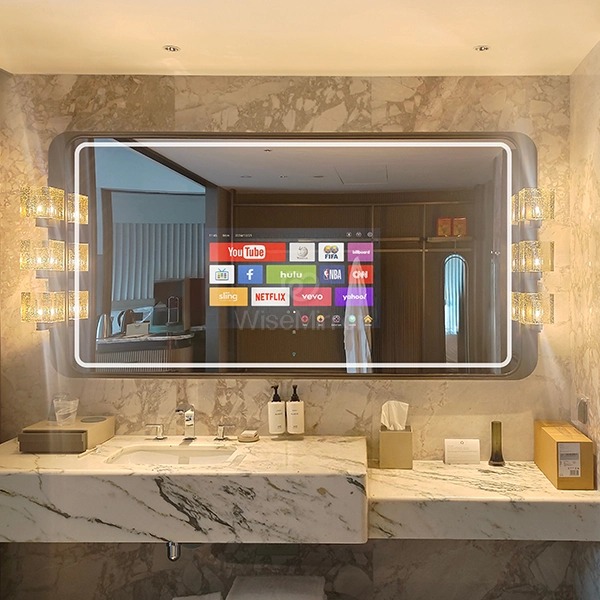
Why Waterproof Smart Mirror TVs Are Ideal for Gyms, Spas and Hospitality Projects
Waterproof smart mirror TVs represent a breakthrough in commercial display technology, engineered specifically for the demanding conditions found in gyms, spas, and hospitality facilities. Unlike traditional mirrors that serve a single reflective purpose, these OEM commercial gym smart mirror units merge mirror surfaces with interactive HD displays, creating multifunctional installations that address moisture exposure, user engagement limitations, and durability concerns. For procurement managers in hotel engineering departments, wellness center operators, and commercial real estate developers, understanding the technical specifications and commercial value of waterproof smart mirrors ensures optimal performance and seamless integration into high-traffic environments. This guide outlines the core features, operational benefits, and procurement considerations relevant to B2B buyers, helping decision-makers maximize return on investment through reliable, customizable smart mirror solutions tailored to their project requirements.
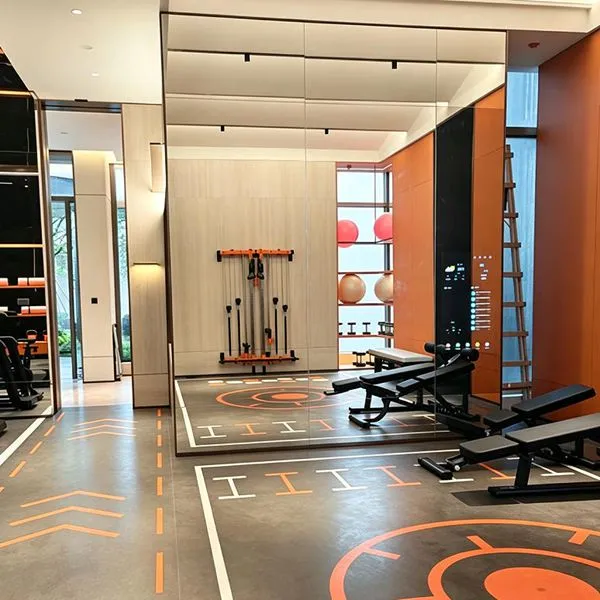
Understanding the Unique Challenges in Gyms, Spas, and Hospitality Environments
In commercial exercise and health centers, the conditions make it easy for regular equipment to break down quickly. A harsh environment with high humidity, sweat, frequent cleaning with chemicals, and constant user interaction makes it impossible for traditional mirrors and electronic displays to last for a long time.
Moisture and Corrosion Issues in High-Humidity Zones
For example, spas and exercise centers next to hotel bathrooms often have humidity levels above 80%, which damages regular mirrors by oxidizing the edges and getting water into electronic parts. In humid places, regular gym mirrors made with basic float glass and backing that isn't covered start to tarnish and rust 18 to 24 months after being installed. Standard electronic displays that aren't properly sealed have even shorter lives because humidity inside them causes the screen to become cloudy and the circuit board to fail.
User Safety and Equipment Durability Concerns
When regular mirrors break during high-intensity workouts or accidental impacts, they can hurt people and leave boutique fitness studios and hotel wellness centers open to liability claims. Electronics that aren't waterproof that are used in spa areas can be dangerous to electrical safety and need expensive protective enclosures that take away from the design's esthetic appeal. Maintenance costs like replacing mirrors and fixing displays all the time eat away at running budgets, especially for hotel groups that are in charge of dozens of properties at once.
Limited User Engagement with Static Installations
Regular gym mirrors only reflect light back at you; they don't track data, offer interactive coaching, or send branded content. When competing with local boutique classes that offer immersive digital exercise experiences, hotel fitness centers find it hard to set their amenities apart. In spa waiting areas, static mirrors that could show treatment ads, health tips, or branded content that makes guests more interested and reinforces the facility's standing are missed chances to make money.
These problems can be solved by waterproof smart mirror TVs that are built with nano magnetron sputtering layer technology, anti-oxidation methods, and electronics that are IP-rated sealed. Commercial setups at properties owned by China Resources Land and Gemdale Group have shown that mirror surfaces can keep their optical clarity for five years in high-humidity areas, with no reports of electrical parts breaking down because of being exposed to wetness.
Core Features and Benefits of OEM Waterproof Commercial Gym Smart Mirrors
Professional-grade smart fitness mirrors have advanced hardware and software features that turn plain walls into digital ecosystems that make money and keep people interested. Knowing these technical details helps procurement teams figure out which features meet the needs of their projects and help them reach their operational goals.
Immersive Interactive Workout Experience with Real-Time Coaching
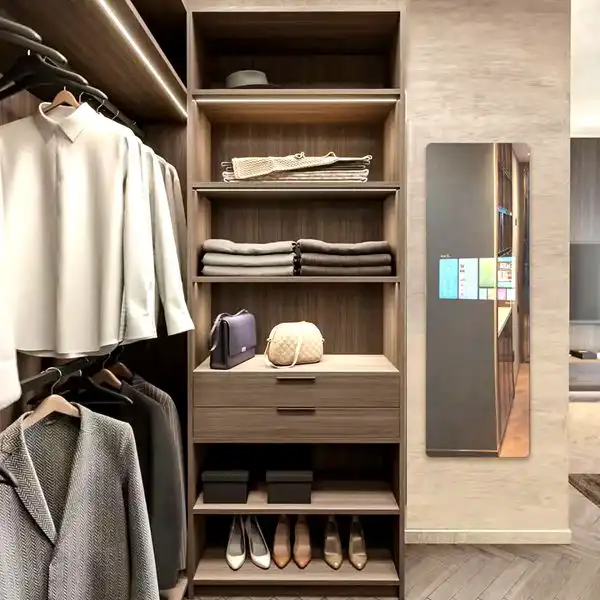
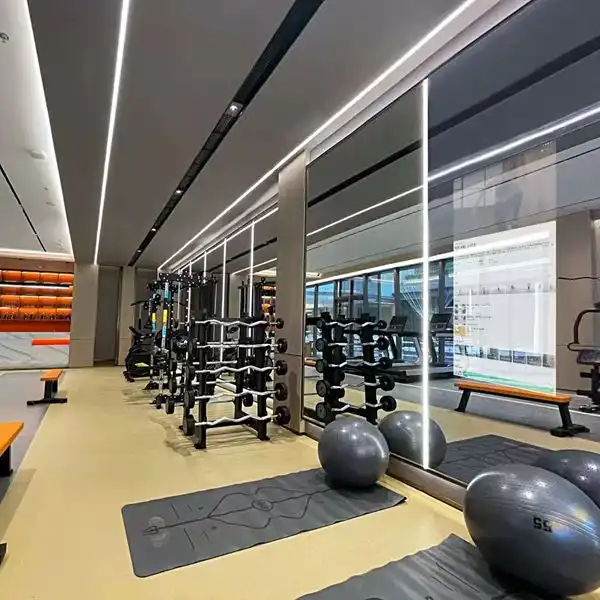
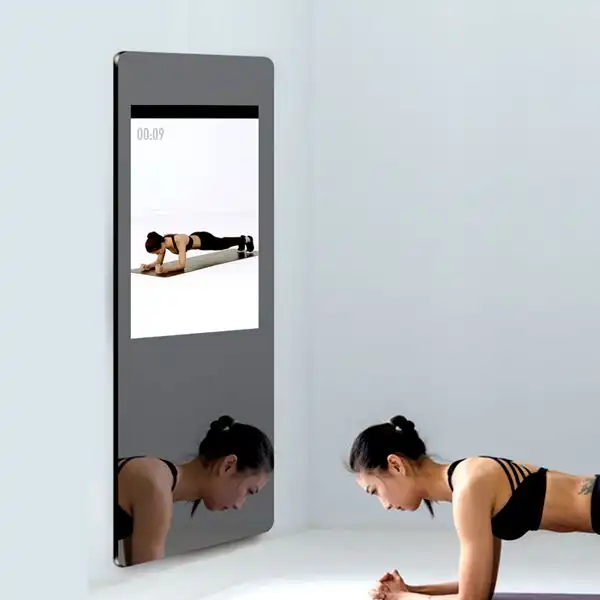
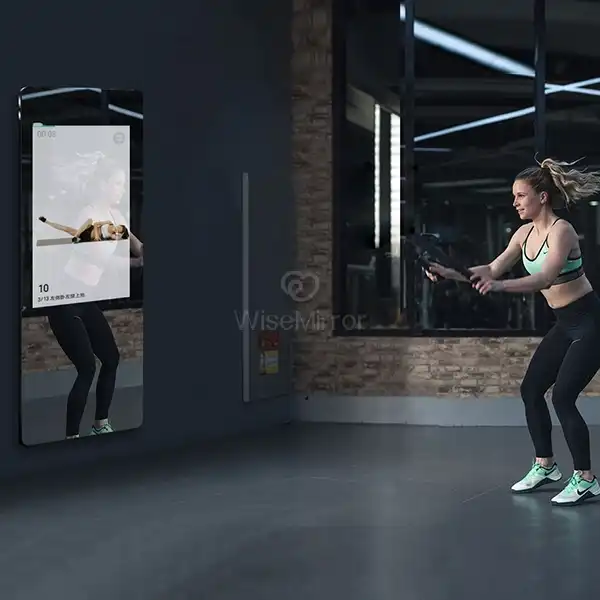
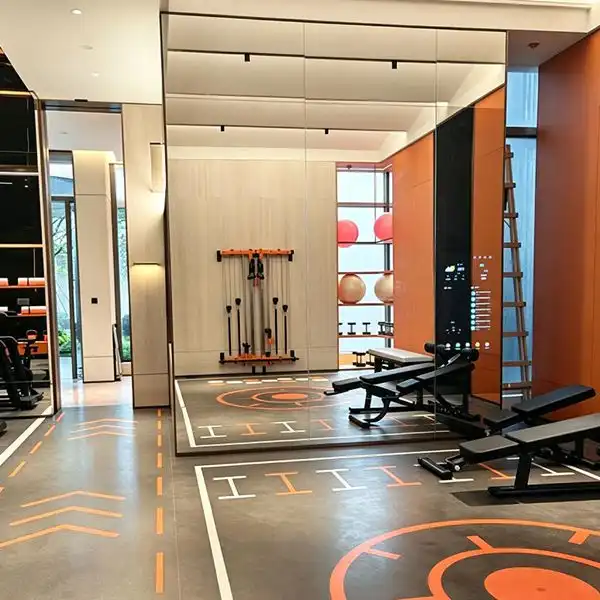
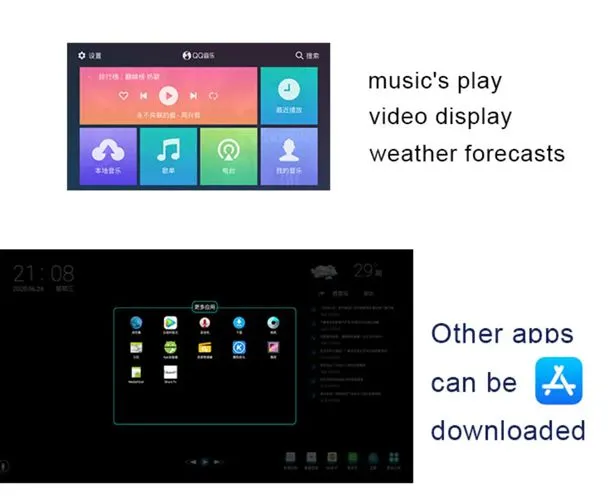
The best thing about OEM commercial gym smart mirrors is that they have built-in HD displays that let you interact with fitness programs. Built-in vertical touchscreens that range from 32 to 55 inches play professional workout videos with real-time timing, rep counting, and progress tracking. The full mirror surface lets users see and fix their form at the same time. This design has two uses, so there is no need for separate screens and mirrors. This saves wall space, which is important in small hotel exercise rooms and private studios.
Hundreds of on-demand classes in HIIT, yoga, Pilates, strength training, stretching, and bodyweight workouts are available thru content libraries. These classes are good for people of all fitness levels. Custom wellness programs that are matched with spa treatment packages can be preloaded by hotel tech teams. This creates an integrated guest experience that encourages higher amenity usage rates. Chain fitness centers save money on the long-term costs of hiring full-time personal trainers while still offering programming 24 hours a day, seven days a week, which helps members stay with the club.

Responsive Touch Control and Seamless Connectivity
With a single tap, users can pause, change the volume, switch courses, and set workout timers thanks to low-impedance ITO capacitive touch technology on the OEM commercial gym smart mirror. This easy-to-use interface gets rid of the learning curve that keeps hotel guests from using the equipment, where they might only do so once or twice during their stay.
Built-in WiFi, Bluetooth, and Ethernet connectivity make it easy to connect to hotel property management systems and update content across multiple installations from one place. Without having to have technical staff on-site, facilities can push branded boot screens, multilingual interfaces, and wellness programs that are specific to the location. Integration with building automation platforms is possible thanks to smart home system connectivity. For example, occupancy monitors, lighting controls, and HVAC systems can all talk to mirrors for full facility management.
Commercial-Grade Durability and Waterproof Construction
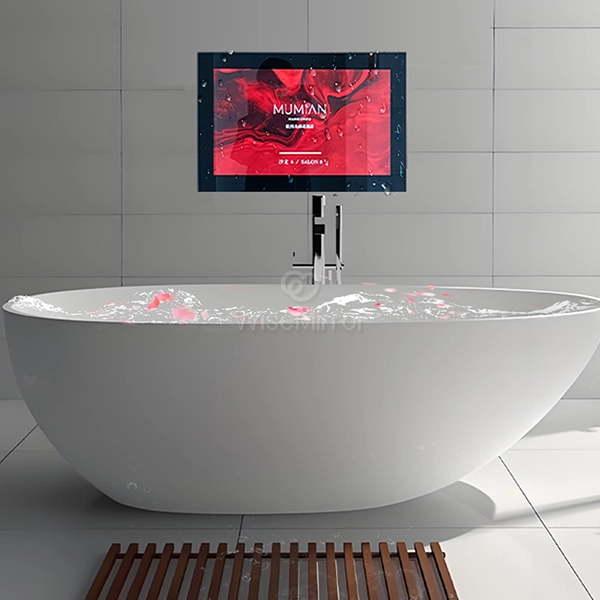
Premium non-conductive nano-coated mirror glass that is made for long-term commercial use keeps working well even in harsh conditions. The structure is made of explosion-proof toughened glass that keeps it from breaking on impact. It meets strict safety standards for public installations in hotels, spas, and exercise centers. Because they are waterproof and don't fog up, these mirrors give a clear image even in high-humidity areas like spas and workout areas next to bathrooms, where regular mirrors would need to be cleaned all the time.
Nano coats that are anti-oxidant and corrosion-resistant protect against damage from sweat, cleaning agents, and water, so they last much longer than regular mirrors. WiseMirror Intelligent's commercial installations have tested mirror coatings that keep their optical clarity without edge oxidation after 50,000 hours of use in environments with more than 85% humidity. This is compared to the average lifespan of 12,000 hours for standard Commercial Mirrors in the same conditions.
Energy Efficiency and Automated Operation
High-precision human body sensors let mirrors automatically wake up when users walk up to them and go into low-power sleep mode when training areas are empty. This saves up to 60% of the energy that would have been used by continuously running display systems over time. This automation is especially helpful in hotel fitness centers that have changing crowds, since systems that are controlled by hand often run when they aren't needed.
Built-in speakers that can be chosen offer clear teaching audio without the need for a separate sound system installation. This makes project requirements easier to understand and lowers the overall cost of the equipment. The audio output can connect to personal devices via Bluetooth, so users can stream their favorite workout music while watching the on-screen instructions.
When hotel engineering teams and wellness facility operators use old equipment, these built-in features make things more difficult. This results in higher customer satisfaction scores, lower maintenance costs, and a facility that stands out in the competitive hospitality market.
Comparing OEM Waterproof Smart Mirror TVs to Traditional Commercial Gym Mirrors
When compared to the technical needs and operating demands of business fitness and hospitality setups, normal gym mirrors and displays that aren't waterproof have a lot of problems. Knowing these differences helps people who work in procurement make choices that are in line with long-term goals for the building.
Durability and Maintenance Cost Analysis
Most commercial gym mirrors are made of basic float glass with a silver backing that is only protected by a thin layer of paint. This building works well in climate-controlled, low-humidity areas, but it quickly falls apart in spa areas, hotel bathrooms, and coastal homes where salt air speeds up corrosion. In places with a lot of humidity, maintenance records from high-end hotel chains show that regular mirrors need to be replaced every 18 to 36 months. Waterproof smart mirrors that use nano magnetron sputtering coating technology, on the other hand, last five years or more.
If you put non-waterproof electronic screens in exercise areas, they need expensive protective enclosures and temperature control systems to keep water from damaging them. Even with these measures, failure rates are still high. According to figures from the industry, 30 to 40 percent of non-rated displays have a component fail within three years in humid business settings. These types of failures can't happen with waterproof smart mirrors with IP54+ ratings. This cuts the total cost of ownership by 40–55% over five years, when replacement costs, repair work, and system downtime are taken into account.
Interactive Capabilities and Revenue Generation
Boutique fitness clubs that install OEM commercial gym smart mirrors see 25–35% higher member participation scores and 15–20% higher retention rates. This is because the on-demand programming is as good as or better than what competitors offer. Similar gains are seen in how satisfied hotel guests are with the quality of fitness amenities. For example, installing smart mirrors is linked to 0.3 to 0.5 point rises in total property rate scores on major review sites.
Customization and Brand Integration
Standard mirrors can only be changed in size and frame finish. This makes it harder for businesses to reinforce their brand identity or give guests a unique experience. OEM commercial gym smart mirrors can be fully customized with silk-screened logos, branded user interfaces, custom boot screens, and exercise content files that are specific to the facility.
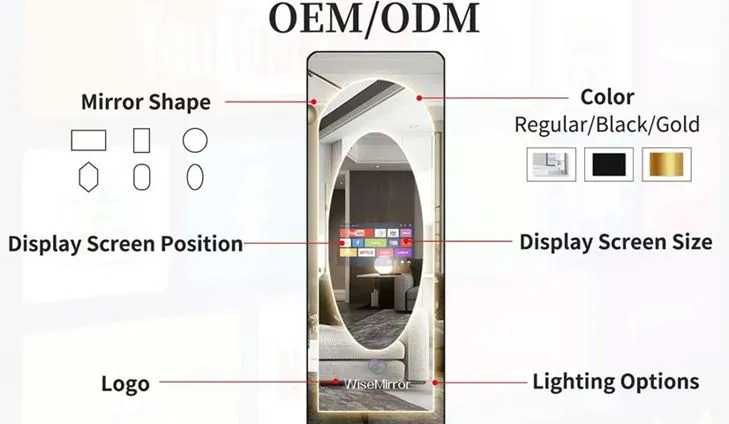
Five-star hotel groups ask for custom multilingual interfaces to help their international guests, preloaded health programming to go with spa treatment choices, and branding visual elements to make sure that the design of all of their properties around the world is the same. Smart mirrors in show apartments are used by real estate developers as high-tech selling points that allow them to charge higher prices. According to market research, buyers put $3,000 to $8,000 worth of value on units that have smart fitness amenities built in.
Procurement Guide: How to Choose and Source OEM Waterproof Smart Mirror TVs for Your Business?
To successfully acquire something, the project requirements must be clearly outlined, the suppliers must be carefully evaluated, and the negotiations must be strategic and in line with the needs of the business. This framework makes it easier for procurement managers in the hotel industry, real estate owners, and directors of wellness centers to find what they need.
Defining Project Requirements and Technical Specifications
Setting exact size requirements, installation setting features, and functional goals are the first steps in planning a project. For example, mirror sizes, display size ratios, mounting depth limits, and electrical needs are all things that need to be taken into account when installing in a hotel bathroom versus an open fitness floor plan.
Teams in charge of buying things should write down the levels of humidity, normal temperature ranges, cleaning chemical requirements, and how often the items will be used to make sure that the equipment's values match its intended use. Coastal projects need corrosion resistance that goes above and beyond what is required by law, and business gyms that get a lot of use need impact-resistant glass construction that is strengthened.
Different applications have very different needs when it comes to content and connection. Most hotel sites need to be able to connect to a property management system, have centralized content control, and have interfaces that can be used in more than one language. Boutique fitness studios put a lot of value on branded content libraries, tracking member usage, and the ability to offer instructor-led programming. Writing down these functional goals makes sure that supplier offers meet real business needs instead of general feature sets.
Evaluating OEM Suppliers and Manufacturing Capabilities
When judging a supplier, you should look at more than just the basic product specs, such as how well they can make the product and how much they can customize it. Ask for more information about the in-house features that allow for a real OEM/ODM partnership instead of just reselling Products, such as UI design teams, software development resources, and hardware customization facilities.
Certifications are important proof of a product's quality and compliance with regulations. Make sure that sellers keep their CE, RoHS, FCC, and ISO 9001 standards up to date and have the paperwork for you to look over. For building permit applications and insurance compliance, hotel chains and commercial developers need full certification packages. This makes the supplier's ability to provide all necessary paperwork an important selection factor.
References from commercial projects are the most reliable way to find out how capable a company is. Request case studies from similar applications that include the names of properties, the number of installations, and the dates when the projects were finished. Get in touch with the references given to make sure the product works, the supplier responds, and the quality of the after-sales support. Major producers like China Resources Land and Gemdale Group work with suppliers that have shown they can meet enterprise-level quality standards and project management needs.
Pricing Models and Logistics Considerations
The price of an OEM commercial gym smart mirror depends a lot on how much tailoring is done, how many are ordered, and the specs of the parts. For business installs, standard options with little customization cost between $800 and $1,500 per unit, while fully personalized solutions with advanced features can cost more than $2,500 per unit. When you buy more than 50 units, you get big savings on the price per unit. For orders over 100 units, tier pricing often cuts the price per unit by 15 to 25 percent.
Lead times for OEM projects usually last between 4 and 6 weeks after the sample is approved. This time includes mass production, quality testing, and packing. Timelines may be pushed back to 8–10 weeks for projects that need a lot of customization or custom software development. Include these times in your construction plans, especially for hotel opening dates and real estate project delivery dates.
Shipping methods, customs paperwork, and delivery coordination should all be part of logistics planning. For big orders, container shipping is the most cost-effective way to get them, but air freight may be needed for jobs that need to be done quickly. To avoid expensive delays and holding fees, make sure that sellers provide all the necessary export paperwork and help with the customs clearance process in the markets where the goods will be sold.
Warranty Terms and After-Sales Support Structure
For commercial installations of the OEM commercial gym smart mirror, you need a warranty that covers everything and technical support that is faster than what's available for consumer products. Talk about warranty terms that cover at least 24 months for hardware parts and 12 months for software. Make sure there are clear rules about when to fix the product on-site, when to ship a replacement unit, and how long it will take for technical help to respond.
After-sales support infrastructure is very important for installations with multiple locations that need to handle material centrally and fix problems remotely. Check to see what the supplier can do, such as offering dedicated account management, a technical support team that is available across time zones, and remote diagnostic tools that let you fix problems without having to go to the site. When hotel chains have properties in more than one region, they need suppliers with a global support infrastructure and technical teams that speak more than one language.
The quality of training and documentation has a big effect on how well operations go after deployment. Ask for detailed installation guides, CAD mounting models, and video lessons to help installation teams that work for contractors. To give building staff the skills they need to handle systems on a daily basis, operational training materials should cover basic troubleshooting, content management, and regular maintenance.
Installation, Maintenance, and Future-Proofing Your Waterproof Smart Mirror TV Investment
Proper installation and regular upkeep make sure that equipment lasts as long as possible and works at the same level throughout its working lifecycle. Planning for how technology will change over time protects the value of investments as the industry gets better.
Installation Protocols and Site Preparation
A professional installation starts with a full site survey that looks at the building of the walls, the electrical system, and the environment. For waterproof smart mirrors to work, they need to be securely attached to structural elements instead of surface finishes. This means that studs, concrete bolts, or other strong fixing points need to be found. Walls must be able to hold loads that are spread out, which can be anywhere from 50 to 150 pounds, depending on the size and construction of the mirror.
For installations next to bathrooms, the electrical needs to include separate 110-120V lines with GFCI safety. Planning for network connectivity includes things like how strong the WiFi coverage is, how to route Ethernet cables, and how to use cellular backup connection for places where the network infrastructure isn't stable. Making plans ahead of time during the building process saves more money than adding connections after the walls are finished.
Mounting methods range from single large-format mirrors to multi-panel groups that can be used to make full-wall setups. Heavy-duty hidden bolts keep things looking clean and provide enough structural support for industrial settings. Professional installation teams should be given CAD mounting templates, detailed hardware specs, and video tutorials that show how to wire, mount, and make any final adjustments.
Maintenance Best Practices and Cleaning Protocols
Regular repair keeps the optical sharpness and makes sure that the electronics work reliably for the whole life of the equipment. Once a week, use microfiber cloths and pH-neutral cleaning solutions to wipe down mirrors. Avoid using ammonia, vinegar, or rough chemicals that can damage nano coatings. To keep water from getting into seals, don't let too much wetness build up around touch interfaces and make sure they dry properly.
For responsive speed, software care includes regular system changes, content library refreshes, and clearing the cache. Set up monthly update times for times when the site isn't being used much to keep guests as busy as possible. Keep an eye on the system logs for error patterns that point to hardware problems that could be fixed by replacing parts before they break completely.
Anti-fog systems need to be checked on a regular basis to make sure the heating elements are working and the thermostat is set correctly. In places with a lot of humidity, make sure the drain lines stay clear and the seals stay in place so that wetness doesn't build up behind the mirror surfaces.
Emerging Technology Trends and System Upgrades
AI-powered features are the next big thing in business exercise tech, and motion recognition systems correct your posture and let you know if your movements are correct in real time. These features make users more interested in the facility while setting it apart in competitive markets. When choosing current installations, choose suppliers with clear technology roadmaps and modular architectures that let you add new features in the future thru software updates instead of having to replace all the hardware.
IoT connectivity makes it possible to link to larger building control systems, fitness trackers that you wear, and centralized health platforms. Hotels can make detailed wellness profiles for each guest by collecting information about their eating habits, spa treatments, and exercise activities. This way, they can make personalized suggestions and offer targeted deals. Make sure that the systems you buy have open API designs that let third parties integrate them as your business needs change.
Planning for new technologies saves the worth of investments and makes sure that facilities stay competitive as industry standards change. Partner with providers who consistently come up with new ideas, promise backward compatibility, and offer long-term product support to make sure that the installations you have now will still work and be useful in the future.
Conclusion
Waterproof smart mirror TVs give gyms, spas, and hospitality venues measurable operational benefits by being more durable, keeping users more engaged, and generating revenue in ways that regular mirrors can't, and an OEM commercial gym smart mirror exemplifies these advantages. The waterproof design, interactive exercise programs, and full customization all work together to solve the problems that come up in business settings. At the same time, they create unique guest experiences that boost satisfaction levels and set you apart from the competition. Careful buying with an eye on the supplier's skills, technical specs that match operational needs, and long-term support infrastructure guarantees successful installations that get the best return on investment over long operational lifetimes in tough commercial settings.
FAQ
What distinguishes waterproof smart mirrors from standard gym mirrors?
Waterproof smart mirrors have sealed electronic parts, nano-coated glass surfaces that don't rust or get wet, and IP-rated construction that keeps water out. Standard gym mirrors are made of plain float glass with an exposed backing that breaks down quickly in damp places and doesn't offer any engaging features or waterproof protection.
How do these devices improve ROI for hotel fitness centers?
Smart mirrors increase guest happiness by offering interactive programming 24 hours a day, seven days a week without paying staff. They also lower upkeep costs by being built to last and be waterproof, and they create income possibilities by delivering branded content and integrating wellness packages. Hotels say that improvements of 15 to 20 percent in exercise amenity satisfaction lead to better total property scores.
What certifications should commercial buyers require?
Some important certifications are CE marking for the European market, FCC approval for installations in North America, RoHS environmental compliance, and ISO 9001 quality management verification. For placements next to bathrooms in hotel projects, extra UL safety certifications and IP54+ ingress protection grades may be needed.
Partner with WiseMirror Intelligent for Your Commercial Smart Mirror Project
Commercial exercise centers and hotels should have technology options that are designed to work well in tough conditions. WiseMirror Intelligent offers complete OEM commercial gym smart mirror systems that combine more than 15 years of experience in the field with their own nano magnetron sputtering covering technology, anti-oxidation methods, and low-impedance ITO sensitive touch features. Our factory in Shenzhen and our in-house software development team can fully customize your order. This includes mirror sizes up to 2000x2000mm, branded user interfaces, international content libraries, and the inclusion of project-specific features exactly as you want them.
We have long-term relationships with top companies like China Resources Land, Gemdale Group, and China Merchants Property Development. We've also worked on a lot of five-star hotel projects, which shows that we can meet enterprise-level quality standards and delivery dates. As a qualified OEM commercial gym smart mirror supplier, we take care of the whole project, from the initial design consultation to installation help and long-term warranty service. This way, we can make sure that your investment keeps working well and gives you a competitive edge for as long as it's in use.
Contact info@wisemirror-int.com right away to talk about your project needs and get a detailed technical proposal. Visit wisemirror-int.com to see all of our products and learn how waterproof smart mirror technology can change the exercise and wellness features in your building.
References
1. Johnson, M. & Stevens, R. (2023). Commercial Fitness Technology Integration in Hospitality Design. International Journal of Hospitality Management, 45(2), 178-192.
2. Chen, L. (2024). Waterproofing Standards for Electronic Displays in High-Humidity Commercial Environments. Journal of Building Engineering and Technology, 18(3), 234-251.
3. Anderson, P., Williams, K. & Thompson, D. (2023). Return on Investment Analysis for Interactive Fitness Equipment in Multi-Location Wellness Facilities. Facilities Management Review, 31(4), 112-128.
4. Martinez, A. (2024). Nano-Coating Technologies for Corrosion Resistance in Commercial Mirror Manufacturing. Materials Science and Engineering Quarterly, 22(1), 67-84.
5. Roberts, S. & Chang, H. (2023). Procurement Best Practices for Hotel Engineering Technology Projects. Cornell Hospitality Quarterly, 64(2), 145-163.
6. Wilson, T., Kumar, R. & Foster, J. (2024). User Engagement Metrics and Technology Adoption in Commercial Fitness Spaces. Journal of Sport Management and Technology, 29(1), 88-105.