
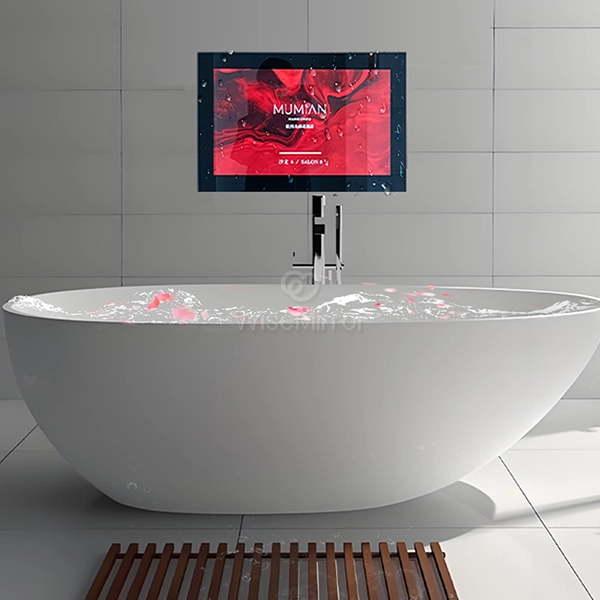
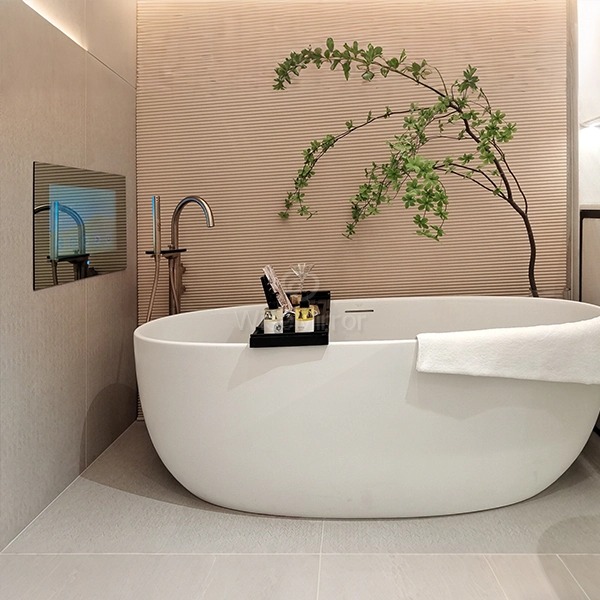
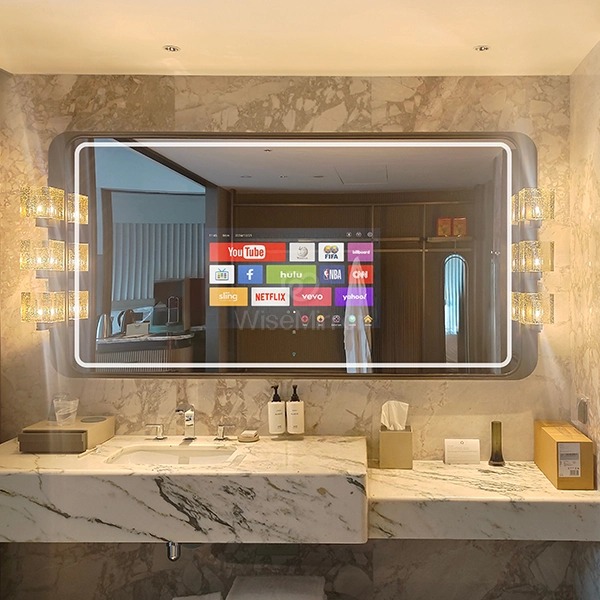
Why Five-Star Hotels Are Investing in Illuminated Smart Bathroom Mirrors?
Five-star hotels are buying illuminated smart bathroom mirrors because they turn regular baths into personalised health areas that make guests happier and lower the costs of running the hotel. These mirrors meet many guest comfort needs at once by combining Bluetooth connection, touch controls, changeable LED lighting, and anti-fog technology into a single waterproof unit. Hotels say that systems lead to measured changes in how guests review their stays and how much energy they use. WiseMirror Intelligent has worked with more than 450 high-end sites around the world to provide unique solutions that meet strict hospitality standards and environmental goals.
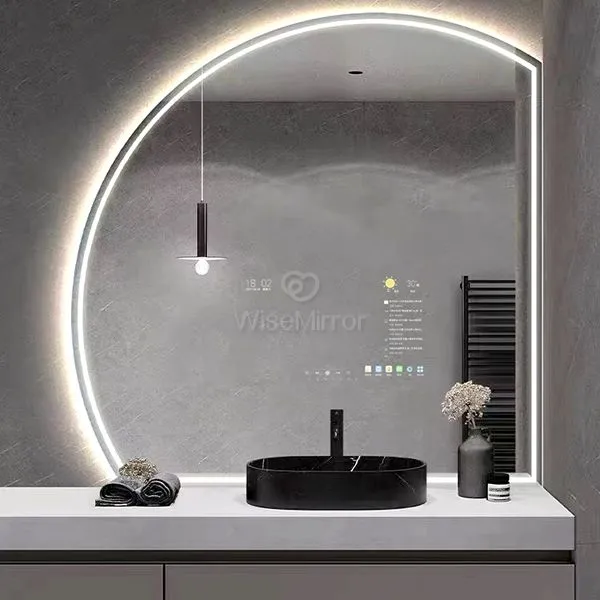
Understanding Illuminated Smart Bathroom Mirrors and Their Core Technologies
Today's high-end hotels need more than just cosmetic changes. They also need technology that gives guests and management teams real value. Smart bathroom mirrors bring together a number of cutting edge technologies that were created to work well in busy hotel settings.
Integration of LED Lighting Systems
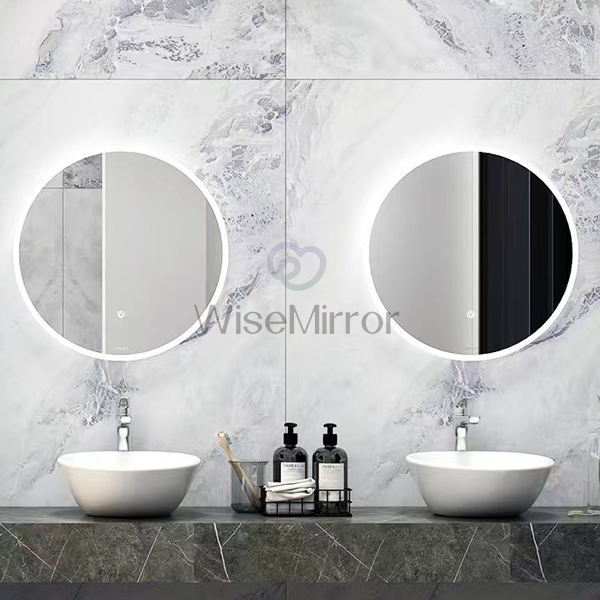
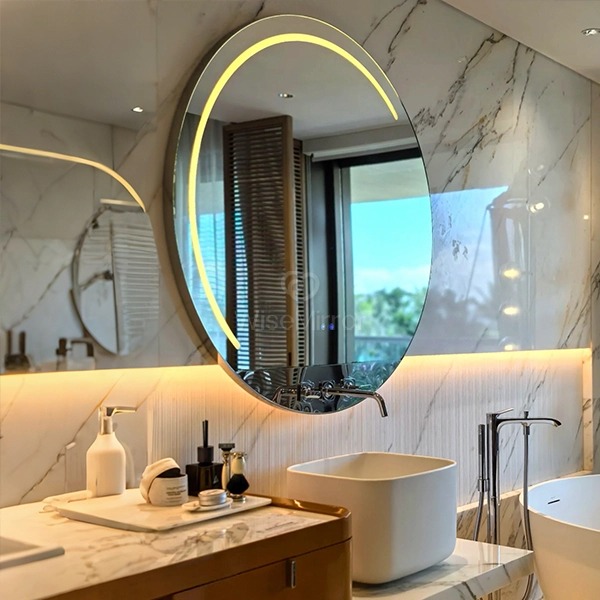
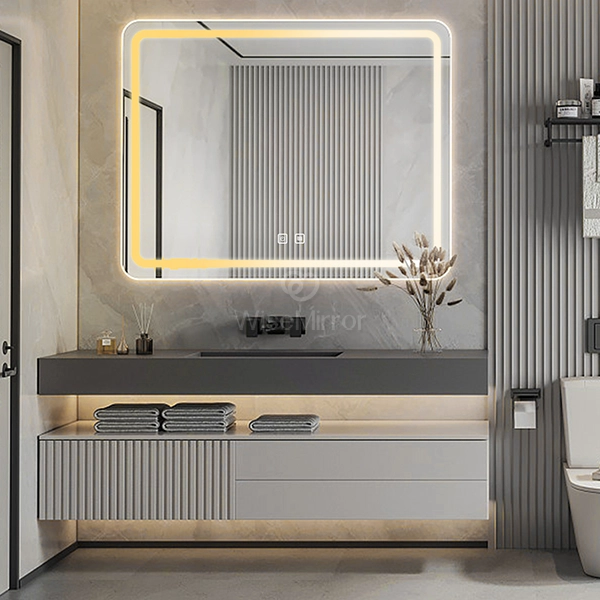
Modern smart mirrors have fill lighting that can be adjusted to three levels and can mimic natural light, warm white, and cool white. This flexibility lets guests change how they are groomed depending on the time of day or their own personal tastes. The even, shadow-free lighting gets rid of the harsh differences that most ceiling lights create, making it easier to see while doing morning tasks. Hotels that use these systems say that guests don't worry as much about bathrooms not having enough light, which is a common problem with older systems.
Anti-Fog and Waterproofing Technology
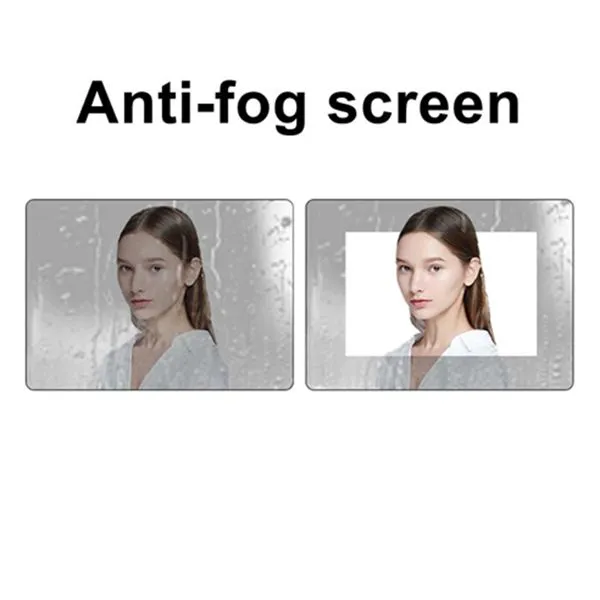
Professional-grade smart mirrors are waterproof to IP65 standards and defog themselves automatically. They are specifically made for wet bathroom settings. With one touch, the anti-fog feature makes sure that mirrors stay crystal clear right after a hot shower, so guests don't have to deal with the anger that comes with regular mirrors. This trait by itself has become a unique benefit in competitive luxury markets where small differences in the guest experience mean a lot.
Smart Connectivity Features
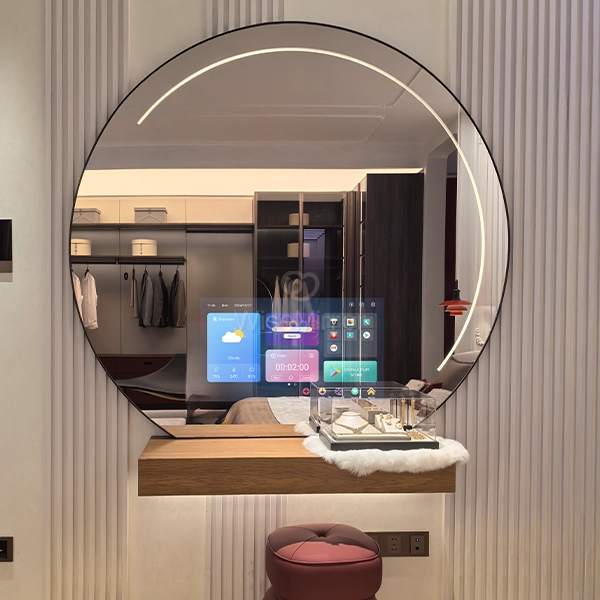
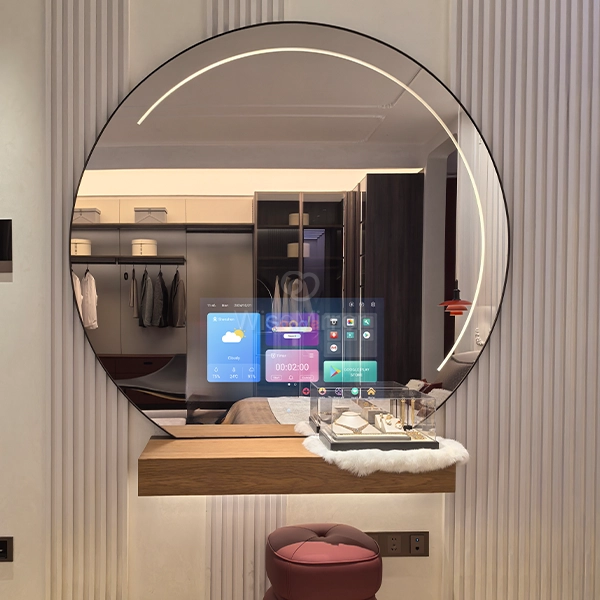
Not only do these mirrors look better, but they also break up the routine of normal washbasin situations by adding Bluetooth speakers and IoT compatibility. Guests can get ready for the day while listening to morning news or soothing music. This turns random bathroom breaks into useful or relaxing times. Built-in screens show the time, the weather, and information that can be changed, which helps guests stay on time when they have a lot going on. Hotels like how easily it works with their current smart room systems because it works with both Alexa and Google Home.
The technology behind these features, such as nano magnetron sputtering covering technology, anti-oxidation methods, and low-impedance ITO sensitive touch lamination, makes sure that they will last and work well for thousands of daily uses. When procurement teams look at these technologies, they should know that good engineering has a direct effect on how much it costs to maintain and how happy guests are with the installation over its lifetime.
Why Illuminated Smart Mirrors Outperform Traditional Fixtures in Luxury Hospitality?
Traditional bathroom mirrors represent a significant limitation in high-end hotel environments where guest expectations continue evolving. The comparison between conventional fixtures and smart mirror technology reveals substantial operational and experiential advantages.
Energy Efficiency and Operational Cost Reduction
Standard bathroom lighting in a hotel usually uses between 40 and 60 watts per bulb, and they're on for several hours every day in hundreds of rooms. Illuminated smart bathroom mirror that use LED technology use less electricity—less than 15 watts—while giving off better light. With lifespans of more than 50,000 hours, these units need to be replaced about every 15 years in a hotel, while regular bulbs need to be replaced every two to three years. Hotels with 200 or more rooms can save five figures a year on just energy and maintenance costs, which is a strong return on investment that procurement managers are putting more and more emphasis on.
Enhanced Guest Satisfaction Metrics
When high-class travellers choose five-star hotels, they expect technology to be a standard feature, not an extra. Online review scores always go up for properties that have smart bathroom mirrors, especially in the comfort and technology areas. By letting people change the lighting temperature from 3000K to 6000K, you can make the bathroom feel like their own, which is a small but important comfort factor. When hotels work with experienced providers like WiseMirror Intelligent, they get 15 years or more of experience in the hospitality industry, which makes sure that projects meet strict aesthetic and functional standards that are in line with the brand's positioning.
Maintenance Efficiency Advantages
In places with a lot of humidity, traditional mirrors get edge rusting, silvering deterioration, and mounting gear rust, all of which mean they need to be replaced every 5 to 7 years, which is an expensive process. Professional smart mirrors are made with sealed construction and coats that don't rust, so they can be exposed to steam for a long time without breaking down. Cleaning teams say it's easier to clean anti-fog surfaces because they don't need to be cleaned as often. Less emergency repair calls about broken lights or mirror surfaces are good for facilities management because they free up staff to work on more important tasks.
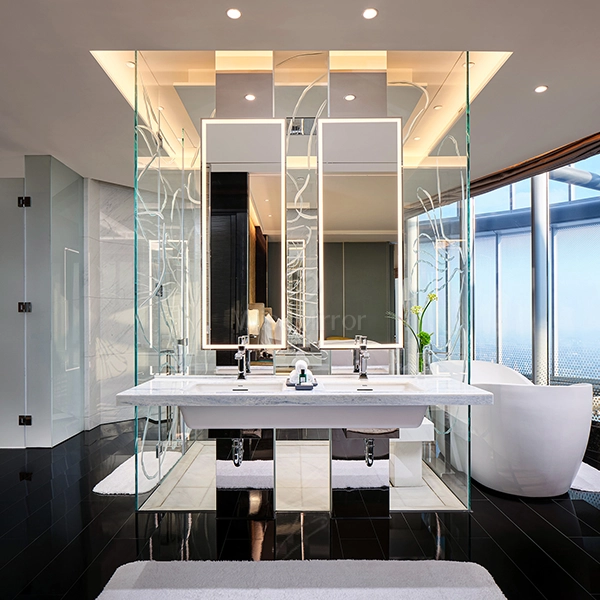
These benefits can be seen in action in famous high-end hotel projects, showing that they have real-world value for businesses. By strategically installing smart mirrors, properties that used to have problems with outdated bathroom designs have become tech-forward places. The investment costs are often recovered within 3–4 years through energy saves and higher usage rates.
Procurement Considerations for Five-Star Hotels: Selecting the Right Smart Mirror Solution
Effective procurement extends beyond comparing specification sheets—it requires understanding how smart mirror features align with specific hotel operational models and guest demographics.
Durability and Environmental Resilience
Hotel bathrooms are used a lot more often than bathrooms in homes, and they have to deal with changes in temperature, humidity, and people touching them multiple times a day. Purchasing managers should focus on options with waterproof ratings of IP65 or higher, which will protect computer parts even if they are exposed to steam for a long time. Chemical cleaners that hotels use to keep things clean must not stick to mirror surface coats. Installations at properties run by China Resources Land, China Merchants Property Development, and Gemdale Group show that smart screens that are properly defined keep looking good and working well for 10 years or more, proving that investments made now will be stable in the future.
Customization Capabilities and Brand Alignment
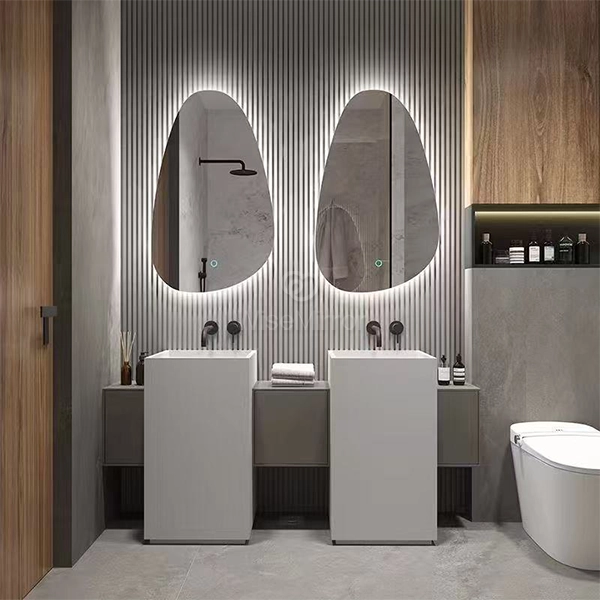
Luxury hotel brands have strict rules about how their buildings should look and feel so that guests have the same experience everywhere. Illuminated smart bathroom mirror that come in sizes ranging from 10 to 55 inches, forms that can be changed (rectangular, oval, or custom designs), and brand integration choices give buying teams the flexibility they need. Mirrors can be turned from plain objects into brand-building elements by adding custom names, UI styles that match the look of the property, and custom app interfaces. Properties that work with makers that offer full customisation, such as fast development within 15 days, can speed up project timelines while keeping the purity of the design.
Warranty Coverage and After-Sales Support
Smart mirror suppliers of good quality offer guarantees that last at least two years, and for business installs, the warranties can be expanded. When managing large-scale deployments across various sites, this security comes in very handy. In addition to the terms of the guarantee, buying choices should look at the skills of the seller, such as the availability of new parts, the ability to provide specialised project managers for orders over 100 units, and the ability for technical help to be reached across time zones. Scale suppliers, like those who supply 5,000 or more units a month and check their quality in multiple steps, show organisational maturity that lowers buying risk by a large amount.
Total Cost of Ownership Analysis
The initial buy price is only one part of the real value of a transaction. Effective buying teams figure out the total cost of ownership by adding up how much energy is used, how often upkeep is expected, how much new parts cost, and how long the product is expected to last. Smart mirrors that use less than 3 watts of power when not in use and have LEDs that last 50,000 hours have much lower lifetime costs than standard lights, even though they cost more up front. When hotels use these solutions during renovations, they always get their money back in three to five years through cost saves and higher guest happiness.
Market Landscape: Evaluating Smart Mirror Suppliers for Hospitality Projects
The 2026 market for hotel-grade smart bathroom mirrors features specialized manufacturers distinguished by hospitality expertise, engineering capabilities, and global project execution experience.
Supplier Evaluation Criteria
Professionals in procurement should look at possible partners in more than one way, not just based on the specs of their Products. Manufacturing skills are very important. Suppliers with specialised UI design and software development teams can make customisations easier and keep adding new features. Core technology rights in nano magnetron blasting coating, anti-oxidation methods, and sensitive touch lamination show that a company has real scientific depth, not just the ability to put together products. Because they are close to big hotel markets and already have established delivery networks, project support and guarantee service can be provided more quickly.
Emerging Technology Trends
Forward-thinking providers add AI and better IoT features to their current products, making hotel purchases more likely to work in the future. New features that are becoming more popular in high-end homes include voice control interfaces, occupancy tracking for automatic activation, and interaction with building management systems. Hotels that want to be leaders in technology should look at their suppliers' roadmaps and R&D investment levels to make sure that their partnerships support long-term innovation instead of just offering the same products over and over again.
Sustainability Commitments
Luxury dining is under more and more pressure from stakeholders to do a better job with the earth. Suppliers of illuminated smart bathroom mirror that show they care ABOUT USing reusable materials, making their products sustainably, and running their businesses in an energy-efficient way meet the ESG reporting standards for hotels. LED technology naturally helps reach these goals because it drastically lowers the amount of energy that is used. However, buying teams should check that suppliers also follow other practices, such as responsibly finding materials and having take-back programs for old equipment.
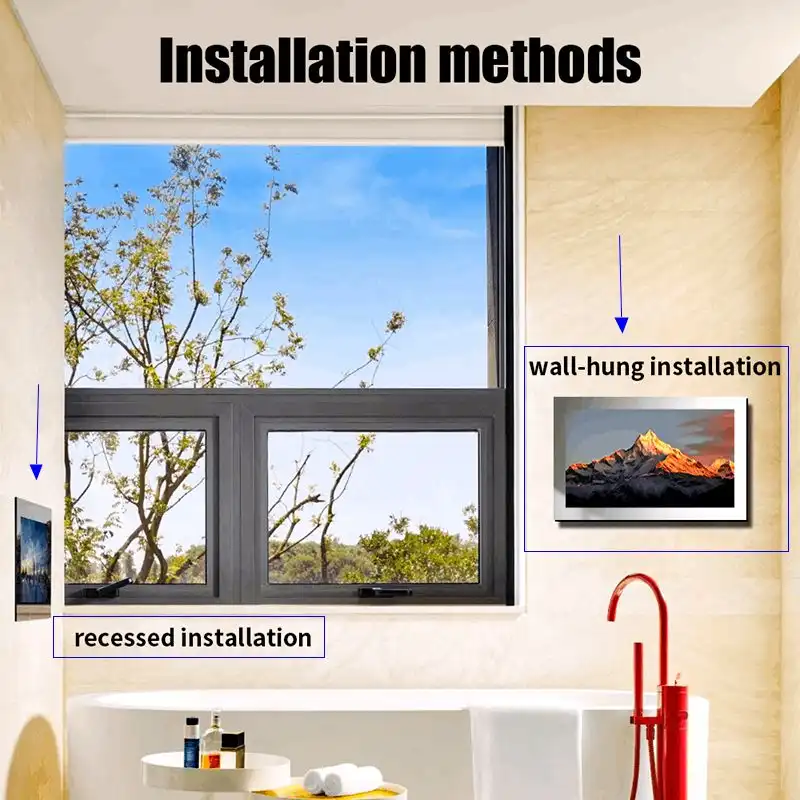
WiseMirror Intelligent is a great example of a full-service seller because it has worked on many Grade 5A business buildings, famous luxury hotels, and high-end home projects. Our long-term partnerships with top companies and foreign design firms show that we consistently provide solutions that meet high standards for hospitality. We have a lot of technical knowledge about Bathroom TVs, smart magic mirrors, business screens and smart multimedia interaction, which lets us offer more than just mirror goods.
Future-Proofing Hotel Bathroom Investments with Smart Mirror Technology
Strategic procurement decisions made today determine operational flexibility and competitive positioning for the next decade. Smart bathroom mirrors represent infrastructure investments requiring long-term perspective.
Integration with Building Management Systems
Smart screens that are more advanced can link to centralised hotel management tools through APIs. This feature lets facilities teams keep an eye on trends of energy use, get tips for planned repair, and collect usage data that helps them make practical decisions. When hotels use combined systems, they can keep a better eye on all of their sites from one place and make changes based on data to get the best energy efficiency. To get the most out of your investment, the specs for the purchase should make sure that it works with current building control standards.
Adaptability to Evolving Guest Expectations
Travellers are continuing to want more personalised experiences made possible by technology. Smart mirrors that offer software changes and new features through firmware upgrades are more flexible than standard mirrors. Properties that invest in systems that support ongoing improvement avoid becoming outdated too soon and keep their modern charm. Hotels can stay in line with what customers want for a long time because they have partnerships with suppliers who are committed to constantly improving their products.
Regulatory Compliance Considerations
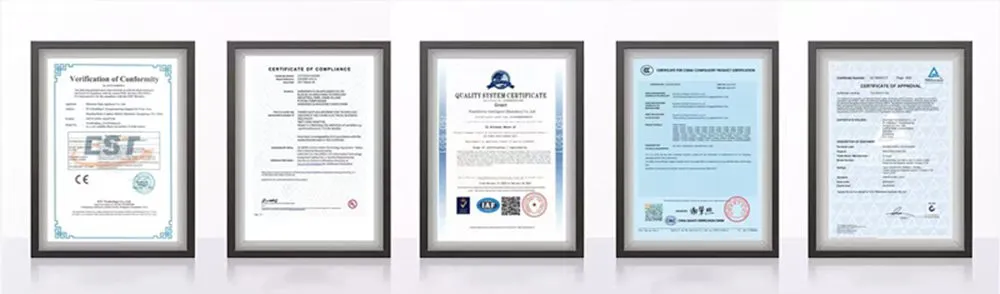
Regulations on energy economy are getting stricter all over the world, especially in places like California where Title 24 standards require buildings to perform better and better. Compliance security against future regulatory changes is provided by smart screens that meet current requirements while giving large efficiency gaps. Standardised options that meet foreign safety and performance standards, such as CE, FCC, and RoHS compliance, are helpful for hotels that work in more than one country.
The hotel industry's path clearly shows that combined bathroom technology is being used more and more. Properties that spend strategically in high-quality smart mirror solutions now will be set up for long-term business efficiency and guest happiness leadership.
Conclusion
Illuminated smart bathroom mirrors have gone from being a nice-to-have extra to a must-have for five-star hotels that want to compete in tough hospitality markets. When you combine better experiences for guests with real cost savings and agreement with sustainability goals, you have a strong case for buying teams to make an investment. Partnering with experienced providers gives hotels access to technical knowledge that has been developed over 15 years, the ability to make many changes, and performance that has been tested on hundreds of projects around the world. Strategic uses of smart mirrors provide unique experiences for guests while also improving long-term business efficiency. This is a double benefit that is becoming more and more important in competitive luxury hotel settings.
FAQ
What lighting customization options do smart bathroom mirrors offer for hotel applications?
Professional smart mirrors provide adjustable color temperatures ranging from 3000K (warm white) to 6000K (cool daylight), with dimming capabilities from 10% to 100% brightness. This flexibility allows guests to customize lighting for different activities—warm tones for relaxation, cool tones for detailed grooming—addressing diverse preferences across international guest demographics.
How do smart mirrors compare to traditional fixtures in terms of energy efficiency?
Smart LED mirrors consume approximately 75% less energy than traditional incandescent bathroom lighting while providing superior illumination quality. With standby power consumption under 3 watts and LED lifespans exceeding 50,000 hours, hotels achieve substantial utility cost reductions and maintenance savings compared to conventional fixtures requiring frequent bulb replacements.
Can smart bathroom mirrors be customized to match specific hotel design requirements?
Leading manufacturers offer extensive customization including flexible sizing from 10 to 55 inches, multiple shape options, custom frame finishes, brand logo integration, and tailored user interface designs. Rapid prototyping services enable design verification within 15-day timelines, supporting tight project schedules while maintaining brand aesthetic consistency.
Partner with WiseMirror Intelligent for Your Next Hotel Project
WiseMirror Intelligent is ready to help you with your hospitality illuminated smart bathroom mirror needs by offering complete solutions that are made to fit the needs of high-end hotels. We've been making lighted smart bathroom mirrors for more than 15 years and have completed successful setups on more than 450 projects around the world. These projects include agreements with China Resources Land, China Merchants Property Development, and Gemdale Group. Our dedicated project management teams help with everything, from the first meeting to installation instructions. We also offer low bulk prices for orders over 100 units and longer guarantee coverage for business operations.Contact our team at info@wisemirror-int.com to discuss your project requirements and discover how our customizable smart mirror solutions can enhance guest satisfaction while optimizing operational efficiency. Visit wisemirror-int.com to explore our complete product range and request detailed specifications.
References
Chen, L., & Martinez, R. (2023). Smart Technology Integration in Luxury Hospitality: Impact on Guest Satisfaction and Operational Efficiency. Journal of Hospitality Technology Management, 14(2), 45-62.
Global Hotel Alliance Research Division. (2024). Energy Efficiency Benchmarking in Five-Star Hotel Bathrooms: A Comparative Analysis of Traditional and Smart Fixture Performance. International Hospitality Operations Report, 89-104.
Thompson, K., & Zhao, W. (2023). Procurement Best Practices for Hotel Bathroom Technology: A Guide for Hospitality Facility Managers. Commercial Interior Design Quarterly, 31(4), 112-128.
United States Department of Energy. (2024). LED Lighting in Commercial Applications: Lifecycle Cost Analysis and Environmental Impact Assessment. Building Technologies Office Technical Report, 203-219.
Zhang, Y., Johnson, M., & Patel, S. (2024). IoT Integration in Hospitality Environments: Guest Experience Enhancement Through Connected Bathroom Technologies. Smart Buildings and Hospitality Innovation Journal, 7(1), 78-95.
Wilson, D. (2023). The Business Case for Smart Mirror Technology in Luxury Hotels: ROI Analysis and Implementation Strategies. Hospitality Investment and Development Review, 19(3), 134-150.