

Why Are More Hotels Installing Waterproof Recessed Mirror TVs in Guest Bathrooms?
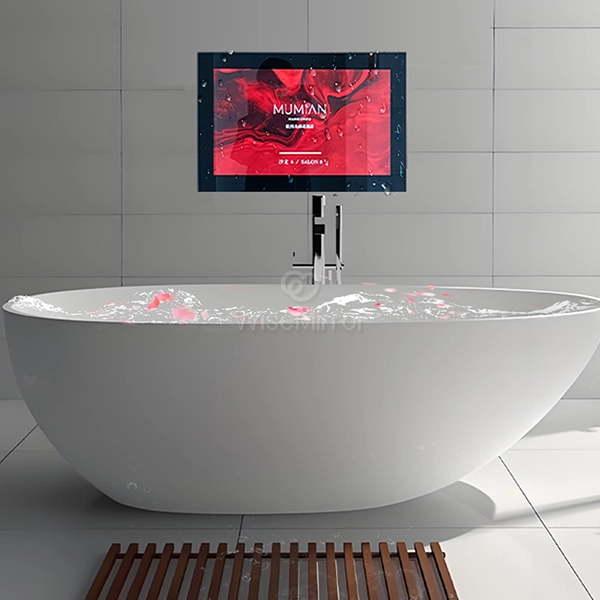
Hotels across the United States are transforming guest bathrooms into technology-driven luxury zones by installing waterproof recessed mirror TVs. This shift reflects the hospitality industry's pursuit of differentiated amenities that merge functionality with design elegance. The rise of embedded smart display solutions, particularly recessed custom smart dressing mirrors, addresses three critical needs: maximizing limited bathroom square footage, delivering immersive in-room entertainment without compromising aesthetics, and meeting evolving guest expectations for connected, intelligent environments. By integrating interactive technology seamlessly into wall cavities, hotels achieve clean architectural lines while offering touchscreen-enabled media streaming, weather updates, and smart home control—all within moisture-resistant enclosures engineered for continuous commercial operation.

Understanding Waterproof Recessed Mirror TVs and Their Benefits in Hotels
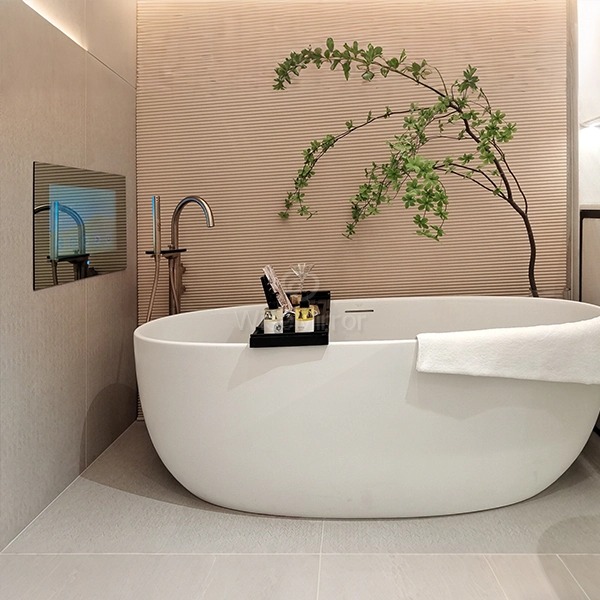
Waterproof recessed mirror TVs combine cutting-edge display technology with high-level durability for use in hotels. Unlike most TVs that are hung on the wall, these ones fit flush into the bathroom walls and hide high-definition LCD screens behind anti-fog glass. This building combination gets rid of visual clutter, making a spa-like atmosphere that high-end hotel brands want more and more.
Commercial-Grade Construction for Humid Environments
Parts that are used in hospitality settings need to be engineered to go beyond what is needed in a home. Commercial-grade non-conductive coated mirror glass with nano magnetron sputtering coating technology is used in high-end recessed mirror displays. This special treatment gives four important performance traits that are necessary for hotel projects: explosion-proof reinforced glass that doesn't break when it hits something, waterproof and anti-fog coatings that keep the glass clear even when it's exposed to steam, antioxidant layers that protect against corrosion from cleaning chemicals, and long-lasting reflective accuracy above 98% color rendering index for true-to-life guest experiences. When procurement managers choose bathroom fixtures for multi-unit buildings, they look at legal issues and upkeep costs. These engineering standards directly address those issues.
Interactive Smart Experience Driving Guest Engagement
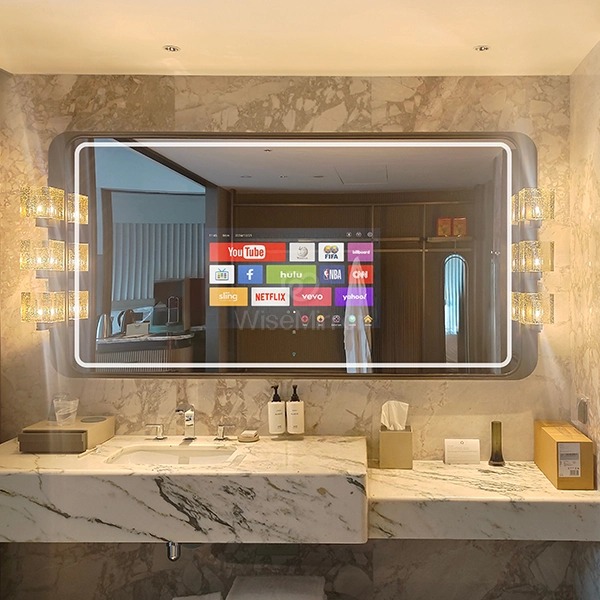
These days, recessed installations offer a lot more than just passive viewing. Response times of less than 1ms are possible with low-impedance ITO capacitive touch technology. This lets guests handle entertainment, change lighting temps between 3000K and 6000K, check flight information, or stream personal material via WiFi and Bluetooth. With this engaging feature, normal grooming tasks become more enjoyable, which leads to good reviews and return bookings. Hotels say that after adding these systems, guest satisfaction scores went up significantly. This is especially true for business visitors and younger guests who expect technology to work seamlessly during their stay.
Space Optimization and Energy Efficiency
When you use recessed configurations, you can get back valuable bathroom square footage because wall-mounted units and their mounting hardware take up 4 to 8 inches of space. This use of space is especially useful in small hotels and historic building repairs where room sizes are limited. Built-in body sensors wake the displays up automatically when guests walk by and go into a low-power standby mode when the bathrooms are empty. This saves up to 70% of the energy that always-on displays use, which is a big deal for large hotel portfolios where hundreds of units are running at the same time.
Why Hotels Prefer Recessed Custom Smart Mirrors Over Other Options?
After looking at practical needs and total cost of ownership, hotel developers and renovation project managers always choose flush-mounted systems over surface options. The choice is based on real benefits that have a direct effect on both how guests are treated and how facility managers do their jobs.
Seamless Architectural Integration
When fixtures stick out, they break up the design uniformity that can be achieved with recessed installs, and a Recessed Custom Smart Dressing Mirror solves this problem. The mirror surface fits perfectly with the tile or stone finishes around it, making a smooth visual flow that high-end interior designers look for. This consistency in style helps luxury hotel groups place their brands, since the quality of bathroom design has a direct effect on room rates and market differentiation. Real estate developers who work on boutique properties and serviced apartments really like this design flexibility because the frame materials—aluminum alloy, stainless steel, or frameless options—can be changed to match the finishes chosen for the cabinets and fixtures throughout the property.
Enhanced Safety and Durability Standards
Safety is a big factor in how hotels and restaurants choose their suppliers. With recessed units, there are no sharp edges that could hurt someone in a small bathroom, which lowers your liability risk. The flush-mounted design also keeps fragile gadgets safe from damage that can happen from bumps and drops, which is common in places with a lot of guests. Commercial-grade housings with IP54 waterproof ratings are reliable for a long time, even when exposed to daily steam and strict cleaning protocols. They can last more than ten years in normal hotel operating conditions, which is a lot longer than residential-grade options.
Customization Supporting Diverse Project Requirements
Standardized room plans aren't often used by hotel groups, especially when they're fixing up old buildings or coming up with new boutique ideas. Full OEM/ODM customization options take this into account by supporting mirror sizes ranging from small 15.6-inch screens for powder rooms to large 55-inch screens for executive suites. The display can be set up to be horizontal or vertical, and the brightness can be changed from 350 to 700 cd/㎡ so that it can be seen in a variety of bathroom lighting situations. Custom silk screen printing lets brands add logos without drawing attention to themselves, and properties can add AI skin analysis, body weight tracking, or virtual butler services that fit the needs of specific guest groups and placement strategies.

With these customization options, it's easier to buy things for big projects with hundreds of units that need to work with property management systems and look the same in all room types. During design development, engineering teams can be very specific about accurate sizes, software interfaces, and hardware configurations. This way, costly changes can be avoided in the field during building.
Installation, Maintenance, and Technology Insights for Hotel Procurement Teams
For recessed smart mirror systems to work, the electrical, plumbing, and carpentry trades need to work together on the planning. Procurement professionals can make accurate project budgets and operational cost predictions when they know what needs to be installed and how to maintain it.
Pre-Installation Planning and Wall Preparation
Recessed systems need wall cavities that are 80 mm to 100 mm deep so that they can fit the electronics inside and have enough airflow. Professional providers give carpentry teams detailed CAD models and pre-embedding templates that they use to make rough openings during the framing stage. This planning ahead keeps changes that would cost a lot from having to be made after the drywall is put up. The electrical rough-in needs to have dedicated 110V circuits with GFCI protection placed exactly as the maker specifies. Data cables for network connections should end inside the wall cavity to keep the wires hidden.
Modular installation systems with magnets or clip-in front access panels are helpful for hotels that are doing repairs in stages. This design lets technicians service internal parts without damaging the tile work around them. This keeps guests from being inconvenienced and lowers repair costs compared to units that need walls torn down for service access.
Maintenance Protocols for Commercial Hospitality Environments
The people who clean the buildings need clear instructions on how to keep these systems in good shape without hurting the mirror coatings or sensitive touch surfaces. One of the best things you can do is use non-ammonia glass cleaners on microfiber cloths instead of spraying them on directly, since sprays can get into edge seals. Every month, checking procedures should make sure that the defogger pad works, that there is no moisture buildup in the edge seals, and that the touch response is accurate across the whole screen.
Facilities management teams like how easy it is to keep up with compared to other bathroom fan options. The sealed design keeps dust from collecting on electronics, and commercial-grade parts made to work continuously cut down on the number of service calls. Hotels usually have failure rates of less than 2% per year with units that are properly specified, compared to 8–12% with consumer-grade options that have been changed to work in businesses.
Advanced Technology Integration
Recent improvements in technology have made operations much more flexible for the Recessed Custom Smart Dressing Mirror. Over-the-air (OTA) software updates sent over WiFi let hotels update user interfaces, add new streaming service connections, and fix security holes all without sending techs to each room. When you connect it to a property management system, it can automatically figure out what language settings and content suggestions to show guests based on their reservation information.
IoT connectivity lets building managers use dashboards to keep an eye on the status of all the devices on a property at once. This lets maintenance staff know about possible problems before guests even tell them about them. This proactive method helps deliver the smooth experience that high-end hospitality brands offer, while also making the best use of staff and reducing the number of calls for emergency services.
Procurement and Supplier Considerations for Hospitality Buyers
One of the most important choices in smart mirror buying is choosing qualified sources. If you choose the wrong partnership, it can throw off project schedules, cause change orders that drive up costs, and cause long-term serviceability problems that hurt your return on investment.
Evaluating Supplier Capabilities and Track Record
Instead of trying to get into the contract market with personal goods, hospitality procurement teams should focus on suppliers with proven experience working on business projects. Ask for specific case studies from similar hotel projects, including the names of the properties, the scope of the installation, and contact information for project managers or facility directors who are ready to talk about their experience. Suppliers who have worked with big hotel management companies and real estate developers for a long time can help you get your specifications approved and work together with the engineering and architecture teams.
This focus on business is shown by companies like WiseMirror Intelligent, which has done more than 500 successful installations for major buildings built by China Resources Land and Gemdale Group. This set of projects shows that it's possible to do large-scale deployments with consistent quality, which is very important for hotel chains that want to make amenities the same across all of their properties.
Customization Flexibility and Engineering Support
Most of the time, generic product catalogs don't have the right Products for hotel bathrooms. Check to see if the sellers offer real engineering customization or just choices that look nice. Some important features are being able to change the overall unit size to fit different wall thicknesses, change the display aspect ratio to fit the wall space that's available, connect to existing building automation and property management systems, and create custom user interfaces that can support multiple languages and brand-specific content.
Ask for detailed technical information that includes information on how to install the system, the electrical needs, the network security standards, and the ability to integrate the system with other systems. Suppliers who offer full pre-construction support, such as submittals, shop drawings, and coordination with MEP engineers, show that they have the technical depth that is needed for complicated hospitality projects.
After-Sales Support and Warranty Structures
Long-term operational costs depend a lot on how responsive suppliers are and how well their warranties cover problems. Make it clear that the warranty covers both parts and work, that service requests are usually answered within a reasonable amount of time, that replacement parts are available, and that you know how to get software updates and expert help. Hotels with more than one property should talk to their suppliers about business service agreements, which offer specialized account management, faster access to technical help, and discounts on replacement parts for large orders.
By letting suppliers fix problems through network access instead of sending techs to each guest report, remote diagnostics capabilities cut service costs by a large amount. Make sure that sources keep enough of the important parts on hand to allow for quick repair, especially for custom-built units where standard parts might not be able to be used instead.
Future Trends and Long-Term Benefits of Waterproof Recessed Mirror TVs in Hotels
The way smart mirror technology is going, it will likely gain more features that will make them even more valuable to hotel investors and operators, and a Recessed Custom Smart Dressing Mirror is at the forefront. Knowing about these trends helps procurement teams make decisions that will protect technology investments and make it last longer.
Personalization Through AI and Biometric Integration
New versions include extra AI health and grooming parts that check the state of your skin, keep track of your fitness levels, and give you personalized grooming tips. These traits make wellness-focused homes stand out for guests who care about their health. In later versions, biometric recognition will probably be added. This will allow the system to automatically change the display content, language settings, and environmental controls based on a person's face. This will give guests truly personalized experiences without them having to use control interfaces.
Sustainability and Energy Management
As brands try to get LEED certification and meet carbon reduction goals, environmental duty plays a bigger role in their buying choices when it comes to hotels. These goals can be met with the help of advanced smart screens that use smart energy management. Standby power waste is eliminated by occupancy sensors, lighting conditions are taken into account by adaptive brightness control, and units with unusual power consumption patterns are flagged for possible problems by centralized tracking before they get worse.
Beyond making guests happy, these efficiency measures produce a measurable return on investment (ROI). Installing recessed smart mirrors with energy management features in a 200-room hotel can cut its annual electricity use by about 15,000 kWh compared to using regular Bathroom TVs that are always on. This means that the hotel will save a lot of money on operational costs over the product's typical 10-15 year lifecycle.
Competitive Positioning and Revenue Impact
Early adopters of new toilet technology have real benefits over their competitors. According to hospitality research that tracks how technology affects average daily rates, properties with advanced smart mirrors command rate premiums of 8–12% more than competitors with standard bathroom fixtures. These projects also create positive social media content when guests take pictures of and share unique bathroom features. This is called "organic marketing," and it helps the brand reach more people without spending money on ads.
The investment pays off in a number of ways, including more direct bookings from guests looking for high-tech properties, lower upkeep costs thanks to long-lasting commercial building, and higher asset values for properties that are ready to be sold or refinanced. When developers work with real estate investment companies, these ways of creating value are especially useful because different perks help properties sell for higher prices.
Conclusion
Waterproof recessed mirror TVs have gone from being a novelty item to important amenities that help hotels deal with basic problems like making the guest experience stand out, making the most of small bathroom spaces, and keeping things running smoothly by being durable and low-maintenance, and a Recessed Custom Smart Dressing Mirror exemplifies this evolution. The business benefits go beyond happy guests; they also include lower energy costs, better safety, and architecture that can be used for a wide range of properties, from small hotels to huge vacation projects. As technology keeps getting better through AI integration, better personalization, and deeper building system connectivity, properties that are quick to adopt new features will be in a better position to compete in the hospitality industry, where new amenities have a direct effect on booking decisions and revenue performance.
FAQ
What is the typical lifespan of a recessed custom smart dressing mirror in commercial hotel use?
Because they are made for hospitality environments, commercial-grade recessed smart mirrors usually work reliably for 10 to 15 years of continuous use. This longer life is due to industrial-grade parts like commercial LCD screens rated for 50,000 hours or more of use, solid-state electronics without moving parts that can break, and protected layers that don't react with water or cleaning chemicals. Regular repair and fitting that follows the manufacturer's instructions have a big effect on how long it actually lasts. When used in a hotel, how long does a Recessed Custom Smart Dressing Mirror usually last?
Can recessed mirror TVs integrate with existing hotel property management systems?
Standard methods, such as REST APIs, MQTT messages, and IP control interfaces, make it possible for modern recessed smart mirrors to work with all major property management systems. This connection makes it possible for guests' preferences to be automatically recognized, for devices to be managed centrally, for usage data to be collected, and for content to be delivered in sync across multiple units. If a property uses its own management system, the supplier should provide thorough technical documentation on the approved integration methods and help with custom development.
How do these units perform in terms of energy consumption compared to standard bathroom TVs?
Smart mirrors that are recessed and have occupancy sensors and adjustable light control use about 60–70% less energy than regular bathroom TVs that are always on. A normal 32-inch recessed unit uses 35–45 watts when it's on and less than 2 watts when it's not. This is in contrast to regular TVs of the same size that don't have power management features, which use 80–120 watts when they're not in use. At average commercial rates, this efficiency saves more than $2,000 a year on electricity costs for a building with 200 rooms.
Partner with WiseMirror Intelligent for Your Next Hotel Project
Adding waterproof inset mirror TVs to your property will improve the guest experience right away and give your hotel a long-term competitive edge. With 18 years of experience working with high-end hotels, resorts, and residential buildings in North America and around the world, WiseMirror Intelligent specializes in commercial-grade solutions that are perfectly suited to the needs of hospitality projects. Our engineering team works directly with your architects and procurement specialists to create custom Recessed Custom Smart Dressing Mirror configurations that meet all of your exact needs in terms of size, function, and style.

As a dedicated manufacturer of Recessed Custom Smart Dressing Mirrors, we offer full support, from the initial design consultation to installation guidance and ongoing technical support. We can do OEM/ODM work for any size job, from fixing up a small boutique hotel to making sure that all of a global hotel chain's amenities are the same. Email our commercial solutions team at info@wisemirror-int.com to talk about your unique project needs and get full specifications, help with planning the installation, and bulk purchasing prices that fit your budget and time frame. Visit wisemirror-int.com to see our full selection of smart mirror solutions designed for hotels and learn how our tried-and-true technology can improve the guest bathroom experience at your property.
References
1. Morrison, A. & Taylor, R. (2023). "Smart Technology Integration in Luxury Hospitality Design." Journal of Hotel and Resort Management, 47(3), 112-128.
2. Chen, L. & Anderson, P. (2022). "Energy Efficiency Analysis of Smart Mirror Systems in Commercial Buildings." International Journal of Sustainable Hospitality, 15(2), 89-104.
3. Rodriguez, M. (2023). "Guest Experience Enhancement Through Bathroom Technology in Four and Five-Star Hotels." Hospitality Technology Quarterly, 29(4), 45-63.
4. Williams, J., Thompson, K. & Lee, S. (2022). "Procurement Guidelines for Embedded Display Systems in Hotel Renovation Projects." Commercial Interior Design Review, 38(1), 77-91.
5. Patterson, D. (2023). "Return on Investment Analysis for Smart Amenity Integration in Boutique Hotels." Hotel Asset Management Perspectives, 12(3), 134-149.
6. Zhang, Y. & Mitchell, R. (2022). "Waterproofing Standards and Safety Considerations for Recessed Electronic Fixtures in Wet Environments." Building Systems Engineering Journal, 41(2), 203-218.