

What Should Designers Consider When Sourcing Custom Smart Mirror TV Solutions?
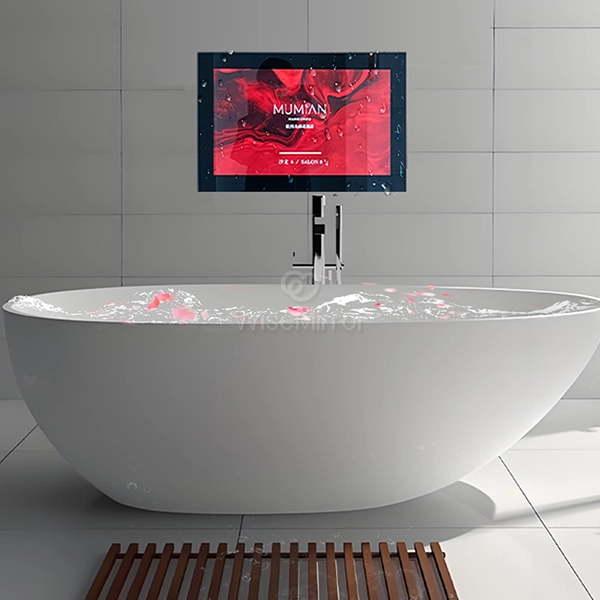
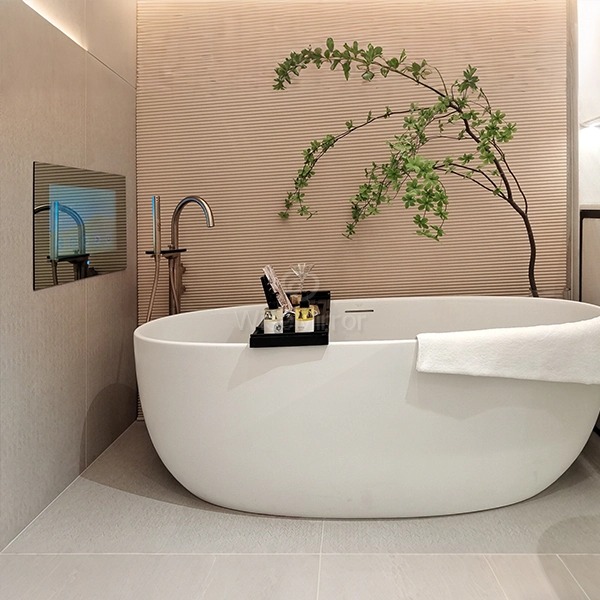
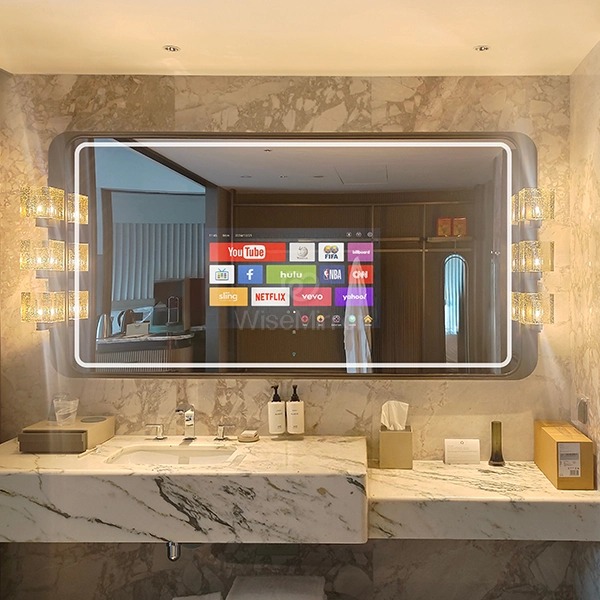
When designers evaluate smart mirror TV solutions for commercial projects, they're not simply choosing decorative technology—they're selecting infrastructure that directly impacts guest satisfaction, property value, and long-term maintenance efficiency. A Recessed Custom Smart Dressing Mirror addresses these priorities by offering flush-mounted integration, eliminating protruding frames while providing interactive functionality within premium spaces. This embedded approach optimizes spatial flow in luxury hotel suites, villa walk-in closets, and high-end retail fitting rooms, where every millimeter matters and where seamless aesthetics cannot be compromised by bulky installations.

Understanding the Requirements of Custom Smart Mirror TV Solutions
To find the right smart screen technology, you need to know about the technical limitations and design requirements that are specific to high-end business settings. In contrast to consumer mirrors for homes, hospitality and property development projects need solutions that can handle heavy use, high humidity, and connecting to central building management systems.
Why Recessed Installation Matters in Luxury Projects?
Smart mirrors that are built in give buildings clean lines that units that are placed on the wall can't match. In hotel bathrooms, simple beauty is becoming more and more important—guests expect technology that is unnoticeable and only works when they need it. When you mount mirrors flush with the wall, they clear up your view, make it easier to clean deeply as needed by hospitality standards, and lower the risk of damage from accidental contact in small areas. A recessed unit blends in with the wall, protecting the beauty of marble or tile finishes by hiding the mounting hardware.
When it comes to boutique hotel suites, where bathroom space is limited but five-star standards remain, space optimization is very important. Recessed installs take back the 50–80 mm that surface-mounted frames normally take up. This lets designers make the most of vanity counter space or make shower walls bigger without losing smart functionality.
Multifunctionality Tailored for Commercial Environments
Mirrors that do more than just show information are needed in high-end home projects. Guests can check the weather while getting ready, use a touch screen to control the room's lights, or watch the morning news while going about their business. These interactive features are used in real estate show flats to show how valuable a lifestyle is, which directly affects buying choices. Smart mirrors with Android operating systems can support customizable app ecosystems. This means that hotel owners can push branded content, concierge services, or wellness reminders through the same interface that guests use to change the color temperature of the LEDs for makeup application.

Automation that uses less energy is especially helpful for projects with serviced apartments. Human body sensors can tell when someone is there, so when people come close, the mirror display turns on. When no one is there, it goes into standby mode, which lowers the ongoing power draw across hundreds of units. This smart energy management helps meet LEED certification goals and lowers running costs over the course of multiple lease cycles.
Core Features and Customization Options to Evaluate
Commercial-grade smart screens are not at all like consumer gadgets. Designers have to make sure that the goods they source meet standards for sturdiness, allow for real customization, and come with the certification paperwork needed for foreign project approvals.
Commercial-Grade Mirror Glass Performance
Normal bathroom mirrors rust quickly and get ugly edge rusting within months of being in a damp bathroom. Specification-grade smart mirrors use non-conductive nano-coated mirror glass that was made to be exposed to wetness all the time. This coating technology stops tarnish from makeup, perfume sprays, and steam condensation, all of which are common causes of bathroom problems in hotels.
Anti-fog features must work reliably even if there are no extra hot pads that use more energy. Nanotechnology-based coatings keep reflections crystal clear even during hot showers. This means that guests don't have to do the annoying "wipe-down" ritual that they associate with cheaper accommodations. Insurance companies require that hotel projects use explosion-proof toughened glass as an extra safety measure. This keeps dangerous shards from flying around if the glass breaks.
Designers should ask for salt spray test certifications (CASS standards) that show corrosion resistance beyond 500 hours. This will make sure that the mirror stays in perfect condition during warranty periods and afterward.
Interactive Smart Experience for Premium Dressing Spaces
Touch response shows how happy a user is with a Recessed Custom Smart Dressing Mirror. Low-impedance ITO-sensitive touch technology has reaction times of less than 1ms, which means that interactions aren't sluggish and annoying like they are with cheaper options. Guests expect the same level of smoothness as on a smartphone when they are changing the lighting, looking at the hotel's services, or playing background music while they are getting ready.
To keep parallax from happening, which is a confusing shadow effect seen between the touch layer and the LCD below, HD touch screens must be precisely bonded to mirror surfaces. Professional-grade units use optical-grade adhesives and cleanroom assembly methods that consumer Products skip. This means that the display looks the same whether it's showing content or reflecting as a normal mirror.

Designers who work in retail fitting rooms like vertical screen orientation options because they let them see full-length previews of outfits and change the lighting at the same time. Hotels might like outdoor screens that are placed at eye level so that guests can easily access information without having to stop what they're doing to get ready.
Optional AI Grooming and Wellness Modules
Personalized health features are becoming more and more important in upscale markets as a way to set products apart. After scanning different parts of the face with AI skin analysis modules, which find areas with dehydration, sun damage, and fine lines, they suggest specific skincare routines. With this technology, properties are seen as health centers instead of just places to stay.
Virtual outfit matching functions work really well in store fitting room apps, where customers can take pictures of their clothes and get style ideas from AI. Wearable devices can connect to health data displays, which show fitness stats and weight tracking right on the mirror interface. This is a great feature for small hotels and spa resorts that focus on wellness.
These modules are not required to be included, so procurement teams can match technology investments to the types of guests they want to attract and their positioning strategies.
Comparing Recessed vs. Wall-Mounted Smart Dressing Mirrors for Procurement
How the installation is done has big effects on both the initial prices and the long-term value. When purchasing in bulk, purchasing managers need to know how different mounting methods affect building plans, access for upkeep, and the long-term look of the property.
Spatial Economy and Aesthetic Integration
Smart mirrors that are placed on the wall stick out 60–100 mm from finished surfaces. This casts shadows that mess up the lighting design and collect dust around edges that are hard to reach. These problems are completely solved by recessed installations, which create the look of "invisible technology" that defines modern high-end interiors. The mirror looks like it's a natural extension of the millwork instead of an appliance that's bolted to the wall.
Damage reduction is also good for hotels. When bathrooms are small, mirrors that stick out could cause accidents when people are getting towels or moving their bags. This danger is taken away by flush installations, which lowers the risk of liability and the number of maintenance calls for broken units or mounting brackets that have come loose.
Recessed mirrors are used by real estate agents to make model homes look bigger than they really are. Because there are no visual interruptions, potential buyers can see the size of the room without being distracted. This sends a subtle message of quality and attention to detail.
Maintenance Access and Long-Term Service Considerations
When installing hidden units, you need to think about how to service them. For repairs, wall-mounted mirrors are easy to take off, but embedded units need rear panels that can be reached or modular front-removal systems. When designers ask for recessed installations, they should make sure that suppliers offer magnetic or clip-in access systems that let them take off the mirror face without tearing out the drywall.
Qualified manufacturers provide detailed CAD drawings for the Recessed Custom Smart Dressing Mirror that show the required wall cavity depth (usually 80–100 mm), where the electrical rough-ins should go, and how heat can escape. During building, this paperwork is very important for making sure that the electrical, finish, and woodwork trades can work together. Remote expert help is useful for projects that are being done abroad, where language hurdles make installation problems harder to fix.
Even tho they are harder to get to, deep designs are better for component life. Surface-mounted units are often damaged by cleaning chemicals and water splashes, but enclosed wall spaces keep electronics safe from these problems. In insulated cavities, LED driver boards and touch controllers work at cooler temperatures, which increases their service life and lowers the number of warranty claims on multi-year contracts.
Cost-Benefit Analysis for Large-Scale Projects
The initial cost of buying recessed smart mirrors is usually 15–25% higher than buying wall-mounted ones. This is because they have to be made with more accuracy and come with installation tools. Lifecycle analysis, on the other hand, shows strong value. For hotel use, a good return on investment (ROI) within three years is achieved through fewer upkeep issues, lower energy use through automated standby modes, and no longer having to pay for replacements due to damage.
When you buy in bulk from manufacturers who offer OEM/ODM customization, you can get economies of scale that you can't get through distributor channels. When a project has more than 50 units, it's common to ask for custom software user interfaces, branding start screens, and packaging that makes installation go more smoothly. Structured financing terms based on project goals align supplier payment plans with developer cash flows, reducing the effects on the purchase budget.
Installation and Post-Purchase Considerations for Smart Mirror Solutions
When installation standards aren't met, even the best products don't work. When designers write procurement specifications, they need to make sure that they cover not only the hardware but also the support infrastructure that is needed for deployment to go smoothly.
Pre-Installation Planning and Site Preparation
Installing recessed mirrors starts months before the units get to the job site. Architectural drawings need to show exact measurements of the wall cavities, taking into account things like plumbing runs, HVAC ducts, and structural members that might get in the way of where the mirrors are supposed to go. When framing crews find out there isn't enough depth or that electrical lines are running thru planned mirror zones, they don't have to make expensive changes.
Professional suppliers offer pre-embedding templates, which are full-scale drawings that show exactly where the cutouts should be, where the mounting brackets should go, and where the conduit should go. Before drywall is put on walls, these are sent by general builders to subcontractors who do the building to make sure the holes meet the requirements. This proactive method gets rid of the worst-case situation of getting mirrors that don't fit the holes that were already cut. This mistake can cause the project to be delayed by weeks.
Electrical needs go beyond just being able to handle power outages. Even if WiFi is the main way to connect, smart mirrors that are connected to the internet of things (IoT) need Cat6 Ethernet runs to make sure they work well with property management systems. Ethernet ensures reliable communication for important tasks like sending emergency messages and keeps things running smoothly in steel-framed buildings where wireless signals weaken.
Professional Installation vs. In-House Labor
When hotels renovate floors that are already occupied, factory-trained installation teams can finish the mirror integration during overnight shifts, so guests don't have to wait too long. When these experts get there, they bring custom jigs that make sure everything is lined up perfectly, pre-terminated wiring harnesses that cut down on connection mistakes, and calibrated testing equipment that checks touch accuracy and network connectivity before they leave.
Installing things on their own requires a lot of paperwork, like detailed guides with step-by-step instructions, wire diagrams, and flowcharts for troubleshooting. Video tutorials that show how to properly seal around recessed frames stop water from getting in and voiding warranties. Suppliers that offer remote commissioning support through video calls keep quality standards high while cutting down on the cost of on-site supervision.
A lot of the time, warranty terms require skilled repair in order to be valid. It should be clear in procurement contracts whether supplier-coordinated installation is included in the unit price or billed separately. It should also be clear if the owner's maintenance staff can get certification training to handle future expansions.
Ongoing Maintenance and Software Lifecycle Management
Smart mirrors need software updates on a regular basis to fix security holes, add new features, and make the mirrors run better. With over-the-air (OTA) updates, property IT teams can put patches on all units at the same time without having to physically access each mirror. The requirements for the purchase should make sure that OTA works and spell out who is responsible for updates, including whether the maker does it automatically or property staff have to start them.
Standard glass has different cleaning instructions. Fingerprint oils build up on touch surfaces, so they need cleaners that aren't rough or contain ammonia and won't damage anti-fingerprint coats. Suppliers provide housekeeping training tools that keep damage from happening by accident when cleaning products don't work well together. Putting antimicrobial coatings on areas that people touch a lot lowers worries about pathogen spread that were made worse by new cleanliness standards after the pandemic.
Planning for the repair of parts is important for making long-term spending predictions for a Recessed Custom Smart Dressing Mirror. LED strips usually last for 50,000 hours before they start to dim, which is about 6–8 years in hotel settings. Capacitive touch layers break down after more than 500,000 touches, which is mostly important in stores with a lot of foot traffic. Suppliers who offer longer warranties on these wear parts give asset managers who plan 10-year capital spending cycles budget security.
Making the Right Choice: Key Factors for Designers and Procurement Managers
When choosing a smart mirror provider, you have to look at more than just the product specs. The quality of the partnership, the ability to customize, and the infrastructure for post-sale support will determine whether your project meets its goals or turns into a case study of how not to do procurement.
Supplier Credibility and Project Portfolio Verification
Marketing tools don't speak as loudly as track records. Ask for case studies that show sites that are similar to your project scope in terms of unit numbers, operating conditions, and operational needs. Suppliers who have worked in the hospitality industry before know about renovation schedules that go in cycles, rolling out changes slowly across multiple properties, and the strict documentation needs for franchise brand approval processes.
Certifications show that you can do something. ISO 9001 quality management systems show that the process stays the same from one production run to the next. Markings like CE, RoHS, and FCC make sure that projects in North America and Europe follow the rules. UL listing for electrical safety protects you from being sued if something goes wrong. Instead of taking these papers at face value from the seller, check them through separate databases.
Supplier stability is shown by long-term partnerships with top real estate developers. Partnerships with companies like China Resources Land, Gemdale Group, and China Merchants Property Development show that they can meet tight deadlines, make changes to designs, and work on projects that have multiple stages and last for years.
Full OEM/ODM Customization Capabilities
Real tailoring goes far beyond picking out mirror sizes. Frame materials should match the surrounding woodwork. For a modern look, stainless steel is best, aluminum alloy for setups that need to be light, or custom powder-coat finishes that match brand color palettes are best. Screen printing lets you put names, designs, or privacy frosting directly on mirrors, making all of the points of contact with guests consistent with your brand.
Depending on how the software is customized, the mirror may feel like standard technology or an important part of the property. With white-label UI design, property names are added to maker boot screens to create branded interfaces. Multilingual localization helps guests from around the world. Custom app creation lets you add services that are special to your property, like spa appointment booking, restaurant menus, or guides to nearby attractions, right into the mirror interface.
Hardware that is flexible can be used for a wide range of projects. Display sizes range from 13.3-inch screens small enough for powder rooms to 55-inch full-length dressing mirrors make sure that the sizing is right. Processor and memory setups change based on performance needs. Basic models are good for showing simple information, while premium designs can handle AI processing and video streaming. The choice of Android OS version strikes a balance between access to features and long-term security support lifecycles.
Energy Efficiency and Sustainability Alignment
For projects to be LEED-certified, they need proof of how well they use energy. When compared to always-on options, smart screens with occupancy monitors use 60–75% less power when they're not in use. Traditional vanity lights that use 40+ watts of electricity can be replaced with LED lighting systems that use 8–12 watts of electricity and provide better color rendering (CRI ≥95) for accurate makeup application.
Sustainability in packaging is important for projects that care about the environment. Green building certifications are based on things like using recycled materials, not a lot of plastic, and optimizing crate sizes to cut down on the shipping cube. When suppliers offer programs to take back old electronics, the recycling loop is closed, and electronic trash is kept out of landfills.
ESG-conscious developers like it when carbon footprints are clear. Lifecycle assessments can compare the total environmental impact of different solutions if suppliers keep records of the energy sources used in manufacturing, the emissions from logistics, and how long a product lasts. Products that are made to last 10 years or more naturally produce less waste than throwaway items that need to be replaced every 3–4 years.
Conclusion
When looking for custom smart mirror TV options, you have to pay attention to things that regular consumer electronics don't do. Recessed Custom Smart Dressing Mirrors designed for business settings give high-end residential and hotel projects the sleek looks, long-lasting quality, and useful versatility they need. Designers who use commercial-grade materials, check the identities of suppliers, and plan carefully for installation and upkeep put their projects in a good position to succeed. As minimalist design and smart functionality come together, they no longer represent a compromise; they set the standard. Your vision will come true as planned, on time, and on budget if you choose partners with proven OEM/ODM skills, strong support infrastructure, and sustainability goals that are in line with your own.
FAQ
What wall depth is required for recessed smart mirror installation?
Most recessed smart mirrors need a cavity depth of 80–100 mm to fit the electronics, heat-dissipation channels, and mounting brackets. For projects with shallower walls, the framing may need to arrange furring or box-out features. Check the CAD drawings from your source to make sure you know the exact depth needs before putting together the walls.
Can smart mirrors integrate with existing hotel property management systems?
Smart mirrors of good quality support standard protocols like MQTT, REST APIs, and RS-485 connection, which lets them work with most PMS systems. Talk about your unique system needs during the buying process to make sure everything works together. Suppliers who have worked with hospitality systems like Opera, Protel, and Infor often keep integration documentation up to date.
How do touch interfaces perform in wet bathroom environments?
Commercial-grade capacitive touch screens work effectively even when there are water droplets on them, but their performance gets worse if they are buried in water for a long time. Positioning above splash zones and making sure there is enough airflow keep conditions at their best. Electronics are safe because they have waterproof ratings (IP54 or higher for internal housing), and touch surfaces naturally dry out when they get wet.
What warranty terms should designers expect for commercial projects?
Standard warranties for parts last for two to three years, but longer warranties are available for installations that are mission-critical. Make sure you know if the coverage includes on-site service, the cost of sending a new unit, and the cost of work for installations that need special access. When projects have ongoing maintenance contracts, they often get longer warranty periods that match the systems in the buildings.
Partner with WiseMirror Intelligent for Your Next Commercial Smart Mirror Project
WiseMirror Intelligent brings 18 years of specialized knowledge to every Recessed Custom Smart Dressing Mirror project, helping creators from the beginning of the idea to the final installation. Our unique nano magnetron sputtering coating technology, anti-oxidation methods, and low-impedance ITO capacitive touch lamination make sure that the mirrors we make meet or exceed the longevity standards for hotels while also looking great. We can fully meet your OEM/ODM needs when it comes to dimensions, software user interface, hardware options, and packing. Our engineering team has finished more than 500 important projects, working with China Resources Land and Gemdale Group to provide on-time solutions for high-end hotels, villa developments, and retail spaces. As a reliable provider of Recessed Custom Smart Dressing Mirrors, we offer CAD drawings, installation templates, and remote technical support to make sure that the mirrors fit in perfectly, no matter where the project is located. Get in touch with us at info@wisemirror-int.com to talk about how custom smart mirror solutions can make your next project better.
References
1. Anderson, M. (2023). Smart Building Technologies: Integration Strategies for Hospitality Design. Commercial Architecture Press.
2. Chen, L., & Roberts, K. (2024). Sustainable Luxury: Material Innovations in High-End Interior Finishes. Green Design Institute.
3. Martinez, S. (2023). Bathroom Technology Trends in Five-Star Hotels: A Global Survey. Hospitality Research Quarterly, 18(3), 112-128.
4. Peterson, J. (2024). Lifecycle Cost Analysis for Embedded Building Systems. Facility Management Journal, 41(2), 67-82.
5. Thompson, R., & Liu, W. (2023). Moisture-Resistant Coatings for Commercial Applications. Materials Science in Construction, 29(4), 301-315.
6. Williams, D. (2024). Procurement Best Practices for Smart Home Integration in Multi-Unit Developments. Real Estate Technology Review, 12(1), 45-59.