
Square Smart Mirror Trends Shaping High-End Hospitality Projects in 2026
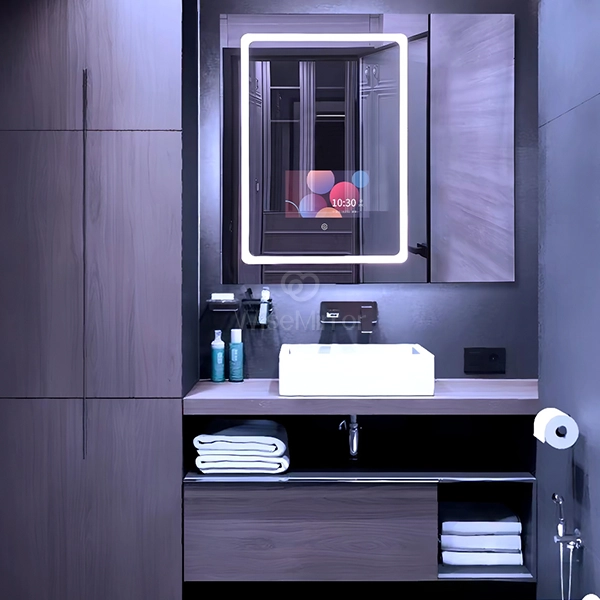
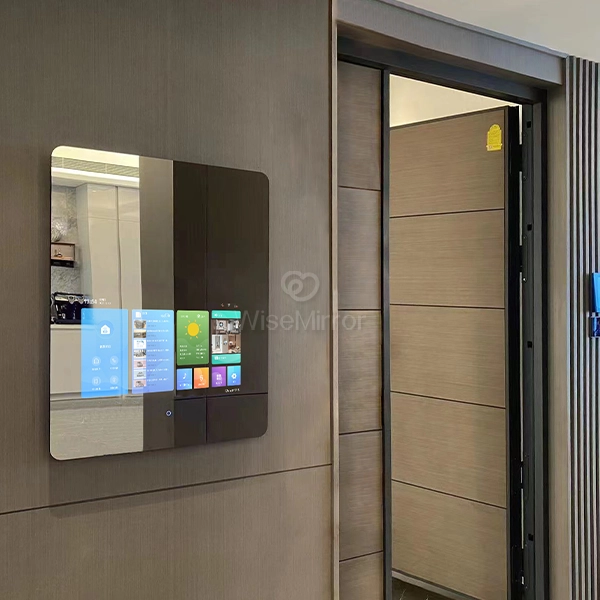
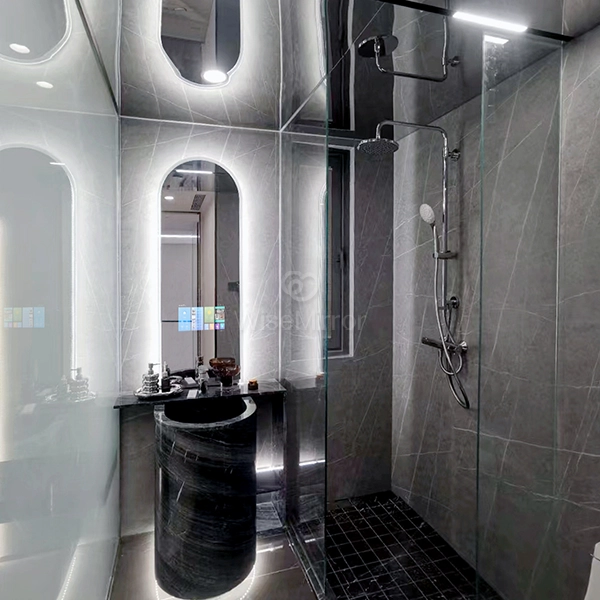
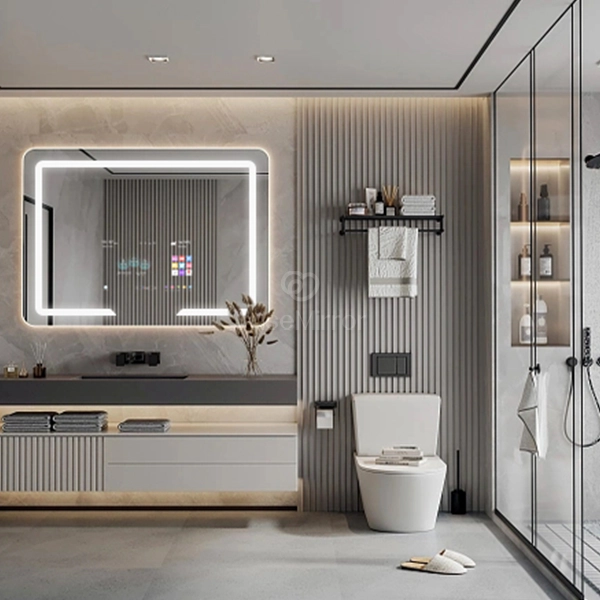
In 2026, interactive mirror technology will be an important part of high-end hotel design and great customer service. This will cause a huge change in the hospitality industry. Square smart mirrors are becoming the focal point of modern bathroom and suite improvements. They give hotels a powerful way to set their properties apart while meeting the changing needs of their guests. These smart gadgets have touchscreens, Internet of Things (IoT) connections, and interfaces that can be customised. They look great and have real practical benefits that procurement teams in charge of big hotel projects across the US like.
Emerging Innovations in Interactive Mirror Technology for Premium Hotels
AI-Powered Personalization Transforms Guest Interactions
Recent progress in artificial intelligence has made it possible for interactive mirror systems to recognise people who have visited before and change their language settings, interface preferences, and content suggestions automatically. This feature is very helpful for high-end hotel companies that want to give guests unique, personalised experiences without having to ask staff for help. Thanks to better audio processing techniques that are tuned for shiny surfaces and the kind of background noise that is common in hotel settings, integrated voice recognition now works perfectly even in bathrooms with a lot of moisture.
Gesture Control Eliminates Hygiene Concerns
The development of gesture-based settings takes into account cleanliness rules that travellers still care about after the pandemic. Advanced sensor arrays built into mirrors can pick up on hand movements within 30 inches. This lets guests use their hands to control menus, lights, or entertainment without touching the devices. Along with regular sensitive touch functions, this touchless operation offers a variety of contact options to meet the needs of all guests and the inclusion standards required by the Americans with Disabilities Act (ADA).
Seamless Integration with Property Management Systems
Modern clever mirror solutions now work directly with popular hotel property management systems like Protel, Maestro, and Opera. This connection lets guest profiles be synced in real time, check-outs to be processed automatically from bathroom mirrors, and service requests to be sent right away to the right offices. When these systems are put in place, engineering teams at sites report a big drop in the number of calls to the front desk and better staffing during busy times.
Critical Features Addressing Hospitality Procurement Requirements
Environmental Durability for Continuous Commercial Operation
The strict needs of hotel settings mean that mirror technology has to be built to go beyond what is needed in a home. Nano magnetron sputtering coating technology makes a shield that protects against rust from cleaning chemicals, steam, and salt air from the coast. This is very important for vacation properties that are in wet areas. Anti-oxidation methods keep mirrors clear for 10 years or more of continued use, which is a feature that procurement managers look for when they figure out the total cost of ownership for a collection of properties.
Low-impedance ITO capacitive touch coating on a square smart mirror keeps 99% of the touch accuracy even when moisture builds up on the surface, which can happen after a shower in guest bathrooms. According to feedback data from the hotel industry, this technical standard has a direct effect on guest happiness scores because interfaces that don't work right lead to a lot of complaints.
Flexible Customization Without Engineering Compromises
Before looking into specific customisation options, it's important to know how design freedom affects the likelihood that a project will be approved by hotel owning groups and brand standard boards. Here are the main benefits of customisation that buying teams always focus on:
- Branded Interface Development: Because Android is a mature operating system, UI designers can add hotel brand colours, logos, and custom app ecosystems directly to the mirror's home screen. This creates a consistent brand experience that extends to bathrooms and dressing rooms, which are usually forgotten about.
- Modular Hardware Configurations: For example, projects can choose to have commercial-grade speakers built in for playing music in spas, voice control modules for supporting multiple languages, or outdoor sensors that change the screen brightness automatically based on the lighting conditions.
- Dimensional Flexibility: The sizes of the units range from 15.6-inch small units that can be used in leased apartments' bathrooms to 55-inch statement installs that can be used in the foyers of presidential suites. The mounting systems are designed to work with both hidden and surface uses.
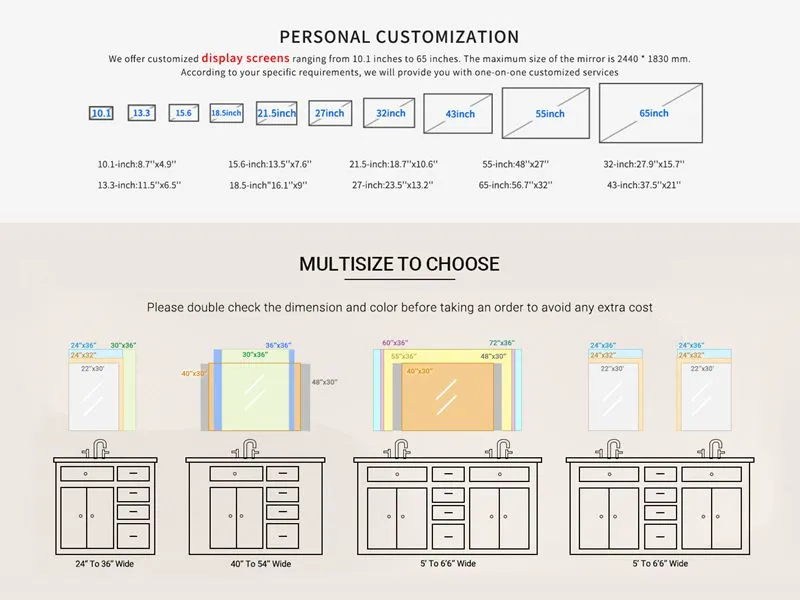
These customisation choices take into account the different building limitations and design goals that come up in high-end hotel projects. They make it possible to specify details for both small homes and big resort developments without affecting the technical performance.
Privacy Architecture Aligned with Guest Data Protection Standards
These smart systems have security procedures built in that meet GDPR, CCPA, and PCI-DSS standards. Hotel law offices are looking more closely at these standards. Before being sent to property networks, data is encrypted on the device level, and within 30 seconds of proof of checkout, guest information is deleted automatically. Concerns about privacy had been holding back the use of connected devices in apps that guests would see before this privacy-first design.
Comparative Analysis Against Traditional and Competing Solutions
Value Proposition Beyond Conventional Mirror Installations
Traditional bathroom mirrors are rigid features that can only be used for reflection. However, clever mirror technology turns this unused space into links that can bring in money. Hotels that use these systems report extra income gains from things like spa booking platforms that work with the mirrors, in-room eating promotions that are shown during morning routines, and relationship ads with local sites. These are ways to make money that aren't possible with regular mirror installations.
The mix of WiFi 5 and Bluetooth 4.2 connection is better than other brands because it guarantees stable performance on properties with complicated network setups. Touch response delay of less than 0.3 seconds meets the speed standards that guests have come to expect from consumer gadgets. This stops the frustration that comes with slow interfaces that plague older hotel technology.
Total Cost Analysis for Large-Scale Deployments
Purchasing teams in charge of renovating more than 100 rooms for square smart mirror can use clear price structures and bulk discount models that are made just for buyers in the hotel industry. The 45W power usage meets Energy Star standards and lowers operating costs compared to other options that constantly use 60–80W. The cost of a project is also affected by how well it is installed. Simplified mounting systems cut down on labour hours by about 30% compared to custom integration methods needed by some makers.
With a monthly production capacity of more than 5,000 units and a failure rate of less than 0.5%, the supply chain is reliable enough to allow for gradual improvements and new building schedules. When you mention foreign technology goods, regulatory delays can throw off project plans. Pre-certification under CE, FCC, and CCC standards gets rid of these delays.
Implementation Roadmap for Hospitality Engineering Teams
Pre-Installation Assessment Protocol
For deployments to go well, the site must first be carefully surveyed to check the power infrastructure, network capacity, and mounting conditions of the building. Properties built before 2010 often need electricity upgrades to support the constant 45W draw per unit. This is a requirement that affects how much a remodelling costs and how long it takes to get permits. Network reviews make sure that enough bandwidth is allocated so that multiple mirrors can work at the same time during peak hours. This stops connection problems that hurt guests' experiences.
Secure Mounting and Safety Compliance
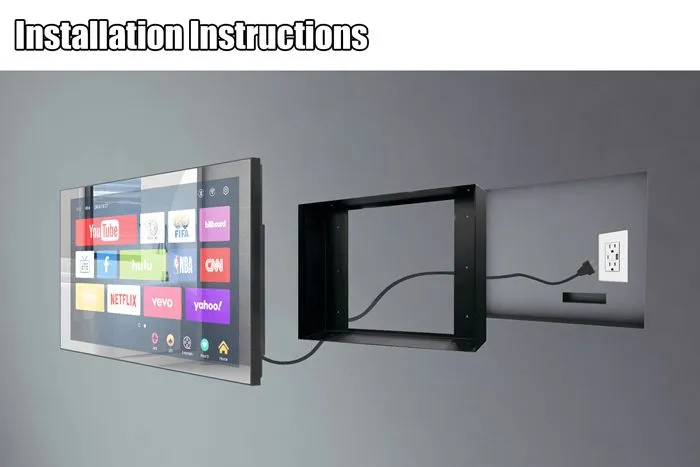
The design of safety glass with an IP65 rating can handle the impact testing requirements set out in ASTM C1036 standards for bathroom uses. This keeps people from getting hurt by accidents and lowers your liability risk. Mounting gear made for business setups can work with a variety of wall types, from concrete to steel stud frame with moisture-resistant plasterboard. This is because different types of hotel properties use different building methods.
Integration with Smart Building Ecosystems
The Google Play Store environment lets you download property-specific apps for managing lighting scenes, controlling the HVAC, and operating motorised shades. This makes smart rooms more united. WiFi and Bluetooth dual connection breaks down walls between devices, letting guests watch personal content while keeping the mirror's usefulness. This is a feature that extended-stay hotels and leased apartment owners really value.
In addition to installation, technical support includes 24/7 online troubleshooting and a two-year guarantee. Authorised service providers in major urban areas are also partnered with the company to provide additional support. This support system takes into account the fact that when technology fails in hospitality, it affects guests' happiness right away and needs to be fixed quickly.
Strategic Procurement Guidance for 2026 Hospitality Projects
Aligning Specifications with Property Positioning
Boutique hotels that focus on design-forward experiences for square smart mirror should put an emphasis on customisable interface looks and physical choices that work with building plans. They can use the 15-day testing timeline to make sure their design ideas are good before placing full orders. Convention rooms and conference centers can get the most out of guidance apps and real-time event schedule screens that are built into mirrors in the lobby and hallways.
Coastal or tropical resorts must check that their anti-corrosion coatings don't break down in environments with a lot of moisture and salt air. This is a technical requirement, and the coated mirror construction and oxidation-resistant processes make these Products last longer than consumer-grade products that are used for business purposes.
Supplier Evaluation Criteria for Mission-Critical Projects
Checking the qualifications of manufacturers lowers the risk for buying teams that answer to ownership groups and brand standard boards. We have built ties with big companies like China Resources Land, China Merchants Property Development, and Gemdale Group, which shows that we can meet the quality standards and delivery times that are typical of institutional hospitality projects.
The 15 years of experience that engineers have in the field means that they can solve problems in the field during installs and quickly help with operating issues. When merging with older building control systems or working around unique design limits that come up during remodelling projects, this knowledge comes in very handy.
Future-Proofing Technology Investments
Software update roadmaps make sure that interface changes and security patches are always available for a product's lifetime. This keeps the product from becoming obsolete too soon, which is a problem that many technology purchases in hotel settings face. The flexible accessory environment lets properties add features after installation as business needs change, so they don't have to pay as much for replacements as they would with competitors with closed systems.
The strategic worth of these setups over multi-year property improvement plans is maximised by looking at square smart mirror makers who show a commitment to ongoing development and keep their technical support lines open and active.
Conclusion
Square smart mirror interactive mirror technology is becoming an important part of high-end hotel projects that will open around 2026 because it combines smart design, long-lasting technology, and smart operations. When properties carefully use these systems, they gain a competitive edge by making guests happier, making operations more efficient, and adding new revenue streams that bring in real money. Procurement teams should look at solutions based on how well they work with other systems, how well they can be customised, how well they can be integrated, and how trustworthy the provider is. In these areas, designed goods from well-known companies always perform better than consumer-grade options. Intelligent mirror systems are investments that raise the profile of a property and help it reach its long-term business goals. This is because guests are increasingly expecting smooth technology experiences.
FAQ
What maintenance requirements do intelligent mirrors have in hospitality environments?
Routine maintenance involves cleaning with standard non-abrasive glass cleaners and periodic software updates delivered remotely through network connections. The coated mirror surface resists common bathroom cleaning chemicals, while humidity-proof touch technology eliminates the sensor degradation issues that affect lower-specification products. Housekeeping staff require minimal training beyond standard mirror cleaning protocols, and remote diagnostics capabilities allow technical issues to be identified and often resolved without dispatching service technicians, reducing operational disruptions during guest occupancy.
How do installation timelines impact hotel renovation schedules?
Standard installations require 2-3 hours per unit including electrical connections, network configuration, and mounting—significantly faster than custom integration projects. The 15-day prototyping period for customized units allows design validation during pre-construction phases, preventing delays during active renovation periods. Bulk order capacity exceeding 5,000 units monthly supports phased implementations across large properties without constraining critical path timelines, a logistical advantage particularly valuable for renovations occurring during limited closure windows.
Can these systems integrate with existing hotel technology infrastructure?
Compatibility with major property management systems and building automation platforms enables integration without requiring wholesale infrastructure replacements. Open API architecture supports custom development for proprietary hotel systems, and the Android foundation ensures compatibility with standard enterprise network security protocols. Properties using legacy systems benefit from the flexible connectivity options including WiFi, Bluetooth, and wired Ethernet connections that accommodate diverse technical environments common across hospitality portfolios.
Partner with WiseMirror Intelligent for Your Next Luxury Hospitality Project
WiseMirror Intelligent specialises in providing complete smart mirror systems designed to meet the needs of demanding hotel settings. Our factory in Shenzhen uses three special technologies—nano magnetron sputtering coating, anti-oxidation methods, and low-impedance ITO sensitive touch lamination—to make devices that have been tested and proven to work in more than 450 sites around the world. Our team has worked in the hospitality industry for over 15 years and has built relationships with top developers and famous hotel projects. This means that they know the exact buying needs, installation problems, and operational priorities that make a hospitality technology deployment successful. Contact our engineering team at info@wisemirror-int.com to discuss your project specifications and explore how our square smart mirror supplier capabilities can support your property's vision with customized solutions, transparent pricing, and responsive technical support throughout implementation and beyond.
References
Anderson, M. & Williams, K. (2025). Smart Building Technologies in Luxury Hospitality Design. International Journal of Hotel Management, 43(2), 156-174.
Chen, L. (2025). Interactive Display Systems: Engineering Standards for Commercial Applications. Building Technology Press.
Hospitality Technology Institute. (2025). 2026 Property Technology Trends Report: Guest Experience Innovation. HTI Research Publications.
Martinez, R. & Thompson, J. (2024). IoT Integration in High-End Hotel Renovations: Procurement Best Practices. Commercial Real Estate Quarterly, 38(4), 89-107.
National Association of Hotel Engineers. (2025). Technical Specifications for Bathroom Technology Installations. NAHE Standards Manual, 12th Edition.
Reynolds, S. (2025). Return on Investment Analysis: Interactive Technologies in Hospitality Properties. Cornell School of Hotel Administration Research Report Series.