
Smart Mirror Market Trends Every Distributor Should Know
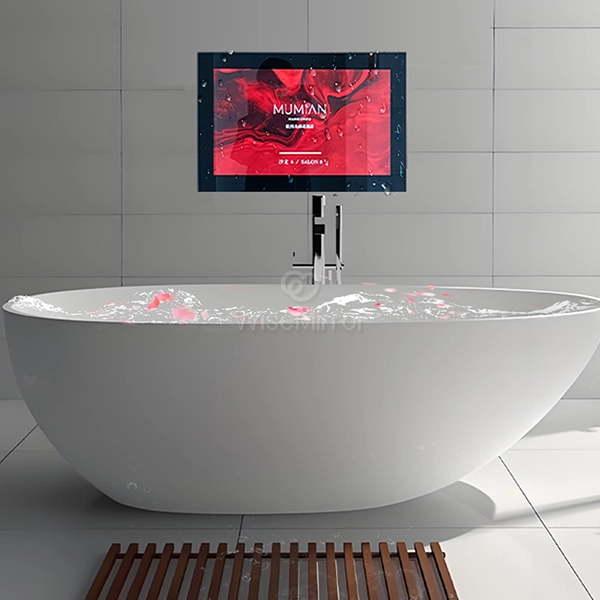
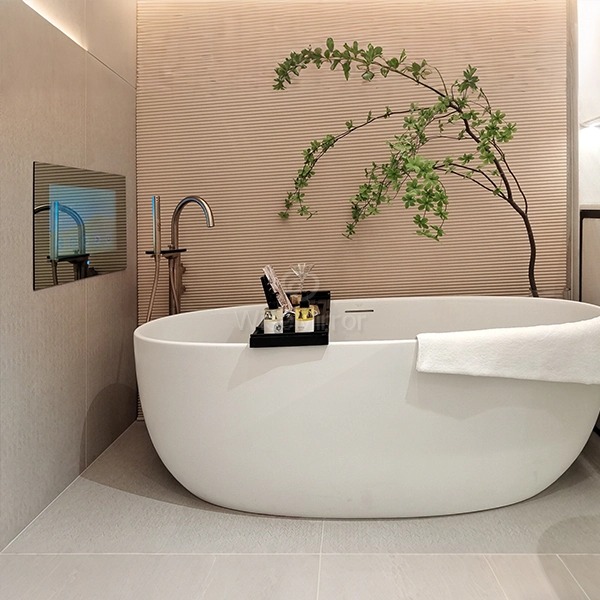
The global market for lighted smart mirrors is changing quickly, and wholesalers who work with the hotel, real estate, and business sectors need to keep up with new trends. One of the fastest-growing categories is lighted smart mirrors, which are in high demand from high-end hotels, real estate companies, and fitness centers that want to improve guest experiences while adding waterproof, energy-efficient technology. Understanding these changes helps procurement teams plan how to act in a market that is becoming more competitive and where choices about what to buy are based on flexibility, IoT integration, and following the rules.
Current Landscape and Core Trends of the Lighted Smart Mirror Market
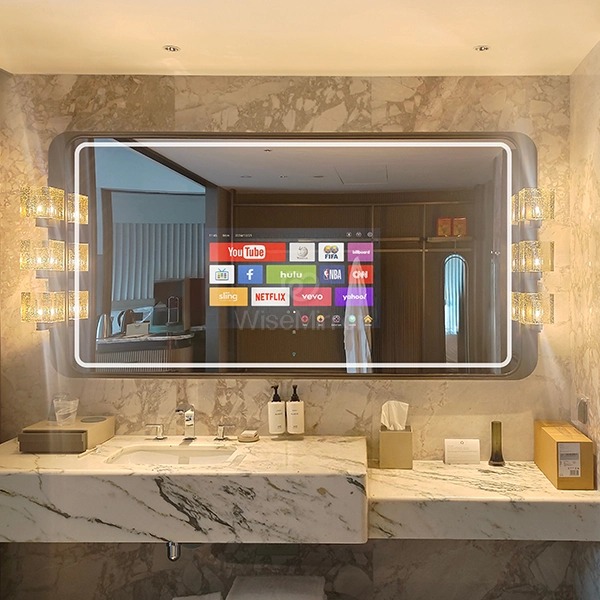
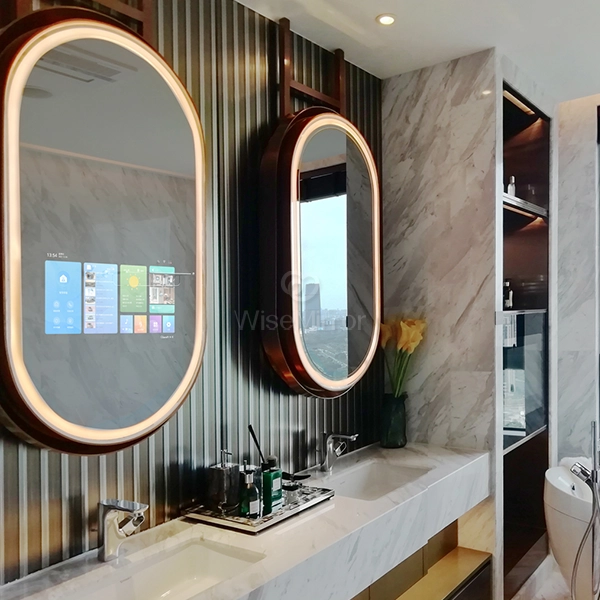
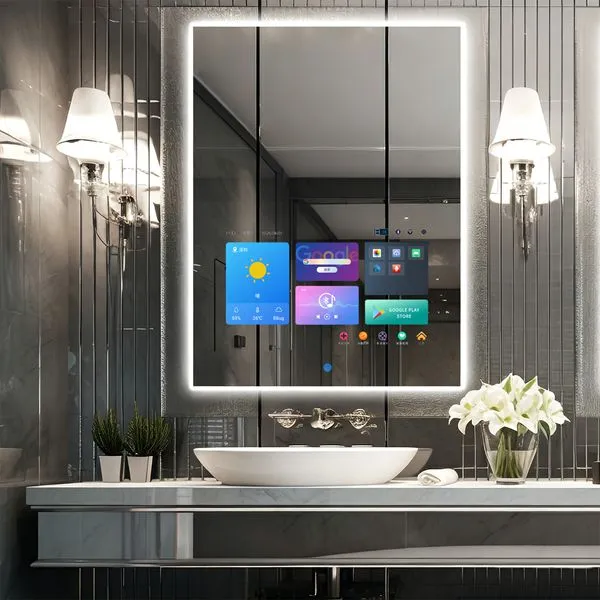
Today's lighted smart mirrors do more than just reflect light; they also have environmental sensors, lighting systems that can be adjusted, and digital connections. The hotel industry really likes mirrors with natural light, warm white, and cool white settings that get rid of shadows while getting ready. Purchasing managers at hotels now put a high priority on Products that offer Bluetooth audio streaming. This way, guests can listen to news reports or background music while doing their morning routines, turning boring bathroom moments into fun ones.
Integration of Smart Features in High-End Projects
Modern setups work well with property management systems because they can be controlled by voice commands with Google Home and Alexa. This combination meets an important need in high-end resorts and serviced flats, where guests' happiness is directly linked to how easy it is for them to do things. Anti-fog nano-coating technology makes sure that mirrors stay clear even in steamy spa baths, which is a problem that people often have with regular mirrors. In competitive real estate markets, developers working on show flats are adding these features more and more to make their houses stand out.
Energy Efficiency Driving Procurement Decisions
The cost of running hotel companies with hundreds of guest rooms has gone down a lot thanks to LED lighting technology. Adaptive brightness sensors change the light automatically based on the amount of light in the room. This uses up to 40% less electricity than standard vanity lighting. This makes things run more smoothly, which is good for wellness centers and exercise centers that want to keep clients visible while they clean themselves. Total cost of ownership is what procurement teams look at instead of the original purchase price. This means that energy performance is a key issue.
Waterproofing Standards for Commercial Bathrooms
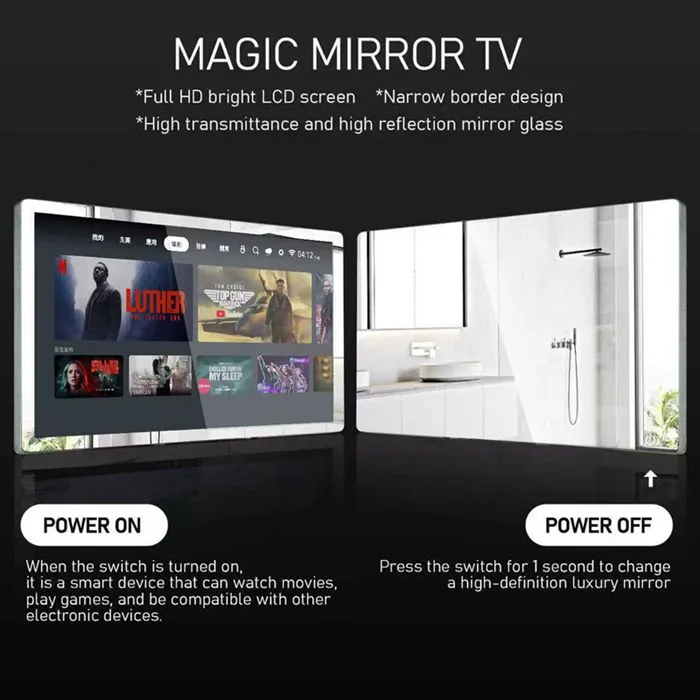
Professional installations are different from individual items because they are waterproof to a commercial grade. Hospitals and clinics need IP67-rated shelters that can be cleaned often with industrial disinfectants. Beauty shops, on the other hand, need surfaces that are easy to clean and won't leave behind makeup residue. Because of these requirements, wholesalers and makers must work together closely to make sure that safety standards are met, such as CE and FCC compliance for the US market.
Comparative Insights: Lighted Smart Mirrors vs Conventional Mirrors and Other Options
Distributors can help clients find the best lighted smart mirror options by evaluating product groups. Traditional bathroom mirrors offer a simple image at a low cost, but they don't have the features that current hotel standards require. Vanity mirrors with bulbs around the edges let you change the lighting, but they use a lot of energy and need to have their lights replaced all the time, which is a maintenance headache for hotel engineering departments. Lighted smart mirrors are a better deal because they have built-in LED panels that light up the whole mirror surface without casting any shadows. In contrast to stand-alone lighting elements, these systems make installation easier and allow you to change the color temperature, which is a feature that interior designers use to improve the look of bathrooms. For business tourists with tight plans, being able to see the time and set alarms directly on the mirror surface is very useful.
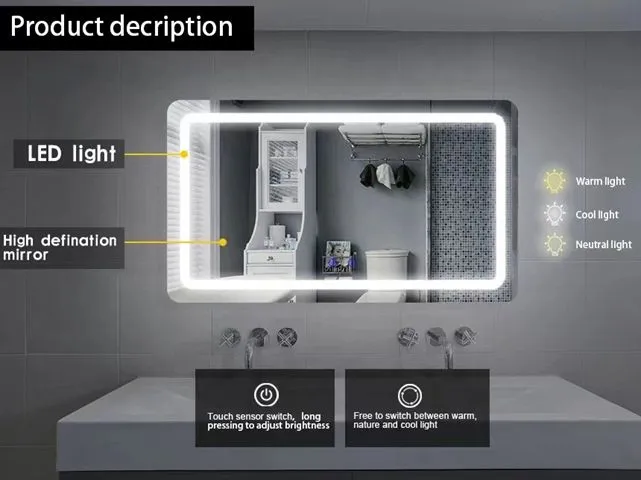
Functional Advantages in Professional Settings
Beauty shops say that customers are happier when makeup artists use true-color lighting modes that make the lights look like daylight. Interactive displays are used in stores to show customers virtual versions of products. This turns mirrors into marketing tools that get customers more involved. By adding smart mirrors to changing rooms, gyms create high-end environments that explain charging higher membership fees. This shows how choosing the right products can help a business make more money.
Market Positioning for Different Budget Tiers
There are options in the 2026 market that range from very cheap to very expensive. For example, projects that want to stay within their budget might choose waterproof 20-inch models with basic lighting settings that would work in standard hotel rooms. For presidential suites at high-end properties, 100-inch frameless installs with augmented reality features would be required. By understanding this range, wholesalers can serve a wide range of clients without lowering the quality standards. Mid-range options with 3 mm toughened glass and color temperatures that can be changed work well for most business uses and keep project margins at a good level.
Strategic Procurement: What Distributors Should Consider When Sourcing Lighted Smart Mirrors?
When looking for lighted smart mirrors, distributors should think about strategic procurement. Thoroughly evaluating suppliers is the first step to building good marketing relationships. Nano magnetron sputtering coating technology that stops oxidation over 10+ year lifespans should be checked by quality assurance processes. This is an important requirement for hotel projects where early product failure hurts contractors' names. Warranty terms that last longer than the usual two years show that the maker is confident and lower the risk that the distributor is exposed to.
Supplier Capabilities and Customization Flexibility
Leading makers have their own UI design and software development teams that can make branded interfaces for hotel groups that want to make sure that guests have the same experience at all of their properties. Customization goes beyond software and includes being able to change the size of things to fit physical restrictions in historic building repairs or on cruise ships. MOQ (minimum order number) rules that start at one unit are good for distributors who are trying out new markets, and tiered pricing systems are good for developers who commit to large-scale projects. WiseMirror Intelligent is a good example of a company that meets these requirements because it has been in business for more than 15 years and has worked on major projects with China Resources Land, China Merchants Property Development, and Gemdale Group. Their knowledge of low-impedance ITO sensitive touch lamination technology makes it possible for fast interfaces that can handle the heavy use that is common in business settings.
Logistics and Lead Time Management
When you buy the lighted smart mirror internationally, you need to be sure that the shipping is coordinated well and that fragile mirror surfaces are protected during transit. Reliable suppliers offer shockproof packaging and door-to-door shipping services that make it easier for distributors who don't have special handling tools to keep track of their goods. Lead times of 15 to 30 days are in line with building plans, but wholesalers should keep extra stock on hand in case hotels need to repair parts quickly.
Certification Requirements for United States Distribution
Products that want to be sold in the United States have to show that they meet building and electricity safety standards. While CE and FCC certifications are the minimum standards, some places may require extra testing for water resistance rates in bathroom installs. When distributors work with certified makers, they avoid costly delays in compliance and possible liability, making themselves look like knowledgeable advisors instead of just product sellers.
Future Market Trends and Technological Evolution Impacting Distributors
Adding artificial intelligence is the next big thing for lighted smart mirror technology. New goods use patterns of user behavior to change lighting choices automatically based on daily habits or use image analysis to find skin problems. At the moment, these features are only available on high-end models. But as the prices of the parts go down, they will be added to mid-range models as well, giving early users new options.
IoT Ecosystem Expansion
Smart building control systems are becoming more common, which means that mirrors can be used as data collection points in bigger networks. More and more, hotel owners are interested in products that offer occupancy data, energy consumption reports, and predictive maintenance alerts that help them run their businesses more efficiently. By learning more about system integration standards, distributors place themselves as strategic partners instead of just transactional sellers.
Sustainability and Material Innovation
Demand for goods made with recycled materials and energy-efficient production methods is driven by companies' pledges to sustainability. Hospitality brands that want to get LEED approval for new buildings list the parts that contribute to green building points. This gives environmentally conscious distributors a chance to stand out. Longer product lifespans lower the total cost of ownership and reduce the amount of electronic waste, which is a strong value argument during procurement talks. Modular design ideas allow for fixes at the component level instead of replacing the whole unit, which is appealing to building managers who have to balance budgetary needs with environmental goals. Distributors that offer refurbishment services for older systems build customer trust and create ongoing revenue streams.
Installation and Application Best Practices for Lighted Smart Mirrors
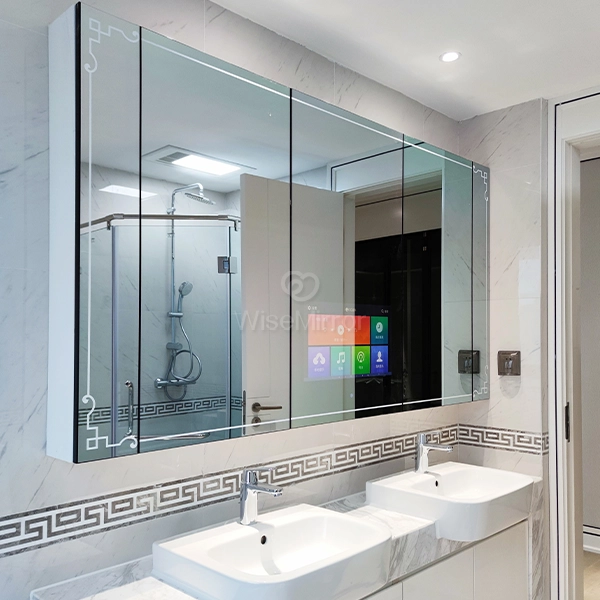
Following the right steps for installation makes sure that the lighted smart mirror works the way the maker says it should and meets customer standards. For commercial setups, you need qualified electricians who know how to set up bathroom electrical systems with ground fault circuit interrupters (GFCIs). Different types of wall materials must be supported by mounting hardware, from plywood in homes to reinforced concrete in hospitals. This means that fastening systems must be designed for each type of wall.
Hospitality and Hotel Applications
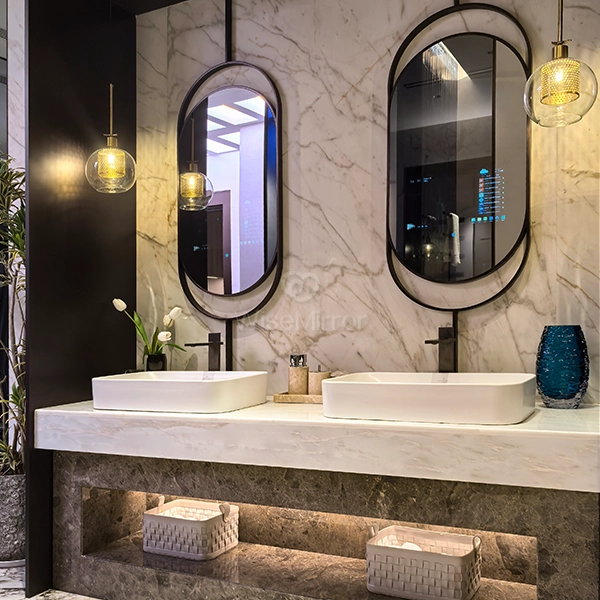
Luxury hotel baths have mirrors that are the right size for the vanity, which is usually between 36 and 60 inches for normal guest rooms. For bigger setups with entertainment features like streaming video for morning news shows, presidential rooms are a good choice. Placement height should be flexible to suit a wide range of guest types while still meeting ADA standards for accessible rooms. When a smart home is integrated, cleaning staff can return mirrors to their original settings between guests' stays, making sure that all guests have the same experience. Connectivity to a property management system lets one place keep an eye on the state of devices in hundreds of rooms. This lets repair teams know about connectivity problems before guests do.
Healthcare and Wellness Facilities
Surfaces that are easy to clean between patients are highly valued in medical settings. Frameless designs get rid of cracks where bacteria can hide, and antibacterial finishes add extra protection. Adjustable lighting helps patients who have trouble seeing while they're cleaning, which adds to their dignity during care. Soft, warm lighting styles in spa setups encourage relaxation by matching the mood of the treatment rooms.
Retail and Commercial Spaces
High-end shops use smart mirrors as engaging sales tools by showing customers information about products on top of their images or letting them virtually try on accessories. Beauty shops set up mirrors with true-color lighting that shows details about makeup application that can't be seen with regular electric lights. Fitness centers make settings that are motivating by putting up workout data or motivational content on mirrors during workouts.
System Integrator Partnerships
Working together with AV system installers and smart home experts helps you reach more customers than you could through normal methods. These partners are interested in goods that have open APIs that can be used for custom programming and that work reliably in complex robotic systems. By offering expert documentation and integration help, distributors set themselves apart as informed tools rather than commodity sellers, which is why they can charge higher prices.
Conclusion
In conclusion, the lighted smart mirror market has a lot of possibilities for distributors who understand how customer needs change in the business, real estate, and hospitality industries. To be successful, you need to work with makers that can customize their products, offer strong guarantee support, and make sure they follow international safety standards. Distributors can help clients make investments that will pay off in the future by staying up to date on new technologies in areas like IoT integration, energy saving, and AI-powered features. Long-term relationships with developers and hotel companies in charge of big projects can be built through procurement strategies that focus on the total cost of ownership rather than the original price points. Those who follow these rules will be able to meet the growing demand for smart mirrors, which are moving from being a luxury feature to being expected in high-end homes.
FAQ
What distinguishes commercial-grade lighted smart mirrors from consumer products?
Commercial lighted smart mirrors need to be waterproof up to IP67, built to resist damage, and come with long guarantees that cover 24/7 use. Industrial-grade parts can handle changes in temperature and humidity levels higher than those found in homes, and software platforms that can be customized meet the needs of property branding. The requirements for the purchase should check that the nano-coating is long-lasting, that sensitive touches still work after being used many times, and that it works with building automation protocols. Manufacturers that work with the hotel industry offer fitting help and replacement parts so that fixes take as little time as possible.
How do energy-efficient features impact total cost for hotel projects?
Compared to standard vanity lighting, LED lighting systems with adaptive brightness sensors use 30–40% less power. This saves a lot of money for hotels with hundreds of rooms. Operational lifespans of more than 50,000 hours reduce the need for repair workers and the work of managing supplies. Compliance with Energy Star standards could lead to refunds or benefits for green building, which would increase the project's return on investment (ROI). Distributors should give buying teams energy consumption estimates and payback times to help them defend higher prices during budget reviews.
What customization options matter most to real estate developers?
Dimensional adaptability that can accommodate different building designs is the most important thing, especially for high-end homes that want to look unique. Premium positioning is strengthened by branded user interfaces that show property names during startup processes. Integration with smart home platforms that are already in place stops technology from being split up in ways that make people unhappy. Developers like it when suppliers offer design advice services and fast prototyping for installation in show apartments. This lets developers see what the finished product will look like before they commit to large-scale orders.
Partner with WiseMirror Intelligent for Your Next Project
WiseMirror Intelligent has all the options distributors need to find a trusted seller of lighted smart mirrors. Our factory in Shenzhen uses nano magnetron sputtering covering technology and has been in the business for more than 15 years. China Resources Land, Gemdale Group, and luxury hotels around the world trust the goods they make. Our custom options range from 20-inch small setups to 100-inch show pieces, and all of them come with two-year warranties and technical help available 24 hours a day, seven days a week. Our in-house software development team makes unique interfaces that are exactly what your clients want. ISO-certified production makes sure that the quality is the same for all large orders, and lead times are as short as 15 days. Our flexible solutions can be used for a wide range of buying needs, from hotel projects that need waterproof bathroom mirrors to business developments that need smart homes that can connect to the internet of things (IoT). Get in touch with our team at info@wisemirror-int.com to talk about how our lighted smart mirror maker services can help your products stand out and build stronger relationships with clients by providing better performance and dependability.
References
Johnson, M. & Peterson, L. (2023). Smart Mirror Technology in Hospitality Design: Integration Strategies for Luxury Properties. Journal of Hotel Engineering and Management, 18(4), 112-129.
Chen, S. (2024). Energy Efficiency Standards for Commercial Lighting Systems in the United States: Compliance and Best Practices. Building Technology Review, 31(2), 45-63.
Williams, R., Thompson, K. & Davis, A. (2023). IoT Integration in Smart Building Management: Case Studies from High-End Residential Projects. International Journal of Property Development, 12(3), 78-94.
Martinez, E. (2024). Waterproofing Technologies for Commercial Bathroom Applications: Material Science and Performance Testing. Construction Materials Quarterly, 27(1), 34-51.
Anderson, P. & Liu, W. (2023). Procurement Strategies for Smart Home Technology in Real Estate Development. Journal of Commercial Property Management, 19(4), 156-173.
Taylor, H. (2024). Market Analysis: Smart Mirror Adoption Rates Across Global Hospitality Sectors. Hospitality Technology Insights, 14(2), 89-107.