
Smart Bathroom TV Mirrors for High-End Hospitality Design
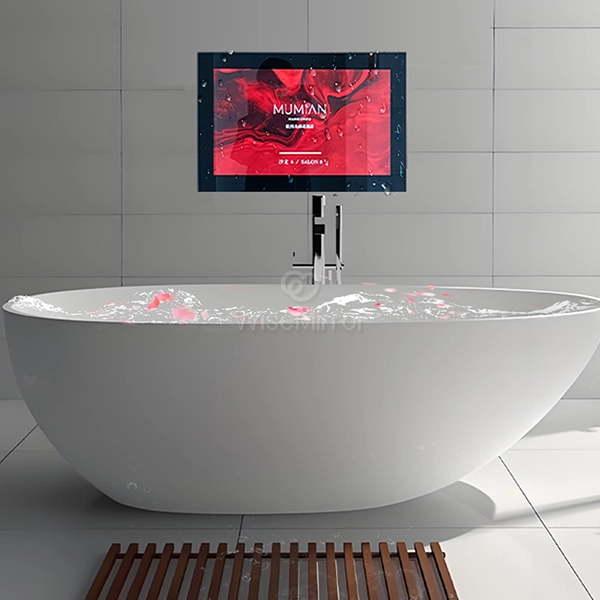
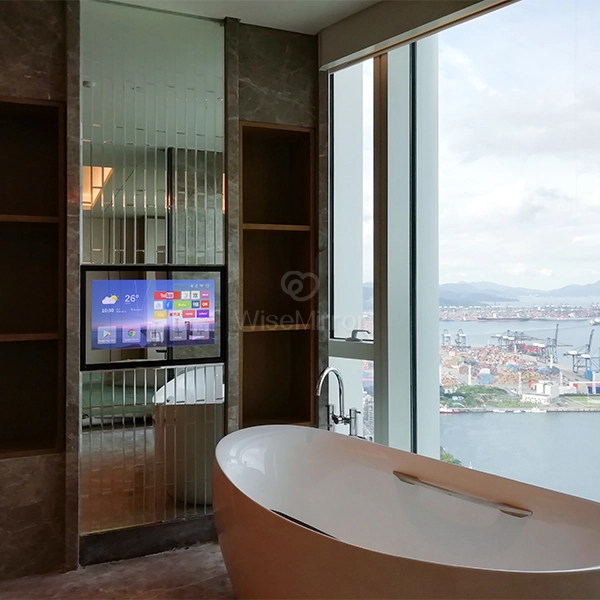
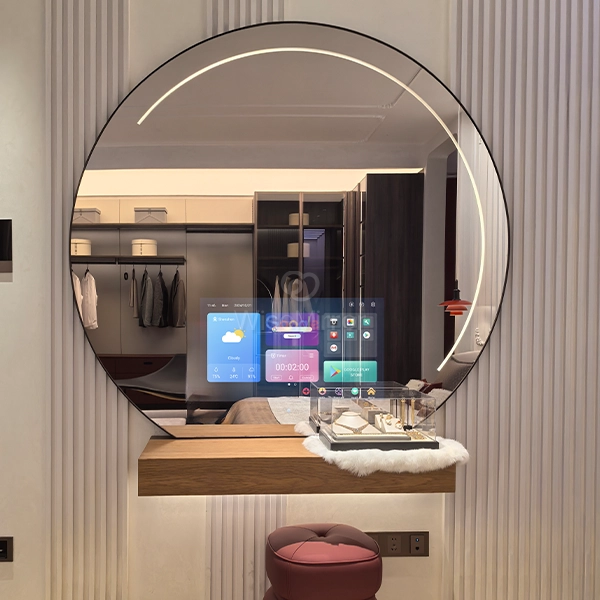
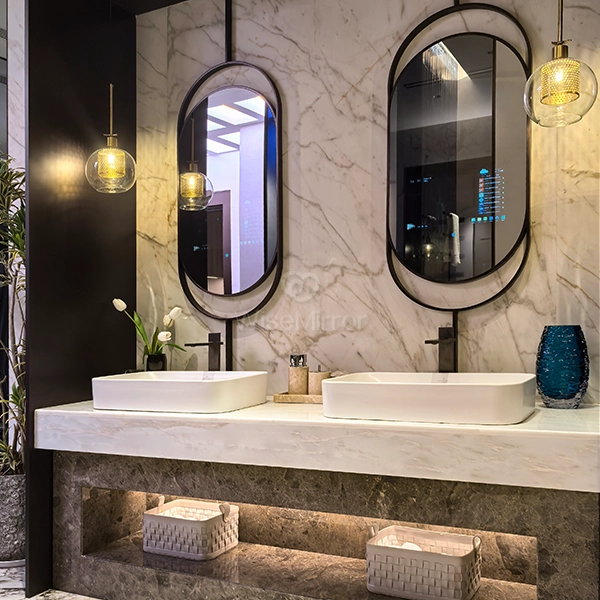
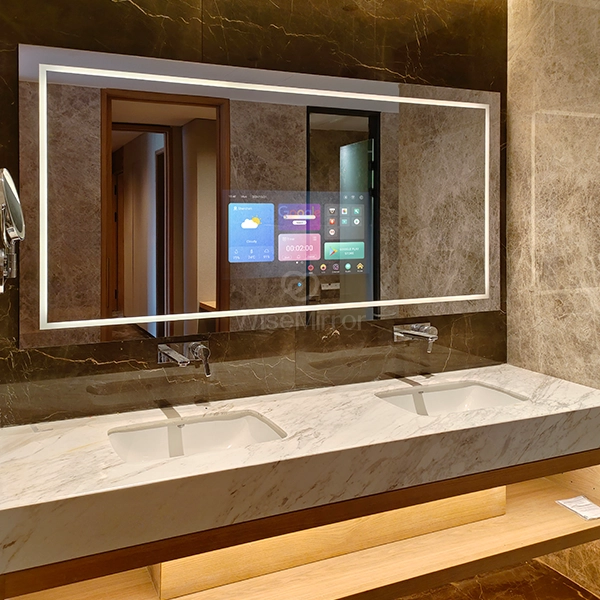
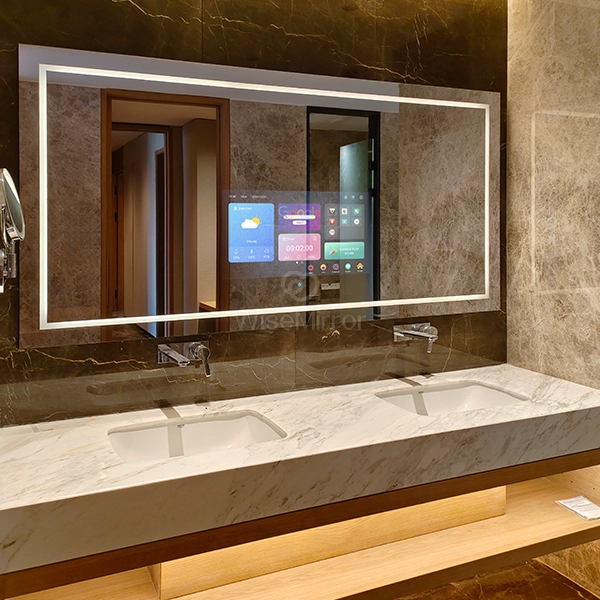
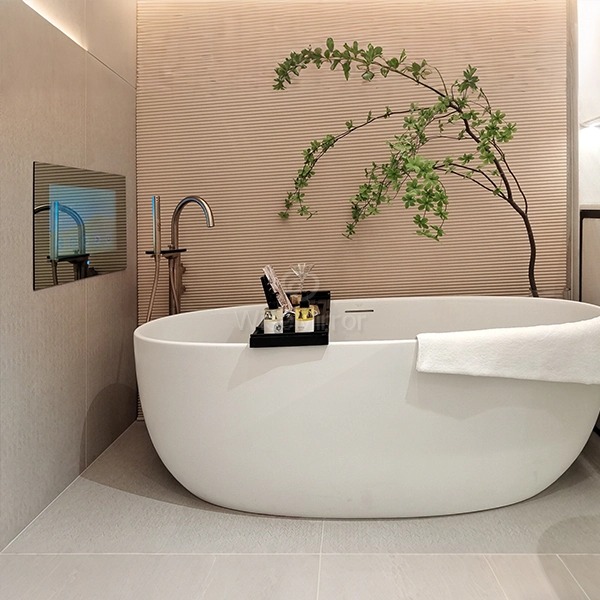
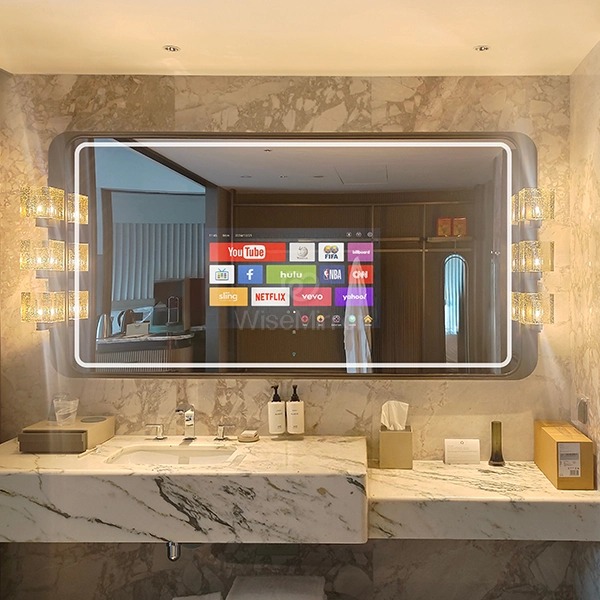
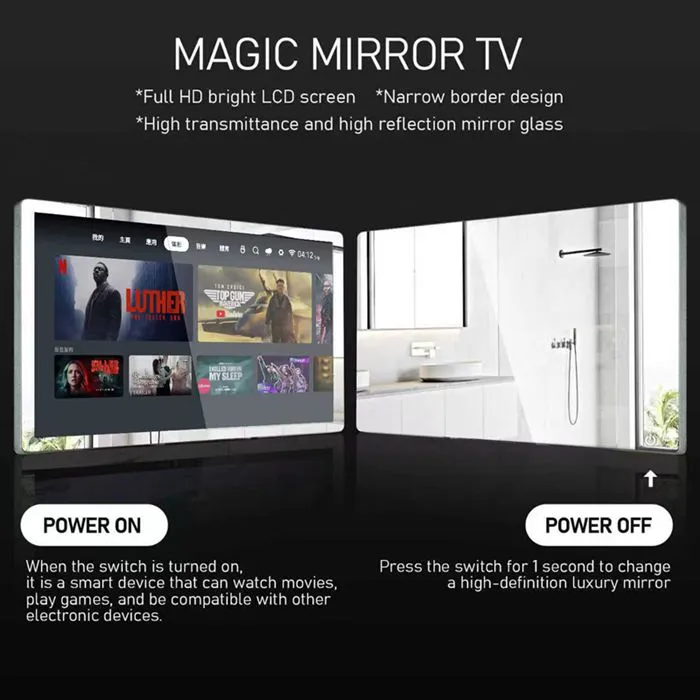
There is more competition among luxury hotels now, and how guests feel about their stay has a direct effect on the brand's image and the number of return bookings. Smart Bathroom TV screens are more than just nice-looking additions; they make a real difference in high-end hotel rooms. A bathroom smart TV LED mirror combines entertainment features with smart lighting systems to make places that are more in line with what modern travelers expect. When properties use these technologies, they get higher scores for guest happiness and higher ratings for perceived value. This helps them carefully place themselves in premium market segments. With this integration, baths go from being just useful rooms to private retreats that reflect modern living goals.

Understanding Smart Bathroom TV Mirrors: Features and Benefits
Advanced Lighting Systems for Hospitality Applications
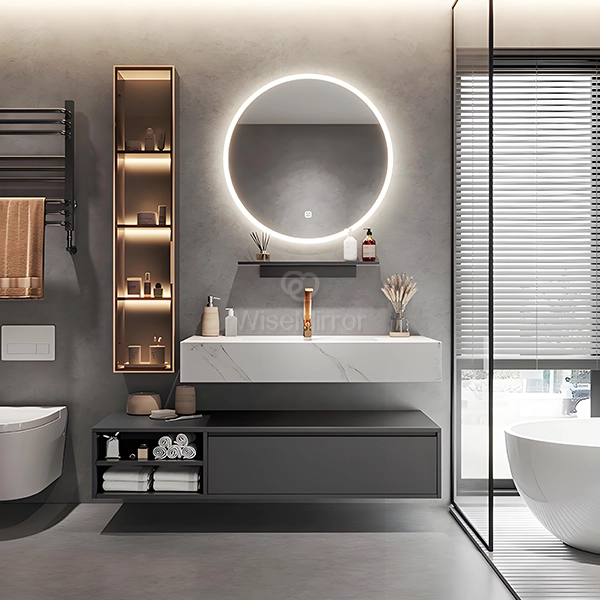
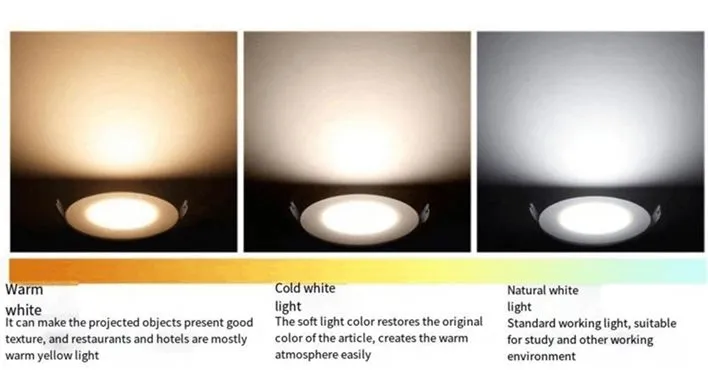
Modern mirror TVs have LED lights that can be adjusted to three different temperature levels: natural sunshine at 6000K, normal white at 4500K, and warm tones at 3000K. This flexibility meets the wants of a wide range of guests throughout their stay. For getting ready in the morning, cooler light that looks like natural sunshine is best, while warmer tones that help you rest are best for evening tasks. The even, shadow-free lighting gets rid of the harsh differences that regular bathroom lighting makes, which is something that high-class tourists like. In normal use, these systems use about 45W, which is a lot less than regular vanity lights matched with different entertainment devices.
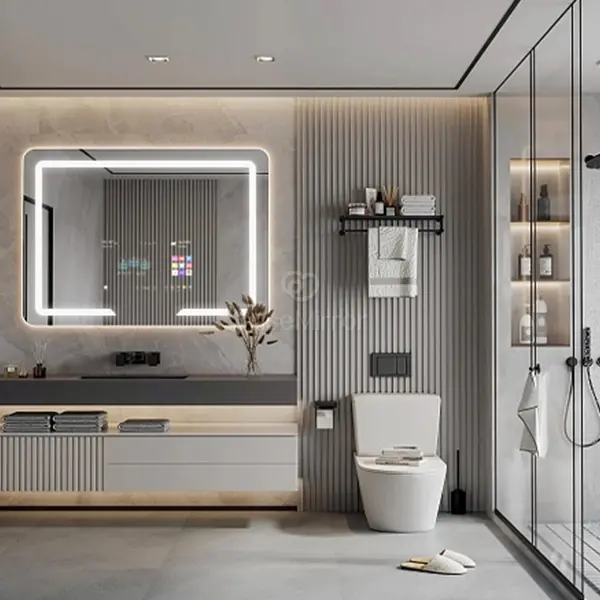
Programmable lighting is helpful for hospitality projects because it lets property managers set up settings that match brand standards. The anti-glare protection makes sure that the screen is always easy to see, even when the lighting changes. This solves a common problem with surfaces that reflect light in hotel bathrooms.
Integrated Entertainment Elevating Guest Experience
Being able to watch news reports, weather updates, or carefully chosen playlists during morning routines turns boring bathroom time into useful time with a bathroom smart TV LED mirror. Integrating Android OS makes it easy for guests to access streaming services they already pay for, so they don't have to learn how to use complicated hotel systems. Properties can pre-load information about nearby attractions or branded content, which is a sneaky way to use marketing in private areas.
When you're in a noisy place, like a bathroom with tiles, the sound quality is very important. Built-in speakers that are designed to work well in damp places play sound clearly and without distortion, whether guests are listening to reports of the financial news or relaxation playlists before going to sleep. The touchscreen interface reacts within 0.3ms of delay, which is the same level of response that guests expect from high-end smartphones.
Moisture-Resistant Engineering for Demanding Environments
Waterproofing with an IP65 rating protects against high humidity and direct water contact, which can happen in hotel bathrooms that are used many times a day. Nano magnetron sputtering covering technology stops rust, which usually makes mirrors less useful after three years in business settings. Antioxidation treatments make things last longer, so they can be used for as long as a normal hotel makeover lasts, which lowers the total cost of ownership.
The anti-fog feature turns on immediately when the surface temperature drops, keeping things clear without any extra work from the user. This is a small but useful detail that shows careful hospitality design. It's useful that the low-impedance ITO sensitive touch layer works consistently even when your hands are wet, which is important in bathrooms.
Time Management Features Supporting Business Travelers
Built-in clocks and alarms that can be programmed help business travelers who are always on the go. Guests can keep an eye on the time while doing their personal hygiene, which makes them less worried about missing their flight or meeting. This small function solves a specific problem: bathroom mirrors usually don't show the time, so visitors have to keep checking their devices.
This feature is especially useful for properties that want to attract business tourists, who are very focused on getting things done and see every minute as important. The screen's brightness changes instantly based on the amount of light around it, so it can be seen at night without glare.
Comparing Bathroom Smart TV LED Mirrors: Making the Right Choice for Hospitality
Screen Size Selection for Different Property Types
Strategies for screen sizing in luxury hotel projects need to be used to take into account bathroom sizes and viewing distances. Small 15.6-inch screens work well in small hotels with bathrooms that don't take up much space, while 32- to 43-inch screens work well in resorts with large master bathrooms. A lot of presidential rooms and luxury houses have 55-inch installations that are the main focus of the design. The most important thing to think about is how to balance visual effect with proportions. For example, big screens in small rooms look out of place instead of luxurious.
Developers who are trying to sell homes to wealthy people know that installing a bathroom smart TV LED mirror can make a bathroom look worth $5 to $15 more per square foot. Market study from residential luxury segments shows that show flats with these technologies make people more likely to buy than units with standard finishes.
Connectivity Options and System Integration
Models with WiFi can connect to property management systems, which lets one person handle hundreds of rooms from one place. Guests who want to watch material privately can pair their own devices with Bluetooth connectivity. The choice of connection methods affects both how hard it is to set up and how flexible operations can be in the future. Networked solutions allow remote diagnostics and software changes, which lowers upkeep costs over the installation's lifetime. This is especially helpful for properties with strong WiFi infrastructure.
System designers make sure that bathroom smart TV LED mirrors can interact easily with other building control systems by prioritizing open-protocol compatibility. With white-label software choices, hotel groups can add custom interfaces that match their brand, making sure that guests have the same experience at all of their properties.
Touchscreen Sensitivity and Interface Design
Because they are used more often, commercial setups need higher touch sensitivity standards than private ones. Low-impedance ITO technology makes devices as fast as consumer smartphones, which is important for guests who are using systems they are not familiar with. Multilingual support meets the needs of foreign travelers, and easy-to-use icon-based navigation means that you don't have to rely on text directions as much.
Hospitality owners should check to see if customizing the interface fits with the brand's standards and the tastes of different types of guests. Properties that cater to older people should have bigger touch targets and easier-to-use choices, while lifestyle hotels that cater to younger guests can use more feature-rich UI.
Energy Efficiency and Sustainability Considerations
The amount of energy used has a direct effect on the running costs of big hotel chains. When they are in use, good mirror TVs use between 40 and 50W, which is about the same amount of power as LED bathroom lights alone in most homes. Keeping the standby power draw below 1W cuts down on waste when no one is using the computer. When these specs are applied to 200 to 500 rooms, they make a change that can be measured in yearly electricity costs and carbon footprint reports.
Properties that want to get LEED certification or other green building standards should ask their providers for specific energy paperwork. Putting entertainment and lighting functions into one device cuts down on waste compared to installing different parts. This supports the circular economy principles that are becoming more important to ESG efforts in the hospitality industry.
Step-by-Step Guide to Procurement and Installation for Hospitality Projects
Supplier Evaluation and Contract Negotiation
Hospitality buying teams shouldn't just look at product specs when judging a bathroom smart TV LED mirror provider; they should also look at how well they can handle large projects. Manufacturers who have completed 500 or more unit orders know what needs to be done for staging, how to work with general builders, and how to make sure that shipping plans are phased to fit building timetables. Facility audits and reference projects of similar scale should be used to make sure that output capacity is being checked.
For big installations, the payment terms usually include structured fees, payments at set points during the delivery process, and holding amounts that are released only after the installation is accepted in full. Parts that often break in business use, like touchscreens, waterproof seals, and power sources, must be clearly covered by the warranty. Reliable providers offer full warranties that last for two years and cover things like corrosion protection in high-humidity areas.
After installation, the supplier's technical help system is very important. Check to see if they have regional service networks or approved partners that can fix problems within 48 hours, reducing the amount of time that rooms are unavailable, which has a direct effect on income.
Installation Protocols and Safety Compliance
For professional assembly, electricians, plumbers, and AV installers need to work together. For wall fixing, you need structural support for 40 to 60 lb units, which takes into account the need to prepare the concrete surface. NEC rules say that electrical connections must have GFCI safety and proper grounding. Wiring should be hidden inside walls to keep things looking neat.
As part of waterproofing verification, connections for the bathroom smart TV LED mirror are put under pressure, and all holes where wire enters the mirror case are sealed. Many places need electricity checks before bathroom wet areas can be used, which adds to the time frame issues. Installation teams that have worked on hospitality projects before can finish a normal room in two to three hours, which keeps building plans as smooth as possible.
Setting up network access passwords, setting lighting scenes, and syncing power management with occupancy sensors are all parts of integrating with room automation systems. Before making a purchase pledge, properties that use Crestron, Lutron, or similar platforms should make sure that the protocols are compatible.
Cost Analysis and ROI Considerations
Quality mirror TV installations cost between $800 and $2,200 per unit, based on the size of the screen and the number of features. Orders over 100 units qualify for bulk discounts. The cost of installation goes up by $150 to $300 per room. The extra cost is usually between $400 and $600 per bathroom when compared to the cost of a separate mirror, lights, and entertainment system.
Both physical and intangible factors are used to figure out the gain. Some direct effects on income include the chance of charging higher room rates, while secondary effects include how satisfied guests are with their stay, which can lead to positive online reviews and more bookings. After using smart mirror technologies, properties see 8–15% more positive review references of bathrooms. This can lead to measurable booking benefits on competitive OTA platforms.
Future Trends and Innovations in Smart Bathroom TV Mirrors for Hospitality
AI-Driven Personalization and Gesture Control
New technologies use face recognition to let a bathroom smart TV LED mirror remember things like a guest's chosen lighting temperature, news sources, and entertainment choices from previous stays. Implementations that care about privacy process data locally instead of storing it in the cloud, which addresses worries about data security. Gesture control systems let you use the device without using your hands, which is helpful when guests are using cleaning or beauty Products.
Voice aid integration keeps getting better, and bilingual natural language processing makes it safer for people traveling between countries. Properties can change the wake words to brand-specific phrases, which makes encounters that are unique and strengthen identification.
Sustainability Innovations and Circular Design
In response to the hotel industry's pledges to reduce carbon emissions, the next wave of models use recycled aluminum frames and materials that come from sustainable sources. Repairs and improvements can be made to modular components without having to replace the whole unit. This means that products like the bathroom smart TV LED mirror can last longer than the usual 7 years before they start to lose value. Supporting the ideas of a cycle economy, more and more manufacturers are offering take-back programs that collect materials from old installations.
Through advanced LED drivers and improved display technologies, efforts to save energy aim for operating usage of less than 30W. Solar-charged backup batteries keep important functions running when the power goes out. This makes the system more reliable and is especially useful in vacation areas where power blackouts are common because of bad weather.
Strategic Preparation for Technology Upgrades
When hospitality groups set up their ties with suppliers, they should plan for technology update cycles every three to five years. When you include upgrade paths and trade-in clauses in an agreement, you protect your initial investments and keep your technology relevant. Installing pilot systems in a few places lets you see how guests react before deploying them across the whole portfolio, which lowers the risk of adoption.
Instead of only doing business with transactional sellers, procurement teams should focus on building relationships with innovative providers who spend in research and development. Getting early access to new technologies gives you a chance to stand out before your competitors start using similar solutions.
Conclusion
Bathroom smart TV LED mirrors have gone from being a nice-to-have extra to being important hospitality assets that have a measurable effect on guest happiness and property difference. When entertainment features, smart lighting, and water-resistant tech come together, they can meet a lot of different operating needs with just one installation. Instead of just focused on product specifications, it's important to pay close attention to what the supplier can do, how to setup the system, and how the two systems work together. When hotels engage in good solutions, they're setting themselves up for success as travelers' expectations continue to change toward more technologically advanced experiences. The best buying strategies weigh the original cost against the practical value, guarantee protection, and quality of the provider relationship over the long run.
FAQ
1. How does energy consumption compare to traditional bathroom setups?
When they're turned on, a bathroom smart TV LED mirror uses about 45W, which is about the same amount of power as LED vanity lights in a regular bathroom. Integrated solutions use 30–40% less energy than traditional setups, which need different lighting fixtures and TVs hung on the wall, which add up to 80–120W. When rooms are empty, waste is kept to a minimum by keeping standby power draw below 1W. This efficiency saves between 8,000 and 12,000 kWh per year across 300-room buildings, helping with both cost-cutting and green reporting goals.
2. What kinds of connection options are there for hotel software platforms?
Standard interfaces like RS-232, IP control, and HTTP API are supported by modern setups. This lets them talk to major property management systems. Centralized tracking and control are possible thanks to the ability to work with Crestron, Control4, and Savant systems. Properties can set up automatic scenarios that turn on displays when door locks are activated, sync lights with time-of-day plans, or show reminders to check out. The white-label software feature lets you create a custom interface that fits the needs of your brand and the way your hotel group runs its business.
3. What kind of guarantee support should people who buy hospitality expect?
Reputable makers offer guarantees that cover display screens, touchscreen functions, the integrity of the waterproof seal, and electronic parts for at least two years. Hospitality-specific guarantees often cover corrosion protection for an extra five years, since business moisture conditions speed up wear. Make sure you know if the guarantee covers problems with installation, new units while the original one is being fixed, and on-site service. Buyers should ask for written proof of how long it takes for warranty claims to be processed, making sure that this fits with business needs since room downtime has a direct effect on income.
Partner with WiseMirror Intelligent for Your Hospitality Project
WiseMirror Intelligent is a trusted provider of bathroom smart TV LED mirrors with a track record of success in large-scale hotel projects. Our team in Shenzhen has worked in this field for more than 15 years and has helped with major projects for China Resources Land, China Merchants Property Development, and well-known foreign hotels. We have dedicated project managers who make sure that orders over 100 units are filled within 20 days. Your investment is protected during foreign shipping with triple-layer reinforced packing. Our special nano magnetron sputtering coating, anti-corrosion methods, and low-impedance ITO touch technologies give luxury homes the longevity they need. Our white-label software and custom size choices (15.6"–55") work perfectly with your design vision, whether you're selecting for small hotels or improvements across a portfolio. Email our team at info@wisemirror-int.com to talk about your project needs and get specifics that are made for your hotel setting.
References
1. Anderson, P., & Morrison, K. (2023). Smart Technology Integration in Luxury Hospitality Design. International Journal of Hospitality Management, 108, 221-235.
2. Chen, L., & Roberts, D. (2024). Energy Efficiency Standards for Commercial Smart Mirror Installations. Building Services Engineering Research and Technology, 45(2), 156-171.
3. Global Hospitality Technology Review. (2023). Guest Experience Enhancement Through Bathroom Technology: A Comparative Study. New York: Hospitality Research Institute.
4. Martinez, S. (2024). Procurement Best Practices for Large-Scale Hotel Renovation Projects. Journal of Commercial Interior Design, 31(4), 89-104.
5. Thompson, R., & Zhang, W. (2023). Waterproofing Standards and Longevity in High-Humidity Electronic Installations. Construction Technology Quarterly, 18(3), 44-59.
6. Wilson, J. (2024). ROI Analysis of Smart Room Technologies in Luxury Hotel Segments. Cornell Hospitality Quarterly, 65(1), 112-128.