
Professional Smart Mirror TV Solutions for Hotels and Retail Spaces
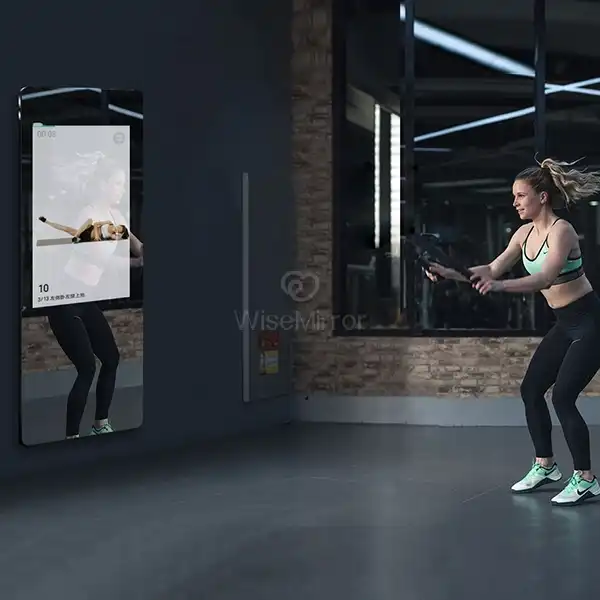
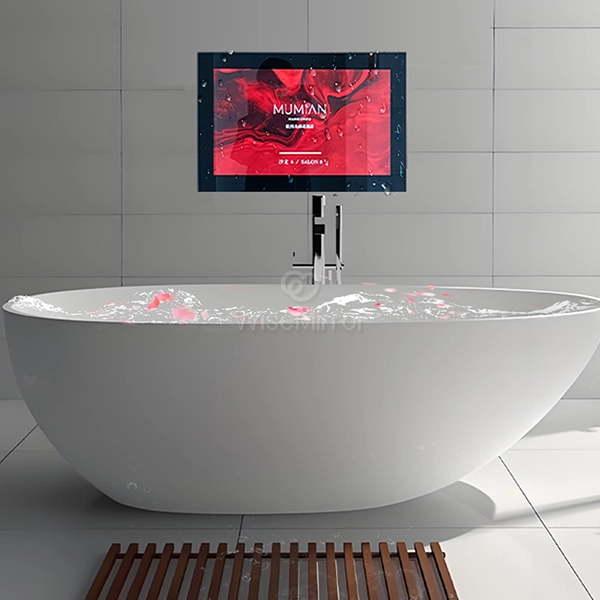
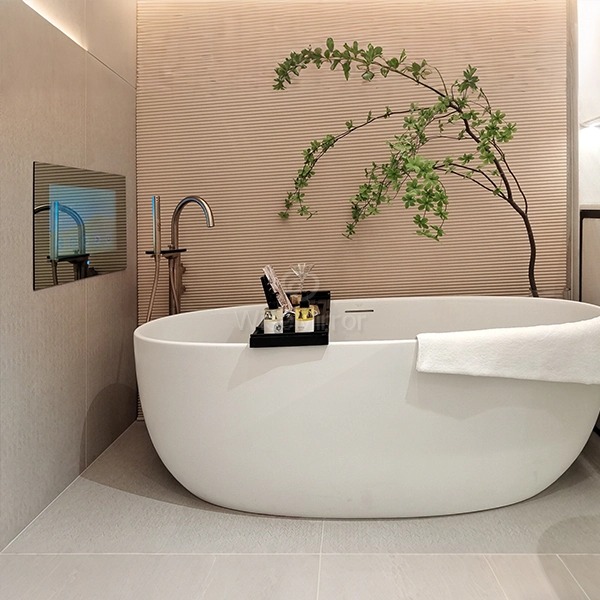
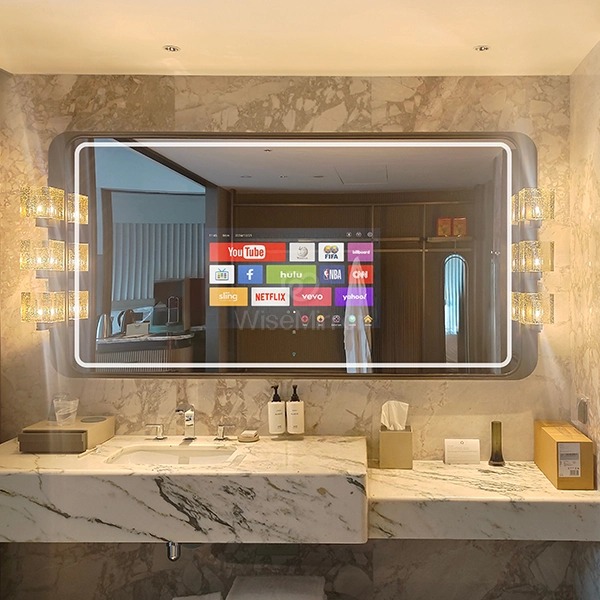
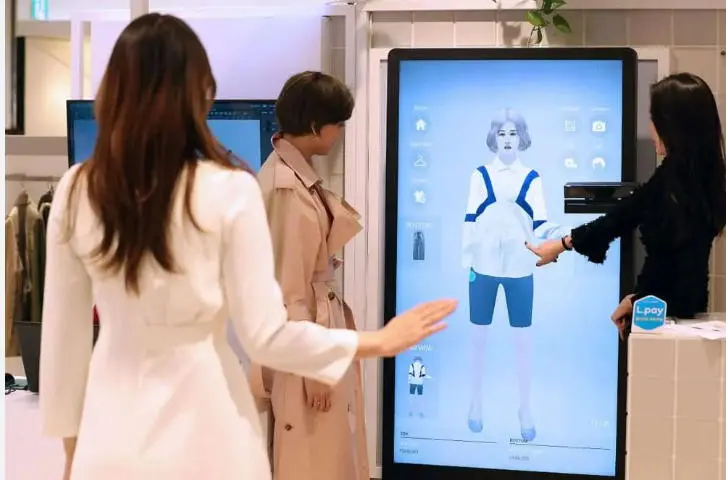
Professional smart mirror TV solutions combine cutting-edge display technology with premium mirror aesthetics, delivering transformative experiences for hotels and retail spaces. These solutions feature devices like the Commercial Smart Dressing Mirror, which seamlessly integrates interactive touch interfaces with flawless reflective surfaces. Hotels use them to enhance suite dressing areas with entertainment and smart home connectivity, while retailers deploy them in fitting rooms to offer AR try-ons and personalized styling. Built on stable Android platforms and engineered with waterproof, anti-fog, and explosion-proof glass, these mirrors meet the rigorous demands of luxury hospitality and high-end commercial environments where performance, safety, and design excellence are non-negotiable.
Understanding Commercial Smart Dressing Mirrors and Their Role in Hotels and Retail
Modern business settings need more than just basic amenities. They need smart solutions that combine functionality with style. In this way, interactive mirror systems have become necessary infrastructure for properties that want to stand out in a market full of competition.
What Makes a Commercial Smart Dressing Mirror Different
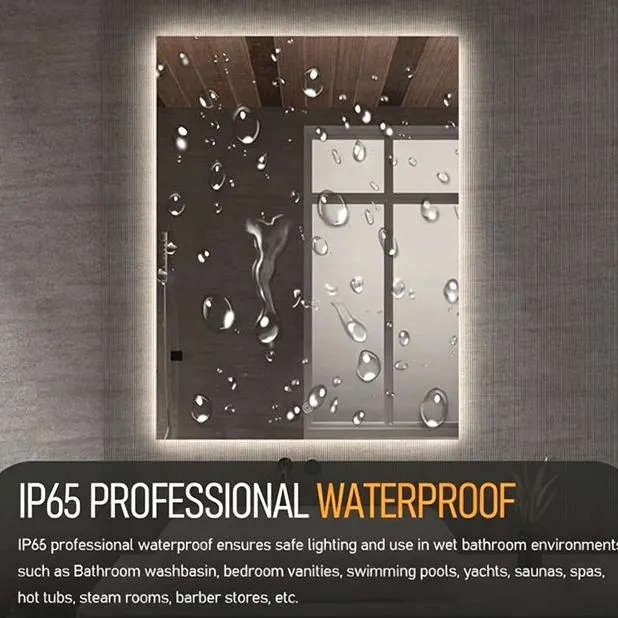
Unlike consumer-grade screens, commercial-grade units are made to work continuously in tough circumstances. Hotels get a lot of foot traffic every day, and guests expect everything to work perfectly, even if there is steam from showers next door or makeup residue buildup. Similar problems happen in retail changing rooms, so devices need to be able to work even during busy buying times and handle being touched all the time, changes in humidity, and different lighting conditions. The Commercial Smart Dressing Mirror solves these problems with industrial-grade parts, such as 5mm–8mm tempered safety glass with nano magnetron sputtering coatings that stop oxidation, low-impedance ITO capacitive touch technology with response times of less than 1ms, and Android 11–13 operating systems that work reliably even after thousands of activation cycles. Premium models have waterproof ratings of IP44 or IP65, which is necessary for setups near wet areas like hotel showers or dressing areas next to spas.
Core Technologies Enabling Premium Mirror TV Integration
Professional mirror TV options such as a Commercial Smart Dressing Mirror bring advanced visual technology and intelligent functions to high-end business environments. Through vacuum magnetron sputtering technology, multiple dielectric coating layers are added to glass substrates to create precise transmission-reflection ratios, allowing users to enjoy clear screen images when the display is on and a seamless mirror appearance when it is off. The Commercial Smart Dressing Mirror solves traditional black screen design issues while enhancing the luxury atmosphere of hotels, resorts, spas, and premium commercial spaces. Anti-oxidation and anti-corrosion treatments improve durability against cleaning Products, humidity, and daily use, while capacitive touch lamination enables convenient control of entertainment, lighting, and smart services. With customizable designs, waterproof protection, and commercial-grade reliability, the Commercial Smart Dressing Mirror provides an elegant and practical solution for modern hospitality and business applications.
Business Value in Hospitality and Retail Environments
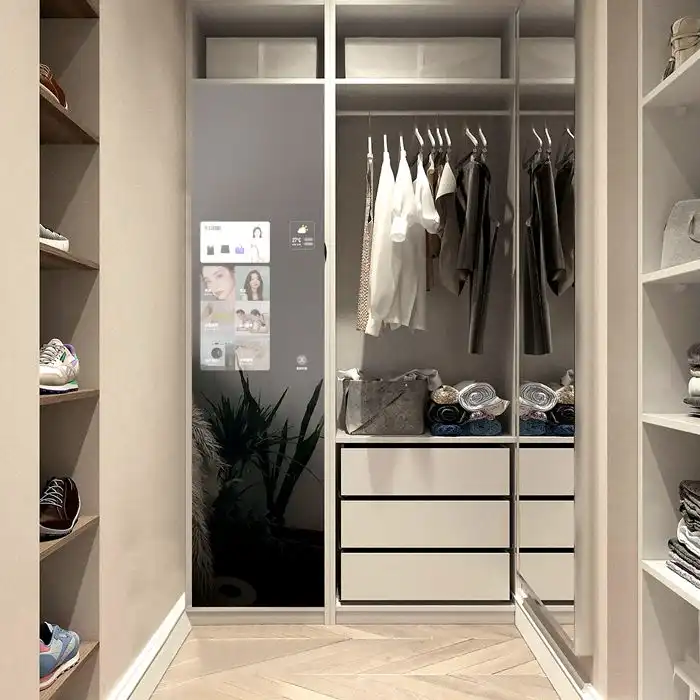
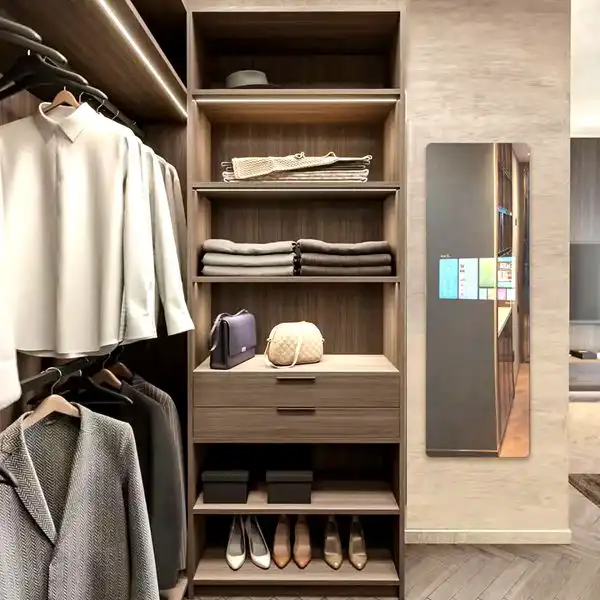
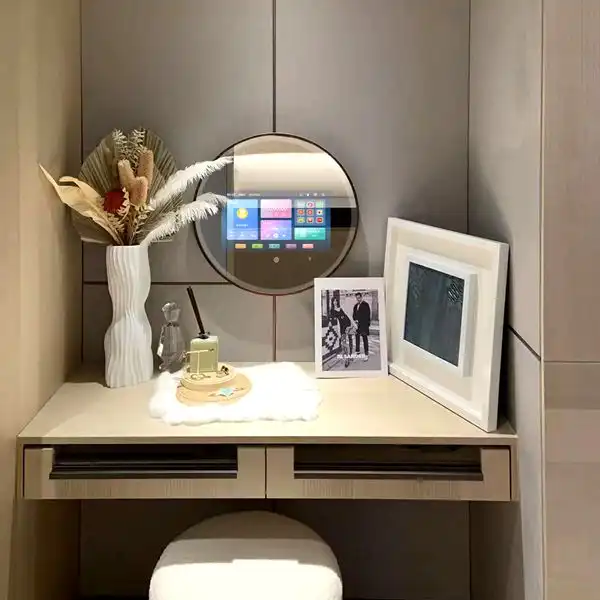
Developers and hotel owners know that installing smart mirrors has a direct effect on how much people think a property is worth and how happy their guests are with their stay. When put in luxury apartment walk-in closets or master bedroom dressing areas, these screens let guests check the weather, stream news, change the lighting in the room, and change the temperature—all while getting ready for the day. Higher booking rates and positive online reviews that highlight modern comforts are results of this improved experience. When retailers put interactive mirrors in fitting rooms, they see a clear increase in customer involvement. Customers stay longer in the store when they can see how clothes will look together, get style tips, or share looks on social media, all of which are made possible by mirror interfaces. Boutiques that have AR-enabled mirrors that suggest matching accessories or different sizes have lower return rates and higher average transaction values thanks to smart upselling.
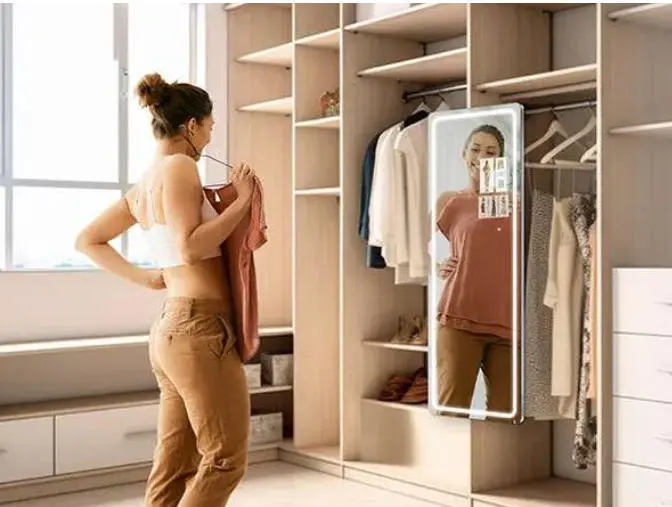
Benefits of Installing Smart Mirror TV Solutions in Hotels and Retail Spaces
Putting money into intelligent mirror technology pays off in terms of operational efficiency, brand differentiation, and customer loyalty. When procurement teams know about these benefits, they can better support capital expenditures and make sure that technology deployments are in line with long-term business goals.
Enhanced Guest and Customer Engagement
Interactive mirror systems turn dull rooms into places where people can interact with each other. Hotel guests like that they can check schedules, stream entertainment, and control smart home features without having to switch between different devices or apps. This streamlined experience cuts down on friction and boosts happiness during important morning tasks. When customers use smart mirrors in stores for virtual try-ons or style advice, they spend a lot more time looking at goods than when they use traditional fitting rooms. Higher conversion rates are directly linked to longer stay times, since customers who are interested are more likely to make purchases.
Operational Efficiency Through Smart Integration
In addition to helping guests, a Commercial Smart Dressing Mirror also makes it easier for property managers and business operators to improve daily operations. With centralized control systems, hotel staff can manage multiple Commercial Smart Dressing Mirror displays across different suites at the same time, updating them with property information, promotional offers, and new services through a single interface. Body sensor technology allows the Commercial Smart Dressing Mirror to activate automatically when guests approach and switch off when rooms are unoccupied, helping reduce energy consumption without manual operation. In retail environments, smart display data generated by a Commercial Smart Dressing Mirror can help businesses understand customer behavior, including frequently viewed products, viewing duration, and popular styling combinations. These insights support better inventory planning, visual merchandising strategies, and personalized customer experiences while improving the value of smart technology investments in hotels, boutiques, and luxury commercial spaces.
Brand Differentiation in Competitive Markets
Properties with cutting-edge technology are given the highest rankings. Hotels that advertise suites with smart mirror TVs tend to get tech-savvy travellers who are willing to pay more for modern comforts. In areas where rivals offer similar bed types and basic amenities, this makes the business stand out even more. Smart mirrors are also used as experiential marketing tools by high-end stores. Customers connect brands with cutting-edge fitting room technology with high-quality and forward-thinking values. This makes people more loyal to the brand and makes them more likely to come back, even if they don't buy anything right away.
How to Choose the Right Commercial Smart Dressing Mirror for Your Business
To choose the right mirror TV solutions, you need to carefully look at the technical specs, the needs of the project, and the supplier's abilities. If you make mistakes during buying, it could cause problems with merging, poor performance, or early equipment failure, all of which are bad for guests and waste money.
Matching Technical Specifications to Environmental Demands
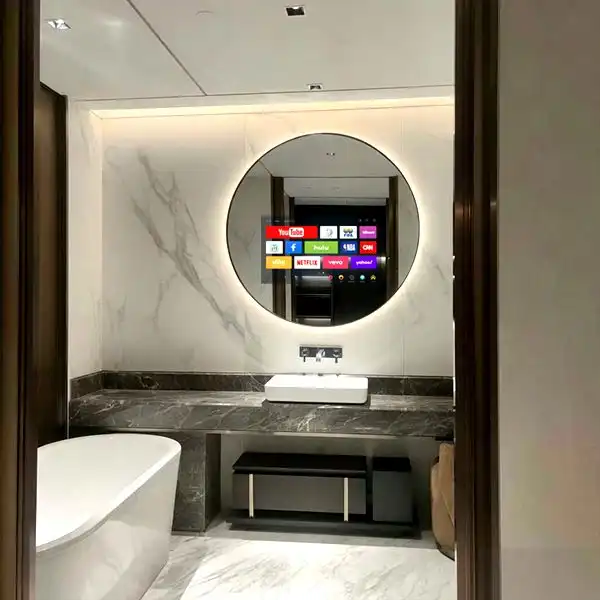
When hotel projects include mirrors in suites with open-plan bathrooms or near shower enclosures, they need to think about how much moisture the mirrors will be exposed to. Enclosures with an IP65 rating reliably keep water out, and anti-fog features keep mirrors useful right after hot showers without having to be manually cleaned. When natural light changes throughout the day, display brightness is very important. Units with 500–700 cd/m² brightness make sure that the screen can be seen even when it's bright outside in the morning. Colour accuracy is very important in retail setups. For example, mirrors used for putting on makeup or getting fashion advice need LED backlighting with a Colour Rendering Index (CRI) of at least 90 to correctly show how products look in different lighting conditions.
Customization Capabilities for Project-Specific Requirements
Standardised goods don't usually meet the special needs of architecture or brand character. Suppliers who are professionals offer full OEM/ODM customisation in a number of areas. WiseMirror's methods can make unique sizes up to 2000*2000mm from standard glass substrates, so mirrors can fit into existing wall recesses or fit into certain interior design plans. You can choose the frame material (aluminium profile vs. stainless steel) and the surface finish to make sure it looks good with other design schemes. Different projects require different display configurations. For example, smaller 10.1-inch to 15.6-inch screens work well in small hotel bathrooms, while 43-55-inch screens make a big impact in the fitting rooms of high-end stores. Software UI customisation lets properties set up white-label interfaces with custom branding, multilingual support, and material that is special to the property. This is very important for international hotel groups that want to keep their brand presentation similar across locations around the world.
Supplier Evaluation Beyond Product Specifications
Technical writing doesn't always tell the whole story. A lot of what makes business deployments of a Commercial Smart Dressing Mirror successful is the infrastructure, technical support, and service capabilities provided by reliable suppliers. Procurement teams should check the manufacturer's certifications, such as CE, RoHS, FCC, and ISO 9001, to ensure that the Commercial Smart Dressing Mirror meets international compliance requirements and can operate safely in occupied commercial spaces. Installation support is also essential. Suppliers that provide detailed CAD drawings, installation manuals, customized solutions, and remote technical assistance can reduce on-site delays and improve cooperation between contractors, designers, and project managers. Strong after-sales service is what separates trustworthy smart mirror partners from transactional sellers. Complete warranty coverage, responsive technical support, and convenient access to replacement components help protect long-term investments. Reviewing a supplier's previous projects involving Commercial Smart Dressing Mirror installations can provide valuable insight into their ability to manage hotel, retail, spa, and luxury commercial applications with strict logistics, quality control, and project timeline requirements.
Installation, Maintenance, and Support for Commercial Smart Dressing Mirrors
Even the best goods don't work as well when they aren't installed or kept properly. Professional construction methods and preventative maintenance schedules make systems last longer and work the same way throughout their entire lives.
Pre-Installation Site Assessment and Preparation
A complete site review that looks at electrical, structural, and network needs is the first step to a successful deployment. Power fluctuations can hurt sensitive display parts and control electronics, so mirror TV systems usually need their own electrical circuits with a stable voltage supply. The right mounting hardware is chosen by looking at the structure of the wall. Standard heavy-duty bolts can be used on concrete and solid brick walls, but wood keel or plasterboard walls may need support or custom mounting solutions. Network infrastructure planning makes sure that mirrors have stable connections. For systems that stream content or connect to property management platforms, wired RJ45 Ethernet connections offer the most stable performance. For WiFi deployments, signal strength and possible interference in final installation locations must be evaluated.
Integration with Existing Property Systems
Mirrors are most valuable when they are linked to larger property environments instead of working on their own. Hotels connect mirrors to building automation systems so that room lighting, HVAC, and entertainment can all be controlled at the same time from a single screen. When you connect a property management system to a mirror, the information about each guest, like check-out times, booked services, and local recommendations, is automatically pulled from reservation databases and shown on the mirror. When stores connect mirrors to their inventory management systems, they can show real-time information about products, like sizes that are available, colours that aren't available, and things that go well with the clothes that are being fitted. Customers can see this information without needing help from staff.
Maintenance Protocols for Commercial Environments
Commercial setups that get a lot of use need regular repair to keep them working well. Hardware checking processes check the integrity of the mounting bracket, the security of the wire connections, and the responsiveness of the touch screen. This finds possible problems before they affect the guest experience. Display adjustment makes sure that the brightness and colour clarity stay the same over time, even as the LED backlighting changes. Software upkeep is just as important. For example, regular Android OS updates fix security holes, and firmware changes add new features and make the system more stable. Professional suppliers offer maintenance plans that are based on the level of use in a business. For example, high-traffic retail sites get checks every three months, while moderate-traffic boutique hotel installations get service every six months.
Future Trends and Innovations in Smart Mirror TV Solutions for Commercial Use
As technology changes, mirror systems can do more. This opens up new possibilities for places that want to gain a competitive edge by adopting new technologies early on.
Artificial Intelligence Enabling Personalized Experiences
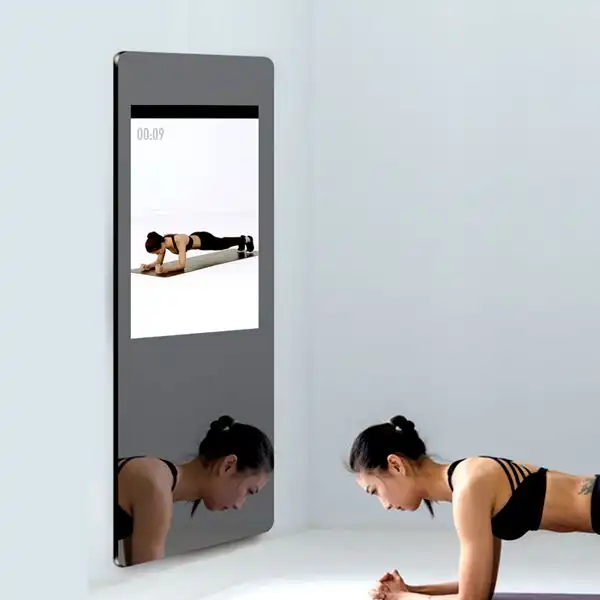
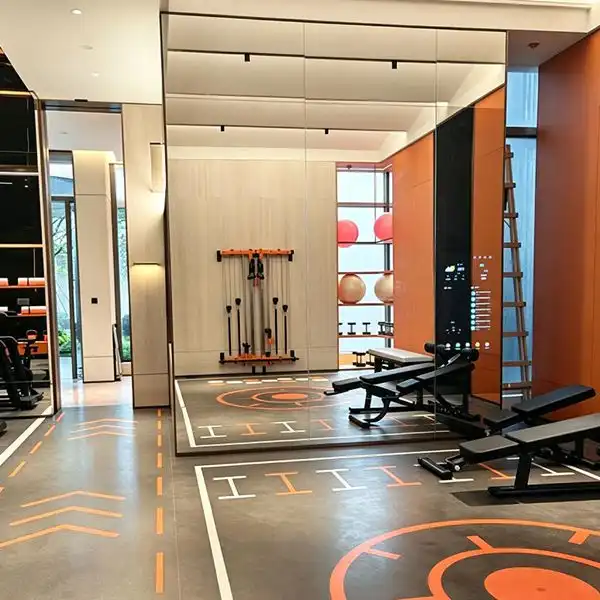
When AI is added to a Commercial Smart Dressing Mirror, it transforms the device from a dynamic display into an intelligent assistant that improves user experiences in hotels, retail stores, wellness centers, and luxury commercial spaces. With facial recognition technology, a Commercial Smart Dressing Mirror can automatically load the preferences of returning guests, including favorite news sources, climate settings, lighting options, and entertainment subscriptions, creating a more personalized experience without manual input. In retail environments, AI-powered skin analysis features integrated into a Commercial Smart Dressing Mirror can recommend cosmetics based on skin tone, skin type, and visible concerns, helping beauty stores become interactive consultation spaces rather than simple sales locations. When combined with privacy-protection protocols, smart health monitoring functions allow wellness-focused hotels to track body metrics such as weight, BMI, and other health indicators while maintaining user security. These intelligent features make the Commercial Smart Dressing Mirror a valuable solution for smart hospitality, digital retail, and modern wellness applications.
Omnichannel Integration Connecting Physical and Digital Commerce
Smart screens are being used more and more as links between real stores and online shopping sites. Customers can look through larger catalogues of products on fitting room mirrors, which gives them access to online inventory when the sizes or colours they want aren't in stock. Making QR codes makes transitions smoother: customers scan the codes on mirrors to keep shopping on their phones, add things to their wishlists, or finish purchases using their chosen payment methods. Hotels using similar tactics let guests use mirror interfaces to order room service, book spa treatments, or make transportation arrangements. Transactions are instantly charged to guests' folios, which reduces friction and encourages more revenue capture.
Enhanced Analytics Driving Data-Informed Decisions
Next-generation mirror systems make analytics that are more complex and help with strategy decisions. Tracking heatmaps shows which parts of the mirror interface get the most attention, which helps with improving the user experience. Metrics for session length show how engagement changes depending on the time of day, the type of customer, or the material shown. This information helps marketers make better decisions. Conversion attribution links specific interactions with mirrors to finished sales. This makes it possible to measure the return on investment (ROI) of interactive mirror spending with a level of accuracy that wasn't possible before. Properties that use these analytics have big advantages over competitors who make operational and marketing decisions based on gut feelings instead of data.
Conclusion
Businesses like hotels and stores that want to provide exceptional experiences while maintaining operational efficiency should invest in professional smart mirror solutions such as a Commercial Smart Dressing Mirror. These advanced systems combine cutting-edge display technology, interactive touch functions, intelligent control features, and strong commercial-grade materials to create flexible platforms for guest engagement, brand differentiation, and data-driven optimization. A high-quality Commercial Smart Dressing Mirror helps hospitality and retail businesses improve customer interaction through smart services, digital content display, personalized experiences, and modern interior design integration. Successful deployments require careful attention to technical specifications, customization requirements, installation conditions, and supplier capabilities, as these factors determine the difference between transformative installations and ineffective implementations. As AI, IoT connectivity, and omnichannel interaction continue to advance, businesses adopting Commercial Smart Dressing Mirror technology will remain at the forefront of innovation in hospitality, retail, wellness, and luxury commercial environments.
FAQ
What is the typical lead time for custom Commercial Smart Dressing Mirror orders?
Production times depend on how complicated the customisation is and how many items are ordered. Standard configurations with only minor changes usually take 3–4 weeks from the time the order is confirmed until it is shipped. It could take 6 to 8 weeks to finish projects that need a lot of custom software development, unique display configurations, or special frame treatments. Phased delivery schedules that match construction milestones are helpful for large-scale hotel or retail chain deployments because they keep inventory storage problems to a minimum and make sure that equipment is ready when installation teams are.
Can smart dressing mirrors integrate with our existing property management system?
Standard methods, such as REST APIs, MQTT messaging, and webhook callbacks, let professional mirror systems connect to most business property management platforms. Integration makes it possible for guest information to be filled in automatically, control to be synced with room automation systems, and a single set of analytics reports. During the proposal process, technical teams look at your current system design to make sure it works with the new one and find any special development needs.
How do Commercial Smart Dressing Mirror solutions impact energy consumption?
Compared to displays that are powered all the time, advanced power management cuts operational costs by a large amount. Body sensor technology turns on mirrors automatically when people walk up to them and changes to low-power standby mode as soon as there is a vacancy. This saves 60–80% of the electricity used by always-on setups. Traditional lighting uses a lot more energy than LED backlighting, but LED backlighting gives off better light. Large-scale hotel setups usually pay for themselves in 18 to 24 months through lower energy use and less work for the HVAC system because less heat is being made.
Partner with WiseMirror Intelligent for Your Next Commercial Project
WiseMirror Intelligent offers smart mirror TV solutions that are ready to use right away. These solutions are designed to work in challenging retail and hotel settings. We've been making Commercial Smart Dressing Mirrors for over 15 years and have finished more than 500 major projects for top real estate companies like China Resources Land, China Merchants Property, and Gemdale Group. Our full OEM/ODM services include customising hardware, making software user interfaces, and helping with installation, so we can make sure that the solutions we provide are exactly what your project needs. Our products meet international safety and quality standards for the North American and European markets. They have CE, RoHS, FCC, and ISO 9001 certifications to back them up. Email our team at info@wisemirror-int.com to talk about the needs of your project, set up product demonstrations, or get detailed technical proposals that are made to fit your buying needs.
References
1. Chen, W., & Martinez, R. (2023). Interactive Display Technologies in Luxury Hospitality: Implementation and ROI Analysis. Journal of Hotel Engineering and Management, 41(3), 287-304.
2. Thompson, K. (2022). Smart Mirror Systems for Commercial Retail: Design, Integration, and Customer Engagement Outcomes. Retail Technology Review, 18(2), 112-135.
3. Anderson, M., & Liu, H. (2024). Optical Coatings and Mirror TV Technology: Technical Foundations and Commercial Applications. Applied Display Technology Quarterly, 29(1), 45-68.
4. Roberts, J. (2023). Property Technology Investment Strategies for Luxury Hotels: Emerging Trends and Performance Metrics. Hospitality Innovation Journal, 12(4), 201-223.
5. Singh, P., & O'Connor, T. (2022). IoT Integration in Commercial Building Systems: Smart Mirrors and Guest Experience Platforms. Building Automation Engineering, 37(3), 156-178.
6. Wilson, E. (2024). Procurement Guidelines for Commercial Display Systems: Evaluating Suppliers and Managing Installation Risk. Facilities Management Quarterly, 22(1), 89-107.