
Private Label Smart Mirrors: Opportunities for Global Distributors
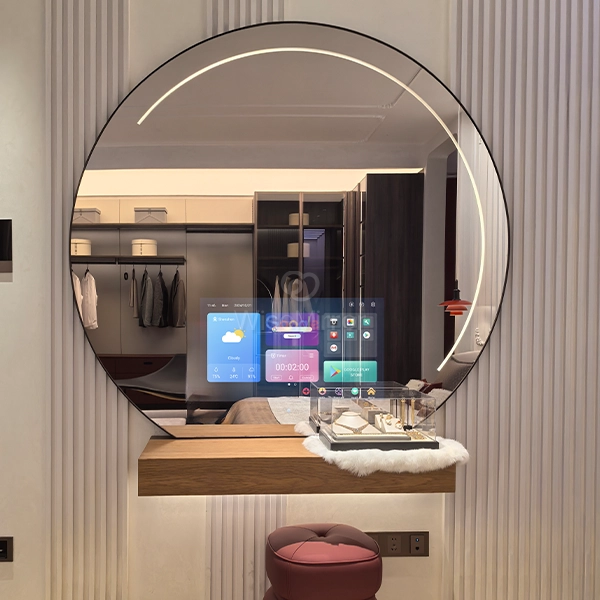
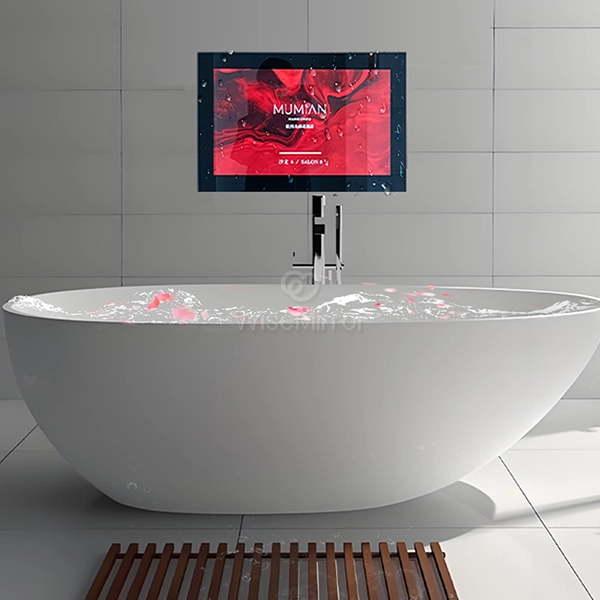
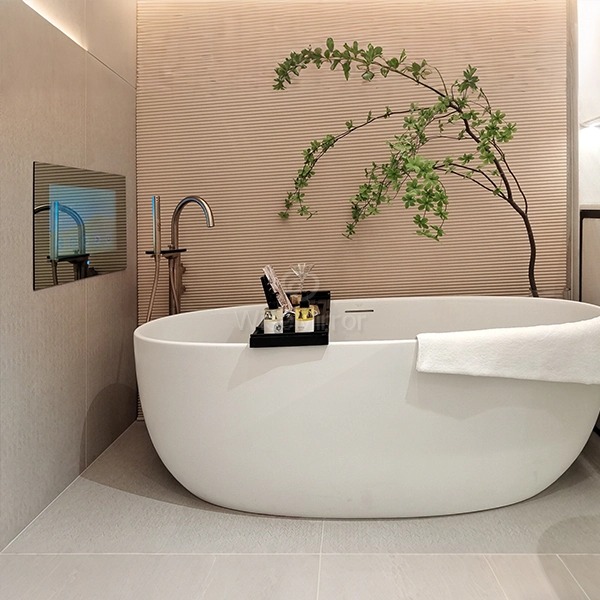
The private label smart mirror industry presents significant revenue potential for B2B distributors targeting hospitality chains, real estate developers, and commercial design projects. Integrating advanced Android systems with elegant oval smart mirror designs, these intelligent display solutions blend functionality with architectural sophistication. Unlike consumer-grade Products, private label offerings enable distributors to customize specifications, branding, and software interfaces that align precisely with project requirements from luxury hotels to wellness facilities across global markets.

Understanding Smart Mirror Technology and Commercial Market Potential
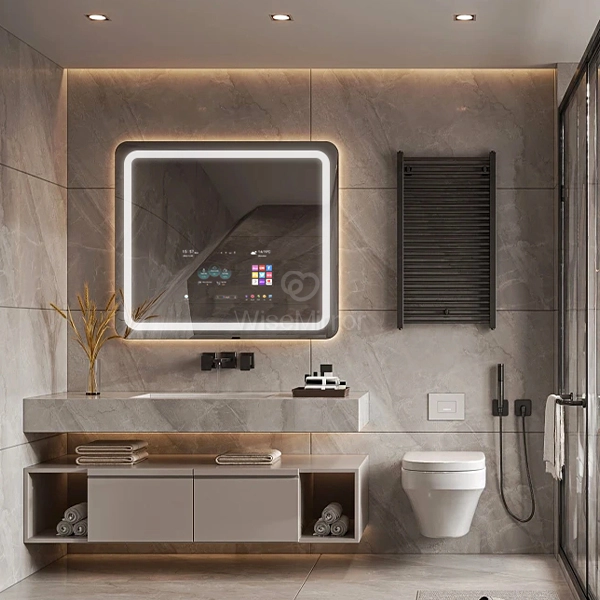
Today's smart mirrors combine the fields of display tech and architectural hardware to make useful surfaces into places where people can connect with and get information. Nano magnetron sputtering coating is the basis of the technology. It makes it possible for shiny surfaces and integrated displays to work together without any problems. When put in place across hotel rooms or apartment towers, these systems offer guest services, property management tools, and branded welcome experiences that make the buildings seem more valuable.
Why Oval Configurations Matter in Commercial Projects?
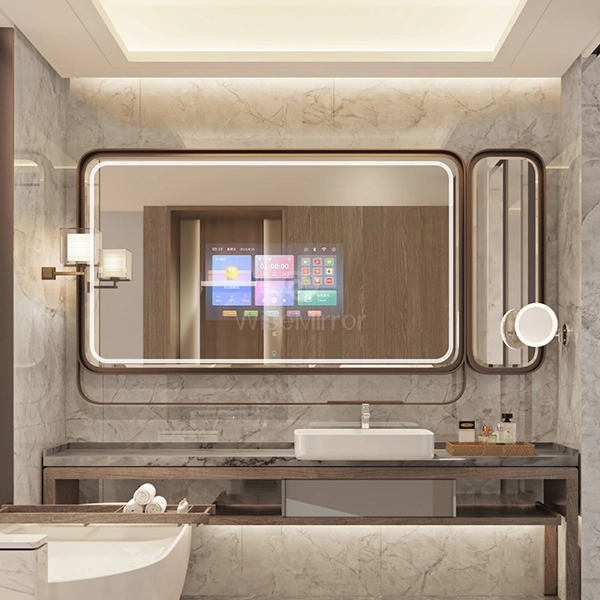
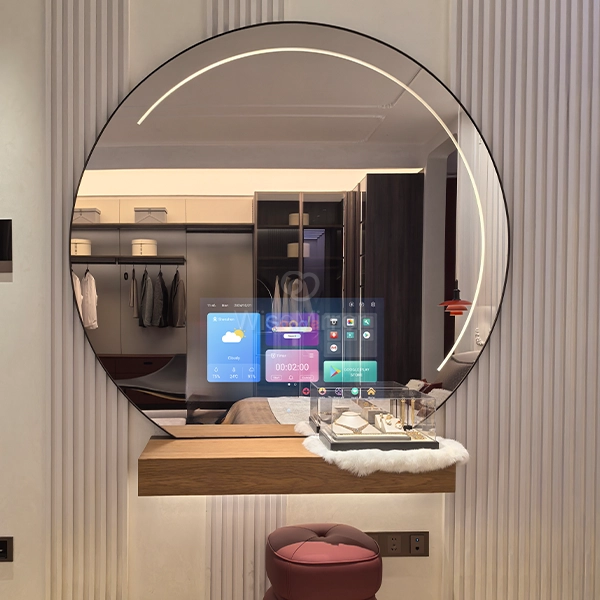
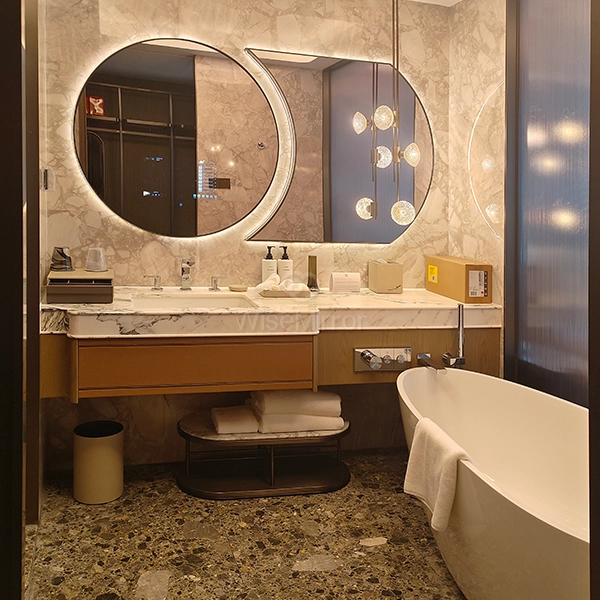
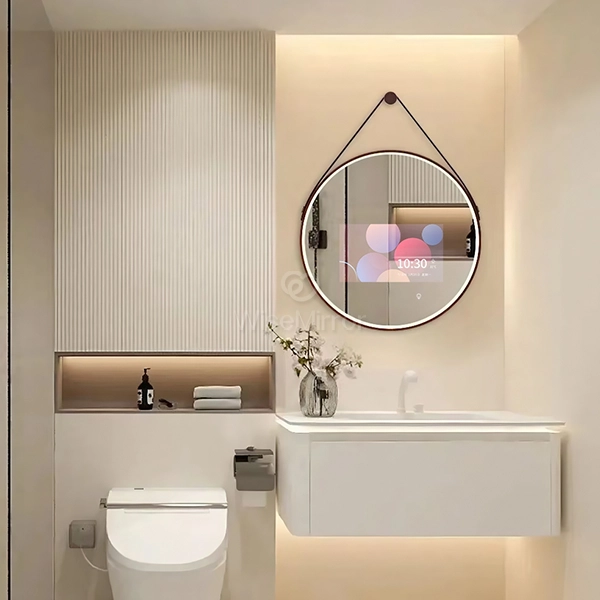
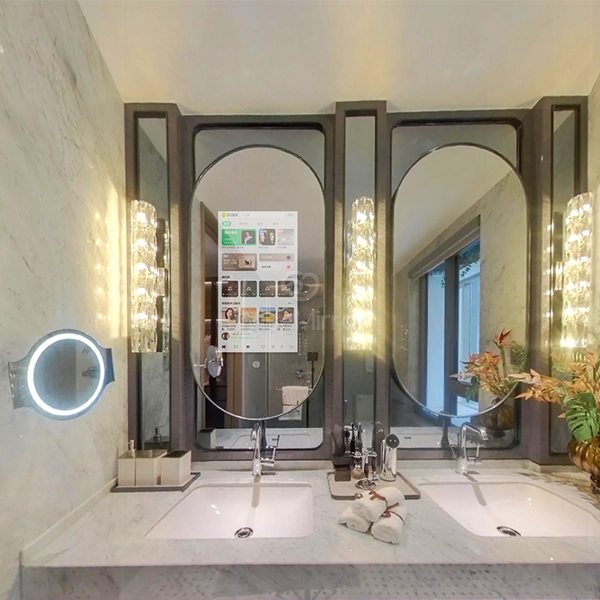
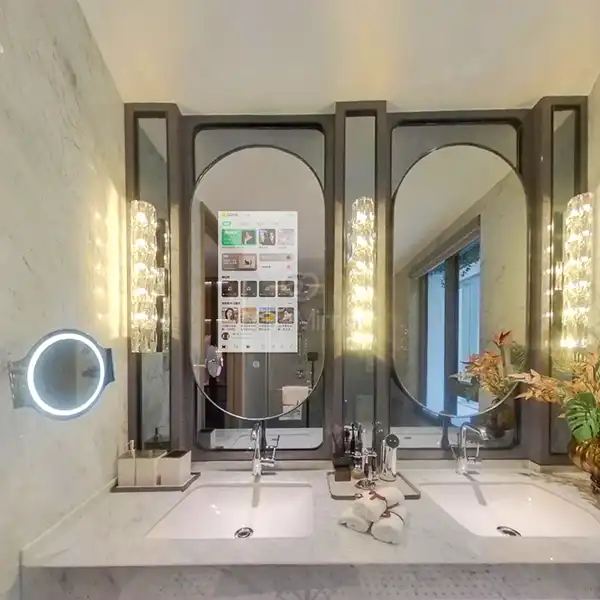
The oval design outline meets certain building needs that can't be met by standard rectangular shapes. Curved edges go well with the organic design styles that modern interior builders like to use in high-end bathrooms. This shape makes the image less sharp in small rooms while making the screen as big as possible in small wall places. More and more, hotel designers are choosing oval shapes for spas and bathrooms in luxury suites because the softer shape fits with wellness-focused styles.
Core Technology Differentiators for Project Specifications
Knowing the differences in engineering is what sets trusted providers apart from those that aren't. WiseMirror Intelligent uses three unique technologies that have been built over 15 years of working on business projects. The nano coating process gets rid of the spaces where air can exist between the display layers and the mirror surfaces. This keeps the goods from distorting when they are in wet places. Anti-oxidation treatments protect against the corrosive conditions that can be found in seaside resorts. Low-impedance ITO capacitive touch lamination provides reaction times below 10 milliseconds, which is necessary for guests to be able to interact with the technology easily and without having to wait.
Market Growth Drivers Across Vertical Sectors
Demand trends are very different across different types of buying. Buyers in the hospitality industry look for waterproof certifications, welcome signs that can be changed, and systems that work with property management systems. Developers of real estate see these systems as ways to add value to upscale units in competitive markets, especially in residential towers that allow smart homes. Healthcare sites need surfaces that are easy to clean, don't fog up, and have safety ratings that meet medical environment standards. When distributors know about these specific needs, they can offer focused solutions instead of general market goods.
Key Considerations for Private Labeling Success
When looking for manufacturing partners that can help with white-label projects, you need to look at more than just their production skills. The connection must allow for easy customization, uniform quality across large orders, and quick expert communication throughout the lifecycle of a project.
Certification Compliance and Global Market Access
Safety standards from the area must be followed for international projects involving the oval smart mirror. Products must have CE recognition for projects in the European Union, FCC approval for installs in the United States, and RoHS compliance to meet environmental rules. Getting ISO 9001 approval shows that you follow systematic quality management methods that are needed for deployments with multiple units. WiseMirror Intelligent keeps up with pre-certification in 30 countries, which lets dealers bid on foreign contracts without having to wait for long approval processes that could throw off project schedules.

Customization Capabilities That Match Project Requirements
Real private labeling goes deeper than just branding on the outside. Partners in manufacturing should be able to handle a range of sizes, from 15.6-inch small units for powder rooms in homes to 75-inch statement pieces in hotel halls. You can match the frame's material to a well-known design theme by choosing from brushed stainless steel, teak wood borders, or powder-coated aluminum. Customizing software is also very important. For example, white-label UI development, international menu systems, and API integration can help property management platforms or building automation networks work better.
Supply Chain Optimization and Procurement Terms
To efficiently fill orders, you need to negotiate minimum order numbers while keeping inventory risk in mind. Distributors should make lead time deals that work with the plans of building projects. For large orders, these agreements should usually include 60–90 day buying cycles. Shipping partnerships that can handle fragile mirrors with the right packaging keep damage rates low, which lowers profits. Payment terms that are typical in the industry, like 30% down and the rest due when the goods are shipped, protect both parties and keep cash flow going for working capital needs.
Market Entry Strategies for Global Distribution Networks
To successfully get into business buying channels, you need to know how buyers make decisions in different types of markets. Purchasing managers assess suppliers using official RFQ processes that focus on technical requirements, approval paperwork, and the ability to provide support after installation.
Buyer Persona Analysis for Targeted Positioning
Operations leaders, design experts, and franchise compliance managers make up hospitality procurement teams. These stakeholders put a high priority on goods that meet brand standards and make guests happier. Project managers and buying specialists work together to make sure that building schedules are met and that bulk price structures are agreed upon. Interior design companies have strong opinions about how things should look, which means they need to be able to make changes and work with general builders to coordinate installations. When compared to generic product presentations, sales methods that are tailored to each persona's goals lead to higher conversion rates.
Regional Demand Variations and Specification Preferences
In North America, safety approvals from UL and integration with voice assistants, which are common in smart home platforms, are given a lot of attention. Ratings for energy economy and GDPR-compliant data handling for guest information systems are important to European buyers. Due to the tropical climate, Asia-Pacific requirements often need humidity protection that goes above and beyond IP65 standards. By understanding these regional differences, you can avoid design errors that cause projects to be delayed or require expensive repairs.
Competitive Positioning Through Value Differentiation
Price competition alone cuts into earnings for most goods. Distributors make money by offering installation help, longer warranties, and professional training that lowers the risk for clients when selling the oval smart mirror. Showing case studies of launched projects is a stronger form of social proof than making general marketing claims. The oval smart mirror shape stands out in a market full of rectangular displays, which makes it appealing to designers who want to give high-end homes unique looks.
Operational Excellence From Order to Installation
To handle complicated buying cycles, you need systems that help with accurate specs, coordinating deliveries on time, and providing technical support after the sale that keeps distributors' good names.
Quality Assurance and Pre-Shipment Verification
For large sales, quality control must be done in a planned way to keep broken units from getting to installation places. Reputable makers test their products in several steps, such as checking the touch response, making sure they are waterproof, and making sure the display is regular. Distributors should talk to suppliers about pre-shipment inspection rights so that a third party can check that the goods match the order details before the shipping containers leave. This care keeps projects from being delayed, which costs a lot of money, when faulty materials show up on building sites that are racing to finish on time.
Installation Support and Technical Documentation
Smart mirror systems that are more complicated need more thorough installation directions than simple mounting instructions. To make things more useful, distributors give electrical contractors wiring diagrams, IT teams network setup guides, and building management teams repair routines. WiseMirror Intelligent offers complete paperwork packages that include CAD models, specification sheets, and video lessons that can be accessed through QR codes on the packaging. This help cuts down on worker mistakes that lead to warranty claims and hurt relationships with clients.

After-Sales Service Infrastructure
For commercial installations, quick expert help is needed for things like updating software, fixing problems with connectivity, and replacing parts. Distributors should make service level agreements that spell out how long it will take to fix important problems with setups that guests see. Keeping extra parts on hand for parts that get worn out quickly, like touch sensors or LED drivers, cuts down on downtime. WiseMirror goods come with 24/7 technical support and a 2-year guarantee. This gives distributor partners peace of mind when working with hospitality clients where equipment breakdowns can have a direct effect on guest experiences and online review scores.
Leveraging Technology Trends to Accelerate Sales Growth
The group of smart mirrors keeps changing as new technologies are added to them. Distributors who put themselves at the cutting edge of these skills attract high-end customers who are willing to spend a lot of money on cutting-edge setups.
Android Ecosystem Integration and App Flexibility
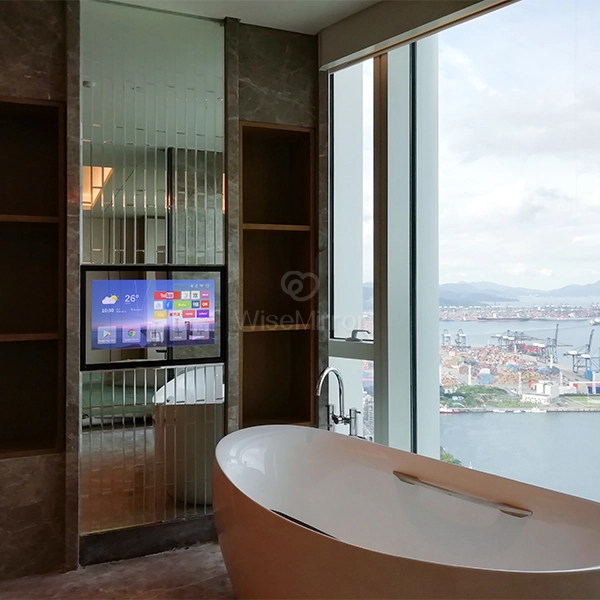
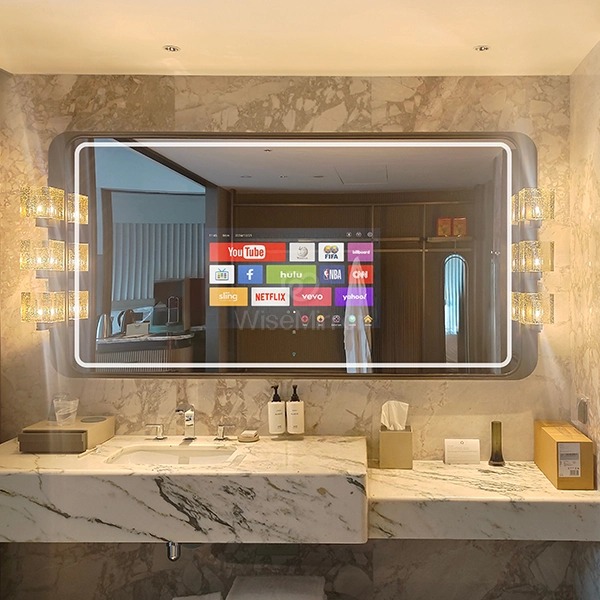
Our oval smart mirror units run on fully developed Android systems that have full access to the Google Play Store. This means that guests can enjoy a wide range of services, from live entertainment to fitness apps. Installed app rooms are customized by hotel brands to reflect the type of service they offer. For example, health resorts might have meditation apps, corporate properties might have business news feeds, and vacation spots might have guides to local attractions. With this software's freedom, mirrors can be turned from passive fixtures into places to make money through relationships with paid content or special service upsells.
Connectivity Standards and IoT Ecosystem Compatibility
With both WiFi and Bluetooth connection on the oval smart mirror, the property's networks and guests' personal devices can be used together without any problems. The Bluetooth feature makes it easy to connect to smartphones and share photos or play music to paired speakers, which is something that luxury brands really care about. Building management systems can be integrated at the API level so that content on displays, power schedules, and diagnostic tracking can be controlled centrally across entire properties. This is a feature that procurement managers value for improving practical efficiency.
Sustainable Design and Energy Efficiency
Environmental responsibility is becoming more and more important in buying choices, especially for business real estate owners who want to get LEED approval. LED backlighting technology provides better brightness regularity while using a lot less power than standard display systems. Low-power sleep modes lower the amount of electricity used when the device is not in use, but they don't affect the instant-on speed. Distributors who promote these efficiency measures attract buyers who care about the environment and help their clients get green building certification credits.
Building Credibility Through Demonstrated Project Success
When purchasing managers choose sources for high-profile projects, trust is still the most important thing. When it comes to professional buying, evidence-based marketing works better than promotional claims.
Case Study Documentation and Reference Projects
WiseMirror Intelligent has used smart mirrors in more than 500 projects, working with companies like Gemdale Group, China Resources Land, and China Merchants Property Development. These systems can be found in five-star hotels, high-end apartment buildings, and grade 5A business buildings all over the Asia-Pacific region. Distributors can get more sales by talking about these finished projects during proposal talks. This shows that the distributors have worked well in tough business settings before, which is similar to what the prospect needs.
Transparent Performance Metrics and Testing Data
Technical buyers don't use marketing hype to judge goods; instead, they use objective specs. Giving proof of measured touch delay, waterproof test results, and certification copies takes away buyers' doubts. Publishing results from longevity tests, like 50,000-cycle touch endurance or 10,000-hour display lifetime data, backs up claims about durability, which is important for figuring out the total cost of ownership. This openness sets professional-grade providers apart from consumer-focused ones that don't have thorough validation data.
Responsive Customer Service as Competitive Advantage
When equipment breaks down, it causes problems all over building sites and places that are being used. When problems happen, distributors who work with makers that offer real technical support, not just email-based ticketing systems, protect their own names. If you need immediate tech help to solve integration issues or communication issues, you can avoid project delays that hurt your relationships with clients. When buyers choose long-term supply partners, this service factor often makes up for small price differences.
Conclusion
The private label oval smart mirror chance is best for distributors who see the goods as specialized business building supplies instead of consumer electronics. To be successful, you need to work with manufacturers that can show they have technical knowledge, the ability to make changes, and the support system to meet the needs of professional projects. The oval smart mirror shape makes it stand out, which is appealing to buyers who care about design in the hotel and high-end domestic sectors. Distributors can get a piece of this growing market where technology and design come together by understanding buyer personas, differences in regional specifications, and business excellence throughout buying cycles.

FAQ
What certifications should quality smart mirrors carry for commercial projects?
For commercial installs, they need to have CE marking for European markets, FCC approval for projects in the US, and RoHS certification to show they are environmentally friendly. For healthcare uses, you might need extra medical environment certifications. For hotel projects, UL listing is usually enough. For bathroom installations, waterproof ratings of IP65 or higher are necessary, and ISO 9001 approval from makers shows that they handle quality in a structured way. Before agreeing to large orders, you should always make sure that the certifications meet the legal needs of the market you're trying to reach.
How do customization options affect minimum order quantities?
For standard setups, MOQs are usually smaller, starting at 50 to 100 units. Minimum pledges usually go up to 200 to 500 units for custom frame materials, specific dimensions, or white-label software development. This is because of the cost of tools and the time and effort needed by engineers. Talk to your supplier early on about the customizations you need so you know the minimum order number and price levels that affect your figures of how profitable the business is.
What differentiates professional smart mirrors from consumer products?
Commercial-grade units have industrial display parts that can work nonstop, mounting systems that are stronger so they can hold thicker glass, and waterproof grades that are proven by pressure testing instead of splash resistance. Professional goods have features like integration APIs, centralized management, and longer guarantee coverage because they are used in places that make money and where mistakes have big effects that go beyond just replacing the product.
Partner With WiseMirror Intelligent: Your Oval Smart Mirror Manufacturer
Working with WiseMirror Intelligent gives distributors looking for a trustworthy oval smart mirror seller a competitive edge. Our manufacturing plant in Shenzhen uses advanced coating technologies, can be customized easily, and has worked on projects for some of the biggest hotel chains and real estate companies in the world. Our products meet the high standards that expert buyers expect. They have full Android integration, WiFi and Bluetooth connectivity, and sensitive touch features that give response times of less than 10ms. Email our team at info@wisemirror-int.com to talk about private label options, look over technical specs, and find out how our 15 years of experience in the field can help you reach your marketing growth goals in North America and other countries.
References
Johnson, M. & Chen, L. (2023). "Smart Mirror Technology Integration in Luxury Hospitality Environments." International Journal of Hospitality Technology Management, 12(3), 45-62.
Richards, S. (2022). "Private Label Strategies for Commercial Building Product Distributors." B2B Procurement Quarterly, 8(4), 112-128.
Anderson, K., et al. (2023). "IoT Device Integration in Smart Building Systems: Standards and Implementation Guidelines." Building Automation Review, 19(2), 78-95.
Thompson, R. (2023). "Market Analysis: Global Smart Home Device Demand in Residential Construction Projects 2023-2028." Real Estate Technology Insights, Annual Industry Report.
Wu, J. & Martinez, C. (2022). "Waterproofing Technologies for Electronic Displays in Humid Environments: Comparative Testing Results." Applied Materials Engineering Journal, 31(6), 203-219.
Davidson, P. (2023). "Procurement Best Practices for Hospitality Property Development: Technology Integration Considerations." Hotel Asset Management Review, 15(1), 34-51.