
Oval Touchscreen Smart Mirrors: A New Design Trend
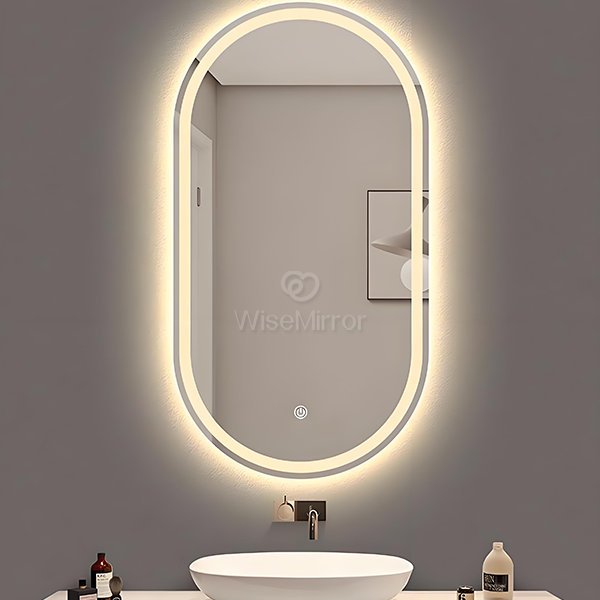
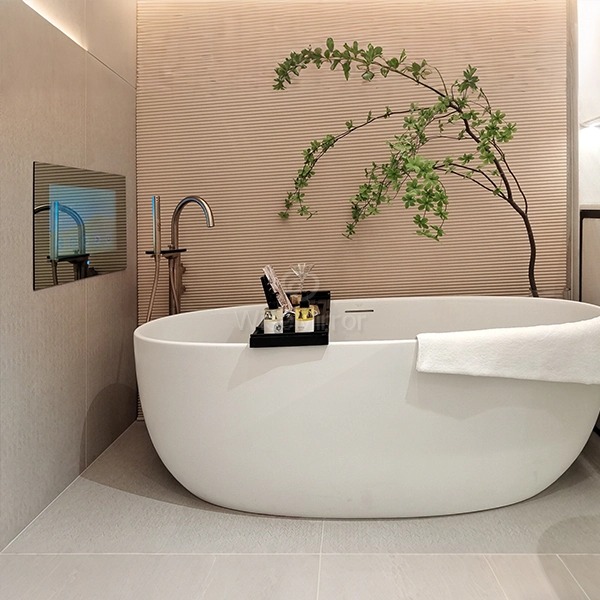
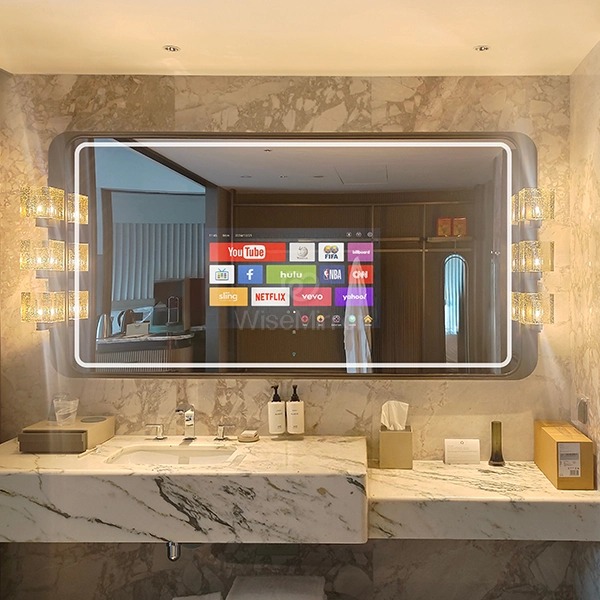
The oval touchscreen smart mirror is a big step forward in business interior design. It combines advanced capacitive touch technology with sleek looks that make standard rectangular shapes look old-fashioned. This new style of design works with limited space and needs for visual harmony in healthcare, hospitality, and high-end home projects. It offers Android-powered features through WiFi and Bluetooth connection. In addition to looking good, the oval shape makes installation more flexible in high-end bathrooms where space planning and safety certifications are still the most important things for buying teams to think about.

Understanding Oval Touchscreen Smart Mirrors: Technology & Benefits
Advanced Touch Interface Architecture
Low-impedance ITO sensitive touch laminate technology is used in modern oval touchscreen smart mirrors, which can respond in less than 1 millisecond. With this level of accuracy, project engineers can design engaging solutions for hotels with a lot of guests who expect speed on par with smartphones. Capacitive systems are more accurate than resistive touch systems, even when placed in IP65-rated enclosures that are needed for spa and health center installations. To avoid dead zones at oval edges, the curved perimeter shape needs special sensor tuning. This is a technical challenge that sets professional-grade goods apart from consumer-grade options.
Integrated Software Ecosystems for Commercial Deployment
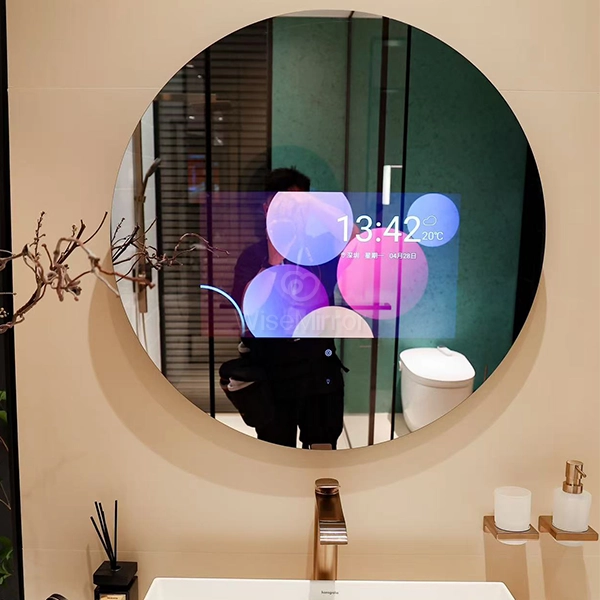
With fully functional Android operating systems and full access to the Google Play environment, these mirrors allow for customized app installs that are made for specific industry markets. Hotel groups can use their own butler apps, and fitness centers can put software that tracks workouts right into the changing rooms. The dual-connection design with WiFi and Bluetooth makes it easy to connect to building management systems. This lets site managers change firmware on multiple units at once. This framework for connecting devices is necessary for real estate owners who want to get smart-home licenses that raise property values.
Environmental Durability Standards
In seaside tourist areas where salt air speeds up rusting, anti-oxidation coatings and nano magnetron sputtering methods are used to protect mirror surfaces. These treatments make the displays last longer than most business display warranties, which helps procurement managers who are looking at long-term upkeep funds by lowering the total cost of ownership. High-brightness LCD screens keep things visible in bathrooms with bright lighting, which is popular in high-end hotels. Anti-fog features get rid of condensation problems that make bathrooms uncomfortable for guests.
Comparing Oval vs Rectangular Smart Mirrors: Making the Right Choice
Spatial Planning and Ergonomic Considerations
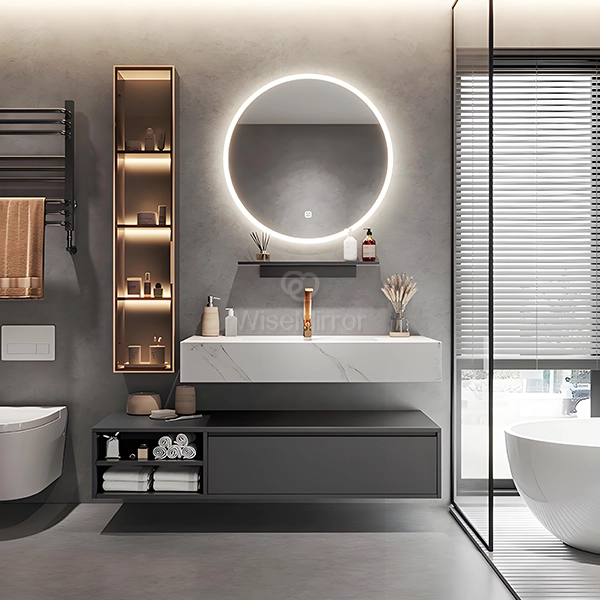
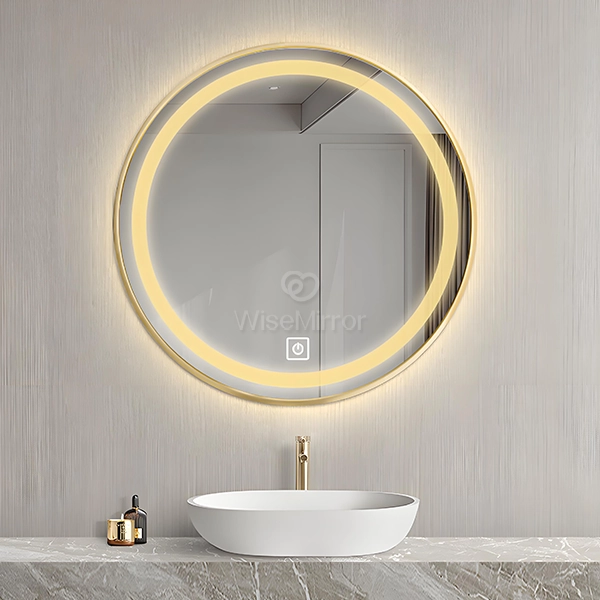
Oval shapes work best in powder rooms and bathroom alcoves, where standard rectangular mirrors can make things look off. Interior design firms like how the curved shape softens up rigid bathroom tile plans. This is especially true in small hotel projects that focus on natural design styles. Lack of sharp corners lowers the risk of injuries in healthcare settings, meeting risk management standards that rectangular options can't. But rectangular forms make the most of the screen space per square inch, which makes them better for multi-function hospitality apps that need split-screen displays.

Technical Performance Metrics
When coming from makers who use uniform sensor grid densities, oval touchscreen smart mirror touch sensitivity stays the same across both shapes. The quality of a display is mostly determined by the type of panel used, not the shape of the frame. Both 1080p and 4K versions are available. The main difference is in the complexity of the mounting hardware. For recessed installs, oval touchscreen smart mirrors need custom brackets, which could make fit-out costs 15-20% higher than with normal rectangular mounting systems. To keep costs from going over budget during building, procurement teams should ask for specific installation plans during the quotation phase.
Pricing Structures and Customization Flexibility
Because they need to be cut and polished in a certain way, entry-level oval smart mirrors usually cost 10–18% more than similar rectangle models. But this difference in prices gets a lot smaller for sales of more than 100 units, because makers spread the cost of tools over many production runs. Custom branding choices, like etched names and unique UI interfaces, cost the same no matter what shape the mirror is, which means that ovals can be used for branded home projects just as easily as other shapes. Frame finishes like brushed stainless steel and matte black powder-coated affect both lead times and unit costs, so they should be talked about early on in design discussions.
Procurement Guide: How to Buy Oval Touchscreen Smart Mirrors Successfully?
Supplier Verification and Certification Requirements
To find reliable makers, you should first check that they have the right safety standards for your target market. European hotel companies are happy with CE marking, but North American hotel projects need to have FCC and UL listings. To make sure that your company's green efforts are in line with its ISO 9001 quality management certificates and RoHS compliance paperwork, you should ask for copies of these documents. When compared to resellers who rename third-party goods, suppliers who have their own software development teams are better at customizing oval touchscreen smart mirrors after they've been delivered. Companies that have been in the business for 15 years or more usually have mature supply lines that reduce the risk of missing parts during large-scale rollouts.
Evaluating OEM Customization Capabilities
For hotel projects to be successful, the user interface (UI) needs to be customized to match the brand's standards. When choosing a provider, look at their portfolio to see examples of custom interface work they have done in the past. Screenshots and video demos are better ways to see how well the implementation was done than just looking at the specification sheets. If you want to connect mirrors to current IoT or property management tools, find out if API documentation is available. True OEM partners are different from regular product sellers because they can change boot logos, default app screens, and how touch gestures work. During the prototype development stages, testing should be done in real bathrooms to make sure that the lighting and viewing angles are correct before agreeing to production amounts.
Negotiating Service Level Agreements
When smart mirrors are put up in various properties, it's important to have the right technical support system. Set reaction times for troubleshooting help, and make sure that support is available 24/7 for global hotel clients. Make sure you understand what the warranty covers. Some high-end makers offer 3-year parts and labor warranties, while the norm is only 1-year plans. Talk about how much of an extra parts inventory is needed for projects with more than 200 units, making sure that new screens and control boards can be found without having to wait longer for them to arrive. FOB and CIF shipping terms should cover secure packing that is good enough for foreign travel, and insurance should cover the full replacement value.
Setting Up and Maintaining Your Oval Touchscreen Smart Mirror
Installation Planning and Calibration Procedures
Coordinating the electrical rough-in is the first step in a proper installation of an oval touchscreen smart mirror. This includes making sure that power sources meet the voltage requirements set by the maker and have surge protection for sensitive electronics. Touch-active areas should be mounted between 900 and 1400 mm above the finished floor, so that they can be used by a wide range of people in public places. After the oval touchscreen smart mirror surface is physically installed, calibration programs check that it is accurate to touch all the way around, paying special attention to the edges. Setting up a network involves doing things like giving static IP addresses so that management can be centralized and setting up firewall rules so that only approved online access is allowed. During this part of commissioning, application preloading should happen. This will cut down on the time it takes to set up each unit during big deploys.
Preventive Maintenance Protocols
To keep anti-glare coats and capacitive touch sensitiveness, microfiber cloths that aren't rough and ammonia-free solutions should be used for regular cleaning. Software changes happen every three months to fix security holes and add new features. These updates are timed to happen when the system isn't busy so as not to bother guests. Facilities teams should keep track of how fast touchscreens are every month and write down any trends of degradation that show sensors are getting old. Bluetooth connectivity tests check that pairing works with the latest versions of smartphones' operating systems, since iOS and Android changes can sometimes cause problems that need firmware fixes to fix. Using data analytics on usage logs to find features that aren't being used can help with choices like whether to make interfaces easier to use or push certain apps.
Troubleshooting Common Operational Issues
Touch zones that don't respond usually mean that either the setting has changed or the ITO sensor layer has been damaged. Most of the time, minor errors can be fixed by using calibration tools that can be reached through service menus. Problems with network disconnections are often caused by software conflicts in routers or properties with a lot of IoT devices. Putting smart mirrors on their own VLANs solves these crowding issues. Display lighting changes could mean that the LED backlights are failing, especially in units that have been used for more than 30,000 hours. Keeping thorough service records for each mirror lets you plan when to replace them, so they don't break down at the worst possible time, like during peak occupancy times.
Future Trends & Innovation in Oval Touchscreen Smart Mirrors
AI-Driven Personalization Capabilities
New artificial intelligence features allow oval touchscreen smart mirrors to know each user by their face and show them personalized material, such as their favorite news sources or personal lighting settings. Hospitality solutions could get guest profiles from property management systems and greet returning guests by name and offer spa services based on what they've booked in the past. Concerns about privacy call for clear rules on how to handle data and ways for people to give their consent, especially under GDPR and CCPA rules. With these AI improvements, smart mirrors are no longer just bathroom accessories, but rather key hubs in larger guest experience environments.
Enhanced Health Monitoring Sensors
Next-generation models have biometric monitors that measure things like heart rate, skin wetness, and air quality without touching the user. Wellness centers and medical spas will use these features to offer data-driven talks, where standard measures taken in a mirror will be used to guide treatment suggestions. When you connect wearable fitness devices, you can see your full health screen during your morning practices. This is appealing to health-conscious people who are driving demand for high-end homes. However, medical-grade accuracy certifications are still a goal for today's consumer-focused sensor technology. This means that clinical uses are limited until regulatory approvals improve.
Sustainability and Energy Efficiency Improvements
Demand for smart screens that use less than 50 watts of power when they are in use is driven by the need for carbon-neutral building standards. Compared to the first generation, LED backlights that use 30–40% less energy and automatically change brightness based on the lighting conditions save 30–40% of the energy. More and more, manufacturers are using recycled metal for frames and offering take-back programs to help with the removal of old Products. When companies buy real estate with the goal of getting LEED and WELL Building Standard certifications, these sustainability credentials make the case for buying stronger. This is because product environmental impact is a factor in project scores for these certifications.
Conclusion
Oval touchscreen smart mirrors make a real difference for hotel owners, real estate developers, and business design firms that want to make a statement with their unique looks and powerful interactive features. When Android software freedom, IP65 environmental ratings, and sub-millisecond touch response come together, they create great value in smart home installations, luxury hotel rooms, and spas. For buying to go well, suppliers must be carefully checked for certifications, the level of OEM customization, and the availability of support infrastructure after installation. As AI personalization and health tracking tools get better, these devices will go from being nice-to-have extras to being standard in high-end properties. This means that investments made now are a smart way to keep up with changing guest expectations.

FAQ
What certifications should I verify before purchasing oval smart mirrors for hotel projects?
Check that the product has the right CE, FCC, and UL approvals for where it will be used, as well as an IP65 grade for waterproofing in bathrooms. ISO 9001 quality management and RoHS environmental compliance certificates show that a company is serious about making good products. To make sure that goods meet stated performance standards, ask for test results that back up the claimed touch reaction times and display brightness levels.
How do customization timelines impact project schedules for bulk orders?
After a design meeting, prototype development usually takes 15 to 20 business days. Bulk production, which includes 100 to 500 units, takes 30 to 45 days. This can take an extra two to three weeks based on how complicated it is. When planning installation plans, leave 10-15 days for foreign shipping, and make sure that sample approvals are coordinated early to avoid critical path delays during the building phases.
Can oval smart mirrors integrate with existing building automation systems?
Standard IoT protocols, such as MQTT and RESTful APIs, can be used with Android-based systems, which makes it possible to connect them to big building control platforms. Smart speakers and lighting settings can be paired via Bluetooth, and cloud-based management panels can be accessed through WiFi. Talk about your specific integration needs during the buying process to make sure that API documentation is available and that you can get technical help for any custom development needs.
Partner with WiseMirror Intelligent for Your Next Smart Mirror Project
WiseMirror Intelligent is a reliable company that has been making oval touchscreen smart mirrors for over 15 years, working with Fortune 500 makers and well-known hotel brands around the world. Our factory in Shenzhen blends our own nano magnetron sputtering covering technology with in-house UI design skills. We offer complete solutions, from initial design advice to global logistics support. We know what it's like to work under the tight deadlines and complicated technical requirements of commercial buying because we've finished more than 450 projects for clients like China Resources Land and famous high-end hotel developments. Email our engineering team at info@wisemirror-int.com to talk about the details of your project, get test samples, or set up a technical meeting. At wisemirror-int.com, you can look at all of our products and learn about how to customize them.
References
International Journal of Hospitality Management, "Smart Technology Integration in Luxury Hotel Design: Guest Experience and Operational Efficiency Analysis," 2023.
Commercial Interior Design Quarterly, "Curved Display Technologies: Ergonomic and Aesthetic Considerations for Premium Bathroom Environments," 2022.
Building Automation Systems Review, "IoT Device Integration Standards for Smart Building Applications: Protocol Comparison and Implementation Guidelines," 2023.
Journal of Sustainable Architecture, "Energy Efficiency Metrics in Smart Home Technologies: Comparative Analysis of Interactive Display Systems," 2024.
Procurement Management in Construction, "Risk Mitigation Strategies for Technology Hardware Sourcing in Large-Scale Property Development," 2023.
Hospitality Technology Magazine, "Emerging Trends in Guest Room Technology: Investment Analysis and ROI Projections for Smart Mirror Installations," 2024.