
Mirror TV Display for Branding and Commercial Projects
By combining useful technology with good looks, mirror TV displays have changed the way businesses brand themselves. With these new technologies, ordinary mirrors can be turned into interactive digital canvases. This gives companies new ways to connect with customers while still keeping high standards of style. In high-end stores and hotels, mirror TV display technology creates brand experiences that are immersive and hold people's attention. It also takes business spaces to new levels of sophistication and engagement.
Understanding Mirror TV Displays: Technology and Applications
Mirror TV displays are a complex mix of advanced display technologies and reflective surfaces. They make gadgets that can be used as both mirrors and high-definition screens. These systems use OLED, LED, and projection technologies along with carefully treated mirror surfaces to make switching between mirror and display modes smooth.
The main technology uses nano magnetron sputtering covering methods to make surfaces that are free of lead and copper and can't rust or corrode. When turned off, these gadgets work like regular mirrors, but they are much clearer. When turned on, the display can be seen through the mirrored surface, but the mirror qualities stay in places that aren't being used.
Commercial Applications Across Industries
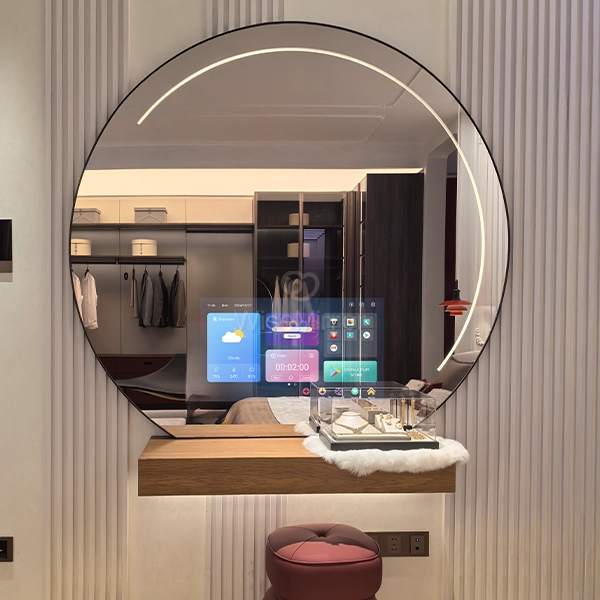
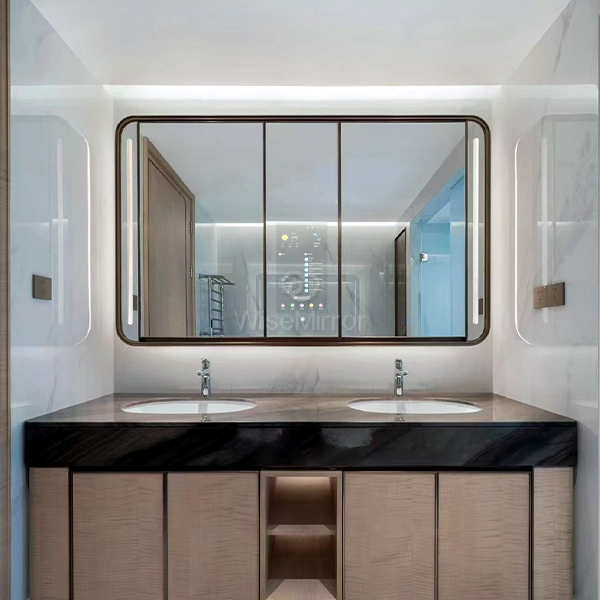
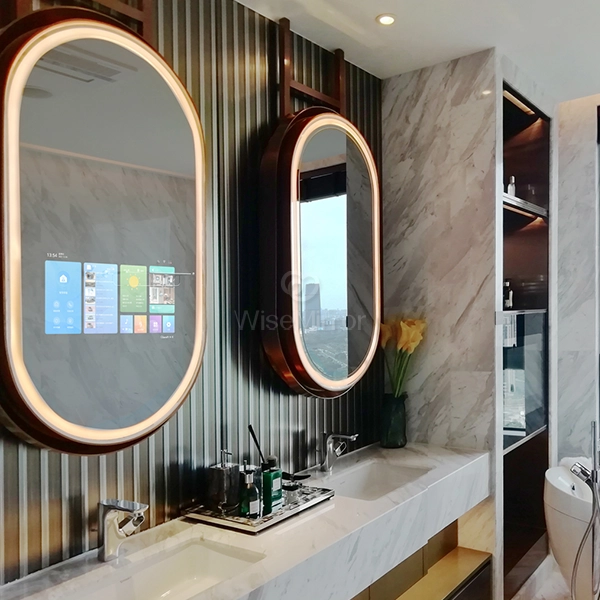
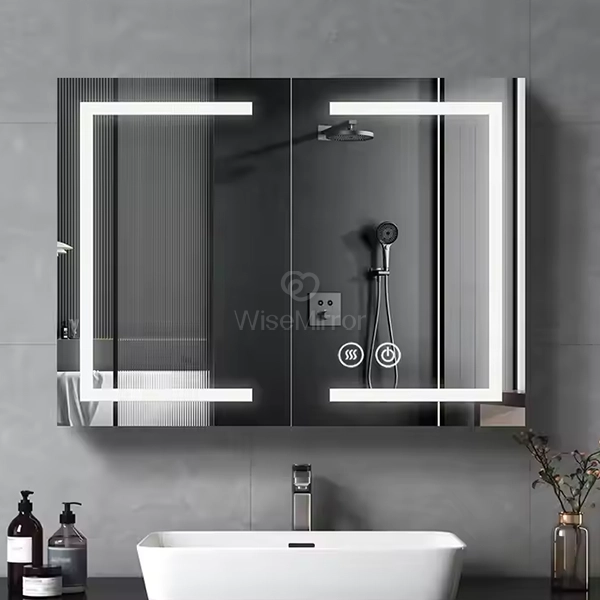
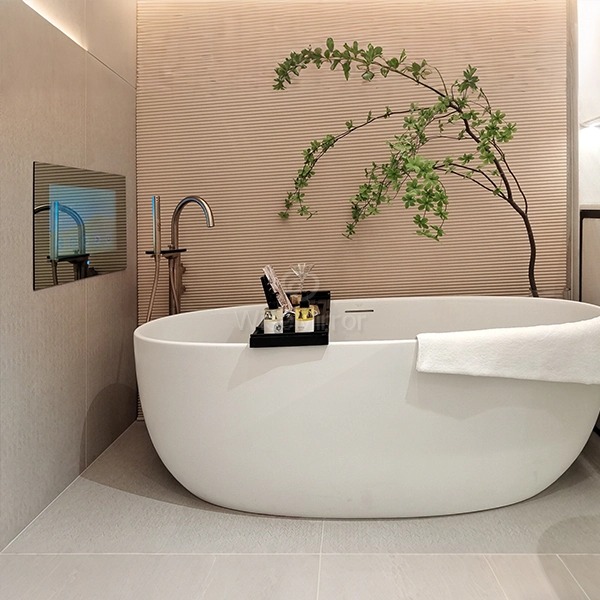
There are three main mirror display setups that work well in modern business settings. Embedded solutions are built right into walls or special fittings, making placements that are flush with the surface and only stick out a few millimeters. Framed versions come with standard hanging choices and give you more options for how they look. Custom solutions are made to fit the specific needs of architecture and brands.
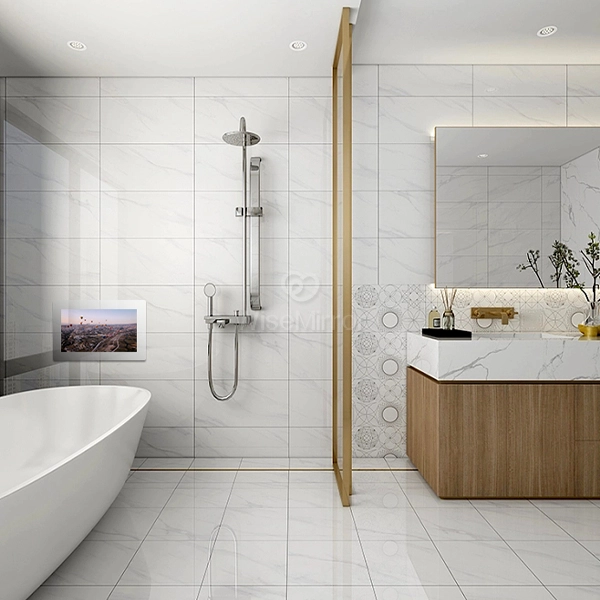
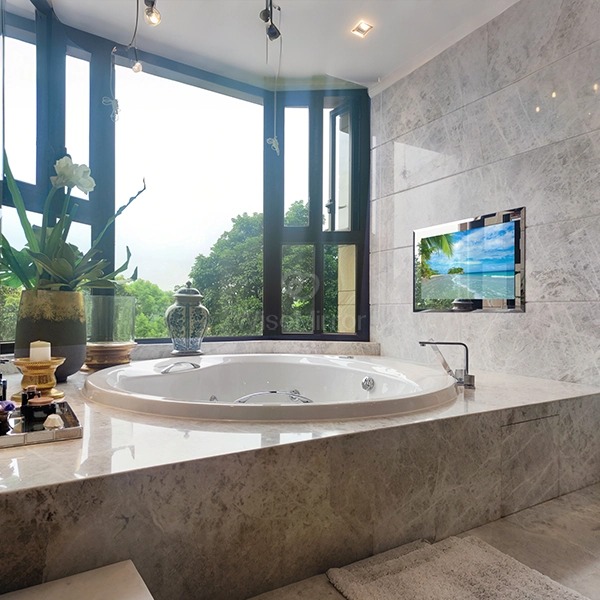
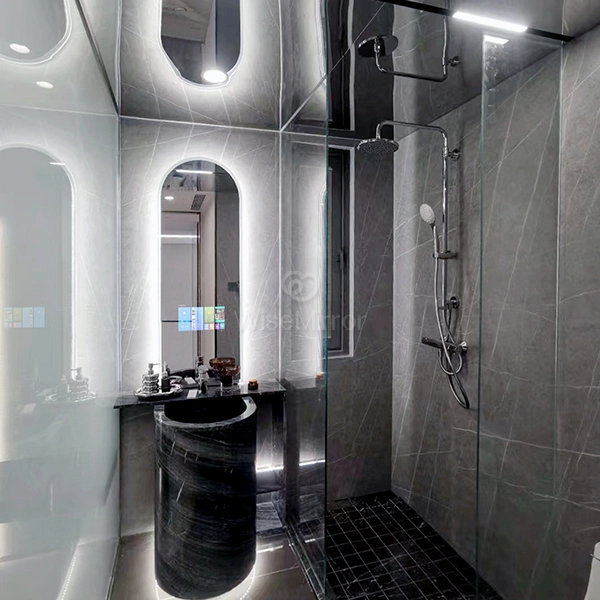
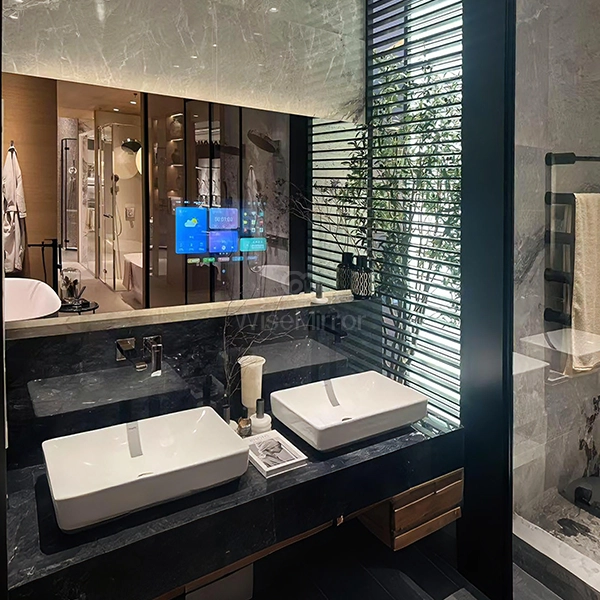
These displays are used in the hotel industry to improve the experiences of guests in high-end rooms and spas. Interactive mirror screens are used in stores to show customers Products and get them involved. Healthcare centers like surfaces that are easy to clean and don't fog up, which is important for keeping cleanliness standards.
These applications show how mirror TV technology may maximize available space while improving consumer contact. These devices enable organizations maintain a clean, fashionable appearance without compromising functionality by combining the features of a high-quality display with a reflective mirror. In addition to their dual-purpose nature, many mirror TVs can be monitored and controlled from a single centralized interface since they are compatible with smart building systems. Operations run more smoothly and effectively thanks to this connection, which guarantees smooth coordination with lighting, climate control, and security systems.
How to Select the Right Mirror TV Display for Your Commercial Project
It's crucial to carefully analyze both the functional aspects and the particular requirements of your project when selecting the best mirror TV technology. Mirror TVs are available in a variety of display sizes that are appropriate for various settings and applications. Smaller variants are perfect for more private locations where a discreet, compact display works best, including boutiques, private restrooms, or residential spaces. Larger screens, on the other hand, are more appropriate for public spaces, hotel lobbies, and commercial offices since they can captivate viewers from a distance and produce powerful pictures.
The quality of the image and the required viewing distance are directly impacted by HD mirror TV resolution specifications. Reflection ratios demonstrate how well the device functions as a mirror when not displaying content, and high-resolution screens ensure that images appear clear even when seen up close. There must be a balance between the performance of the mirror and the display since different levels of transparency alter the color and contrast of what is being displayed.
Technical Specifications and Performance Criteria
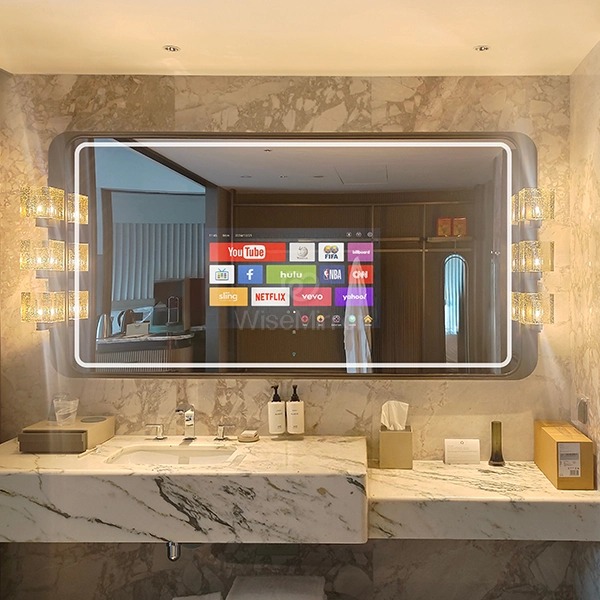
Long-term flexibility and upgrade possibilities are based on how well smart features can be integrated. Android-based operating systems work with famous apps like Netflix and YouTube and let you make your own apps. Dual-system setups let you use both traditional TV features and smart platform features, giving you full access to entertainment and information.
An study of how much energy modern mirror screens use shows that they work more efficiently than older display options. Maintenance tasks include following cleaning schedules and updating software on a regular basis, which affect estimates of the total cost of ownership.
It's helpful for procurement teams to compare OLED technologies, which have better contrast ratios, with LED technologies, which are brighter and last longer. Projection-based systems can handle big formats while still keeping their thin dimensions. Evaluations of a supplier's dependability should look at their ability to make things, their quality standards, and their ability to provide support after the sale. This will help the project succeed and keep customers happy in the long run.
Installation, Integration, and Maintenance of Mirror TV Displays in Commercial Buildings
Professional placement is the only way to make sure that an HD mirror TV display system in businesses works well and lasts a long time. The first step in the installation process is a full site review that looks at the building requirements, electricity needs, and environmental factors that might affect where the device is placed and how well it works.
Certified installation services deal with the special problems that come up with custom-sized items and fitting needs that aren't standard. To get flush fitting with little protrusion, recessed installs need careful wall preparation and wiring planning. Surface-mounted setups give you more mounting options while still looking good by positioning and managing the cables carefully.
Strategic Placement and Integration Considerations
The best placement tactics make the display as visible as possible while still letting users use the mirror's most important features. Positioning choices are affected by viewing angles, ambient lighting, and traffic flow patterns. These factors improve the efficiency of brand messaging and customer interaction.
For new tools and service providers to work with current building systems, they need to coordinate with each other. Platforms like building management systems can be used to centrally handle smart homes that are compatible with them. Hotel IPTV integration makes it easy for guests to access material and services that are only available at that property. This improves the guest experience and helps the hotel reach its business efficiency goals.
Routine repair plans keep the screen clear and the system running well for long periods of time. Cleaning methods use the right solutions to keep the coating's structure while getting rid of fingerprints and other external contaminants. Updating software, making sure the connection is strong, and keeping an eye on performance are all parts of technical care that stop problems before they affect users. These practices help a lot to keep business sites with a lot of foot traffic reliable and cost-effective.
Mirror TV Displays vs. Alternative Solutions: Making the Smart Choice
Modern businesses have a lot of different display and screen choices, and each one has its own pros and cons when it comes to branding. Traditional mirrors only reflect light and don't have any digital features. Standard smart mirrors, on the other hand, don't have as many show options as specialized mirror TV systems.
Because they just have one function, standard TVs are not as useful in areas where every square foot matters. Mirror TVs are particularly attractive in office settings with limited space because of this. Mirror TVs, in contrast to ordinary displays, are devices that serve two purposes: when turned on, they function as a fully functional television; when turned off, they function as a reflective mirror. Businesses can keep a sleek, professional appearance without compromising entertainment or educational displays because to this dual capability, which also saves space and minimizes clutter.
Traditional projection systems, on the other hand, need a large amount of room to function well. To guarantee image quality, they require a space set aside for the projector, a direct line of sight to the screen, and properly regulated lighting. These specifications may be stringent.
Competitive Advantages and Market Positioning
When it comes to seamless merging, mirror TV displays are the best. They keep the look of the TV the same while adding more technology complexity. Interactive branding is more powerful than standard signs because it can offer dynamic material and let customers interact with it in real time. Future-ready compatibility makes sure that these investments can change to new customer needs and changing technology standards.
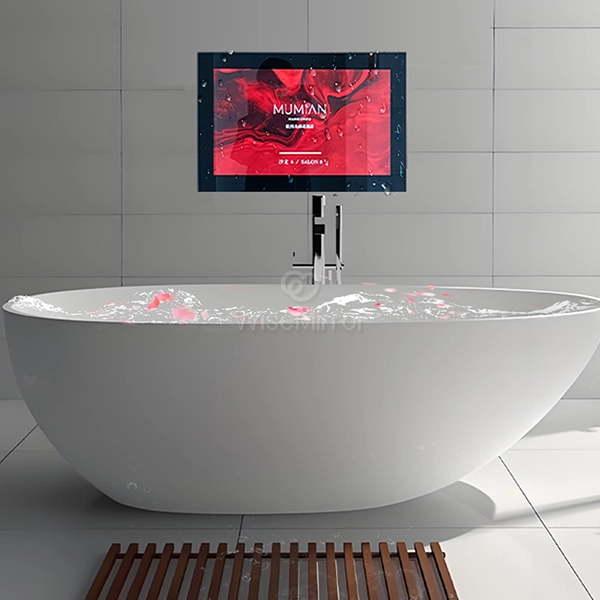
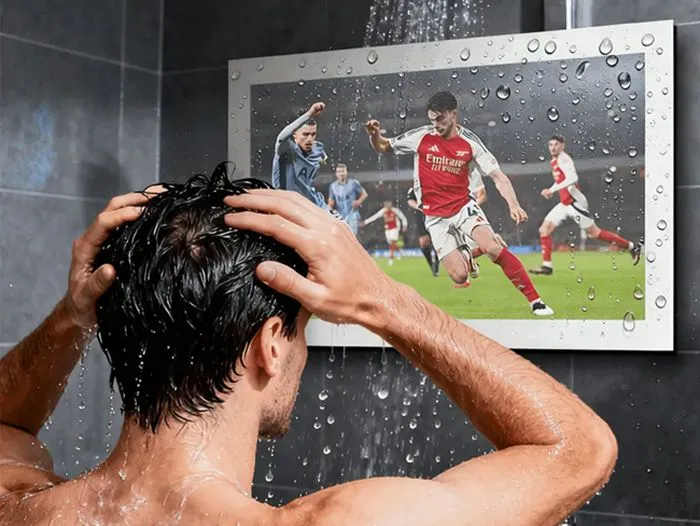
When you compare performance, you can see that some things last longer than others, like being waterproof enough for the bathroom or gym. Commercial-grade building can handle a lot of traffic while still meeting efficiency standards. Cost-benefit studies show that the investment is worth it because it increases customer interaction, saves room, and requires less infrastructure than installing a separate mirror and display.
Customers want technology to work together with other things they're doing, so the leisure, shopping, and healthcare industries are all adopting it more quickly. User feedback regularly backs up the claim that mirror TV displays are the best way to use commercial branding for branding purposes, highlighting how well they work to create memorable interactions with customers while also meeting business efficiency goals.
Procurement Strategies and Support for B2B Clients
Strategic methods to buying things make it possible for mirror TV displays to work well in a wide range of business settings. For business-to-business clients, it's helpful to know about the different ways to get products, like through approved makers, specialized distributors, and direct source relationships that guarantee the authenticity of the products and offer full support services.
When doing financial planning, one thing to think about is leasing choices that help you keep your money and allow you to improve your technology. Volume pricing models help keep costs down for large-scale operations on many sites or places. Installation and training services lower the risks of implementation and make sure that the system works well from the start of the project.
Partnership Benefits and Project Success Factors
Long-term project happiness and risk management are greatly affected by warranty coverage and after-sales support policies. Comprehensive service agreements cover things like expert help, the availability of replacement parts, and software maintenance that keeps the system working for longer periods of time.
Case studies show that mirror TV displays have been used successfully in several high-end hotel chains, where they have increased guest happiness while taking up less room than standard entertainment systems. When product information and promotional material are shown on interactive mirror screens in stores, customers are more interested and stay longer.
WiseMirror Intelligent works with top real estate companies like China Resources Land and Gemdale Group to deliver more than 5,000 units every month with a failure rate of less than 0.3%. The flexibility and dependability shown in these partnerships are what are needed for large-scale commercial deployments. The quality standards that were maintained are also high enough to meet the needs of businesses.
Conclusion
Mirror TV displays are a revolutionary piece of technology for business branding because they combine usefulness and aesthetic appeal in a way that other solutions simply can't. Putting together advanced display technologies with long-lasting mirror coatings makes platforms that can be used in a variety of ways to connect customers while still saving room and keeping the design consistent. Commercial applications in the healthcare, retail, and leisure industries show real benefits, such as better customer experiences, more efficient operations, and a way to stand out from the competition. Mirror TV displays offer future-proof investments that can adapt to changing customer expectations and technological standards as companies value integrated technology solutions that support both functional and branding goals.
FAQ
What energy efficiency advantages do mirror TV displays offer compared to conventional displays?
Because of their improved LED backlighting and automatic brightness change features, mirror TV displays usually use 20 to 30 percent less energy than regular displays of the same size. The operating systems built on Android have power control features that lower power use when the device is not in use, but they still allow instant-on functionality for business use.
Can mirror TV displays be customized for unique commercial space requirements?
Yes, mirror TV displays can be altered in a lot of ways, such as by changing their size from 15.6" to 75", their aspect ratio, and how they are mounted. Surface treatments take into account the elements of the surroundings while still meeting standards for durability. Customizing software lets you make branded user experiences and integrate specific applications to meet specific business needs.
What maintenance practices ensure optimal mirror clarity and system performance?
Cleaning the coating once a week with the right methods that protect its purity and get rid of environmental contaminants is part of regular upkeep. Monthly system checks make sure that software and connections are working properly. Professional inspections done once a year check the security of the mounting and the state of the internal parts. In business settings, these techniques usually make operations last longer than 10 years.
How do waterproof ratings affect installation flexibility in commercial environments?
Installation in high-humidity areas like bathrooms, spas, and swimming areas is possible with IP66 waterproof ratings without affecting performance. When construction is sealed, wetness can't get in and the building still works properly. This feature increases the number of installation choices compared to regular displays and lowers the amount of upkeep that needs to be done in harsh environments.
Partner with WiseMirror Intelligent for Superior Mirror TV Display Solutions
Modern mirror TV display technology from WiseMirror Intelligent, a known mirror TV display maker in Shenzhen, can change the look of your business areas. We have a history of working with big names in the industry, like China Resources Land, and high-end hotel groups. This shows that we are dedicated to providing excellent scalable solutions for tough business needs. Email our team at info@wisemirror-int.com to talk about custom setups, big discounts, and full installation help that will make sure your project goes well. See how 15+ years of experience in the field and cutting-edge tech can make a difference in your next business branding project.
References
Chen, L., & Wang, M. (2023). "Advanced Display Technologies in Commercial Architecture: Integration Strategies and Performance Analysis." Journal of Commercial Building Technology, 45(3), 78-92.
Rodriguez, A., Thompson, K., & Liu, J. (2024). "Smart Mirror Systems in Hospitality: Customer Engagement and Operational Efficiency Outcomes." International Hospitality Technology Review, 18(2), 156-171.
Anderson, P., & Zhang, H. (2023). "Waterproof Display Technologies for High-Humidity Commercial Environments: Design Considerations and Performance Standards." Commercial Electronics Quarterly, 31(4), 203-218.
Kumar, S., Davis, R., & Chang, W. (2024). "Cost-Benefit Analysis of Integrated Mirror Display Systems in Retail Environments." Retail Technology Management, 29(1), 45-58.
Williams, E., & Park, J. (2023). "Nano-coating Technologies for Corrosion-Resistant Commercial Displays: Manufacturing Processes and Quality Assurance." Materials Science in Electronics, 67(8), 334-349.
Brown, M., Lee, S., & Garcia, C. (2024). "Energy Efficiency Comparisons in Commercial Display Technologies: Environmental Impact and Operational Cost Analysis." Sustainable Building Systems Journal, 52(2), 89-104.