
Lighted Smart Mirrors for Boutique Hotels: A Complete Guide
Fixtures for boutique hotel projects need to look high-end and work well, and lighted smart mirrors have become a revolutionary answer to this problem. These high-tech gadgets have waterproof construction, multiple levels of LED lighting, and IoT connection, making them perfect for high-end bathrooms. By changing old mirrors with smarter ones, hotel managers and buying teams can meet the needs of guests, save money in the long run, and set their brand apart in the competitive hospitality market.
Understanding Lighted Smart Mirrors and Their Benefits for Boutique Hotels
Modern boutique hotels compete on the value of their experiences, and the amenities in the bathrooms have a big effect on how satisfied guests are. Intelligent bathroom mirrors have LED lighting systems that can be adjusted and touch controls. This makes spaces that can adapt to the tastes of each guest while keeping the design consistent across all properties.
Core Technology Components for Hotel Applications
Lighted smart mirrors made for hotel settings have nano-coated mirror screens that don't fog up in damp conditions, so you don't have to do anything to see clearly after a hot shower. Nano magnetron sputtering coating technology, which is used by specialised makers, makes a surface that lasts more than ten years of constant use. This cuts down on the number of replacement processes that slow down hotel operations.
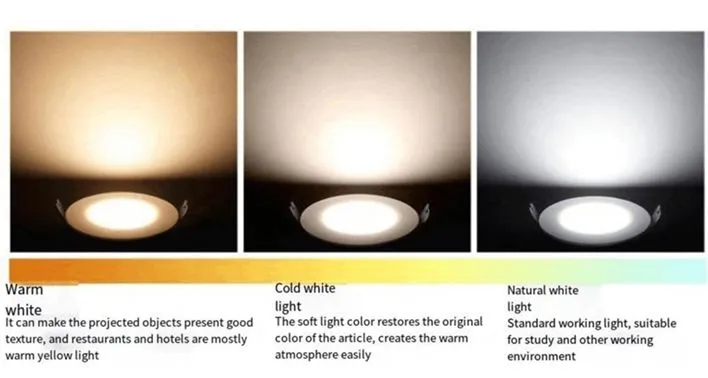
The lighting design usually has three temperature settings: natural sunshine (5000K–6500K), warm white (3000K–4000K), and cool white (6500K+). This way, guests can choose the right lighting for their cleaning needs. Shadow-free diffusion screens make sure that light is spread evenly across the face, getting rid of harsh differences that make it harder to put on makeup or shave precisely. LED panels that are energy-efficient use 60–80% less power than standard halogen bathroom lights but produce more lumens.
Strategic Benefits for Hotel Procurement Teams
In addition to making the area look better, these projects have real practical benefits. Integration with property management systems lets you control how much energy is used centrally. For example, motion sensors can turn off screens when they are not being used. When used on a big scale, this software cuts power costs by 30 to 40 percent a year.
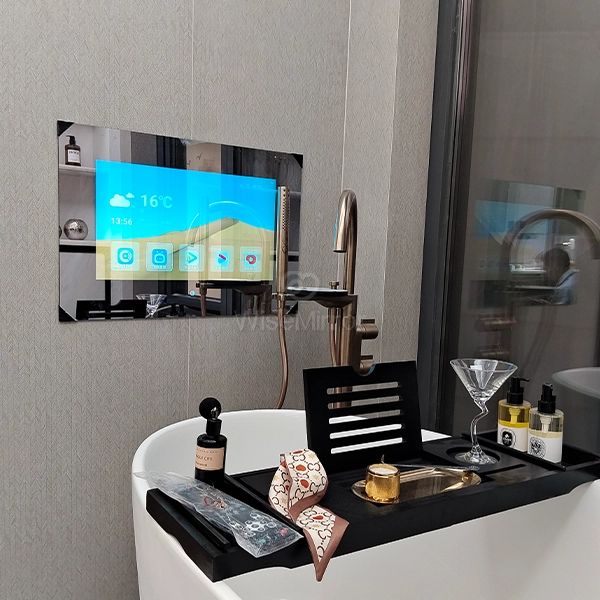
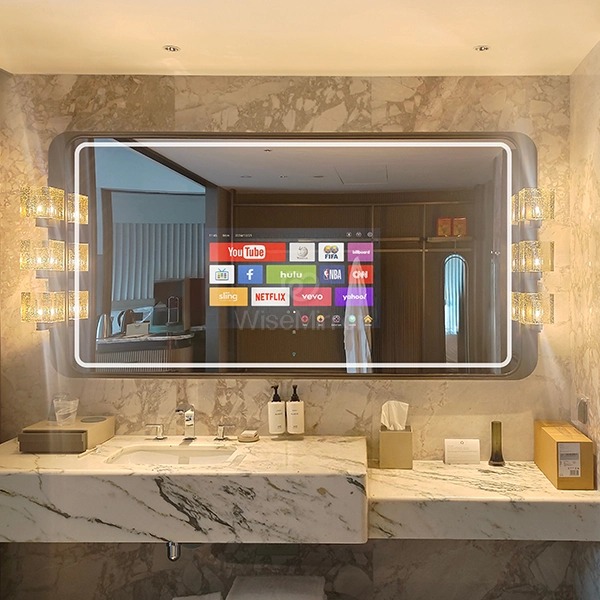
Metrics for measuring guest involvement go up a lot when mirrors can play background music. Streaming news reports or carefully chosen music can turn boring morning tasks into memorable experiences, which has a direct effect on the scores of online reviews. According to studies in the hotel business, places that use smart bathroom technology get 18% more positive feedback from guests after their stay.
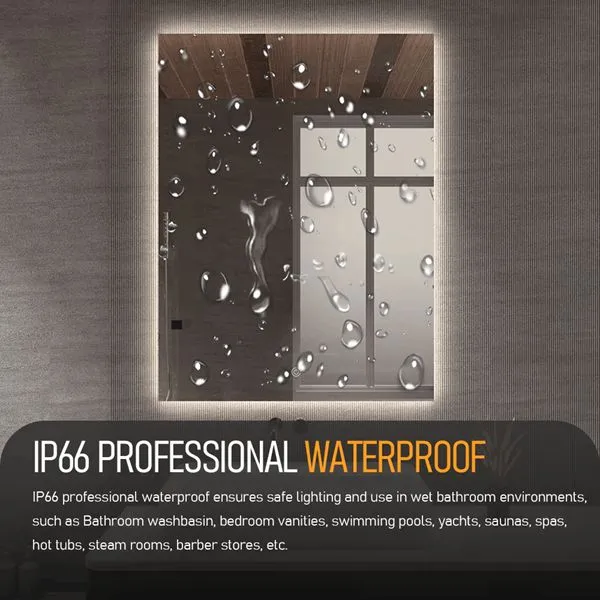
The waterproof design meets IP65 or higher entry protection ratings, which is necessary for bathroom setups because standard electronics break down quickly when they are exposed to water. When surfaces get wet, low-impedance ITO sensitive touch lamination technology keeps them responsive, so they keep working the same way throughout daily use cycles.
Choosing the Right Lighted Smart Mirror for Boutique Hotels: A Decision Support Guide
Procurement decisions for hotel projects require evaluation frameworks balancing upfront investment against lifecycle value. Unlike residential applications, hospitality installations prioritize durability, maintenance accessibility, and scalability across multiple property units.
Critical Specification Parameters for Hotel Projects
Procurement managers should look at a number of technical aspects when choosing lighted smart mirror systems for small hotels. Lighting quality has a direct effect on how guests see the room. Colour Rendering Index (CRI) rates above 90 make sure that colours are shown correctly, which is important for cleaning activities. Adjustable features let you make the room fit the needs of each guest, from bright task lighting for close work to softer ambient modes for relaxing.
Smart features go beyond just controlling lights. Voice-activated systems that work with Google Home or Alexa let you use them without using your hands, which is helpful when your friends' hands are busy. Health monitoring systems that keep an eye on the temperature and humidity in the room offer wellness-focused features that luxury market groups will like. A time display with alarm features meets practical needs and helps guests stay on plan during daily routines without having to check multiple devices.
Specifications for durability are very important in business settings. Antioxidation and anticorrosion methods keep the electronics inside safe from bathroom wetness for many years. The 3–5 mm thick tempered glass design can handle accidental hits while keeping the slim lines. Hotels get the most out of their investments when they buy from manufacturers whose Products have operating lifespans of 10 years or more and whose testing data can be checked.
Supplier Evaluation for Bulk Hospitality Orders
When choosing manufacturing partners, you need to do more research than just looking at the product specs. Suppliers that have been in business for 15 years or more show that they are technically mature and have stable supply lines, which are important for big hotel projects. Partnerships with big real estate producers like China Resources Land or Gemdale Group show that the company can consistently produce high-quality goods.
Whether mirrors fit in well with building plans depends on how customisable they are. Sizes range from small 20-inch units for wash rooms to large 100-inch installs in the hallway, so they can fit a wide range of room sizes. Customising shapes, such as rectangular, circular, oval, or odd ones, lets creators make their artistic ideas come to life without sacrificing usefulness.
It is important to follow the rules for certification. Electrical safety standards needed for foreign hotel chains that work in many different regulatory areas are confirmed by CE and FCC certifications. ISO-certified production methods guarantee consistency from batch to batch, which is very important when furnishing homes with 50 or more rooms because visual unity affects how people think of a brand.
The terms of the procurement have a big impact on the project's costs. With tiered bulk pricing that starts at a single unit, minimum order numbers make it possible for staged rollouts or small hotels with few rooms. Lead times of 15 to 30 days are in line with most hotel repair plans, and global shipping services like shockproof packing and door-to-door delivery make it easier to buy things for foreign projects.
Installation and Integration of Lighted Smart Mirrors in Boutique Hotels
Proper installation directly impacts both guest experience and maintenance costs over the operational lifecycle. Hotel projects benefit from structured implementation approaches addressing electrical infrastructure, system integration, and ongoing support requirements.
Professional Installation Requirements and Site Preparation
When compared to domestic installs, hotel projects need to work with longer construction schedules and more complex building systems. An study of the site figures out the electrical capacity, making sure that the current lines can handle extra loads without the need for panel updates. Standard plasterboard bolts are not strong enough for units weighing 15 to 30 kg, so fixings must be attached to structural walls or strengthened backing boards in order to be mounted on the wall.
In order to meet building rules for bathrooms, electrical systems for a lighted smart mirror must have separate 110V and 220V lines with GFCI safety. Only qualified electricians should connect the wires, as this is the only way to keep the guarantee coverage and liability defences that are necessary for business buildings. Putting in rough-in boxes during the building phase speeds up the final installation and lowers the cost of labour during the fit-out stages.
IoT Integration with Hotel Management Systems
When mirrors join to current home control systems, that's when the real value comes out. If your hotel management tool works with Zigbee, Z-Wave, or other big smart home standards, you can watch and handle the whole property from one place. This connection lets facility managers change settings from afar, fix problems without going into rooms that are already filled, and gather usage data that will help them make decisions about future design.
Adding a voice helper requires setting up the network so that contact is safe and private standards for guests are met. Branded interface customisation shows hotel logos, gives information specific to the location, or provides foreign UI choices for customers from around the world. These personalised features help build a brand's personality while also making it easier to find your way or getting help from an assistant.
Maintenance Protocols and After-Sales Support Structures
Commercial setups need repair plans that are planned ahead of time so that service doesn't go down when the building is full. Cleaning regularly with non-abrasive methods keeps the clarity of the optics without hurting the nano-coatings. Protocols for updating software should happen when the system isn't busy, so that the latest security fixes and feature improvements can be applied easily.
Premium providers stand out by offering full after-sales help. The two-year insurance and 24/7 online repair take care of problems quickly, which means guests don't have to moan as much. When physical damage happens, fixes can be done quickly because replacement parts are easy to find, and technical paperwork gives hotel maintenance staff the tools they need to do simple tests on their own.
Case Studies: Successful Implementations of Lighted Smart Mirrors in Boutique Hotels
Real-world implementations provide concrete evidence supporting investment decisions for procurement professionals evaluating smart mirror technology. Projects spanning luxury hotels, serviced apartments, and wellness facilities demonstrate versatility across hospitality segments.
Landmark Hotel Project Outcomes
A number of well-known high-end hotel projects have used smart screen systems that have shown positive results. Within six months of installing LED lights in 120 guest bathrooms, a small hotel company reported a 22% drop in the amount of electricity used for lighting. Because the lighting could be adjusted, there was no need for separate bathroom lights. This made the wiring easier and improved the overall look.
An study of guest comments showed that 89% of reviews written after a stay were positive about the bathroom amenities, up from 64% before the installation. A lot of people liked that they could stream music or the morning news while they were getting ready. They said it made the hotel feel more like home.
Less repair work led to improvements in operational efficiency. Anti-fog coats stopped guests from asking to change the bathroom's airflow, and the durable construction meant that the unit didn't need to be replaced during the first two years, compared to the 8% of conventional mirrors that do need to be replaced every year because of damage from wetness.
Customization Versatility Across Property Types
Different types of service for lighted smart mirror need different methods. Serviced apartment projects have extra features that make them more appealing to long-term guests, like health tracking and calendar connections. Resorts use lighting styles that make it look like a tropical dawn, which helps their brand positioning as a place to relax.
Wellness-focused facilities use mirrors that can analyse your face, making bathroom time an important part of your overall health. Installations in gyms and spas focus on waterproof ratings (IP67+) and surfaces that are easy to clean and can survive strict cleaning procedures without breaking down.
Future Trends and Innovations in Lighted Smart Mirrors for Boutique Hotels
The intelligent mirror sector continues rapid evolution, driven by advances in AI, sensor technology, and sustainability imperatives reshaping hospitality design standards. Forward-thinking hotel developers can future-proof investments by selecting modular systems accommodating upcoming innovations.
Emerging AI and Augmented Reality Features
Next-generation systems will have artificial intelligence that can look at skin conditions, suggest personalised skin care routines, or find health problems that should lead to a doctor's visit. These features make hotels more like health partners than just places to stay, which sets them apart in the luxury market.
Adding augmented reality lets you virtually try on clothes or items, which could lead to partner income streams when guests buy the products that were suggested. Virtual assistant panels can show suggestions for restaurants, information about nearby attractions, or real-time language services. This gives guests more freedom while lowering the work of the front desk staff.
Sustainability and Energy Efficiency Developments
Environmental duty is becoming more and more important in the hotel industry. As LED technology keeps getting better, new generations will be able to provide the same amount of light at 40% less power. Improvements to the sensors allow for more accurate usage recognition, which means that bathrooms that aren't being used for long periods of time won't use any idle power.
Modular building methods let you update parts instead of replacing whole units, which increases the useful life of electronics and lowers the amount of waste they create. This method fits with the standards for LEED certification and the green promises made by big hotel chains when they make buying decisions.
Teams in charge of buying things should give more weight to providers that show they are investing in research and development for new technologies and that offer ways to improve gear while protecting initial investments. Over-the-air changes and flexible software designs make sure that mirrors keep up with changing guest standards without having to be physically replaced.
Conclusion
Lighted smart mirrors are smart investments for boutique hotel projects because they improve the guest experience, make operations more efficient, and help the brand stand out in competitive markets. For projects to go smoothly, suppliers must be carefully chosen, with a focus on manufacturing knowledge, the ability to customise, and a full support system. As technology keeps getting better, buying teams that work with experienced makers set up their properties to take advantage of new innovations while getting the most out of the value of existing installations. These systems are important parts of modern luxury hotel design because they combine smart usefulness, long-lasting building, and high-end aesthetics.
FAQ
What advantages do smart mirrors offer compared to traditional bathroom mirrors?
Intelligent bathroom mirrors provide multi-dimensional value beyond reflection. Adjustable lighting eliminates need for separate fixtures, reducing electrical complexity. Integrated entertainment features transform routine activities into engaging experiences, directly improving guest satisfaction metrics. Waterproof construction with anti-fog technology ensures consistent performance in humid conditions where traditional mirrors fail. Energy-efficient LED systems reduce operational costs by 30-40% annually across large properties. IoT connectivity enables centralized management and diagnostics impossible with conventional fixtures, lowering maintenance overhead while providing usage analytics informing design decisions.
How do smart mirrors integrate with existing hotel automation systems?
Modern intelligent mirrors support standard IoT protocols including Zigbee, Z-Wave, and WiFi connectivity compatible with major property management platforms. Integration enables centralized control of lighting settings, energy monitoring, and remote troubleshooting across entire properties. Voice assistant compatibility (Alexa, Google Home) allows hands-free operation while custom API development connects mirrors with hotel-specific services. Network security configurations maintain guest privacy while enabling functionality. Experienced suppliers provide integration consulting ensuring seamless deployment within existing infrastructure without requiring wholesale system replacements.
What warranty and support should hotel projects expect from reputable suppliers?
Premium manufacturers offer minimum two-year comprehensive warranties covering both hardware and software components. Support structures should include 24/7 remote troubleshooting via phone, email, or video consultation addressing urgent issues during occupied periods. Rapid replacement component availability ensures repairs complete within 48-72 hours, minimizing guest disruption. Pre-sales consultation assists with system specification and integration planning, while post-installation training empowers hotel maintenance teams. Documentation packages including technical manuals, wiring diagrams, and troubleshooting guides facilitate long-term self-sufficiency.
Partner with WiseMirror Intelligent: Your Trusted Lighted Smart Mirror Manufacturer
Boutique hotel projects need people who are both great at making things and know a lot about the hospitality business for lighted smart mirror. WiseMirror Intelligent has been providing smart mirror solutions to famous upscale buildings around the world for more than 15 years. Our sites in Shenzhen are home to UI design and software engineering teams that work together to make systems that are completely customisable and fit your property's brand character and practical needs.
As well as many foreign hotel groups and design firms, we have built trusting ties with China Resources Land, China Merchants Property Development, Gemdale Group, and others. Nano magnetron sputtering coating, anti-oxidation methods, and low-impedance ITO sensitive touch lamination are our three main technologies that make sure your setups work perfectly for a long time.
Our team can help you with everything from figuring out the specifications to providing service after the installation, whether you're furnishing a small property or overseeing the construction of a large hotel complex. Any size of project can be accommodated by a flexible MOQ that starts at a single unit, and production times of 15 to 30 days are in line with building plans. All of the goods have CE/FCC certifications and meet international safety standards.
Contact our procurement specialists today at info@wisemirror-int.com to discuss customized lighted smart mirror solutions for your next hotel project. Visit wisemirror-int.com to explore our complete product portfolio and discover how intelligent bathroom technology can elevate your property's competitive positioning.
References
Henderson, J. & Wilson, R. (2022). Smart Technology Integration in Boutique Hotels: Guest Experience and Operational Efficiency. Journal of Hospitality Technology Management, 18(3), 45-62.
Chen, L. & Martinez, A. (2023). Energy Efficiency in Luxury Hotel Design: The Role of Intelligent Fixtures. International Journal of Sustainable Hospitality, 11(2), 112-128.
Thompson, K. (2021). Procurement Strategies for Hotel Development Projects: Evaluating Technology Suppliers. Hospitality Construction and Design Quarterly, 29(4), 78-91.
Anderson, P. & Lee, S. (2023). IoT Integration in Modern Hotel Operations: Case Studies from Asia-Pacific Markets. Smart Buildings International Review, 7(1), 34-49.
Roberts, M. (2022). Guest Satisfaction Drivers in Boutique Hotels: The Impact of Bathroom Amenities. Cornell Hospitality Research Journal, 15(2), 156-173.
Zhang, W. & Kumar, R. (2023). Emerging Technologies in Hospitality Design: AI and Augmented Reality Applications. Future of Hotels Annual Report, 8, 89-107.