

LED Travel Makeup Mirror vs Rechargeable Makeup Mirror: Key Specs for Retail Buyers?
When procurement managers and hotel project designers evaluate smart makeup mirrors for large-scale B2B orders, the choice between an LED travel makeup mirror and a rechargeable makeup mirror is rarely straightforward. Both product types share core DNA — high-definition reflection, integrated LED fill lighting, and compact construction — but they diverge sharply in power architecture, smart feature depth, and suitability for professional environments. Understanding these differences is essential for retail buyers who need to match product specifications to specific guest profiles, installation contexts, and long-term operational requirements.
Understanding Smart Makeup Mirrors: LED Travel vs Rechargeable Models
What Defines a Smart Makeup Mirror?
There is a high-definition, silver-coated glass surface and an LED array that was made just for a LED Makeup Mirror with Magnification. Unlike most bathroom mirrors, it gives off steady, color-accurate light no matter what the weather is like outside. It's important for hotel engineering teams and spa procurement officers to know this difference because guests expect to be able to see clearly at a vanity or bathroom sink, not with the skewed colors that come from the ceiling. As a general rule, items in this group have a CRI of 95 or higher, three different lighting modes, and touch-sensor settings.
LED Travel Makeup Mirrors: Core Characteristics
An LED travel makeup mirror is made to be light and easy to carry because it folds flat. It uses small batteries that can be changed or charged. It's helpful for people who have to move around a lot, like business travelers, beauty professionals who work in different places, and airline cabin crew. Most batteries are between 1200mAh and 2000mAh in size, and most of them are small enough to fit in an IATA carry-on bag because they are lithium-polymer cells that are less than 100Wh. Because the lights don't use much power, each charge can last for six to ten hours of continuous use.
Rechargeable Makeup Mirrors: Core Characteristics
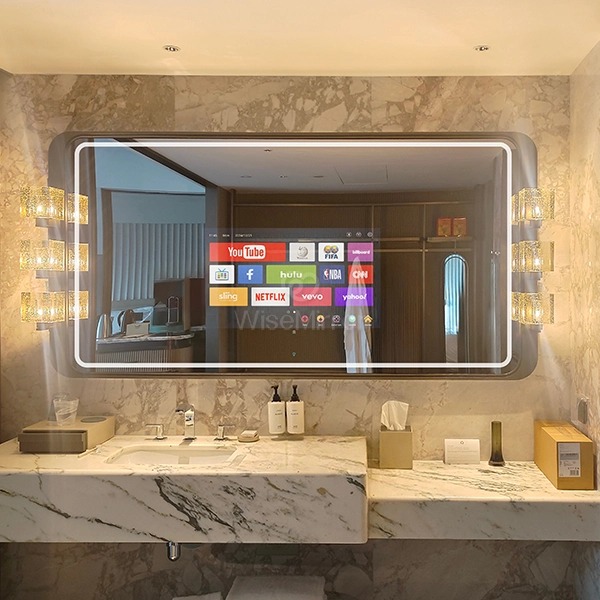
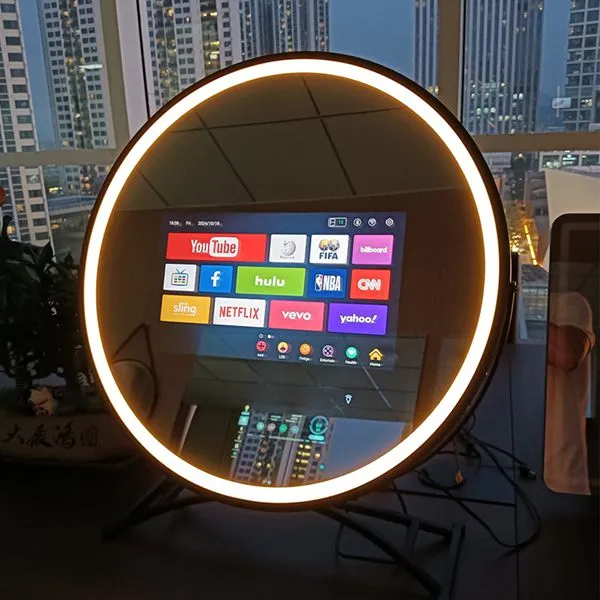
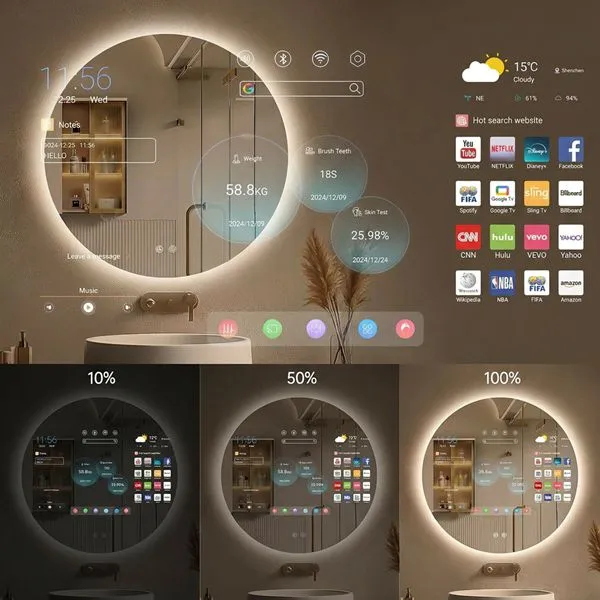
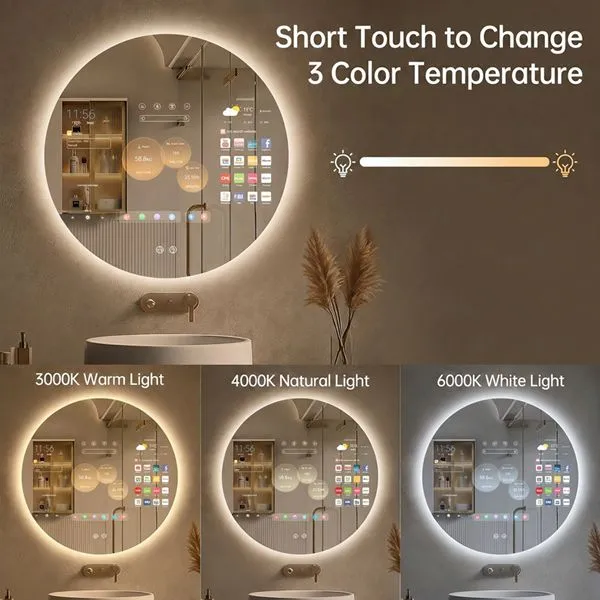
A rechargeable smart beauty mirror, such as a Foldable Travel Makeup Mirror with Lights, is made for long-term or short-term use in places like hotel vanity tables, serviced apartment bathrooms, and professional salon workstations. The battery can hold at least 2000mAh of power, it charges quickly via Type-C, and it has smart features like Bluetooth, beauty apps that you can download, and AI-assisted skin analysis. Even more can be done with these models from WiseMirror. From a single touch-enabled surface, guests can stream makeup tutorials, get step-by-step skin care guides, and change the lighting from warm white to natural to cool white.
Key Specifications Comparison for Retail Buyers
Lighting Technology and Color Accuracy
How well the lights work is the most important thing to look at when buying something. It's true that both types of mirrors use LED arrays, but rechargeable units can be dimmed steplessly from 3000K to 6500K. There should be at least a 95 on the CRI and a 97 on the TLCI for professional-grade units. It has a direct effect on how happy hotel guests are with the bathrooms, where they put on makeup in natural light that changes all the time. Most LED travel mirrors don't let you change the color temperature all the time, so they're not great for permanent installs in hotels.
Power Source, Charging, and Runtime Specifications
People who are shopping should look at this comparison of the two power designs:
- LED Travel Mirror: Replaceable AA batteries or compact Li-polymer pack (typically 1200–1800mAh); runtime 6–10 hours; airline-compliant; no charging port required during transport.
- Rechargeable Smart Mirror: High-density Li-polymer battery (2000mAh+); Type-C fast charging; smart auto-off sensor reduces idle power consumption; rated for daily professional use cycles without performance degradation.
The AA batteries or small Li-polymer pack (usually 1200–1800mAh) in a Led Smart Makeup Mirror can be changed, and the mirror runs for 6–10 hours. It works with airlines and doesn't need a charging port while traveling.
High-density Li-polymer battery (2000mAh+); Type-C fast charging; smart auto-off sensor cuts power use when not in use; rated for daily professional use cycles without performance degradation.
Smart Features, Connectivity, and App Integration
These differences have direct effects on buying in bulk for hotels. More repair calls and battery replacement costs for a 200-room hotel are cut down with a rechargeable model that has an intelligent power control circuit. These savings add up quickly over the course of a contract.
Procurement Considerations: How to Choose the Right Mirror for Your Retail Business?
Matching Mirror Type to Buyer Persona and Use Case
The right offering for each end customer will depend on what they need. Setting up luxury rooms in a hotel requires an expert to use a rechargeable smart mirror that is waterproof to IP65/IP66 standards, has an anti-fog coating, and a surface treatment that doesn't rust. A small LED travel mirror is a good item for areas that give gifts or talk about travel items. A buyer identity map should be made by procurement officers before they ask for samples. When the product specs and guest description don't match up, people will have to return the item, give bad reviews, and have trouble placing another order.
Supplier Credibility, Warranty, and After-Sales Infrastructure
Suppliers must be honest for long-term business relationships to work. The buying teams should look at proof that the batteries meet the standards set by UN38.3 and IEC 62133, as well as records of hinge wear tests (minimum 5,000 open-close cycles) and CE/FCC/RoHS approval. WiseMirror Intelligent has already been approved for more than 120 markets. This makes it faster for international hotel projects to get their customs clearance. Prototypes should be delivered in 15–20 days, and production runs of 500–5,000 units should have 30- to 50-day lead times. This will help keep projects on track.
Bulk Order Logistics and OEM Customization Options
Hotel chains and real estate developers often need mirror interfaces with their own brands, frame finishes that are unique to each property, and app configurations that are tailored to each property. Frames for WiseMirrors come in brushed metal, matte finishes, and sustainable wood to match the style of high-end rooms. OEM branding is possible during the standard prototyping window. This includes making your own startup screens and app storefronts. The data dashboard on the smart mirror lets hotel owners know how interested guests are in the services and adjust the programs to suit. Price tiers for bulk orders and real-time analytics on usage make this possible.
Practical Guide: Using LED Travel and Rechargeable Makeup Mirrors Effectively
Optimizing LED Travel Mirrors for Mobile Environments
Because full-spectrum cool white uses more current, set the LED travel Smart Makeup Mirror to its natural light mode (about 5000K) instead. This will get the most use out of the batteries while you're away. Be sure to fold the unit up so it doesn't turn on by accident. The photobiological safety scores for most types are in line with IEC 62471 standards. At normal working distances, this means that the LED output doesn't give off any blue light that could be harmful. The buying teams at hotels should write to their suppliers and ask for this.
Best Practices for Rechargeable Mirrors in Professional Settings
It's best to keep a Smart Makeup Mirror with Touch Control that can be charged charged between 20% and 80% overnight while plugged into a Type-C power source. This will make the cells last longer. When putting up a mirror in a hotel bathroom, make sure it's about 1.2 meters above the floor, which is the height of a closet door. This way, people can use it while they're sitting down. When guests aren't there, turn on the auto-off sensor to save power. The internal PCB has a smart memory function that instantly brings back the last saved brightness and color temperature setting. This means that the front desk doesn't get as many calls about setting up mirrors.
Upselling and Cross-Selling Opportunities for Retail Buyers
Beauty stores that sell smart screens can pair them with sets of skin care tools, makeup bags with brand names, and beauty gadgets that can be managed by an app. The software in the mirror lets you download other beauty and lifestyle apps, so it's more of a platform than a single-use product. This makes people more likely to buy from you again, which raises the average order value.
Future Trends and Innovations in Smart Makeup Mirrors
AI Skin Diagnostics and Personalized Beauty Guidance
Brain-powered AI is going from being an idea to a standard part of high-end rechargeable mirrors. These systems constantly check how much water your skin has, how healthy its pores are, and how dark your skin is. Then, they use the app on the mirror to get suggestions for Products or exercises. This feature turns a bathroom perk into a personalized health touchpoint for high-end hotels and fitness centers. This can help them stand out in real estate markets that are very competitive.
Eco-Conscious Materials and Sustainable Manufacturing
Environmental Product Declarations (EPDs) and other information about RoHS-compliant materials are being asked for more and more by procurement teams in the US. Because of this, companies that make mirrors are making frames out of recycled metal, LED arrays that don't use mercury, and shipping forms that use less packaging. WiseMirror products last longer because they have an anti-oxidation and anti-corrosion coating. This means they don't need to be replaced as often and make less trash over their whole life. Eco-friendly hotel managers and ESG-focused buying groups find this standard case strong.
Multifunctional Design and IoT Integration
In the next generation of products, smart makeup mirrors will be part of bigger hotel IoT ecosystems that include software for managing properties, room control panels, and lighting systems that set the mood. The lights in the room might change to match if a guest changes the color temperature of their mirror. The main reason smart home installers and AV system builders buy things is that they can work together. The WiseMirror rechargeable mirrors can join bigger networks as nodes because they have an open-system software design and Wi-Fi and Bluetooth.
Conclusion
A movable smart mirror and an LED mobile makeup mirror are two types of business-to-business (B2B) sales of a LED Smart Makeup Mirror. Travel mirrors are better because you can take them with you and they work on airplanes. Smart mirrors that can be charged are better because they last longer, have more features, and make the experience better for guests. Long-term, the rechargeable smart mirror is the better buy for hotel tech teams, real estate developers, and interior design companies that work on high-end homes. It has three types of lighting that can be adjusted, an app that works with it, IP ratings for waterproofing, and AI skin diagnostics. Still, the most important part of procurement is making sure that product specs match installation needs, and you can't skip supplier-verified certifications for professional projects.
FAQ
What is the key difference between an LED travel mirror and a rechargeable smart mirror for hotel procurement?
A small power supply and portability are what make an LED travel mirror what it is. For guest amenity kits and travel items that can be used in the room, this is a great size. A smart mirror that can be charged has more advanced smart features, like being able to connect to apps, use AI to analyze your face, and be waterproof up to IP65 standards. This is how permanent installations are done in hotel bathrooms and vanities.
Are rechargeable makeup mirrors suitable for bulk hotel orders?
Yes. Well-known brands like WiseMirror Intelligent make rechargeable smart mirrors that can be made in groups of 500 to 5,000. These mirrors can have OEM names added to them and come with custom frames. There are already more than 120 markets that accept CE, FCC, and RoHS certifications. This makes it easier for international hotel projects to keep up with the paperwork they need to do to stay in line.
What CRI rating should procurement teams require?
A professional beauty mirror needs to have a CRI of 95 and a TLCI of 97 at the very least. These marks make sure that the color accuracy is about the same as when the light is from the sun. This keeps you from making mistakes when putting on makeup when the lighting isn't right.
How long does LED lifespan last in professional-grade mirrors?
Professional mirrors for makeup that have good LED arrays should last between 30,000 and 50,000 hours. That means it will last longer than 20 years if it is used four hours a day. This is a fact that directly supports the total cost of ownership argument in hotel bids.
Can the mirror's smart features integrate with existing hotel room control systems?
WiseMirror makes smart mirrors that can be charged and connected to Wi-Fi and Bluetooth networks. Their software is open-system, which means that anyone can use it. This means they can work with IoT platforms, room management systems, and AV control systems in hotels that are run by system integrators.
Partner With WiseMirror Intelligent for Your Next Procurement Project
Shenzhen-based WiseMirror Intelligent has been making Smart Makeup Mirror for more than 18 years. They use their experience in all of their B2B projects, from hotel fit-outs for a single property to real estate projects for multiple developments. The company offers OEM customization, delivery of prototypes within 15 days, and support 24 hours a day, seven days a week after installation. It is a reliable partner for China Resources Land and well-known high-end hotel projects all over the world. You can email the procurement team at info@wisemirror-int.com or visit wisemirror-int.com to get samples, prices, and details about the project.
References
1. Grand View Research. Cosmetic Mirror Market Size, Share & Trends Analysis Report. 2023.
2. International Electrotechnical Commission. IEC 62471: Photobiological Safety of Lamps and Lamp Systems. 2022.
3. Illuminating Engineering Society. IES TM-30 Color Rendition Index and Gamut Area Scale. 2020.
4. United Nations. UN38.3: Recommendations on the Transport of Dangerous Goods — Lithium Battery Testing. 2021.
5. McKinsey & Company. The Beauty Market in 2023: A Special Insight on Skintech and Smart Beauty Devices. 2023.
6. International Hotel Technology Forum. Smart Room Technology and Guest Experience Benchmarking Report. 2022.