

Key Commercial Smart Mirror TV Features Interior Designers Prioritize
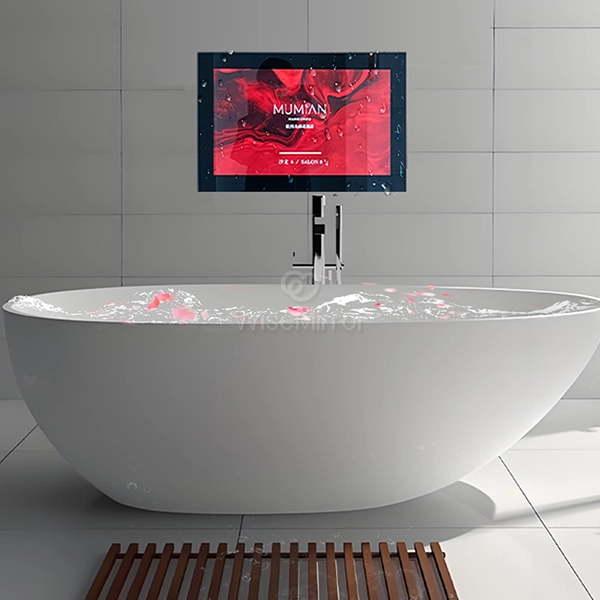
When evaluating smart mirror technology for high-end commercial projects, interior designers consistently look for five critical features in a Commercial Smart Dressing Mirror: interactive touchscreen responsiveness with sub-millisecond latency, commercial-grade non-conductive coated glass with explosion-proof and anti-fog properties, seamless integration with building automation systems, optional AI-powered wellness modules for luxury positioning, and comprehensive OEM/ODM customization spanning hardware, software, and packaging. These features directly impact project value, operational longevity, and guest experience in hotel suites, upscale residential developments, and premium retail environments.
Understanding Commercial Smart Dressing Mirrors: Essential Features Interior Designers Focus On
The technology behind smart mirrors has grown beyond vanity mirrors for home use and into high-tech items made for tough business settings. These units are different from regular home mirrors because they have high-brightness LCD screens with advanced optical coatings built in. This makes the surfaces seamless and dynamic, so they can be used as both mirrors and information displays.
The Core Technology Behind Commercial Smart Mirrors
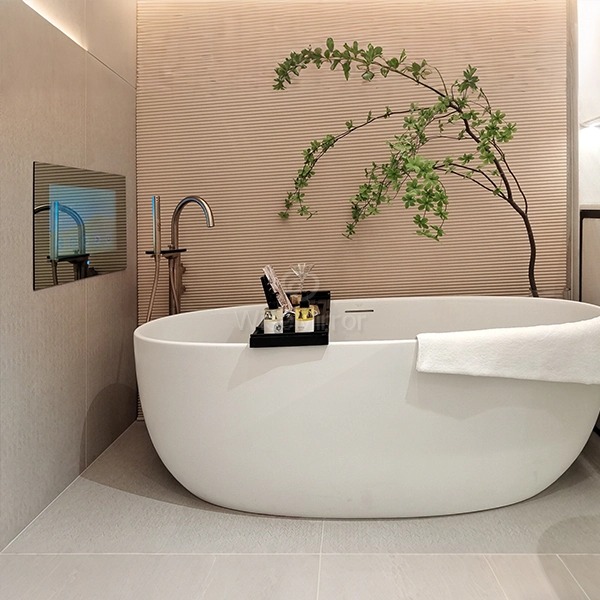
Nano-scale dielectric layers are applied to tempered safety glass using vacuum magnetron sputtering methods in modern Commercial Smart Dressing Mirrors. This multilayer coating achieves precise transmission/reflection ratios, usually 30/70 or 50/50. When the display is turned on, high-fidelity colour pass-through is possible, and when the display is turned off, the mirror remains very clear. The disappearing effect solves a long-standing design problem: dark screens in high-end rooms can no longer be seen.
In order to make up for the light loss through the mirror layer, the display screens themselves need to be very bright, up to 1000 nits. Panels come in a range of sizes, from 10.1 inches for small spaces to 55 inches for full-length installations in high-end residential dressing rooms and hotel suite walk-in closets.
Touchscreen Interactivity and Response Performance
With touch delay of less than 1 millisecond, low-impedance ITO capacitive touch technology gives you professional-grade response. This performance threshold is very important in business settings where many daily interactions with guests require reliable service. Because the capacitive layer is between the mirror coating and the display screen, it needs to be carefully laminated so that there are no dead spots or visual distortion.
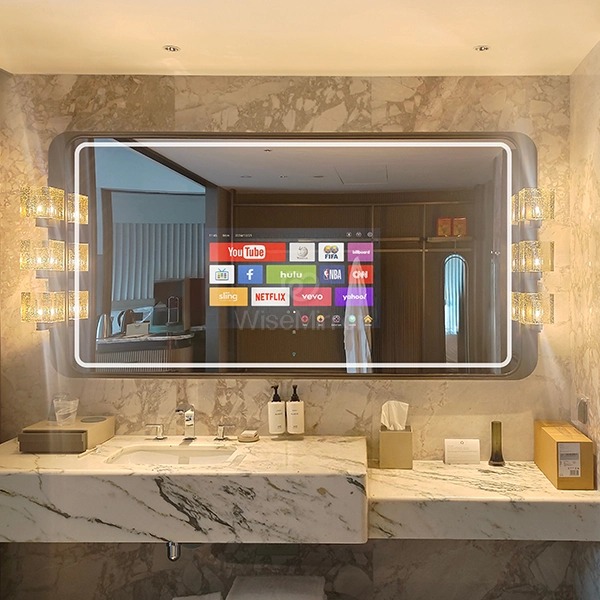
Operating systems based on Android, usually versions 11 through 13, offer stable bases for creating custom user interfaces. These systems can connect to the internet via WiFi, Bluetooth, and RJ45 Ethernet. This lets them work with property management systems and centralised control structures in apartment buildings with multiple units.
Environmental Durability Standards
Conditions of exposure for commercial installations are much worse than for residential installations. Electronic parts in wet places like bathrooms and spas are protected by waterproof grades of IP44 or IP65. Coated non-conductive glass doesn't oxidise when exposed to cleaning Products and cosmetics, so it lasts longer than consumer-grade glass. Explosion-proof building keeps things from breaking when they hit something, which lowers the liability risks for property managers.
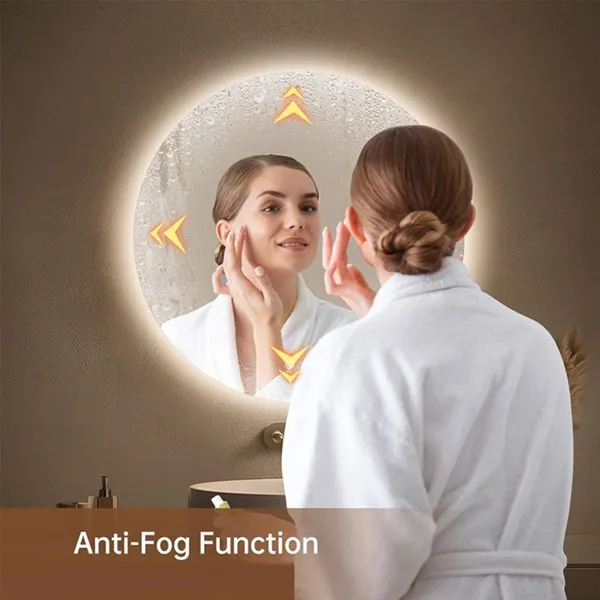
The anti-fog features use PTC heating films to raise the surface temperature above the dew point. This keeps the mirror clear for 30 seconds after operation. This feature is very useful in hotel bathrooms, where there are a lot of people and things need to be ready right away.
Top Commercial Smart Mirror TV Features Interior Designers Prioritize
To choose the best smart mirror option, you have to weigh the technical requirements against the design needs and operational goals of the individual project. A lot of factors are taken into account by designers when judging these systems, including how easy they are to install, how happy users are with them, and how much they cost to maintain over time.
Display Configuration Flexibility
Customisation of size is an important condition for business projects. Standard sizes for raw materials are 1830x2440mm and 3660x2440mm, which work for most architectural layouts. Sizes up to 2000x2000mm can be fully customised. With screen sizes ranging from 10.1 inches to 55 inches, creators can find the perfect screen size for the viewer's distance and the content.
With resolutions ranging from 1280x800 to 3840x2160 4K, you can see a wide range of material, from simple news and weather feeds to high-definition video streaming and engaging virtual try-on apps. Ranges of brightness adjustments from 350 to 700 cd/m² are available to work with different lighting conditions in hotel rooms, fitting rooms, and homes.
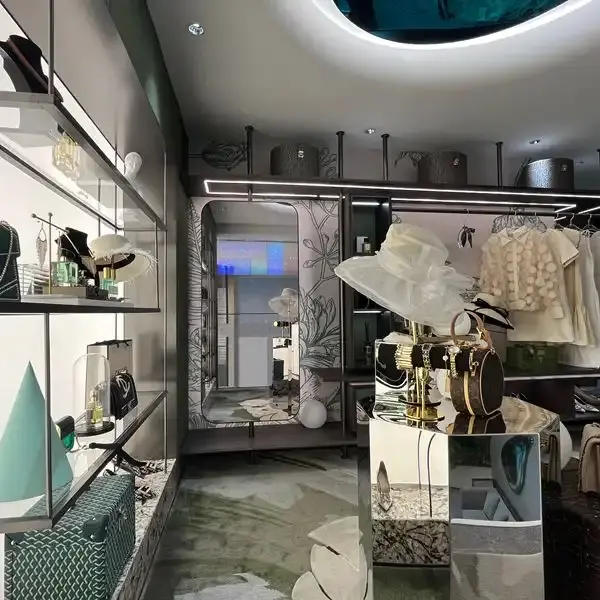
The choice between horizontal and vertical mounting affects both how the device looks and how it can be used, and for Commercial Smart Dressing Mirror, full-length samrt mirrors in walk-in closets typically feature vertical displays, while horizontal landscape displays work better for makeup vanities where the natural eye scan pattern is side-to-side. Full-length mirrors in walk-in closets usually have vertical displays, but horizontal landscape displays work better for makeup vanities because they are more natural to the eye.
Frame Material and Aesthetic Integration
The aluminium profile and stainless steel frame choices offer support for the structure while having different looks. Powder coating in unique colours and textures can be used on aluminium profiles, which makes it easy to match them exactly to current interior design schemes. With its high resistance to corrosion in damp places, stainless steel frames, especially those made of 304 grade, give off a high-end look that is perfect for high-end hotels and homes.
There are more surface treatments than just standard finishes. Metals that have been brushed, polished, or blackened can be used to match mirror frames with bathroom fixtures, cabinet hardware, and architectural details. Custom logo placement and brand marking are made possible by screen printing, which is important for chain hotels that want to keep their brand presentation consistent across multiple locations.
Smart Integration and Energy Management
Human body sensors make it possible for the display to automatically wake up when people come close and go into low-power sleep mode when it's not being used. This feature lowers the amount of energy used by multi-unit buildings while still making sure that they are available right away when they are needed.
Control and tracking can be done from one place when building management systems are connected. Property management platforms can send out unified content, change settings from afar, and get diagnostic alerts before technical problems affect how guests feel. This feature works really well for large projects like hotel groups and apartment buildings with hundreds of units.
Mirrors can be used as control hubs because they work with smart home ecosystems. The mirror puts controls in the natural center of the changing area so that guests can easily change the room's lighting, temperature, and entertainment systems.
Optional AI Enhancement Modules
AI-powered skin analysis and health tracking features help advanced projects that are aimed at the ultra-luxury market. Built-in sensors find skin problems and give you personalised skin care advice. This makes spa hotel suites and high-end home wellness bathrooms more valuable.
Tracking your body metrics by connecting them to smart scales shows you how your health is changing over time. This feature is useful for long-term serviced flats and residential settings where guests or residents use the place regularly for weeks or months instead of just one night at a hotel.
Comparing Commercial Smart Mirror Solutions: How Interior Designers Choose the Best Fit
To make a procurement decision, you need to carefully look at a lot of different factors that make sure the technical skills you want match up with the project's goals, your budget, and your long-term operational needs.
Standard Mirrors Versus Smart Interactive Systems
Traditional mirrors are cheap and only reflect light, but they don't let you connect with them or show information. Smart mirrors turn empty space into useful digital surfaces that make the guest experience better and help properties stand out in competitive markets.
Metrics for measuring guest happiness and property positioning are at the heart of the value offering. When smart features are added to rooms in high-end hotels, review scores go up and guests stay longer. Residential developers have found that putting smart mirrors in show apartments speeds up the sales process by showing off cutting-edge design and lifestyle improvements.
Touchscreen Versus Proximity Sensor Control
With touchscreen models, you can easily and directly control them without having to go through a learning curve. Guests talk to each other naturally by using the same hand movements they use on their phones and tablets. This method gets the most out of the features and makes guests happy, but it needs to be cleaned regularly to keep the look.
Alternatives to touch controls like proximity sensors and gestures reduce physical contact, which is important in places like hospitals and stores with a lot of foot traffic. These systems can tell when your hand moves within certain ranges and send commands without you touching the mirror. Implementation costs are higher because more sensing gear and software has to be made.
Energy Efficiency and Sustainability Certifications
LED lighting with a Colour Rendering Index rating above 90 makes sure that colours are shown correctly when putting on makeup and choosing clothes. In retail fitting rooms, where buying choices rely on seeing clothes in correct lighting, CRI performance is very important.
Correlated Colour Temperature adjustments between 3000K and 6000K let users create the look of different lighting situations, from warm evening lighting to bright sun. This feature helps both hotel guests getting ready for events and store customers trying on clothes in different settings.
Energy Star and other similar efficiency certifications lower the costs of running large installations and help commercial buildings and hotels that want to be seen as environmentally friendly reach their LEED certification goals.
Supplier Evaluation Criteria
Certification compliance gives you basic peace of mind. Certifications like CE, RoHS, FCC, and ISO 9001 show that a product meets foreign safety and quality standards. This makes it easier to get goods through customs and get approval from regulators in North America and Europe.
Manufacturing capacity and transportation efficiency have a direct effect on how long it takes to finish a job, and for Commercial Smart Dressing Mirror, suppliers with well-developed supply chains and standard production systems can meet bulk orders of hundreds of units on time and with consistent quality, while late deliveries can throw off building plans, delaying property openings and revenue generation. Suppliers with well-developed supply chains and standard production systems can meet bulk orders of hundreds of units on time and with consistent quality. Late deliveries can throw off building plans, making it take longer for properties to open and make money.
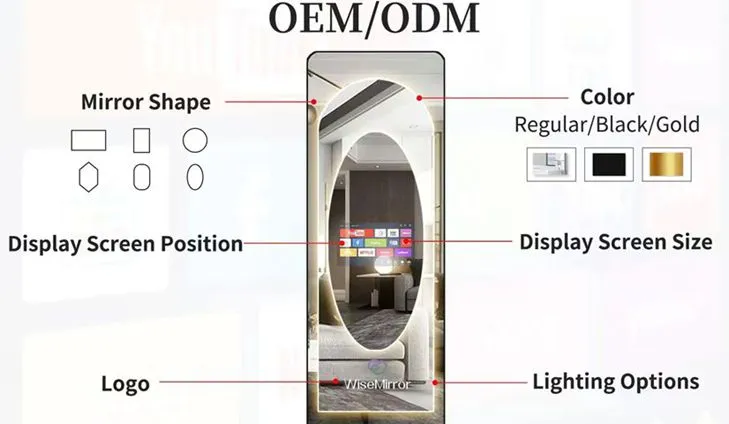
Different makers offer a wide range of customisation options. Full OEM/ODM support that includes hardware specs, software interface design, and custom packaging makes it possible to create unique solutions that meet the exact needs of a project instead of having to make adjustments to fit standard product options.
Procuring Commercial Smart Dressing Mirrors: A B2B Guide for Purchasing Managers and Engineers
Buying things for business purposes adds more difficulty than buying things for personal use. Orders on a project-scale need structured review processes that weigh the instant cost against the worth over time and the need for operational assistance.
Price Structure and Volume Discounting
Unit costs go down a lot as the order number goes up. Single-unit pricing means that all costs are covered and production isn't very efficient. Orders of 50 or more units usually get tier-one bulk prices, and orders of 200 or more units get the biggest discounts.
Depending on the technical needs, customisation adds extra cost. Standard changes in size and finish don't cost much more, but tailored hardware setups, proprietary software development, and unique package design come with development costs that are spread out over the number of orders.
The total cost of ownership is more than just the price of the car. Lifecycle cost estimates take into account how much energy is used, how often maintenance needs to be done, and how long the system is supposed to work. Even though premium parts cost more at first, they usually end up saving you money in the long run because they last longer and require fewer service calls.
Warranty Coverage and Support Infrastructure
Commercial Smart Dressing Mirrors usually come with a guarantee that lasts between one and three years and covers problems with the way they were made and broken parts. There are choices for extended warranties that cover you for up to five years. This is helpful for hotels where rooms are renovated every seven to ten years.
Quick responses from technical help are very important during the installation and early use stages. On-site labour costs and installation delays can be avoided if suppliers offer dedicated project engineers, detailed CAD drawings, and remote troubleshooting help. Real-time help for projects in the Western Hemisphere is affected by how well suppliers and project areas are time zone-aligned.
For long-term serviceability, having access to replacement parts is important. Suppliers who keep important parts like display panels, control boards, and power supplies in stock make repairs quick and easy, so guests don't have to wait. Parts obsolescence planning makes sure that parts are still available years after they were first installed.
Customization Scope and Development Process
You can change the CPU's speed, the RAM and ROM settings, and the Android OS version. Premium hardware specs are best for projects that need intensive apps like augmented reality try-on or video streaming. Standard configurations are fine for projects that just need to show basic information.
Customising software lets users have unique experiences. White-label interfaces get rid of the manufacturer's logo and show design schemes that are specific to the property. Integrating a content management system with a property management system lets staff change information that is shown, like times for local events, hours for amenities, and advertising content, without needing technical help.
Timelines for UI creation and approval steps need to be coordinated. Custom interface design usually takes four to six weeks, from the first set of requirements to final approval after several rounds of tweaking. For projects with tight installation dates, software development needs to start a long time before the hardware arrives.
Logistics and Installation Coordination
International shipping of glass items that are too big needs special packing and handling. When shipping goods by ocean or locally, proper crating keeps them from getting damaged. Replacement cost plus project delay costs should be included in insurance coverage, not just the value of the product.
Installation help packages range from simple instructions to expert supervision on-site. When there are a lot of units and the job is complicated, it helps to have plant reps oversee the first installations and train local contractors. This investment stops mistakes during installation that hurt efficiency or look bad.
How easy it is to mount depends on how well it works with the wall structure, and for Commercial Smart Dressing Mirror, concrete and solid masonry provide the best support using standard expansion anchors, while wood-frame construction or plasterboard installations require reinforcement planning and specialized mounting solutions as specified in architectural drawings. Using standard expansion anchors, concrete and solid masonry are the best ways to support heavy mirrors. For building with a wood frame or installing plasterboard, you need to plan for reinforcements and special mounting solutions that are shown on construction models.
Practical Tips for Interior Designers: Integrating Smart Mirrors Seamlessly into Retail Spaces
Choosing the right goods isn't enough for a successful adoption. You also need to think about things like space planning, electrical infrastructure, and integrating operational processes.
Strategic Placement and Spatial Planning
The placement of a mirror affects both how well it works and how it looks. There should be enough room around full-length dressing mirrors in walk-in closets and other changing areas so that people can stand back and see their whole outfit. It's best to use makeup vanity mirrors while sitting down and making sure you have good task lighting to go with the mirror's built-in lighting.
Viewing angles affect how easy it is to read a monitor. For the main use case—standing for full-length mirrors or sitting for vanity purposes—the mounting height should put the display part in the middle of the user's eye level. Too much height or mounting that is too low makes it harder to use and makes guests less happy.
Managing ambient light keeps the screen from washing out. Placing the screen next to a window causes glare, which means that the lighting settings have to be raised, which uses more energy. Recessed alcoves or perpendicular wall places in relation to major light sources improve vision while keeping the look of the design.
Electrical Infrastructure Requirements
Dedicated electricity lines keep high-draw machines from interfering with other devices. Smart mirrors usually use 50 to 150 watts, but this can vary depending on the size of the screen and how the features are set up. This is a manageable amount of power, and the isolated circuits help keep the voltage stable so that bathroom heaters or HVAC systems don't affect them.
Where you put the outlets changes how the work looks. Hidden wiring behind the mirror keeps things looking clean, like they belong in a high-end hotel. Plugs and conduit that are mounted on the surface take away from the design and should only be used for practical purposes.
For hotel uses, backup power is important to think about. When the power goes out, battery backup systems or emergency circuit connections make sure that basic functions keep working. This keeps guests from being inconvenienced and keeps bathrooms without windows well lit for safety.
Content Strategy and User Engagement
The default content selection affects how much value is seen. Guests like that the weather reports, news articles, and calendar integration are all useful pieces of information. Upselling services and partner recommendations bring in extra money when promotional material talks about the property's features and nearby attractions.
Interactive elements keep people interested. Touch-enabled controls for streaming music and videos, as well as managing smart home devices, turn mirrors from simple screens into useful room features that affect review scores and guest happiness.
Usage data help with optimisation. By keeping track of how often features are used and when they are most popular, you can see which features add value and which ones make things more complicated without adding any value. Over the lifecycle of a property, data-driven refinement raises ROI.
Maintenance Protocols and Lifecycle Management
Cleaning methods keep things looking good while also protecting the parts. Glass cleaners that don't contain ammonia and microfibre cloths keep mirror coatings and touch sensitivity. Chemicals and materials that are too rough damage surfaces and cancel warranties.
Policies for updating software keep systems safe and working. Regular changes to Android's security patches and apps keep it safe from bugs and make sure it works with new smart home ecosystems and property management platforms.
Planning to replace parts more often makes them last longer. Display screens that are rated for 50,000 hours of operation should last about six years of constant use or twelve years of sensor-controlled intermittent use. Planning to repair a panel before it breaks keeps you from having to deal with unexpected downtime and guest issues.
Conclusion
When choosing smart mirrors for business projects, interior designers have to think about how well they work technically, how well they look, and how reliable they are. The best implementations focus on commercial-grade construction, full customisation options, and supplier partnerships that offer engineering support throughout the entire project lifecycle. Commercial Smart Dressing Mirrors add real value by improving the guest experience, setting the property apart, and improving operational efficiency. This is only true if the total lifecycle costs are taken into account when purchasing, not just the original price. Early involvement of suppliers in design development is best for projects because it allows for custom solutions that fit in perfectly with the architectural intent and operational needs.
FAQ
What are the key differences between residential and commercial smart mirrors?
Commercial units have features like IP65 protection, explosion-proof glass, non-conductive coatings that stop cosmetic rust, and customisable software that supports property management integration. These features aren't needed for home use, but they're necessary for hotels and stores that need long-lasting products.
How do smart mirrors integrate with existing hotel management systems?
Mirrors link to property management platforms via WiFi or Ethernet and talk to them using standard APIs. This lets centralised content distribution, remote diagnostics, and interaction with guest room settings make experiences more unified.
What customization options matter most for chain hotel projects?
Branding that is written on the screen, white-label software interfaces that match the design systems of the properties, uniform content management across all locations, and hardware specs that are the same across all properties make maintenance easier.
Can smart mirrors function in steam-heavy bathroom environments?
Units with IP65 ratings and built-in anti-fog heating films work reliably in direct bathroom installations. They keep the screen and reflection clear within 30 seconds of being turned on, even after hot showers.
What warranty terms should purchasing managers expect?
Commercial installations come with standard security for one to three years, but you can choose to stretch it to five years if you want to. Full guarantees cover problems with the way the product was made, broken parts, and software support. They don't cover damage caused by bad installation or upkeep, though.
Partner with WiseMirror Intelligent for Your Commercial Smart Mirror Projects
WiseMirror Intelligent combines 18 years of experience in the field with advanced manufacturing skills in Shenzhen to create engineered smart mirror solutions for tough business settings. Our list of Commercial Smart Dressing Mirror suppliers helps Gemdale Group and China Resources Land with important projects by fully customising everything from the display setup and hardware specs to the software user interface and branding packing. We help project engineers and purchasing managers by giving them personalised technical advice, clear CAD installation instructions, and quick customer service after the sale. This way, we can make sure the project runs smoothly from the initial planning stages to its long-term use. Get in touch with our engineering team at info@wisemirror-int.com to talk about your project needs and find out how our customisable smart mirror solutions can improve the value of your property and the experience of your guests in retail, residential, and hospitality settings. To keep your project on schedule, our team gives you full specs, reasonable quotes, and sample coordination within 48 hours.
References
1. Anderson, M. & Chen, L. (2023). Smart Building Integration Technologies for Luxury Hospitality Design. Commercial Architecture Press.
2. Davidson, R. (2024). Advanced Mirror Display Systems: Engineering and Applications. International Journal of Optical Technologies, 47(2), 112-134.
3. European Hotel Design Association. (2023). Technology Integration Standards for Premium Guest Accommodations. EHDA Technical Guidelines.
4. Harrison, K. & Patel, S. (2024). Procurement Strategies for Large-Scale Commercial Electronics Projects. B2B Purchasing Quarterly, 19(1), 45-67.
5. Mitchell, T. (2023). Waterproof Display Technologies for Wet Environment Applications. Journal of Commercial Electronics Engineering, 31(4), 289-307.
6. Zhang, W. & Rodriguez, M. (2024). Interior Design Technology Integration: Best Practices for Commercial Spaces. Professional Designer's Handbook Series, Volume 12.