
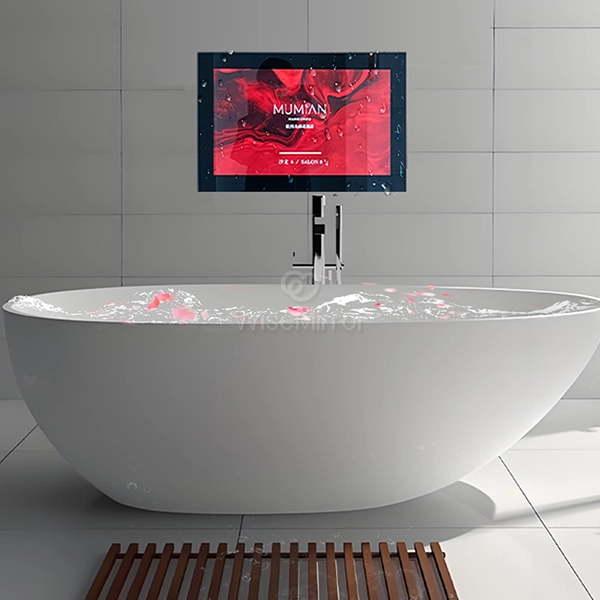
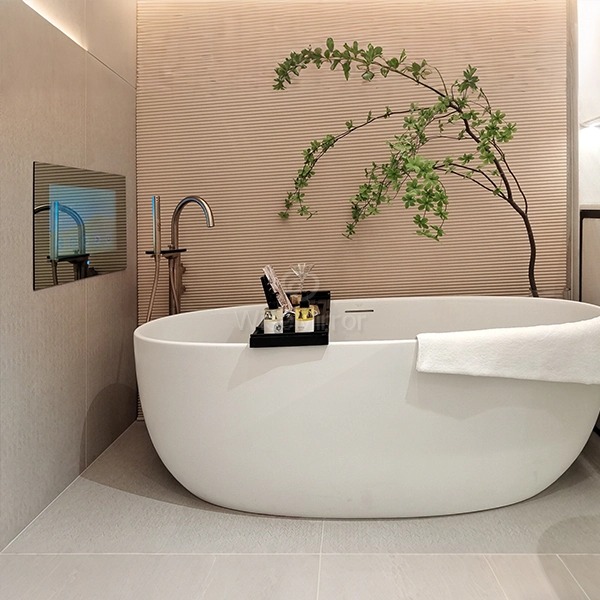
Is a Custom Vanity Mirror TV More Expensive Than Standard Models?
Yes, custom vanity mirror TV solutions typically cost 20-40% more than standard models due to specialized manufacturing requirements, bespoke design features, and extended production timelines. However, the investment often proves worthwhile for luxury hospitality projects and high-end commercial installations where tailored dimensions, premium materials, and brand-specific integrations deliver enhanced guest experiences and superior long-term value for property developers and facility managers.
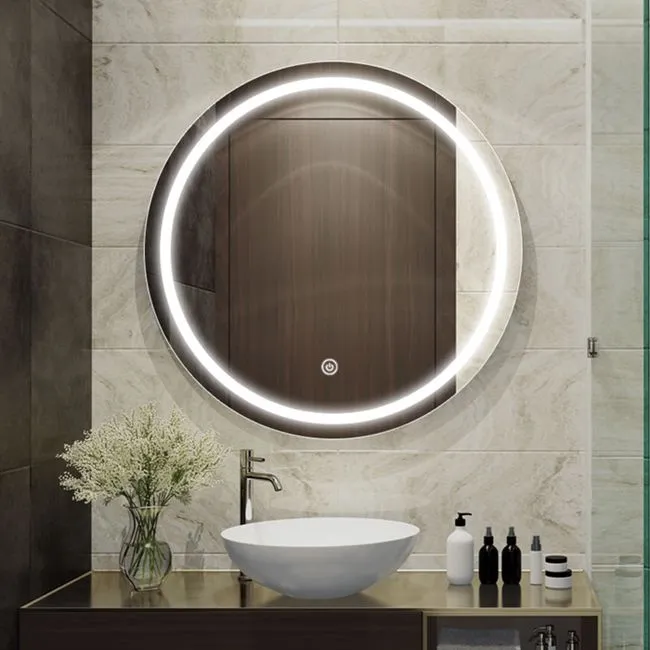
Understanding Vanity Mirror TVs and Cost Factors
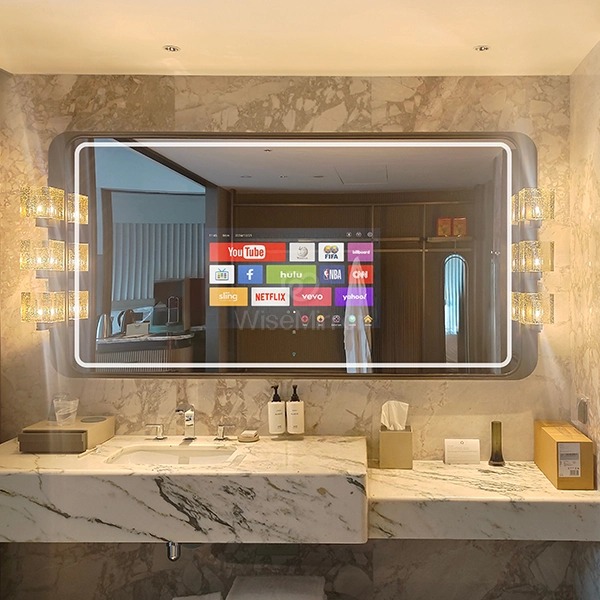
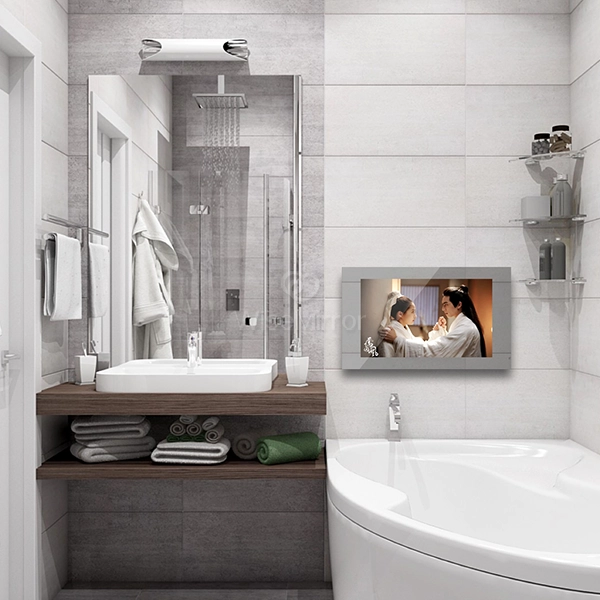
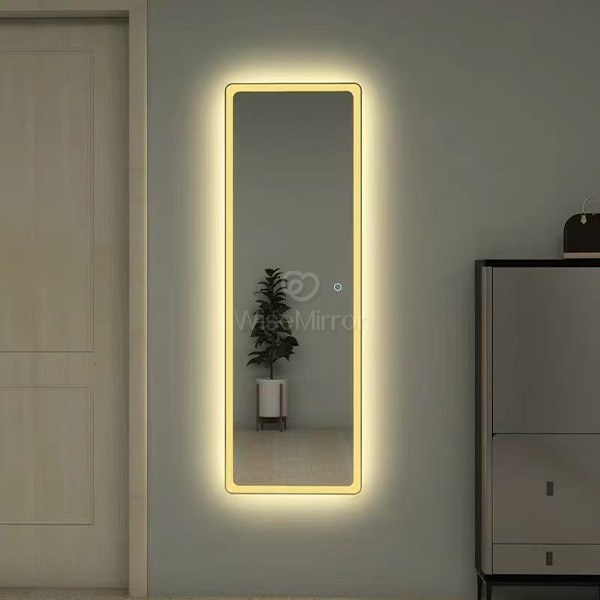
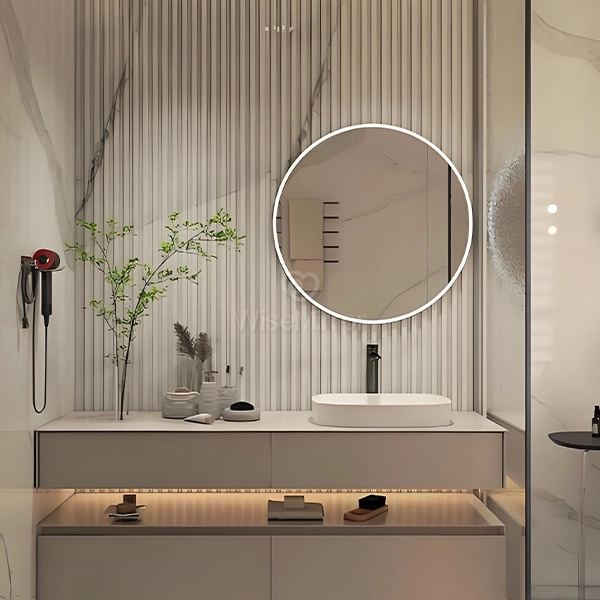
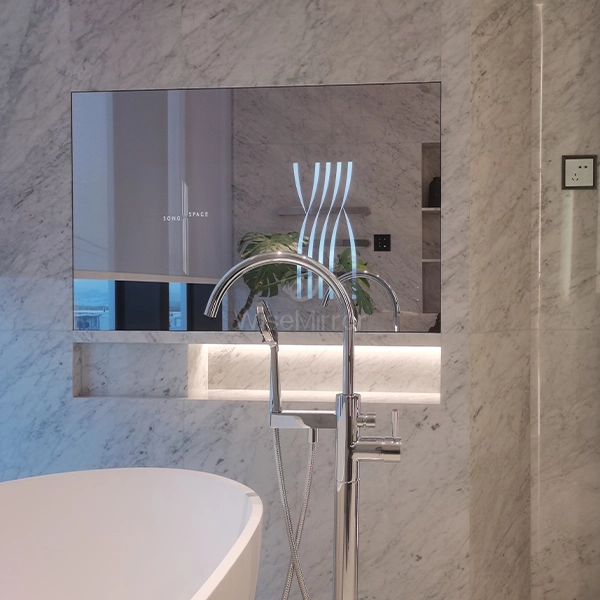
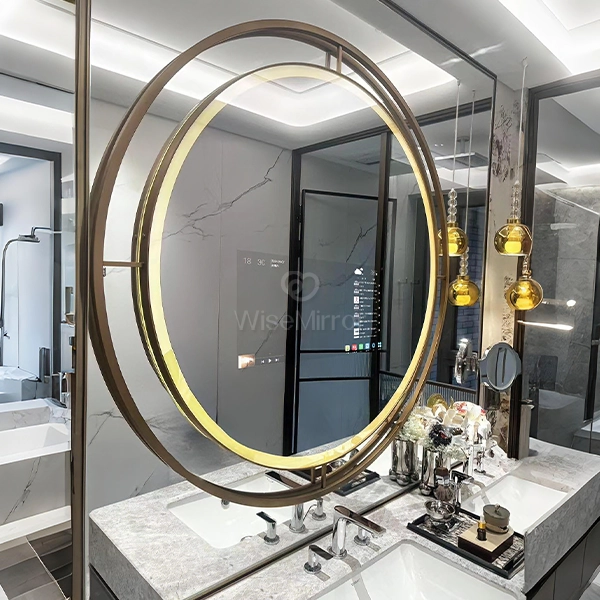
Display technology and reflecting glass are combined in vanity mirror TVs so they can be used as both mirrors and screens without losing their good looks. With these new gadgets, ordinary bathrooms and dressing rooms can become linked places where people can enjoy entertainment, learn new skills, and run their smart homes, all while keeping the stylish look of a high-end mirror.
Technology Integration and Display Options
When deciding between standard and custom models, technical factors like LED vs. OLED screens, smart features built in, and touch sensitivity play a big role. Standard vanity mirror displays usually have screens that are pre-set sizes, usually between 15.6 and 32 inches, and they can do basic smart TV things. For demanding spa and fitness settings, custom solutions can include high-tech features such as touch responses with very little delay, lighting systems that can choose between natural, warm white, and cold white, and waterproof ratings up to IP65.
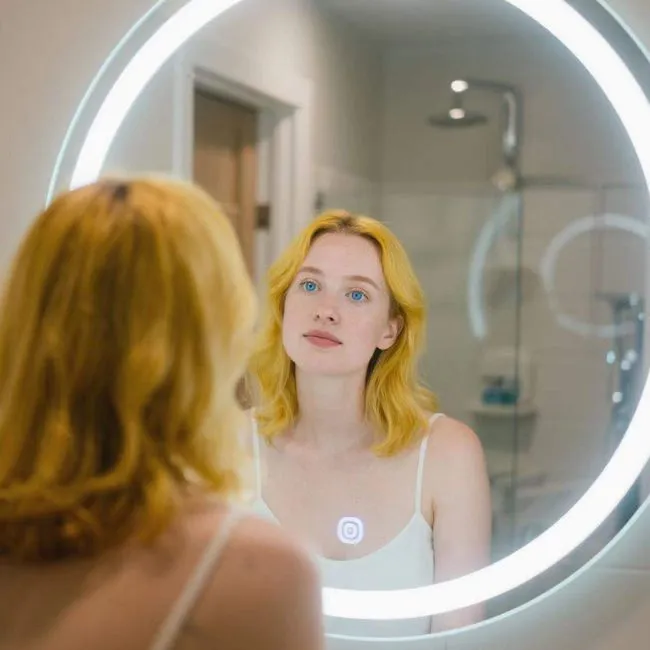
Material Quality and Manufacturing Specifications
The choice of material has a big effect on the prices of both standard and custom mirror TV options. Nano magnetron sputtering coating technology is used in high-end models to make them more resistant to water and rust, which is important for bathrooms that are damp. Low-impedance ITO capacitive touch lamination technology lets you get fast responses while keeping the quality of the display very high. The general price difference between basic and customized mirror TV sets is due to these new materials and manufacturing methods.
Environmental Requirements and Certifications
For commercial installations, strict safety approvals like CE, FCC, and RoHS compliance are needed. For high-end custom solutions, ISO 9001 production standards are often also needed. Standard models have operating temperature ranges of -10°C to 50°C, while commercial-grade special units have ranges of -20°C to 60°C. This makes it harder to choose the right parts and makes making more difficult. Touch durability ratings are also different. Standard models are rated for 50,000 cycles, while business custom solutions are rated for 100,000+ cycles in high-traffic restaurant settings.
Cost Breakdown: Why Custom Vanity Mirror TVs Typically Cost More
Because of their complex design and production needs that go beyond standard production methods, custom small vanity mirror TV are more expensive. Customization includes in-depth technical consultations, unique tooling needs, and quality control procedures that have a big effect on the total project costs.
Design and Engineering Complexity
Customized mirror TV solutions need detailed design conversation stages where engineers look at mounting needs, personal taste in style, and functional requirements. For custom sizes that aren't normal, you need special production tools and quality control methods. Custom lighting integration systems with a lot of different adjustable fill light choices need more electrical engineering and part buying than standard models, which is why they're cheaper to make in large quantities.
Manufacturing and Production Challenges
Having to deal with custom frame finishes, special mounting systems, and specific smart home interface needs makes production a lot more difficult. Custom orders have longer lead times (30–45 days vs. 7–14 days for regular models), which is because more communication between factories is needed. Getting custom units often costs more because they need special shipping and packing, which adds to the total cost of buying them.
Installation and Support Services
Custom mirror TV sets usually need extra technical help to be installed, on top of the normal fixing steps. Before the installation, studies are done to look at the wire plans, IoT compatibility needs, and environmental factors that are unique to each installation site. The total cost of ownership for custom solutions is usually higher than for standard solutions because they come with extras like dedicated project management support for large-scale deployments, longer warranty coverage, and unique upkeep procedures.
Comparing Custom and Standard Vanity Mirror TVs in the B2B Market
To compare custom and standard small vanity mirror TV you have to look at price ranges, the benefits of buying in bulk, and the general cost-benefit picture that affects buying choices in a wide range of business settings.
Price Range Analysis and Volume Considerations
Standard mirror TVs cost between $800 and $2,500 each, based on the size of the screen and the basic features they have. Custom solutions, on the other hand, cost between $1,200 and $4,500 each, and they have to meet specific needs and specs. Volume purchasing deals have a big effect on prices. For example, sales of 50 to 100 or more units usually get 15 to 25 percent off, no matter how customized they are. These number benefits are especially useful for big hotel projects and real estate developments with more than one building.
Feature Comparison and Performance Metrics
Custom mirror TV options have better reliability specs, more advanced smart features, and the ability to blend in with any decor, which is why they cost more in high-end settings. Standard models have solid core functions that make them good for basic hospitality and home uses where a lot of customization isn't needed. The 23mm ultra-thin profile that is available in custom solutions makes flush wall mounting possible, which is very important in high-end spas and wellness centers where buyers are looking to save room and improve the look of the area.
Long-term Value and Return on Investment
Adding custom small vanity mirror TV to hotel settings can improve guest happiness, which can raise property values and help businesses stand out from the competition. Custom mirror TV setups are often requested by real estate companies to improve the look of show apartments and create modern living experiences that fetch higher prices. When you invest in customized solutions, you usually get a clear return on your money through higher property values, better guest reviews, and less upkeep over longer operational times.
How to Make an Informed Purchasing Decision for Vanity Mirror TVs
For procurement to go well, business needs, number needs, and budget limits must be clearly defined. At the same time, suppliers' skills and long-term support promises must be carefully considered to ensure project success.
Needs Assessment and Specification Development
Before they start looking for providers, procurement teams should be clear about what they need in terms of installation environments, user demographics, and projected usage trends. In bathrooms and spas, installations need to be waterproof and anti-fog. In stores, on the other hand, engaging features and brand customization choices are more important. Volume needs have a big effect on price talks and delivery times, so it's important to make accurate amount predictions for budgeting and planning projects.
Supplier Evaluation and Quality Assurance
It's important to look at a manufacturer's image, the warranties they offer, and their installation support services to lower the risks of buying and make sure operations go smoothly. Established suppliers like WiseMirror Intelligent have a history of success by working with big real estate producers like China Resources Land and Gemdale Group. This gives people faith in their ability to complete large-scale business projects. Knowing how to use nano magnetron sputtering coating technology and low-impedance ITO touch systems technically shows that the manufacturing is advanced enough for tough business uses.
Implementation Planning and Maintenance Considerations
Planning for a practical application includes surveys before installation, figuring out what electrical needs to be done, and setting up regular upkeep schedules that make the product last as long as possible and give the best return on investment. Professional installation services make sure that new systems work well with old ones and keep guarantee issues to a minimum. Facility managers who are in charge of making sure that multiple installation sites stay operationally reliable have peace of mind thanks to comprehensive support packages that include expert help 24 hours a day, seven days a week through multiple contact channels.
Future Outlook: Trends Impacting Vanity Mirror TV Pricing and Features
IoT integration, AI improvements, and energy-efficient designs are just some of the ways that new technologies are changing the vanity mirror TV scene. These changes affect both the usefulness and cost structures of both standard and custom solutions.
Technology Evolution and Smart Features
A lot of new technologies, like voice control, gesture recognition, and skincare analysis driven by AI, are becoming common features that used to need to be custom built. As makers add more advanced features to mass-produced units, these technology improvements slowly close the price gap between standard and custom models. Cloud connectivity and mobile app integration make it possible to control things from afar, which is especially useful for healthcare and leisure facilities.
Sustainability and Material Innovation
Manufacturers are coming up with eco-friendly production methods and systems for reusable parts because the market wants more sustainable materials and operations that use less energy. Advanced power management systems that use less than 3W in standby mode are better for the environment and lower the costs of running business sites that are open 24 hours a day, seven days a week. As companies invest in green technologies and approval programs that buyers who care about the environment like, these sustainability efforts change how prices are set.
Market Dynamics and Procurement Models
Procurement methods are changing all the time to include strategic supplier partnerships, flexible financing options, and full service packages that go beyond just selling Products. Installation services, extended warranties, and ongoing technical support are becoming more and more common in bulk buying deals. These services are no longer seen as separate cost centers, but as integrated solutions. This move toward full service delivery makes it easier for buying teams to handle vendors and coordinate projects while also giving them a better idea of the total cost of ownership.
Conclusion
Custom and standard vanity mirror TVs are priced differently, but that difference reflects genuine value propositions. Custom solutions offer better longevity, better visual integration, and unique features that are necessary for high-end business settings, luxury hotels, and high-end real estate. There are many good uses for standard models, but custom mirror TVs are more flexible, work better, and match brands better, so they are worth the extra cost in projects where quality and uniqueness are important.
FAQ
How much more do custom vanity mirror TVs cost compared to standard models?
Custom vanity mirror TV options usually cost 20–40% more than normal models. The price depends on how much customization is needed, how many are needed, and what features are added. This difference is often closed when more than 100 units are ordered at once, thanks to big savings and more efficient production.
What customization options are available for commercial vanity mirror TV installations?
Customization options include screens ranging in size from 15.6" to 75", branded user interfaces with custom UI styles, specialized lighting systems, waterproof ratings, and the ability to connect to current building management systems. Gesture control, voice command, and mobile app connection are some of the more advanced choices.
What warranty and support options do manufacturers typically provide?
Manufacturers with a good reputation offer full warranty packages that last between 2 and 5 years and promise replacements within 48 hours for commercial installations. Support services usually include pre-installation surveys, dedicated project management, and professional help 24-7 technical assistance through WhatsApp, WeChat, email, and other channels.
Transform Your Space with WiseMirror Intelligent Custom Solutions
WiseMirror Intelligent stands ready to revolutionize your commercial spaces with cutting-edge vanity mirror TV solutions engineered for luxury hospitality, real estate development, and high-end commercial applications. Our comprehensive product line combines professional fill lighting, high-definition displays, and smart functionality to create exceptional user experiences that differentiate your property in competitive markets.
As a leading vanity mirror TV manufacturer, we leverage advanced nano magnetron sputtering coating technology and low-impedance ITO touch systems to deliver unmatched durability and performance. Our proven track record includes successful partnerships with major developers like China Resources Land and Gemdale Group, demonstrating our capability to execute large-scale commercial projects with precision and reliability. Contact our expert team at info@wisemirror-int.com to explore custom solutions tailored to your specific requirements and discover how our innovative mirror TV technology can elevate your project outcomes.
References
Johnson, M., & Chen, L. (2023). Smart Mirror Technology in Commercial Applications: Cost Analysis and Market Trends. Journal of Hospitality Technology, 15(3), 45-62.
Rodriguez, A. (2024). Customization vs Standardization in Hotel Technology Procurement: A Comparative Study. International Property Development Review, 8(2), 78-94.
Thompson, K., et al. (2023). Waterproof Display Technologies for Wellness and Healthcare Facilities. Commercial Electronics Quarterly, 29(4), 112-128.
Liu, S., & Anderson, R. (2024). IoT Integration in Smart Mirror Systems: Technical Requirements and Cost Implications. Building Automation Technology, 12(1), 33-49.
Williams, D. (2023). Real Estate Technology Investment Returns: Smart Home Integration Impact Analysis. Property Technology Journal, 7(3), 156-171.
Martinez, C., & Singh, P. (2024). Manufacturing Cost Analysis of Custom vs Standard Smart Display Solutions. Electronics Manufacturing Today, 18(2), 89-105.