
Interactive Gym Mirror TV Applications in Commercial Gyms
Interactive gym mirror TV technology represents a transformative shift in how commercial fitness facilities engage members and deliver personalized training experiences. At the heart of this innovation lies the Custom Smart Fitness Wall Mirror—an integrated solution that seamlessly blends high-definition display technology with reflective surfaces to create immersive workout environments. Unlike consumer-grade options, these commercial systems feature Android-based platforms, responsive touch controls, Wi-Fi and Bluetooth connectivity, and extensive customization capabilities designed specifically for boutique fitness studios, luxury hotel wellness centers, and upscale gym chains throughout the United States market.

Understanding Interactive Gym Mirror TV Technology in Commercial Gyms
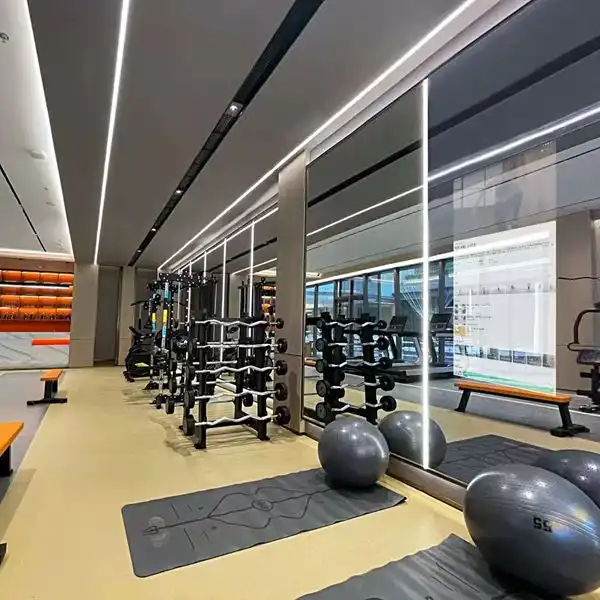
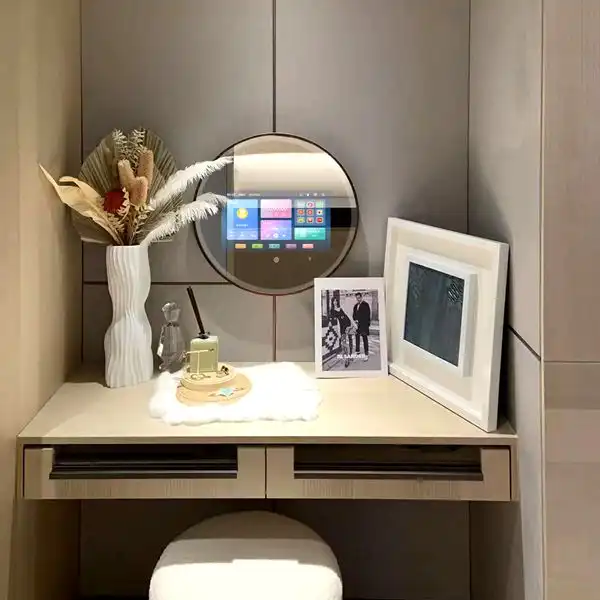
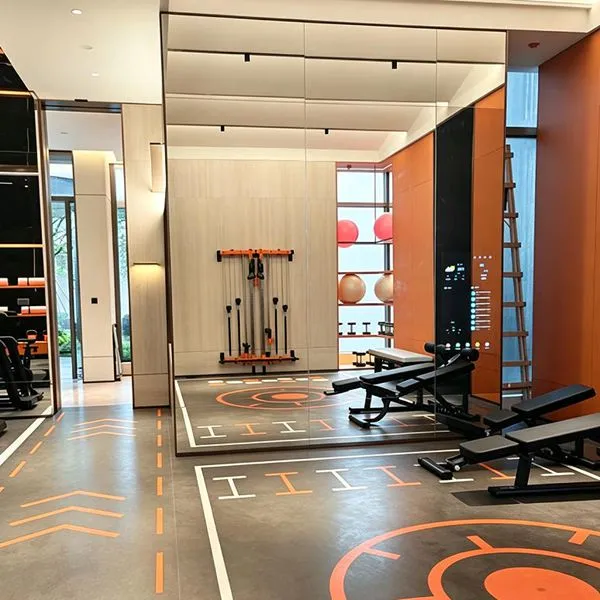
Smart fitness mirrors are different from regular exercise equipment because they are built with advanced engineering that is specifically tuned for tough commercial settings. Professional-grade display panels, usually between 32 and 55 inches, are built into these systems. They have semi-transparent dielectric mirror coatings that keep the optical clarity even when the power is off. The disappearing effect makes sure that the unit works like a normal mirror when it's not in use, which protects the look of high-end exercise centers.
Advanced Display and Touch Integration
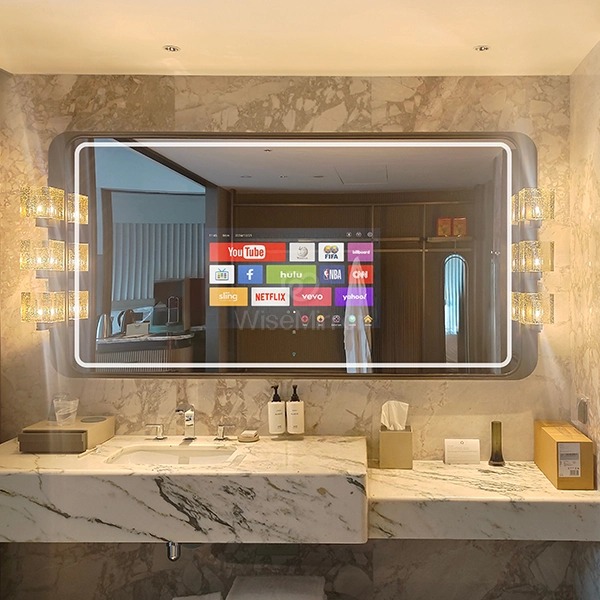
Commercial-grade fitness mirrors have LCD screens that are very bright—often over 700 nits—to make up for the loss of light that goes through the mirror base while keeping the colours and contrast levels that are good for streaming exercise content. A Custom Smart Fitness Wall Mirror can integrate a responsive touch control layer that uses projected capacitive technology to support multi-point input. This lets users move through workout libraries, change settings, and manage playback all from the mirror surface. With this easy-to-use interface, you don't need any extra controllers that can get in the way of your workout or get lost in a busy gym.
Connectivity Architecture for Seamless Operation
Stable Wi-Fi and Bluetooth connections are what make interactive features work. They let you stream live classes in real time, sync with fitness trackers you wear, and connect to facility management systems. The Android smart system offers a versatile software foundation that works with well-known fitness apps like Peloton Digital and Les Mills On Demand, as well as custom workout programs created by gym owners. This open design is especially helpful for exercise chains with multiple locations that need to make sure members have the same experience at all of their locations while still being able to change the material they offer.
Engineering Specifications for Commercial Durability
Unlike home models, business exercise mirrors have parts that are made to last in harsh conditions and keep working even when there is a lot of traffic. Tempered safety glass that doesn't break easily, IP65-rated enclosures that keep sweat and wetness out of the electronics inside, and industrial-grade heat management systems all work together to make sure that the computer works well during intense group lessons. Nano magnetron sputtering covering technology, used by companies like WiseMirror Intelligent, stops rust and corrosion even in wet health centers. This means that the mirrors can be used for more than 50,000 hours, which is an important thing for project managers to think about when figuring out the total cost of ownership.

Practical Applications of Interactive Gym Mirror TVs in Commercial Gyms
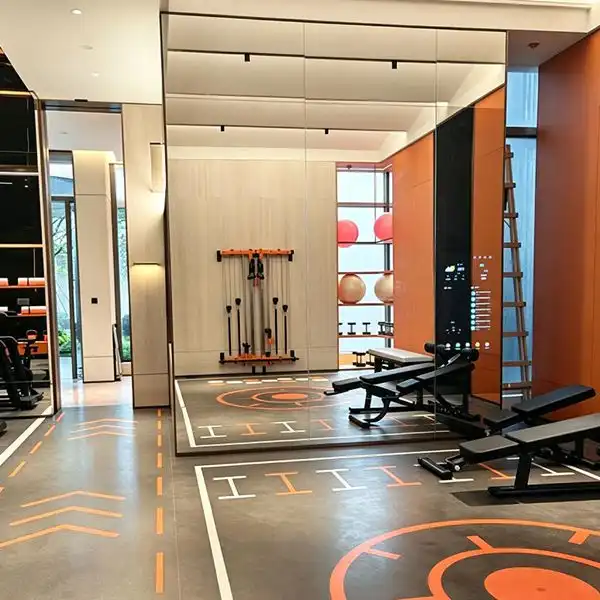
Because smart fitness mirrors are so flexible, Custom Smart Fitness Wall Mirrors can be used in a wide range of business fitness facilities. This helps address practical issues and increases the value offered to members. You can see a clear return on investment with these solutions because they improve retention rates, encourage more students to participate in classes, and provide additional services without having to hire more staff.
Personalized Training and Progress Tracking
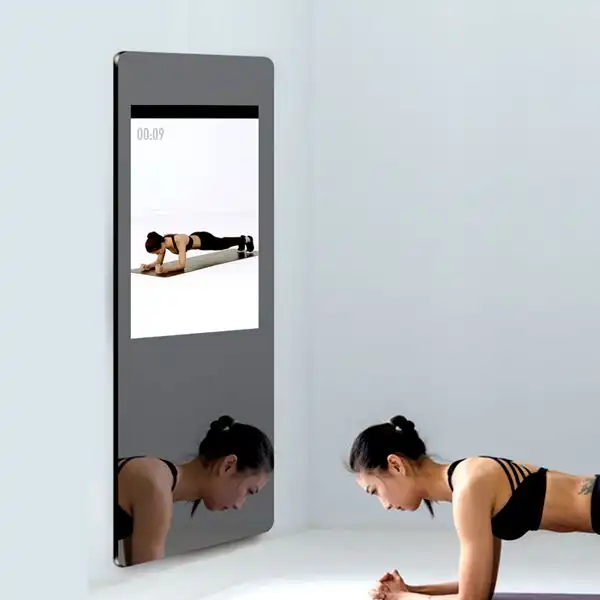
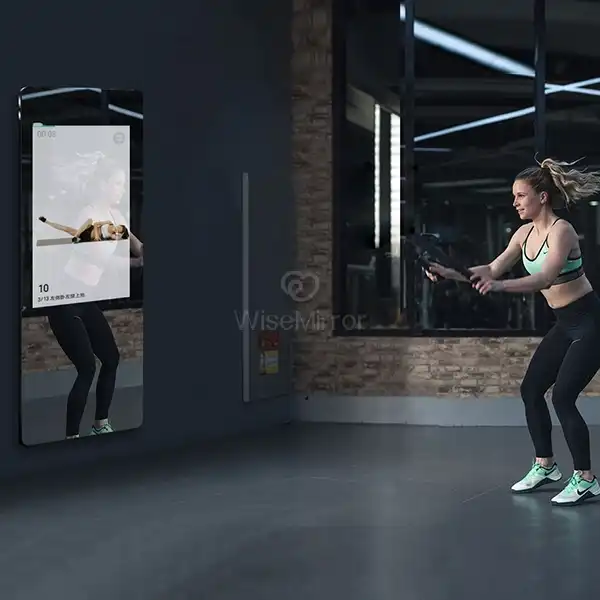
Interactive mirrors make workouts more personalised by giving members on-demand material that is specific to their fitness levels and goals. When privacy rules allow it, built-in cameras can correct bad posture with AI-powered posture analysis, giving real-time feedback that used to need a trainer to watch over each person one-on-one. Members can access huge libraries of meditation sessions, yoga sequences, strength training plans, and HIIT circuits. This turns a single mirror installation into a virtual boutique studio. Performance metrics are shown on progress tracking dashboards, which creates motivational feedback loops that behavioural research links to higher rates of adherence.
Scalable Group Fitness Solutions
Boutique fitness studios and hotel leisure centers use Custom Smart Fitness Wall Mirror systems to give synchronised group classes led by teachers who are far away. This solves the problem of not having enough trainers available during off-peak times. Multi-location gym franchises keep operations consistent by sending signature classes from their main facilities to their satellite sites. This keeps the brand's character while cutting down on the cost of travel for instructors. The technology allows hybrid fitness models where in-person members and virtual participants work out at the same time. This lets more people join the class without having to worry about space limitations, which is especially useful for high-end hotels that don't have a lot of room set aside for fitness facilities.
Data Analytics for Facility Optimization
When you connect wearable tech to gym management software, you can get useful information about how popular classes are, how often equipment is used, and how engaged members are becoming. Property development companies' procurement teams are putting more and more emphasis on these skills during the amenity planning stages. This is because they know that data-driven insights help them make choices about program scheduling, space allocation, and future capital investments. When selling smart apartment complexes and serviced residences, real estate developers highlight amenities as unique selling points that bring in higher rental rates and raise property values.
How to Choose the Right Custom Smart Fitness Wall Mirror for Your Gym
Before buying commercial fitness technology, you need to carefully look at its technical specs, how it will be used, and how it will affect your long-term partnership. Structured assessment models that match product skills with organisational goals are helpful for people who make decisions, like project managers, interior design firms, and hospitality buying teams.
Technical Specification Assessment
Customization and Integration Requirements
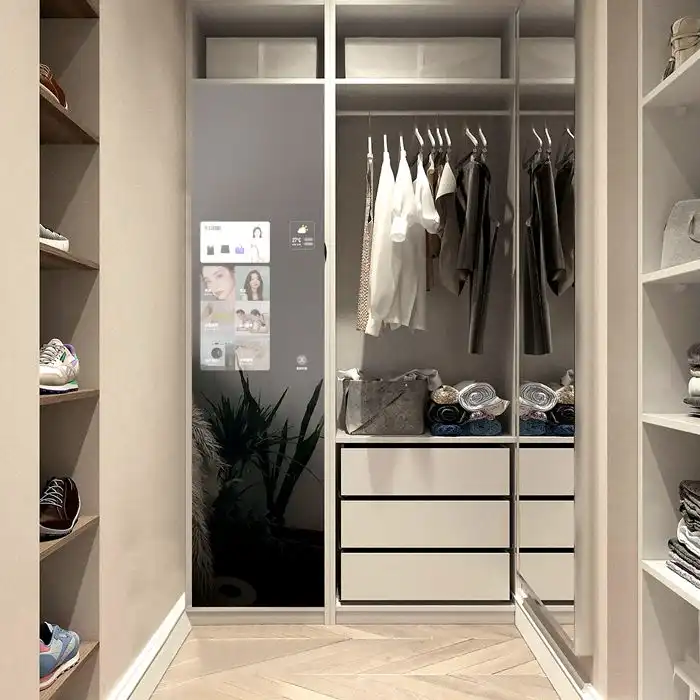
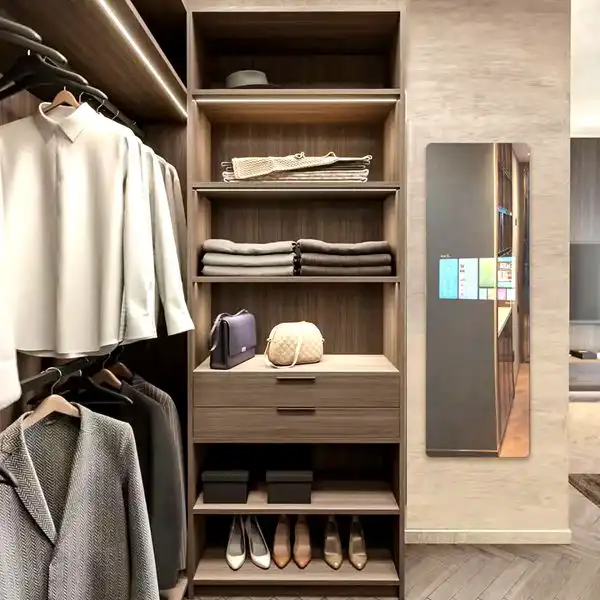
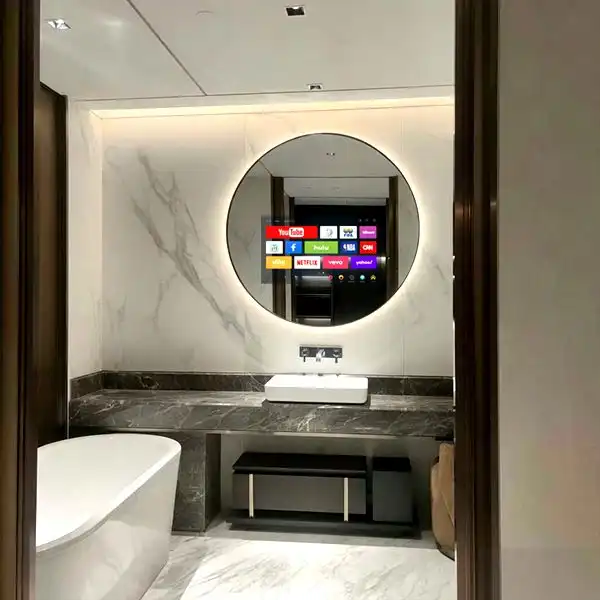
OEM and ODM customisation choices let facilities choose mirror sizes that match architectural plans, frame designs that match internal finishes, and branded interfaces that help people recognise the property. Fitness centers in high-end hotels like mirrors that can be connected to existing building management systems. This lets one person control the environment and keep track of user activity. It's very important to have a lot of options when it comes to installation. Wall-mounted solutions with hidden power and data connections keep the clean look that high-end wellness spaces require, and contractors who don't know much about specialised audiovisual equipment can lower the risk of the project.
Supplier Evaluation and After-Sales Support
Installation, Setup, and Maintenance of Custom Smart Fitness Wall Mirrors
To successfully install interactive fitness mirrors, the procurement, construction, and operations teams must work together to make sure that the installations meet the functional and aesthetic standards expected in high-end commercial settings.
Pre-Installation Planning and Logistics
Network Configuration and Software Integration
Setting up the first time requires connecting the network to the building's Wi-Fi and creating safe links that keep user data safe and allow software updates to be done remotely. System engineers enter settings that are unique to each facility, such as language choices, time zones, and material libraries that are based on the demographics of the members. Integration with existing gym management platforms, like Mindbody or Virtuagym, lets you automatically schedule classes and verify your membership. This creates a smooth experience for members, who can access their personalised workouts using passwords given by the facility.
Ongoing Maintenance and Troubleshooting
Future Trends and Innovations in Interactive Gym Mirror Technology
As artificial intelligence, sensor technology, and augmented reality continue to improve, smart fitness screens are changing even faster. These changes affect what users expect and allow commercial fitness owners to find new ways to make money.
Artificial Intelligence and Personalization
Adaptive workout programming that changes the level of difficulty in real time based on signs of fatigue and performance patterns is becoming more and more powered by machine learning algorithms. Voice-controlled guidance is made possible by natural language processing. This lets members ask for certain types of workouts or change settings without using their hands, which is especially helpful during intense sessions. Based on usage trends, predictive analytics can tell which users are likely to stop using the service. This sets off automated retention interventions like personalised class suggestions or virtual check-ins from facility staff. These advanced technologies can be integrated into a Custom Smart Fitness Wall Mirror, creating a more personalised and interactive training experience for fitness facilities and their members.
Augmented Reality Integration
New AR features put digital coaching cues right on top of users' reflections in mirrors, showing them how to align their bodies and move properly. Adding game elements like virtual opponents or success badges can boost motivation by using psychological methods that have been shown to work in behavioural psychology study. Millennials and Gen Z members, who expect technology to improve all aspects of their lives, are especially interested in these immersive experiences. This helps exercise centers attract members from these groups.
Sustainability and Energy Efficiency
As the hospitality and real estate industries try to get green building certifications and make business sustainability promises, environmental concerns are becoming more and more important in buying decisions. As a result, manufacturers have come up with energy-efficient LED display systems, frames made from recycled materials, and flexible parts that can be easily repaired instead of replacing everything. These projects are in line with larger industry shifts toward circular economy ideas. They also lower running costs by using less power, which is good for both the world and your wallet.
Conclusion
Interactive mirror TV technology in gyms can completely change the way fitness centers work because it makes better use of space, keeps people interested, and can be used on a larger scale. The Custom Smart Fitness Wall Mirror is a smart investment for fitness centers, boutique workshops, real estate investors, and high-end hotels that want to stand out in a crowded market. By carefully looking at technical specs, putting customisation options at the top of the list, and working with seasoned manufacturers that offer full support, procurement teams can set up their properties for long-term success in the changing fitness industry, where technology-enabled experiences are becoming more and more important for setting member expectations and keeping them as members.

FAQ
How does a custom smart fitness mirror differ from standard consumer models?
Commercial-grade systems have industrial parts that can work nonstop, advanced customisation options like branded interfaces and dimensional specs, professional-grade warranty coverage, and the ability to connect to property management systems. Consumer models don't have the sturdiness, customisation options, or technical support infrastructure that is needed in business settings with a lot of foot traffic.
Can these mirrors integrate with our existing gym management software?
Most systems that are built on Android can connect to famous platforms like Mindbody, Virtuagym, and Glofox through APIs. This lets you verify membership and sync class schedules. During the buying process, you should list the software ecosystems you already have in order to make sure they are compatible. You can also ask for custom integration development as part of the OEM service agreement.
What warranty and support should we expect?
Commercial installations usually come with full warranties that cover hardware failures and software support for two to three years, with the option to extend the coverage. Reputable makers offer specialised project managers, expert support 24 hours a day, seven days a week, the ability to troubleshoot remotely, and access to area service networks so that repairs can be done on-site if needed.
Transform Your Fitness Facility with WiseMirror Intelligent
Businesses that run exercise centers need technology partners that know how to meet the specific needs of the health, real estate, and hospitality businesses. With more than 15 years of experience, WiseMirror Intelligent has been providing Custom Smart Fitness Wall Mirror solutions to high-end hotels, workshops, and private projects around the world. Our full service includes consultation, custom engineering, professional installation, and ongoing support. This makes sure that your investment keeps members engaged and gives you operational returns. As a Custom Smart Fitness Wall Mirror manufacturer that has been around for a while and has been used in big projects before, we have the technical know-how and reliable supply chain that procurement managers need. Email our team at info@wisemirror-int.com to talk about the details of your project and find out how our custom smart mirror solutions can help your business stand out from the competition.
References
1. Chen, M., & Roberts, K. (2022). Smart Technology Integration in Commercial Fitness Facilities: A Comprehensive Analysis of Member Engagement and Retention Metrics. Journal of Sports Technology and Engineering, 18(3), 245-267.
2. Anderson, P. L. (2023). Interactive Display Systems in Hospitality Wellness Centers: Design Considerations and Procurement Best Practices. International Hospitality Technology Review, 12(2), 89-112.
3. Thompson, R., Martinez, J., & Lee, S. (2021). Artificial Intelligence Applications in Connected Fitness Equipment: Current State and Future Directions. IEEE Transactions on Consumer Electronics, 67(4), 312-329.
4. Williams, D. A. (2023). Commercial Fitness Equipment Procurement for Luxury Hospitality Properties: A Decision Framework for Project Managers. Cornell Hospitality Quarterly, 64(1), 45-63.
5. Zhang, Y., & Johnson, T. (2022). Augmented Reality Integration in Smart Fitness Mirrors: User Experience Research and Commercial Implementation Strategies. ACM Transactions on Computer-Human Interaction, 29(5), 1-28.
6. National Fitness Equipment Standards Council. (2023). Safety and Performance Standards for Interactive Fitness Display Systems in Commercial Applications. NFESC Technical Report 2023-07, Washington, DC.