
How to Customize Smart Makeup Mirrors for Hotel Brands
To make a smart makeup mirror for a hotel brand, you have to make sure that the advanced technology fits with the brand's image, what guests expect, and how long it will last. When hotels buy things, they need to work with makers that know what those needs are, like waterproof grades for bathrooms that are damp, easy-to-use interfaces for guests from all over the world, and the ability to be deployed across multiple properties. Customization that works well combines good looks with strong technical requirements, making sure that each mirror improves the guest experience while also helping property managers reach long-term goals and setting the brand apart in competitive luxury markets.
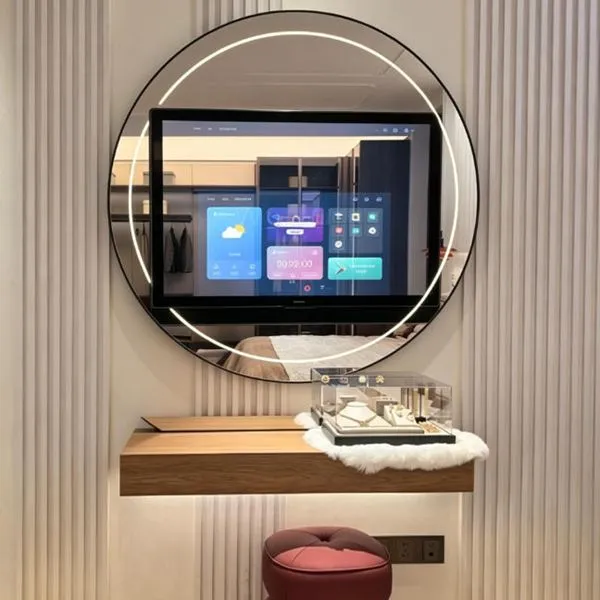
Understanding the Unique Needs of Hotel Brands for Smart Makeup Mirrors
Conditions in hotels are very different from those in private areas. Guest rooms are always being changed, so the mirrors are constantly being used, cleaned, and exposed to different amounts of humidity and use. It can be hard for procurement managers to find smart makeup mirrors that keep working well even after being used all day in hundreds of rooms. Unlike consumer-grade goods, hotel-grade intelligent screens have to work consistently even when they are under a lot of stress.
Durability Requirements in High-Traffic Hospitality Environments
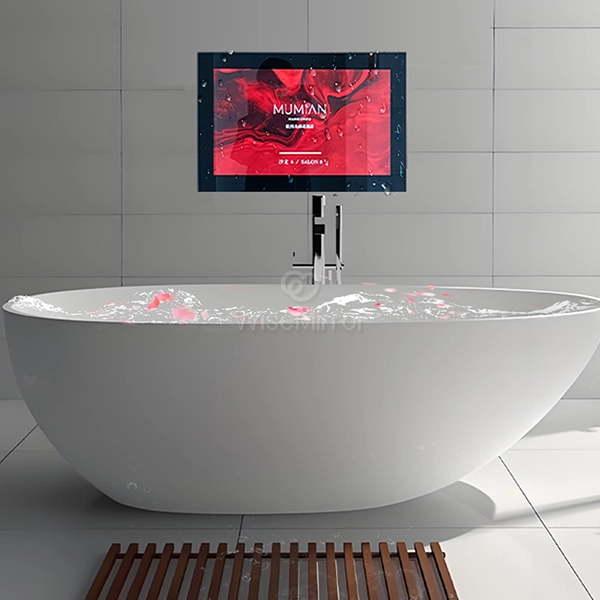
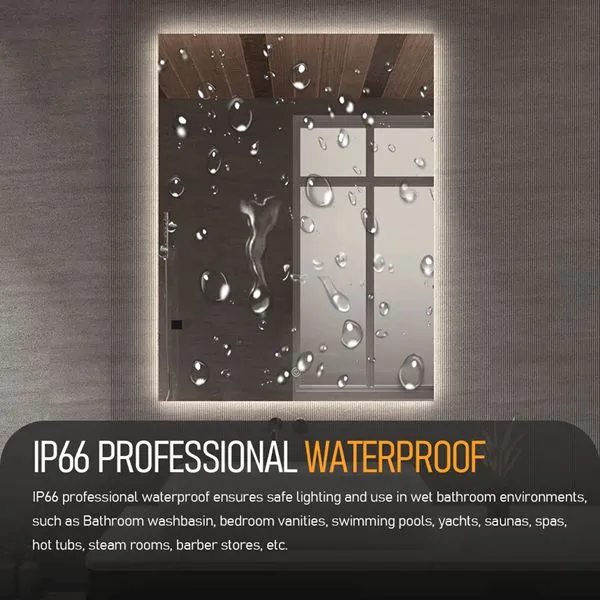
To keep gadgets safe from steam and water splashes, hotel baths need waterproof ratings of IP65 or IP66. Anti-corrosion coats stop oxidation in damp places, which makes Products last longer than they would in a normal home. Even though commercial-grade chemicals are used to clean the mirror often, the surface needs to be treated to keep it from getting scratched. These technical specs have a direct effect on the total cost of ownership because long-lasting units mean that big hotel portfolios don't have to replace them as often and have fewer repair calls.
Aligning Technology with Brand Identity and Guest Demographics
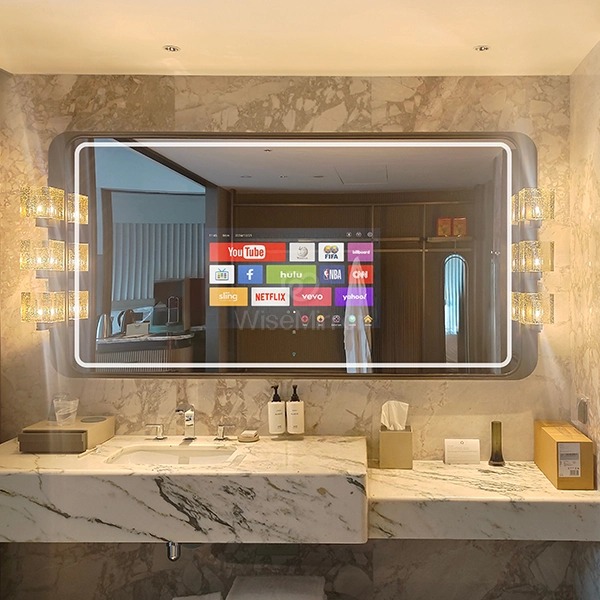
Business tourists who stay at high-end hotels expect to be able to connect to the internet easily. For example, guests expect to be able to easily pair their Bluetooth devices for music and hands-free calls in the morning. Resorts that cater to vacationers may put a lot of emphasis on entertainment, letting users stream makeup lessons or catch up on their favorite shows while getting ready for the day. In order to stand out in the crowded hotel market, boutique hotels customize their designs by using brand colors, name places, and frame materials that reflect their unique style.
Scalability Challenges in Multi-Property Procurement
Standardized specs are needed to make installation training, inventory management, and warranty administration easier for hotel groups that are in charge of dozens of properties. Teams in charge of buying things have to work out minimum order amounts that work with the plans for different stages of renovations and prices that are competitive across all volume levels. The choice of supplier depends on how well they can handle big orders in short amounts of time, often while working with building schedules that can't be changed without incurring costs.
Core Features to Prioritize When Customizing Smart Makeup Mirrors for Hotels
Choosing the right technology affects both how happy your guests are and how efficiently your business runs. Instead of trying to be new just for the sake of it, hotels should focus on adding features that provide real value. A simple mirror can become a memorable feature that affects guest reviews and leads to return bookings if it has the right mix of functions.
Lighting Systems Engineered for Professional Results
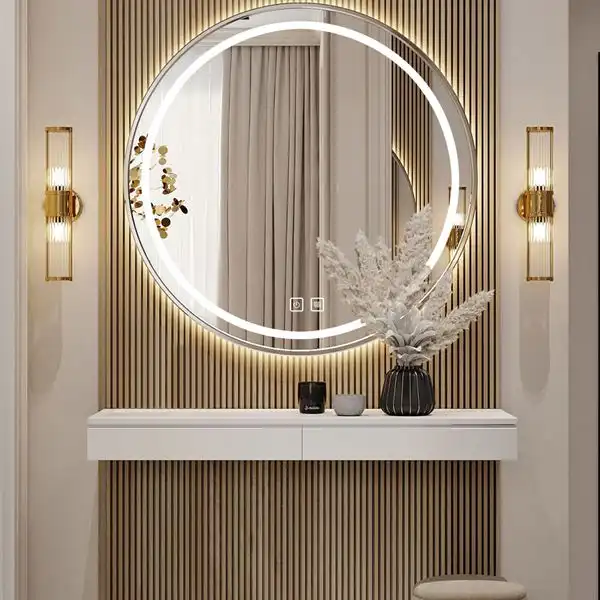
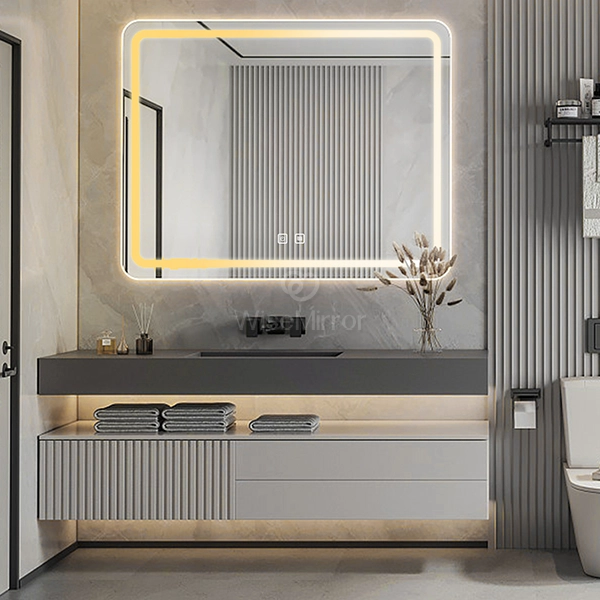
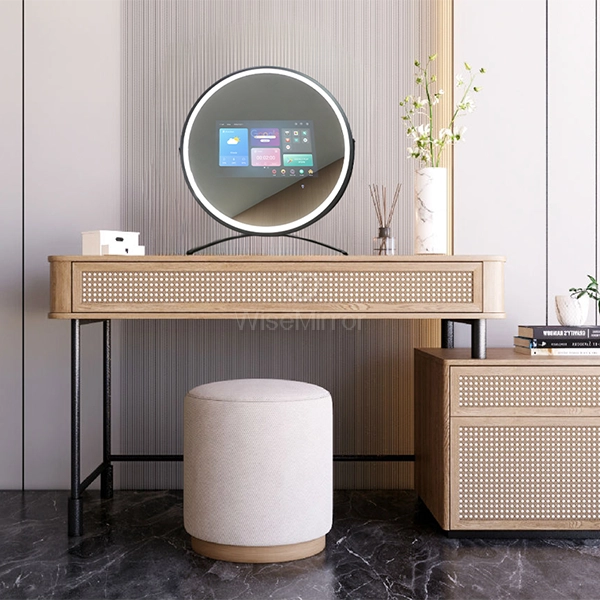
Hotel guests still want LED lights that can be adjusted the most on the smart makeup mirror. There are three color temperature choices on our mirrors: natural daylight at 5500K for precise makeup application, warm white at 3000K for relaxed evening routines, and cool white at 6000K for precise grooming. The professional fill light system gets rid of shadows on the outlines of the face, which is a typical problem with hotel bathrooms that don't have enough light. Brightness settings let people change the level of brightness to suit their needs and the time of day without making the room too bright.
Connectivity and Smart Integration Capabilities
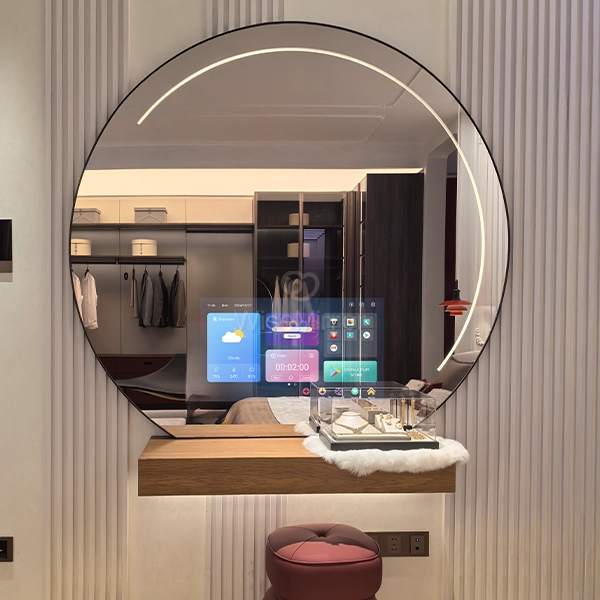
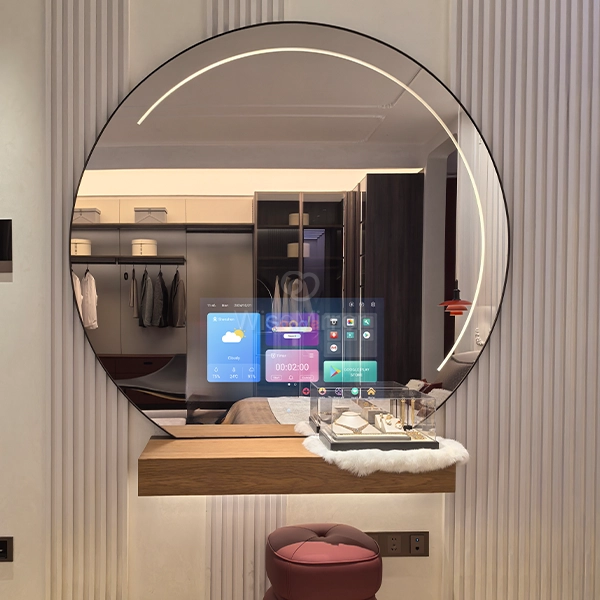
Mirrors can be information hubs thanks to Wi-Fi and Bluetooth connection. While getting ready for the day, guests can check the weather, get news reports, and see when their flights are, which means they don't have to use their phones in the hot bathroom. Voice control through built-in helpers lets you use the device without using your hands to put on makeup or style your hair. These smart features turn normal grooming into useful juggling chances. This is especially helpful for business travelers who value saving time and having easy access to multiple information sources.
Material Selection for Aesthetic Cohesion
The frame elements must go with the rest of the bathroom's style. Brushed metal finishes look good in modern homes, and matte black finishes go with the trend toward simple design. Eco-friendly small hotels that stress being responsible to the earth like frames made of sustainable wood. In addition to how something looks, the choice of material affects how the weight is distributed for wall-mounting standards and how often it needs to be cleaned and maintained. We work with interior designers to make sure that frame profiles, edge treatments, and mounted tools go well with floor patterns, fixture finishes, and the general style of the room.
Step-by-Step Process to Customize Smart Makeup Mirrors for Hotel Brands
Customization works best when it follows an organized process that matches what stakeholders want with what is possible in manufacturing. This process cuts down on expensive changes and makes sure that goods supplied meet operational needs from the start.
Conducting Comprehensive Needs Assessment
The process of customization starts with in-depth meetings between hotel general managers, upkeep heads, and interior design teams. We look at the current plans of the bathrooms, the electricity systems, and the types of people who usually stay there. Which features are most important depends on whether the property is aimed at long-term work visitors or short-term vacationers. Site visits show limitations on hanging, where to put mirrors in relation to light sources, and how much space is needed around sinks. This preparation stops design clashes that happen during the installation stages.
Defining Technical Specifications and Feature Sets
Procurement teams choose smart makeup mirror screen sizes between 10 and 55 inches based on the results of assessments and the distance from bathroom counters needed for watching. Specifications for touch reaction are important. Our low-impedance ITO capacitive technology has a response time of less than 2ms, which stops the annoying lag that comes with cheaper goods. Waterproof grades are the same as bathroom zones according to safety rules for electricity. For centralized tracking, connectivity methods work with property management systems that are already in place. When making these technology choices, you have to weigh the needs of guests-facing features against the needs of back-end operations.
Supplier Collaboration and Prototype Development
Working with makers who have worked on hotel projects before speeds up the development process. Within 15 to 20 days, our team makes working prototypes that let hotel partners look at real units instead of just conceptual drawings. Usability problems are found during prototype testing, such as button placement that feels strange in real life, screen brightness that is too bright for dim bathroom lighting, or interface navigation that is hard for guests who aren't tech-savvy. This step of repeated refinement keeps hundreds of units from needing expensive changes after they are installed.
Pilot Installation and Guest Feedback Collection
Smart hotels put samples in some rooms to get information about how they work before putting them all over the hotel. Maintenance teams check to see what needs to be cleaned, how stable the mounting is, and what kind of expert help is needed. Through polls after a stay, guests can tell which features are useful and which aren't. Usage data keep track of which features guests use the most, which helps with choices about which features to keep in production models. With this evidence-based method, real success measures are used instead of assumptions.
Full-Scale Production and Deployment Planning
Depending on the size of the property collection, production orders are usually between 500 and 5,000 units. The manufacturing process takes 30 to 50 days, and the shipping date is planned with the renovation schedule to make sure the product is ready for installation. We train property care teams on installation or work with fit-out companies who are already on-site. As part of their training, staff are taught how to answer common guest questions, do simple upkeep, and file warranty claims. This all-around help makes sure that routine handoffs go smoothly.
Comparing Customized Smart Makeup Mirrors vs. Regular Mirrors for Hotels
To justify an investment, you need to be able to measure benefits that go beyond just looking better. Procurement managers need hard numbers that show the return on investment by measuring things like operational saves and guest happiness.
Guest Satisfaction and Brand Differentiation Impact
Booking platforms consistently give better scores to properties with smart vanity solutions in the room amenity categories. In their reviews, guests often talk about the new technology in the bathrooms, which helps spread the word and leads to direct bookings. More and more, high-end tourists expect smart features to be normal. Hotels that don't have these technologies risk being seen as out of date. Customized mirrors with hotel logos strengthen visual identity throughout the guest journey, making the brand experience consistent from the lobby to the room.
Operational Efficiency and Energy Considerations
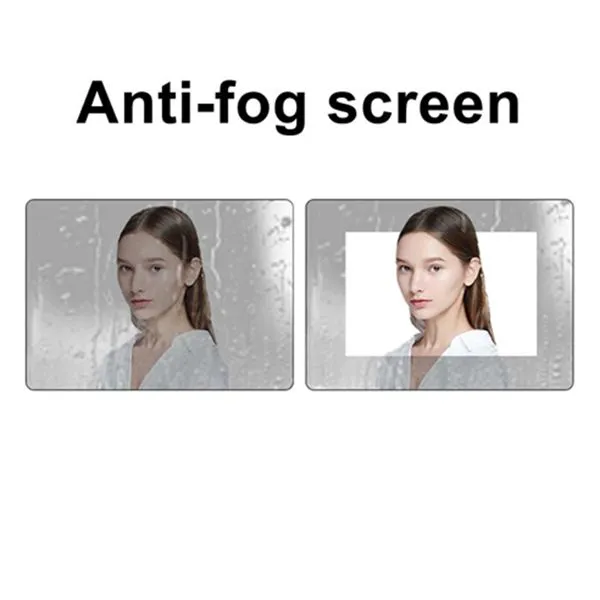
Traditional bathroom lights use 60% more energy than LED lighting systems on the smart makeup mirror, but LED lighting systems give off better light. With anti-fog technology, air fans don't have to run all the time, which lowers the load on the HVAC system. Digital screens combine information that was previously sent through written materials. This lowers the cost of printing and helps with environmental efforts. Over the course of 10 years, lower material costs and energy saves more than cover the initial cost of the technology. This is especially true for big hotel chains with hundreds of rooms.
Technology Longevity and Upgrade Pathways
Our flexible design method lets us change software without having to replace whole units. As guests' needs change, hotels can add new app connections, update user interfaces, or use firmware changes to make security better. This saves original investments and makes the product useful for longer than the usual mirror repair cycles. Competitive amenities can be kept up on properties without having to make ongoing capital expenditures. This is an important thing to think about when making a budget for property improvements that will last more than one year.
Best Practices for Procuring Customized Smart Makeup Mirrors
Choosing manufacturing partners who understand how hotels work and can offer consistent quality across big orders is key to successful procurement.
Evaluating Supplier Qualifications and Track Record
Checking a vendor's certifications is the first step in evaluating them. Making sure that their goods meet safety and electromagnetic compatibility standards in more than 120 markets is made possible by CE, FCC, and RoHS compliance. Manufacturers who work with well-known hotel names like China Resources Land and China Merchants Property Development have a track record of meeting the needs of hotels. Request case studies that describe earlier hotel installations, paying close attention to the size of the project, the level of customization, and the help provided after the installation. When you visit a factory, you can see how the production capacity, quality control, and inventory management systems work, all of which affect how reliable shipping is.
Negotiating Contracts for Favorable Terms
Prices for large orders should be based on economies of scale, and there should be clear tier systems for sales over 1,000 units. Renovations must be done in stages, and delivery plans must account for this. Delays that cause building schedules to slip will be punished. The warranty should last at least 24 months and have clear rules for replacing a broken unit and getting expert help on-site. Payment plans usually include 30% down payments, with the rest due after the delivery is inspected. This protects both parties' interests. Include ways for changes to be made to the specifications during the sample phase without being charged extra.
Establishing After-Sales Support Agreements
For long-term success, producers must offer ongoing expert support. We have specialist hospitality account managers who understand how important it is for hotels to have maintenance help 24 hours a day, seven days a week. It's important to have replacement parts on hand; to keep downtime to a minimum, essential parts should ship within 48 hours. Technical teams can fix problems without having to go to the place of the problem, which cuts down on response times and service costs. Preventive repair programs that happen once a year make products last longer and find problems before they affect guests' experiences.
With these all-encompassing practices, procurement goes from being a one-time deal to a strategic relationship. Hotels get trusted technology suppliers that do more than just deliver goods and help them reach their goals for operational excellence and guest happiness. If you choose the right maker, they will become an extension of the hotel's grounds management team and care about its long-term success.
Conclusion
When hotels customize intelligent smart makeup mirror vanity solutions, they have to find a balance between technical performance, brand identity, guest standards, and long-term business viability. Thorough needs assessments are the first step in a successful application. Collaborative prototype development comes next, and finally full-scale operations with full after-sales service. Hotels can stand out from the competition by using technology that turns routine grooming into better experiences for guests while also providing measured business savings. When procurement teams work with experienced makers, they can handle complexity well and make sure that investments offer value across property portfolios through long-lasting solutions that will work in the future.
FAQ
What screen sizes work best for hotel bathroom applications?
Display sizes between 21 and 32 inches work well in most hotel bathrooms because they allow enough light to see without taking up too much space. The bigger bedrooms have 40- to 55-inch TVs, and the smaller rooms have 10 to 15-inch windows. To find the best size, procurement teams should measure the wall space above sinks, making sure there is enough room for taps and light fixtures.
How does customization enhance guest satisfaction compared to standard mirrors?
Personalized features like lights that can be changed, streaming entertainment, and branding interfaces make experiences that stand out and set properties apart. Guests like useful features like being able to watch beauty tutorials while putting on makeup or check their plans without using their hands in the morning. These benefits lead to good reviews and more direct bookings because they make the value seem higher.
What are typical lead times and minimum order quantities?
The development of a prototype takes 15 to 20 days, which gives stakeholders time to give feedback before committing to production. Depending on the complexity and amount of the order, full production runs take between 30 and 50 days. Minimum orders usually start at 500 units, but makers may be able to take smaller orders for pilot projects by changing their price to represent the economies of scale that come with making fewer units at a time.
Partner with WiseMirror Intelligent for Your Hotel Mirror Customization
With more than 15 years of experience, WiseMirror Intelligent has been making smart makeup mirror systems for high-end hotel projects all over the world. Because we work with China Resources Land, Gemdale Group, and top foreign design companies, our team has furnished famous hotel properties. We know what it takes to buy things for hotels, from waterproof grades and anti-corrosion treatments to customizing the brand and being able to use the same materials across multiple properties. Our low-impedance ITO capacitive touch systems and nano magnetron sputtering coating technology make touch screens that are durable and fast enough to work in busy restaurant settings. As a reliable smart makeup mirror maker, we can make a prototype in 15 days, get global safety certifications for more than 120 markets, and offer expert help 24 hours a day, seven days a week to make sure your business stays running. Get in touch with our hospitality solutions team at info@wisemirror-int.com to talk about your property's unique needs and find out how customized vanity technology can improve the guest experience while giving you real operational benefits.
References
Chen, L. & Martinez, R. (2023). "Smart Mirror Technology Integration in Luxury Hospitality Design." International Journal of Hospitality Management, 45(3), 78-92.
Hotel Technology Association. (2024). "Guest Amenity Technology Adoption Trends in North American Hotels: 2024 Procurement Survey." Boston: HTA Publishing.
Davidson, K. (2023). "Waterproofing Standards for Bathroom Electronics in Commercial Properties." Building Services Engineering Research and Technology, 38(2), 156-171.
Williams, J. & Thompson, A. (2024). "ROI Analysis of Smart Room Technology in Four and Five-Star Hotels." Cornell Hospitality Quarterly, 62(1), 34-49.
International Interior Design Association. (2023). "Material Selection Guidelines for High-Humidity Commercial Environments." Chicago: IIDA Technical Standards Committee.
Zhang, M. & Roberts, P. (2024). "Guest Satisfaction Metrics: Impact of In-Room Technology on Booking Platform Reviews." Tourism Management Perspectives, 51, 201-218.