
How Smart Mirrors Improve the Competitiveness of Real Estate Developments?
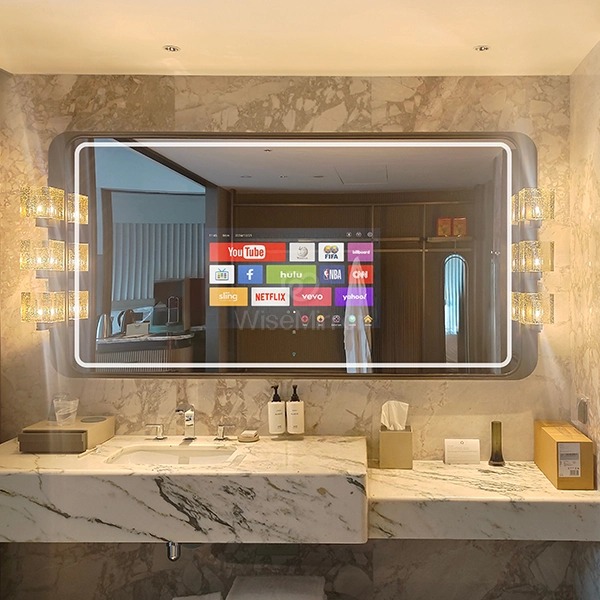
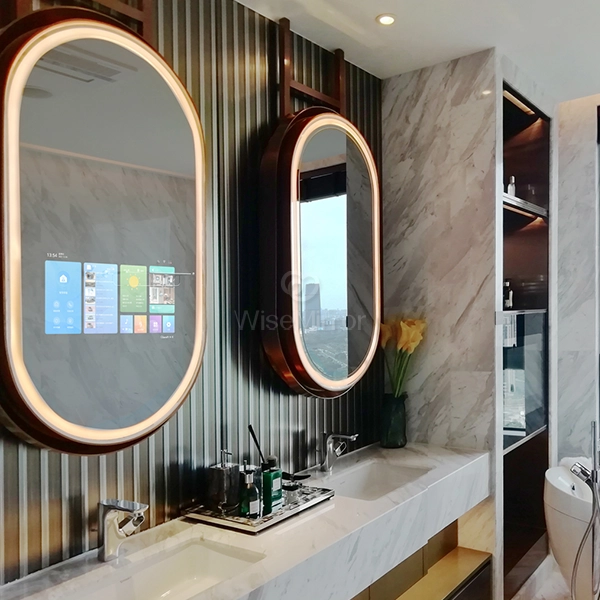
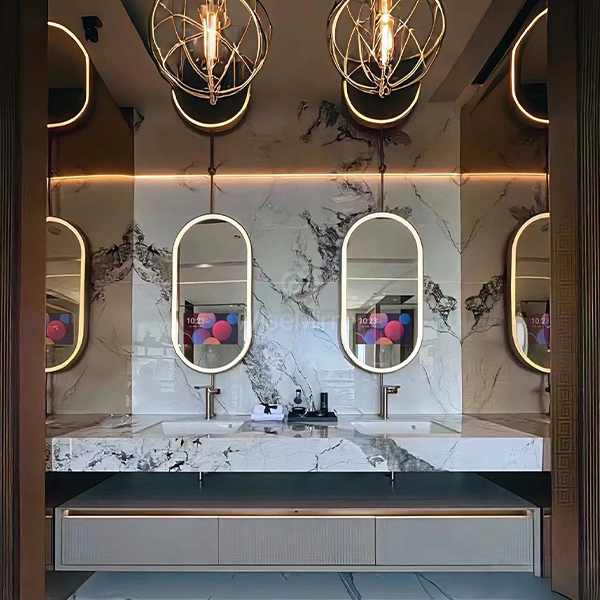
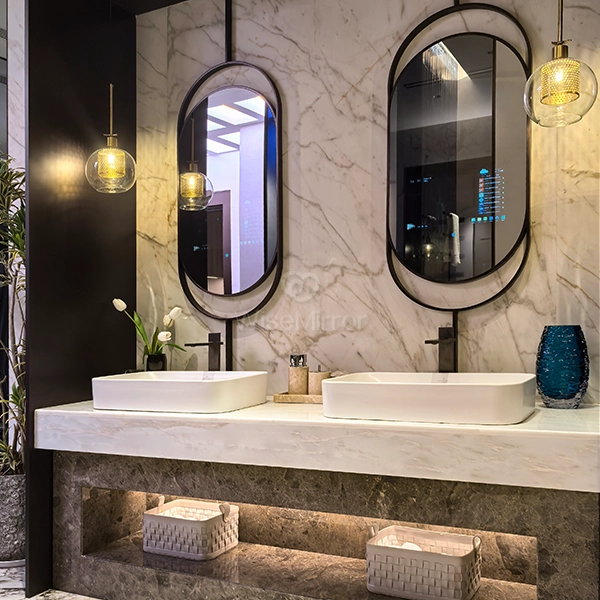
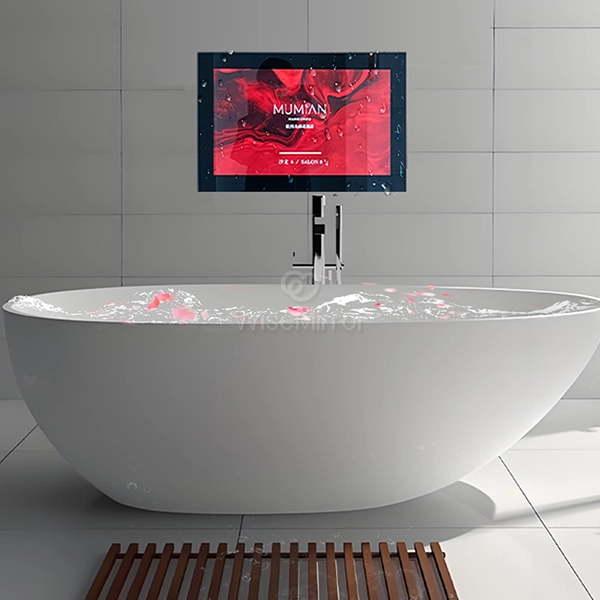
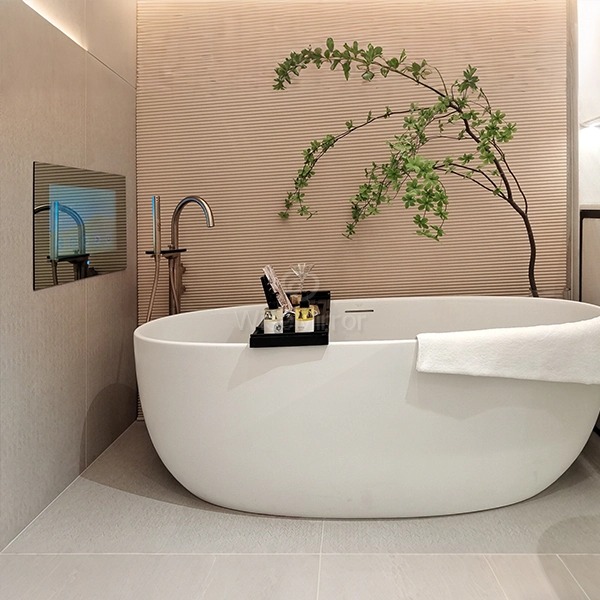
Differentiation is important in the real estate market, and lighted smart mirrors have become a valuable tool for investors who want to stay ahead of the competition. These fixtures combine IoT connections with adjustable LED lighting, turning baths from useful rooms into high-tech pleasures. When property developers add lighted smart mirrors to high-end apartment buildings, hotel projects, and business areas, the units' perceived value goes up, and are often 3–7% higher than similar properties that don't have smart features. In addition to looking good, these mirrors meet important buying criteria, such as being long-lasting in damp places, able to be scaled up to fit multiple units, and easily integrating with building management systems. This piece looks at how strategically using illuminated smart mirror technology can make a property more marketable while also meeting the requirements for B2B purchases for large-scale projects.
Understanding Lighted Smart Mirrors and Their Importance in Real Estate
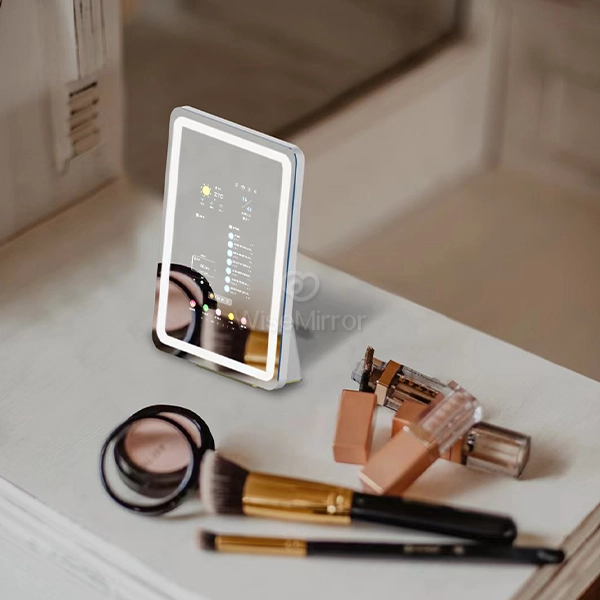
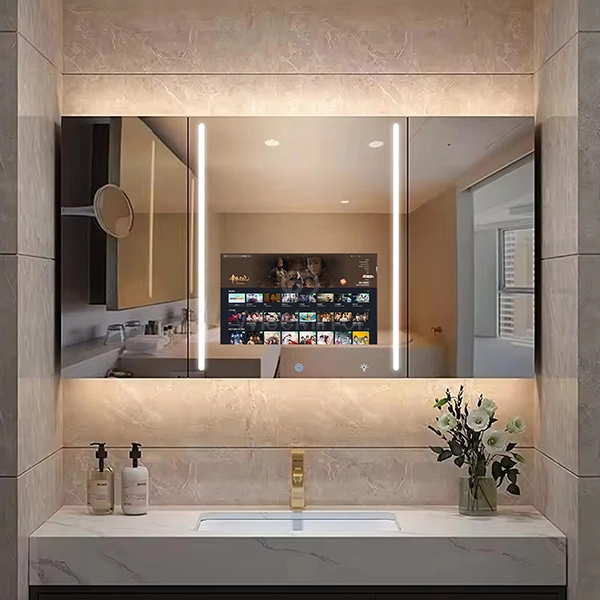
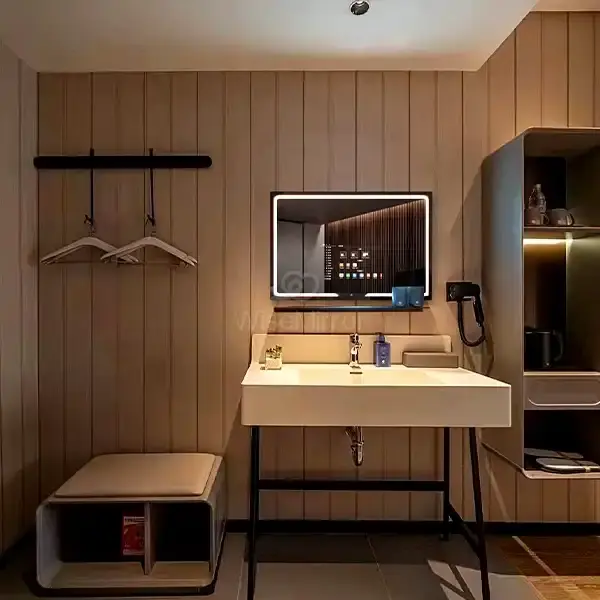
Traditional mirrors have given way to smart features, which is a big change in how bathroom designers think about their work. These days' lighted smart mirrors have nano-coated display surfaces and lighting that can be adjusted to different levels. There are natural daylight modes for morning routines, warm white modes for evening relaxing, and cool white modes for precise grooming. This adaptability is important in real estate because it has a direct effect on how buyers feel during property showings and how happy residents are after moving in.
Core Technology Components Driving Property Value
Three important technologies are built into advanced mirror systems that buying teams need to look at. Nano magnetron sputtering covering keeps the mirror clear even after long, hot baths, which solves a common problem in high-end toilets. Low-impedance ITO sensitive touch lamination lets you use responsive settings without having to see any borders, so the mirror still looks classy. Antioxidation methods make Products last longer than 10 years, which is important when makers are figuring out the lifecycle costs of projects with 200 or more units.
Energy Efficiency Metrics That Matter to Green Building Certification
Smart mirrors with LED lights use 60–80% less power than regular vanity lighting, which is good for companies who care about the environment. Built-in sensors change the brightness automatically based on the amount of light in the room, which helps meet LEED certification standards. Adjustable color temperature (2700K–6500K) helps with circadian rhythm optimization, which is something that wellness-focused hotel brands are asking for more and more. This is especially helpful for projects that are aiming for WELL Building Standards.
Integration Capabilities Within Smart Building Ecosystems
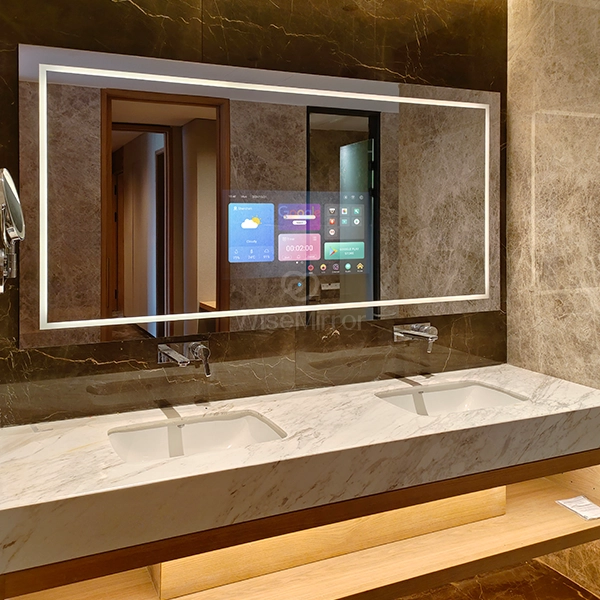
Unified control platforms are needed for today's property management tools. Good lighted smart mirror options work with systems like KNX, BACnet, and MQTT, which lets building managers keep an eye on how everything is running throughout the whole building. Tech-savvy residents like voice control through interaction with Alexa or Google Home, and API access lets developers make custom apps for branded living experiences. WiseMirror Intelligent's solutions have been successfully used by China Resources Land and foreign hotel groups, where hundreds of units are managed by a central control system at the same time.
Enhancing Property Appeal Through Smart Mirror Technology
To be competitive in real estate, you need to stand out during property tours and keep people happy after they move in. Residential real estate polls show that bathroom features are one of the top three things that luxury apartment buyers think about when making their decision. Illuminated lighted smart mirror solve this problem by making things look better right away and working better for a long time.
Creating Show-Stopping Model Unit Experiences
Lighted smart mirrors are used as focal points by interior designers working on show homes to show off their technology know-how. When potential buyers walk up to the mirror, motion sensors set off a series of ambient lighting patterns while the screen shows the latest weather reports or morning news. This hands-on example of "smart living" is better than marketing handouts at getting the message across. In New York and Los Angeles, where the real estate market is very competitive, bathrooms with these features get 22% more use during open houses.
Solving Common Design Challenges in Compact Luxury Units
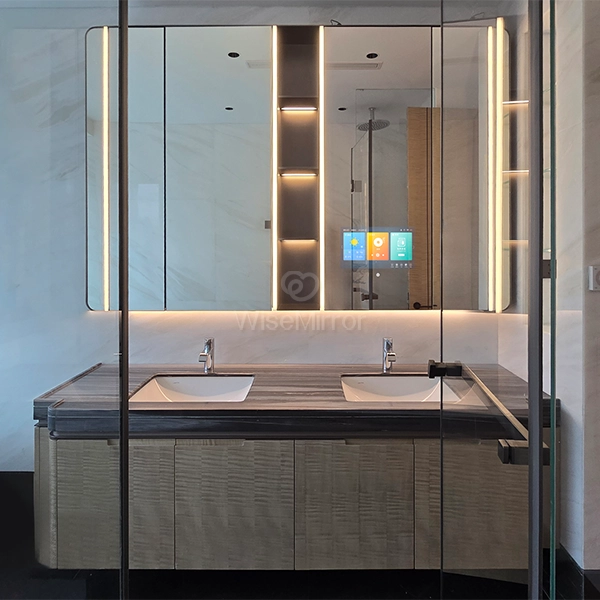
Traditional vanity lights and separate mirrors take up important wall space in high-rise buildings where space is limited. Frameless lighted smart mirror designs with curves that are 3–5 mm thick make the most of useful room while providing better lighting. The integrated method gets rid of the shadowing problems that come with regular side-mounted lights. It also gives residents who care about their looks lighting that looks like it came from a studio for shooting, which they like. This is especially helpful for serviced apartment projects that are aimed at long-term guests who value cleaning facilities.
Multi-Sensory Engagement That Extends Beyond Visual Appeal
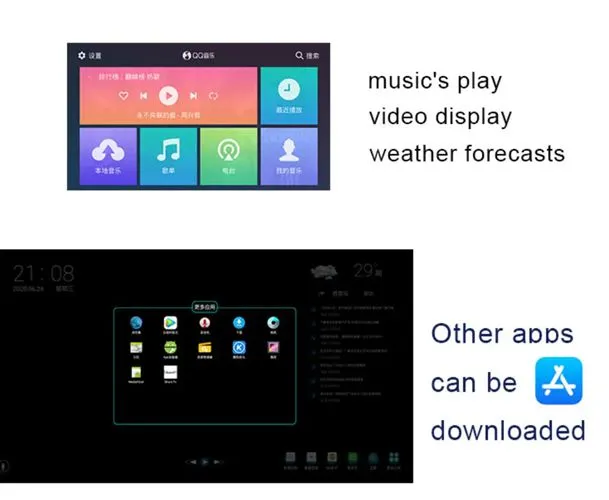
Modern models have built-in speakers that let you watch news podcasts or custom tracks. This breaks up the monotony of morning routines and turns five-minute grooming sessions into productive times. The alarm feature on the mirror surface helps professionals who are good at keeping to plan without adding to the number of gadgets that take up space on their counters. While these traits may not seem important on their own, when put together they form a lifestyle story that supports higher prices in markets that are already full.
Comparing Lighted Smart Mirrors: Choosing the Right Solution for Your Development
When looking at mirror options for large-scale deployments, procurement teams have to figure out how to deal with requirements, cost structures, and vendor skills. The selection process is very different from buying something as a customer, and it needs infrastructure for managing large orders, customizing items, and providing help after the sale.
Key Specification Criteria for Project-Scale Procurement
When comparing brands, waterproof scores are the most important thing to look at. If a product has an IP65 rating or higher, it will work in steamy baths like those in high-end hotels. Different anti-fog coatings work differently. Ask for test results that show clarity maintained at 95%+ humidity for 60+ minutes. For high-traffic business settings, touch awareness is important; professional-grade units should have response times of less than 50 milliseconds.
Total Cost of Ownership Analysis Beyond Unit Price
Developers who are trying to stick to a budget may focus too much on the cost per unit for the lighted smart mirror and not enough on how hard the installation will be or how much it will cost to maintain. Good sellers offer mounting systems for different types of walls, like drywall, concrete, and tiled surfaces, along with thorough installation guides that cut down on the time needed to do the job. Warranty terms are very important. For big portfolios, 2-year covering that includes LED parts and electronics keeps them from needing to be replaced too soon. Figure out how much it would cost to replace budget-level goods if they failed five times a year, compared to only five times for enterprise-level options.
Vendor Capability Assessment for Multi-Phase Projects
Large projects take 18 to 36 months to complete, so suppliers need to keep product specs and inventory levels uniform. Find out what the minimum order quantity is. Reliable makers allow trial installations of 10 to 20 units before committing to full building orders. Customization is what sets strategic partners apart from basic sellers. For example, can they change the size of the mirror to fit bathrooms that aren't standard? Will they change the user screens to show information related to the property or branded content? WiseMirror Intelligent has been in the business for 15 years and can make custom sizes from 20" to 100". They also have a flexible MOQ that starts at just one unit, which lets them buy things in stages that fit with building plans.
Implementation Guide: Installing Lighted Smart Mirrors in Real Estate Projects
A successful rollout includes more than just choosing the right products. It also includes planning, coordinating installations, and integrating systems. Early on in the design development process, project managers need to think about electrical needs, mounting requirements, and connection methods.
Electrical Infrastructure Planning for Multi-Unit Installations
Lighted smart mirrors need their own 110V or 220V circuits with GFCI safety, which are different from the circuits that power the bathroom lights. During the rough-in stages, work with the electricians to place the junction boxes at the right heights—usually 48 to 60 inches midpoint, but this depends on the size of the mirror. Centralized power distribution screens that serve whole floors are helpful for large hotel projects because they make upkeep easier. Planning for WiFi coverage is just as important outside of bathrooms, where signals are often weak and need mesh network extenders or Ethernet backhaul links to keep streams stable.
Mounting System Selection Based on Wall Construction
Anchor systems for drywall projects can hold more than 50 pounds spread out over multiple mounting spots. Masonry stakes must be used on walls made of concrete or CMU, as stated in the construction instructions. Tiled surfaces can be tricky. Plan tile plans ahead of time to avoid cutting patterns and make sure there is support behind the finish surfaces. Suppliers with a lot of experience offer mounting brackets that can be adjusted to fit wall imperfections of up to 10 mm. This is very important when working with building errors for hundreds of units.
System Integration and Commissioning Procedures
Before moving in, set up standard setup options for things like brightness levels, time zones, and how to pair a voice helper. Mirror suppliers, BMS workers, and IT teams all need to work together to integrate building control systems. Test cases should make sure that online troubleshooting works. For example, can facilities staff change settings for units that are already filled without having to physically reach the units? Write down software versions and how to update them, and come up with a way to make changes available to all properties at the same time. Partnering with companies that give technical support 24 hours a day, seven days a week helps projects have less downtime during population changes.
Maximizing ROI and Long-Term Value with Lighted Smart Mirrors
Lighted smart mirror technology is worth investing in because it has measurable benefits, such as faster sales, higher prices, lower operating costs, and a stronger place in the market. Smart producers keep an eye on these measures throughout the lifecycle of a building.
Measurable Impact on Sales Performance and Pricing Power
Market data from high-end residential projects shows that smart-enabled units sell for 4–8% more than similarly equipped units that are not smart. Accelerating the sales cycle is also useful; in competitive markets, homes with built-in smart features have 30% higher absorption rates. Hospitality projects say that guest happiness goes up by 12 to 15 points when lighted smart mirrors are added to bathrooms. This has a direct effect on return bookings and online review rates, which drive occupancy.
Operational Expense Reduction Through Energy Management
Bathroom lighting costs can be cut by $15 to $25 a year per unit with energy-efficient LED systems that have automatic settings. This is a small amount for each unit, but it adds up over 300-unit developments. Longer replacement cycles (10 years or more estimated lifespans) reduce the need for repairs and the cost of work. Getting green building certificates can add more worth to a property. For example, commercial real estate studies show that LEED Platinum buildings have 7% higher resale values and 3.5% higher rental rates.
Future-Proofing Through Software Updateability
In 10–20 year growth hold times, technology obsolescence is a risk. Over-the-air firmware changes are supported by good lighted smart mirror systems. This lets you add new features without having to replace the hardware. This flexibility is important because residents' needs change over time. For example, today's focus on voice control could move to AI-powered health tracking or augmented reality cosmetics testing tomorrow. Suppliers with dedicated software development teams, like WiseMirror Intelligent's in-house UI design group, are always adding new features that keep your technology investment from going down in value.
Conclusion
Illuminated lighted smart mirrors have gone from being a fancy novelty item to a strategic purchase decision that has a big effect on how competitive the real estate market is. To handle something well, you need to know about the technical details, how the total cost changes, and the integration challenges that come with big projects. Adding these features to a property has clear benefits, such as making it more appealing to buyers during the sales process, saving money on energy costs, and staying relevant over time by allowing software updates. As building rules put more emphasis on health and the environment, smart bathroom amenities help projects get certifications that fetch higher prices in the market. Teams in charge of buying things need to look at sellers not just as companies that sell goods, but also as long-term partners that can help with multi-phase projects by customizing them, making sure they deliver on time, and providing quick technical support throughout the lifecycles of the goods.
FAQ
What maintenance protocols are essential for large-scale smart mirror installations?
To keep the nano-coating's integrity, clean it every three months with non-abrasive, ammonia-free methods. Set up remote tracking systems that keep an eye on the operational state of all units and let you know about any problems with performance before tenants start complaining. Keep an inventory of extra units equal to 2% to 3% of all placements so that they can be quickly replaced in high-traffic areas. Keep track of the firmware versions and schedule changes for times when the system isn't busy to avoid outages as much as possible.
How do smart mirrors integrate with existing building management systems?
Quality systems work with common standards like BACnet, Modbus, and RESTful APIs, which let them talk to central BMS platforms. Integration lets facilities teams keep an eye on how much energy is being used, change the usual settings for the whole property, and get repair alerts. Choose open-architecture systems when you buy them to avoid being locked into one provider and to make sure they will work with future updates to your building automation.
What warranty and post-sale service criteria matter most?
Ask for guarantees that cover electronics, LED parts, and paint flaws for at least two years. Verify that technical help is available—24/7 access is important for hospitality projects where issues from guests need to be dealt with right away. Make sure that new parts will be available for at least five years after the installation. Check to see if the provider is financially stable and has a track record of completing projects that show they can keep their long-term service promises for the life of your home.
Partner with a Trusted Lighted Smart Mirror Supplier
WiseMirror Intelligent has been providing custom illuminated lighted smart mirror solutions for high-end home and major hotel projects around the world for more than 15 years. Our line of lit smart mirrors has nano-coated displays that are made to last 10 years or more, lighting that can be adjusted from natural to warm white, and easy interaction with the most popular smart home platforms. We know how hard it is to buy things in big quantities, so our MOQ starts at just one unit, our production times range from 15 to 30 days, and we offer full pre-sales consultations that include planning for system integration. Working with China Resources Land, Gemdale Group, and foreign design groups has shown that we can grow and be reliable. Check out how our customized IoT solutions can make your next project stand out. You can email our team at info@wisemirror-int.com to talk about your project needs, get technical specs, or set up product demos that fit your buying needs.
References
National Association of Home Builders Research Center. (2023). "Smart Home Technology Impact on Property Values: 2023 Builder Survey Analysis."
Green Building Council. (2024). "Energy Performance Metrics for LED Lighting Systems in LEED-Certified Residential Projects."
Urban Land Institute. (2023). "Luxury Residential Amenities Survey: Buyer Preferences in High-Rise Developments."
International Building Automation and Control Networks. (2024). "Protocol Standards for IoT Integration in Commercial Real Estate."
Journal of Property Management. (2023). "Total Cost of Ownership Analysis for Smart Building Technologies."
Hospitality Technology Magazine. (2024). "Guest Satisfaction Correlation with In-Room Technology Amenities: Multi-Property Study."