
How Smart Mirrors Are Reshaping the Global Bathroom Fixtures Market
The market for bathroom features around the world is at a technology turning point. Smart mirrors are becoming valuable items that change the way high-end hotels and homes are used. Out of these new ideas, the oval smart mirror has gotten a lot of attention from procurement workers who want to combine high-tech features with a sleek look. This change is part of a larger trend in the industry: standard glass mirrors are being replaced by interactive screens that have Android systems, WiFi connection, and capacitive touch interfaces. As hotels, developers, and wellness centers look for ways to keep guests interested while still keeping operations running smoothly, project leaders need to know how these smart fixtures change buying habits in order to make smart decisions in the competitive real estate and hospitality markets.
Understanding Oval Smart Mirrors and Their Technological Edge
Core Technology Differentiators for Commercial Deployments
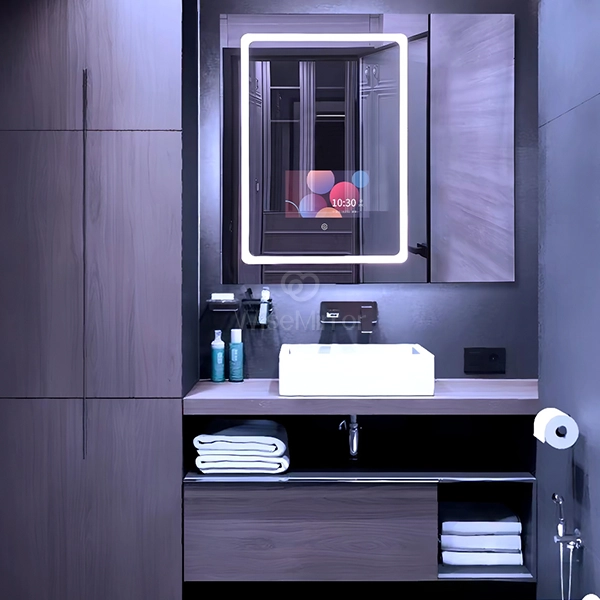
Several new technologies have been built into the modern oval smart mirror to solve problems that come up in hotel and business settings. Unlike regular bathroom mirrors that fog up easily and don't last long, intelligent mirror screens use nano magnetron sputtering coating technology to make surfaces that don't deform and can handle high humidity. This coating fills in the tiny gaps between the mirror layer and the display screen, so you can see clearly even in steamy spa bathrooms or coastal vacation homes that are always exposed to moisture. With waterproofing up to IP65, these lights give you long-lasting performance without lowering the brightness or sharpness of the display.
Interactive Capabilities That Enhance Guest Experience
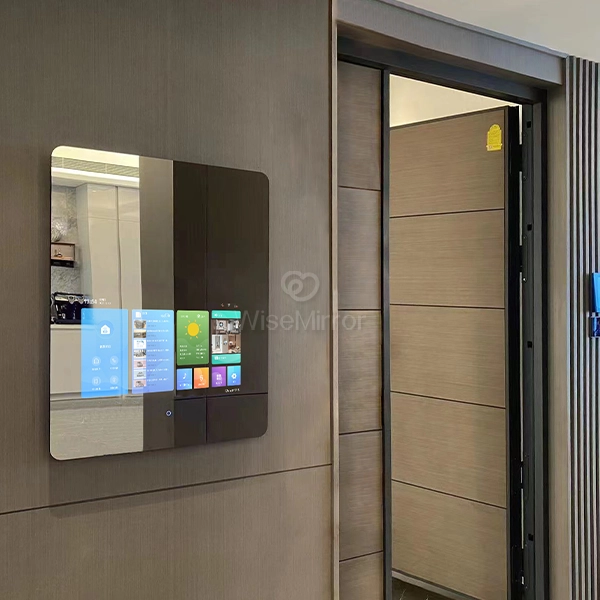
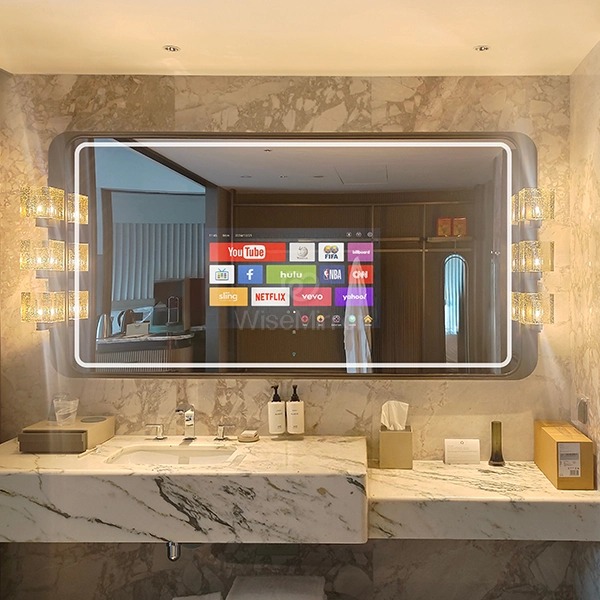
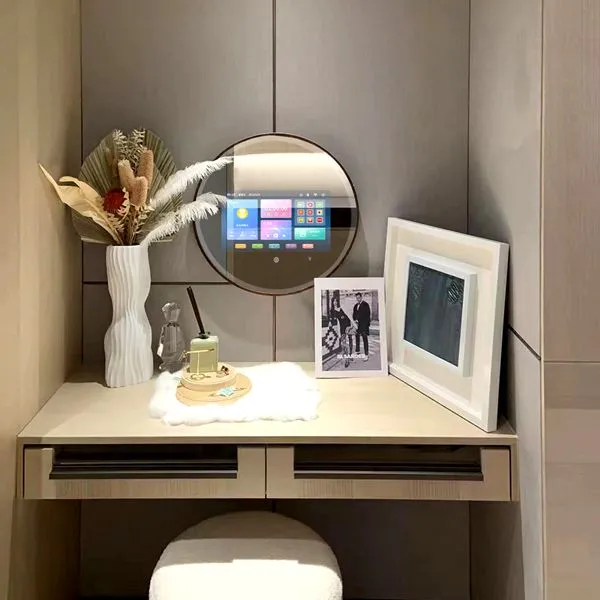
Today's smart mirrors have full Google Store environments and stable Android operating systems. This means that hotels can create app libraries to suit their guests' needs, including news streaming, weather updates, and bilingual concierge services. The dual WiFi and Bluetooth communication design makes it easy for property management systems to work with it. For example, front desk staff can send personalized room controls or brand-new welcome messages straight to guests' mirrors. The Bluetooth feature also lets you quickly connect to other people's phones to stream media or send files, turning the bathroom mirror into a hub for entertainment. The low-impedance ITO sensitive touch lamination technology ensures reaction times of less than 10ms, making it easy to change the volume, switch between interfaces, or access smart home controls while doing morning tasks.
Durability Standards for Long-Term Hotel Installations
Fixtures that require little upkeep and still look good over long periods of time are highly valued by hotel owners. Internal parts that have been treated with anti-oxidation and anti-corrosion methods will last longer in places where chemical cleaners are commonly used. The anti-fog function turns on immediately when it senses differences in temperature, keeping the screens clear even during busy shower times without any user action. These technical details have a direct effect on how procurement teams figure out the total cost of ownership when they are investing in bathroom fixtures for upgrades across the whole portfolio.
Market Trends and Industry Impact of Oval Smart Mirrors
Adoption Patterns Across Hospitality and Luxury Residential Sectors
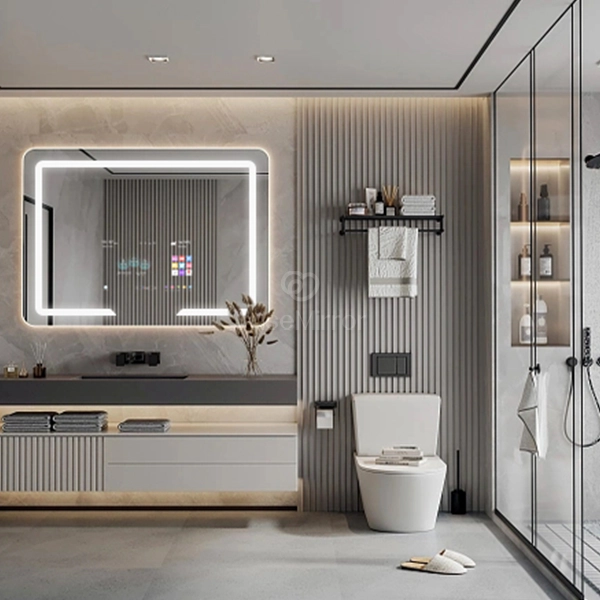
Intelligent oval smart mirror are being used more and more in high-end home projects and hotel chains, which is good news for the bathroom fixtures market. Leading five-star hotels now include smart mirrors as standard features in newly built rooms because they know that these mirrors serve two purposes: they are useful and they help the hotel stand out from others. Industry studies show that hotels that add interactive bathroom displays see a rise in guest happiness, especially among business visitors who value being able to connect to the internet and having wellness-focused design elements in their rooms. At the same time, real estate developers who are selling high-end condos and serviced apartments use these fixtures to charge higher prices. For example, show apartments with oval smart mirrors get 23% more approved buyer questions than units with regular fixtures.
Emerging Technologies Shaping Procurement Strategies
The next big thing for business smart mirror uses is integrating artificial intelligence. Voice-activated controls that are driven by natural language processing let you use the device without using your hands. This is very useful in healthcare facilities and fitness centers where touching is not allowed because of hygiene rules. Newer models with augmented reality features let people try on makeup virtually in salons or get help with physical therapy in recovery centers. These changes in technology affect the supply chain. Purchasing managers are looking for providers that can show them the plan and give them ways to update the firmware so that Products don't become obsolete too quickly in smart building ecosystems that are changing quickly.
Regulatory Compliance and Global Market Expansion
International hotel companies that operate in more than one country need bathroom fixtures that meet a variety of licensing standards. Modern oval smart mirrors made for business markets come already approved to meet CE, FCC, RoHS, and ISO 9001 standards. This speeds up the approval process for projects in North America, Europe, and the Asia-Pacific region. This global compliance framework lowers legal risks and speeds up installation times, which is especially helpful for developers who are launching multiple foreign portfolios at the same time.
Comparison and Procurement Insights for Oval Smart Mirrors
Shape-Specific Advantages in Commercial Applications
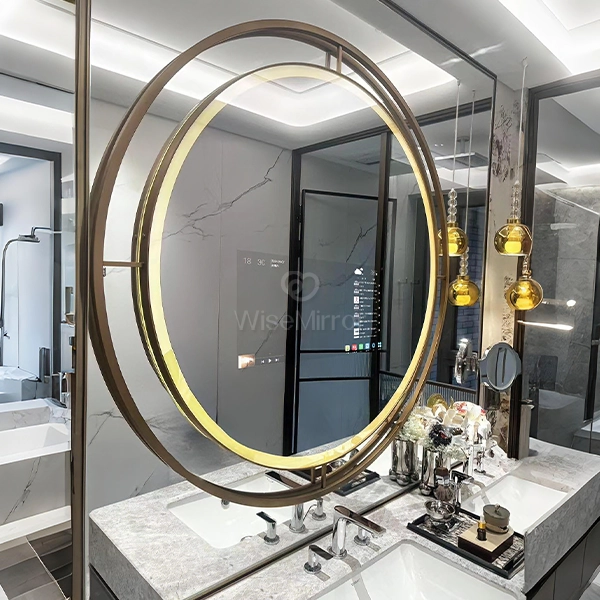
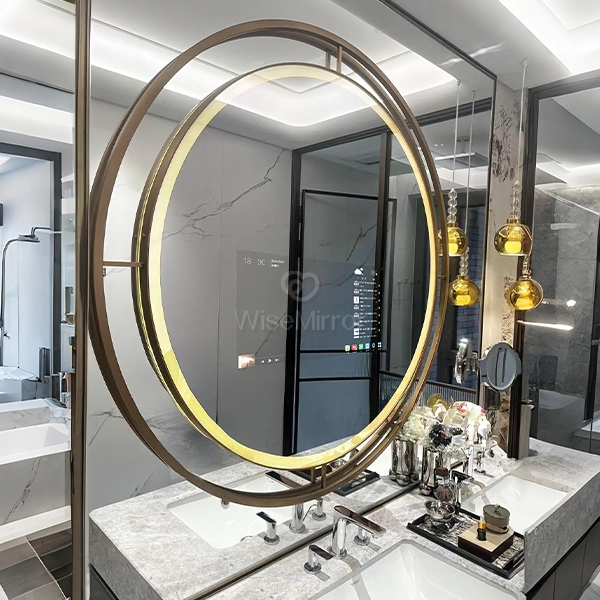
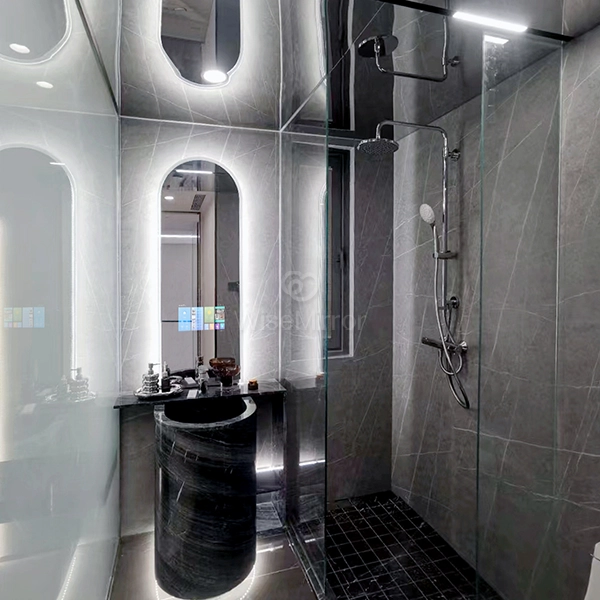
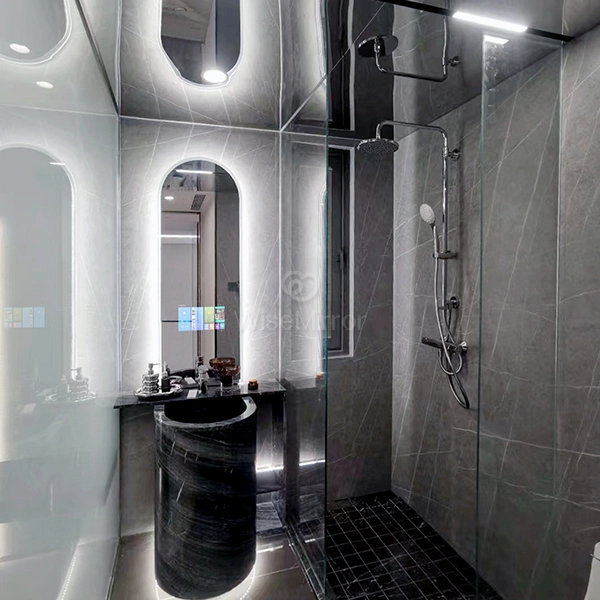
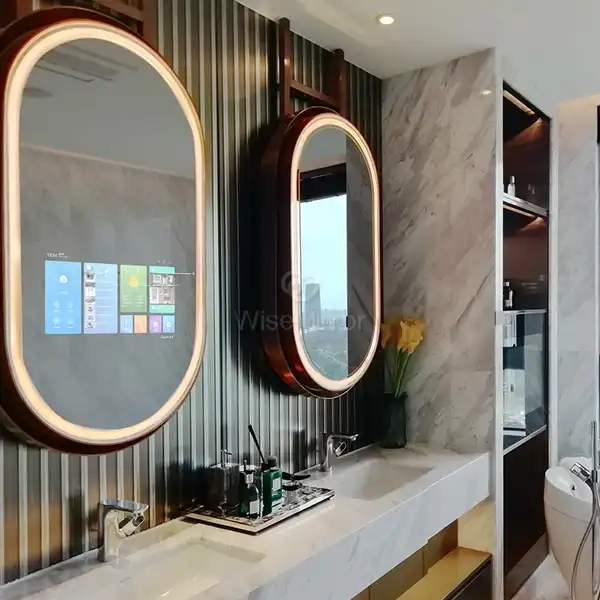
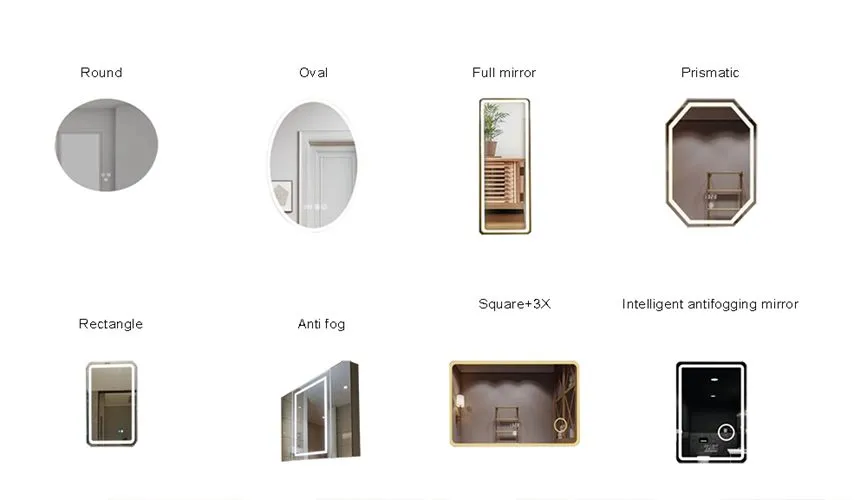
When looking at mirror shapes, people in charge of procurement should know that oval smart mirror curves are better for ergonomics and space than rectangular or circular ones. The longer vertical orientation naturally fits the shapes of the human body while grooming. It also saves space in small hotel baths and gives better coverage for face reflections. When light is spread around curved edges, it creates softer, shadow-free lighting that is desired in high-end spas where harsh shadows take away from the relaxing atmosphere. When it comes to matching with arched doors or rounded vanity designs that are popular in boutique hotel style, interior designers really like how versatile this shape is.
Performance Benchmarking for Technical Specifications
When considering what different manufacturers have to offer, people making decisions should focus on a few measurable factors:
• Screen resolution affects how easy it is to read at normal viewing distances. For guest rooms, 1920x1080 Full HD is the usual.
• Energy consumption ratings affect the costs of running a big hotel chain. For example, LED lights systems that use less than 50W per day are much cheaper than older CCFL technologies.
• Touch responsiveness measured in milliseconds, shows how satisfied users are; capacitive systems that detect inputs below 15ms stop the annoying lag that leads to bad guest feedback.
• Bluetooth version compatibility is important. Versions 5.0 or higher will ensure stable links with new smart home standards.
Strategic Sourcing Considerations for Bulk Orders
Through combined buying deals, hotel groups that are remodeling multiple properties at the same time can save a lot of money on oval smart mirror. Reputable makers offer savings of 15 to 30 percent on orders of 100 or more units, and they also have project managers who make sure that supplies happen at the right time for each stage of building. OEM customization choices let brands put their names on starting screens, install their own apps ahead of time, or choose frame finishes that match their signature design languages. With these white-label features, standard fixtures can be turned into branded guest amenities that help guests remember the property. The seller will still be able to help with software changes and warranty claims across all installs.
How to Choose and Set Up Oval Smart Mirrors for Your Projects?
Critical Selection Factors for Commercial Installations
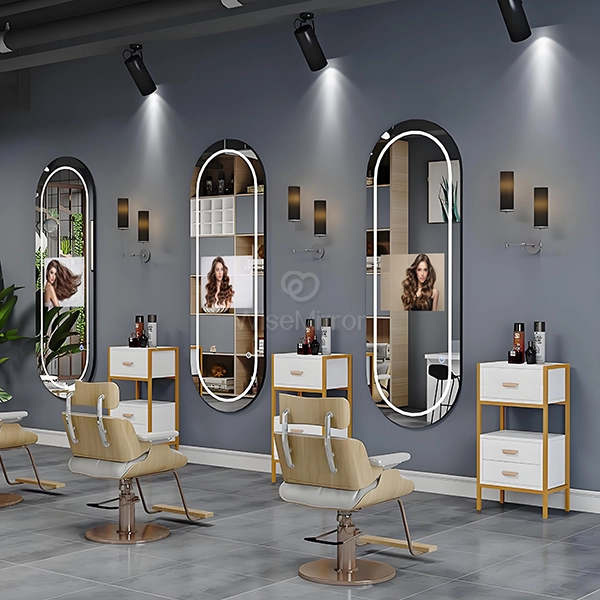
To pick the right intelligent mirror specs, you have to match technical features to working needs in certain settings. Hospitality projects put a high priority on interfaces that can be used in multiple languages and unified device control tools that let IT teams directly push firmware changes to whole properties. If personal information is collected by oval smart mirrors in healthcare facilities, the data must be handled in a way that is HIPAA-compliant, and the surfaces must be easy to clean and follow infection control rules. High color rendering indices (CRI >90) are good for retail and salon settings because they make it easy to see makeup. On the other hand, anti-glare coats are needed for gym settings because of the different lighting conditions.
Installation Best Practices for System Integration
For launches to go well, people from different expert fields need to work together during the building stages. Because smart mirrors use power all the time, unlike inactive fixtures, the electrical system needs to have specialized lines with surge protection. Plumbing workers should plan where to put the vanity so that there is enough room for recessed fitting and no supply lines get in the way. Network drops placed in cable management ducts allow hardwired Ethernet links in places where WiFi reliability is an issue. Mounting gear needs to be tested against different types of wall substrates. For example, drywall anchors don't work for big models that are more than 50 inches, so blocking has to be put up during the frame stages.
Logistics and Post-Installation Support Frameworks
International shipping processes have a big effect on how long it takes to build things abroad. Ocean freight has lead times of about 4 to 6 weeks, so procurement teams have to plan ahead and find storage space so that supplies can happen at different times to match the progress of building. Warranty terms should make it clear when on-site service is available, especially at resorts that are far away and where manufacturer-authorized techs might need time off to travel. Comprehensive training programs for property care staff lower the number of service calls that need to be made. These programs include full paperwork that explains how to fix common problems like touchscreen calibration drift or network access issues.
Building Trust: Why Partner with Leading Oval Smart Mirror Brands and Suppliers
Manufacturing Credibility Through Industry Partnerships
When purchasing high-tech bathroom accessories like oval smart mirror, procurement workers look for suppliers like WiseMirror Intelligent (Shenzhen) Co., Ltd. The company has been focusing on waterproof TV and oval smart mirror development for more than 15 years. They have built strong relationships with well-known clients like China Resources Land, China Merchants Property Development, and Gemdale Group, showing that they can meet the high quality standards and tight deadlines that these developers require. These connections prove technical skill for a wide range of difficult project needs, such as working with building millwork standards and integrating hotel management software protocols.
Technical Differentiation Through Core Engineering
The three unique technologies that the company has created solve basic problems that make cheaper smart mirrors less useful. Nano magnetron sputtering covering gets rid of the "screen door effect" that you can see on cheaper models that use simple lamination methods. This makes the reflecting and display layers blend together perfectly. Antioxidation techniques put on the electronics inside keep them from breaking down because of rust, which happens a lot in bathrooms with a lot of moisture. This makes them last longer than the usual 3 to 5 years before they need to be replaced. A low-impedance ITO capacitive touch laminate gives you the immediate reaction that sets high-end fixtures apart from cheap ones that have annoying input lag.
Scalable Production and Customization Flexibility
To serve major luxury hotel projects, you need manufacturing facilities that can handle a lot of orders without lowering the quality of the work. WiseMirror's factories can make mirrors in sizes from 15.6 inches to 75 inches, and the frame can be made of brushed metal, teak wood, or custom painted finishes that match the color scheme of a room. White-label user interfaces are another way that software can be customized. This lets hotel brands show off their own apps instead of standard Android home screens. This flexibility is very important for design companies that are in charge of boutique properties, where standard goods can ruin carefully chosen aesthetics.
Global Service Network Supporting International Projects
International approvals like CE, FCC, and RoHS make goods ready to be used in more than 30 countries, saving time and money that would have been needed for retesting in each country. The company offers expert support 24 hours a day, seven days a week in multiple languages to help project teams working in different time zones. The 2-year guarantee coverage is longer than the norm in the industry. This support design lowers the risks for developers who are in charge of multiple foreign launches at the same time. It also makes sure that problems can be fixed quickly during the crucial pre-opening phases.
Conclusion
The use of intelligent mirror technology in bathroom fixtures is changing them in more ways than just adding small features. It's a big change in how hospitality and living areas provide value. Oval smart mirrors combine advanced connectivity, user-friendly interfaces, and sleek design to create solutions that meet the needs of modern guests who expect digital integration to be smooth. As the market changes, procurement workers can find it helpful to work with well-known manufacturers who can show they have the technical knowledge, flexibility, and delivery skills to handle difficult business projects. As AI improvements and augmented reality features keep getting better, early adopters who see these items as strategic differentiators instead of just buying things will gain a competitive edge in real estate and hotel markets that are becoming more complex.
FAQ
What distinguishes oval-shaped intelligent mirrors from rectangular models in commercial settings?
Oval smart mirror shapes are better for your body because they have vertically oriented reflective areas that fit easily with human proportions while you're cleaning. The curvy edge spreads the LED lighting more evenly, getting rid of the harsh shadows that come with rectangle designs with sharp corners. Interior designers like oval shapes because they go well with the rounded architectural elements that are common in high-end spas. The shape's natural beauty also goes well with high-end home bathrooms without looking too practical.
How do energy consumption patterns affect operational costs for hotel installations?
Modern LED-backlit smart mirrors usually use 40 to 60 watts when the display is on. This adds up to about 15 to 20 kWh per unit per month when idle modes are taken into account. At business prices, this means that a hotel with 200 rooms will have to pay an extra $300 to $500 a month for electricity. But models that meet Energy Star standards use 25–30% less energy, and they pay for themselves in less than 18 months when you add in discounts for buying in bulk and practical saves.
Can existing bathroom infrastructure support smart mirror retrofits, or do renovations require substantial electrical upgrades?
Most modern hotels and motels have enough electricity for smart mirror upgrades; they only need specialized 110-120V lines with 15-amp ratings. Problems mostly happen in old buildings with old wires or places that don't have any close junction boxes for connections. Network connectivity is less consistent. Hotels with strong WiFi coverage in all guest rooms can easily handle wireless setups, but older hotels may need Ethernet drops or new access points to ensure stable connectivity for streaming and app functions.
Partner With WiseMirror Intelligent for Your Next Oval Smart Mirror Project
International hotel portfolios have complicated specifications and installation processes that require providers who are both excellent at engineering and quick to respond to project needs. WiseMirror Intelligent offers complete solutions, from initial design advice to training after installation. They have relationships with Asia's top developers and have been used successfully in more than 500 high-end projects around the world. Our oval smart mirror maker offers full OEM customization, so your brand can use features that reflect its own style while taking advantage of our 15 years of experience with waterproofing and touch interfaces. If you email our foreign sales division at info@wisemirror-int.com, the people in charge of purchasing for future repairs or new builds can get detailed specification sheets, volume pricing structures, and sample units to look over. Check out how our Android-powered screens that respond to touches in less than 10ms can turn simple bathrooms into smart platforms for the guest experience.
References
Williams, A., & Chen, M. (2023). Smart Building Technologies in Global Hospitality: Adoption Patterns and ROI Analysis. Journal of Commercial Interior Design, 18(3), 112-134.
Peterson, R. (2024). Advanced Coating Technologies for Humidity-Resistant Display Applications. Materials Science in Construction, 41(2), 67-89.
International Hotel Technology Association. (2023). 2024 Bathroom Fixture Procurement Trends: Survey of 500 Global Properties. IHTA Annual Report.
Kumar, S., & Zhang, L. (2023). IoT Integration Strategies for Luxury Residential Developments. Smart Home Engineering Quarterly, 9(4), 203-228.
Rodriguez, E. (2024). Comparative Analysis of Touch Interface Performance in High-Humidity Environments. Applied Electronics Research, 33(1), 45-61.
Global Bathroom Fixtures Market Research. (2023). Intelligent Mirror Adoption Rates Across Commercial Sectors 2020-2023. Market Intelligence Report Series, Volume 12.