

How Smart Makeup Mirrors Enhance Premium Dressing Rooms
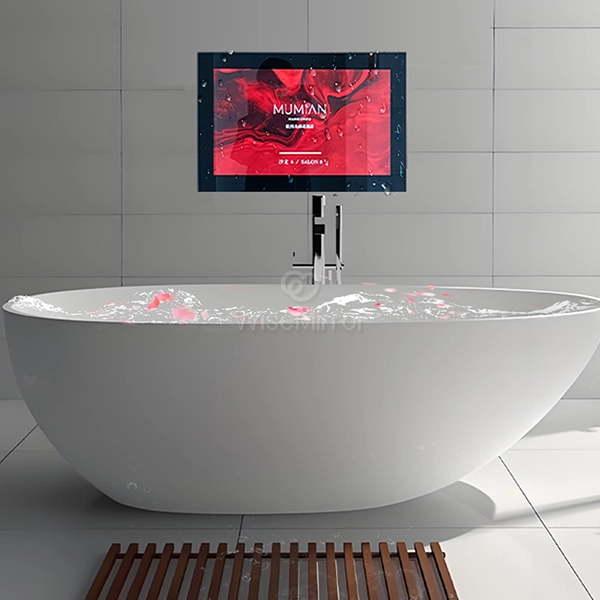
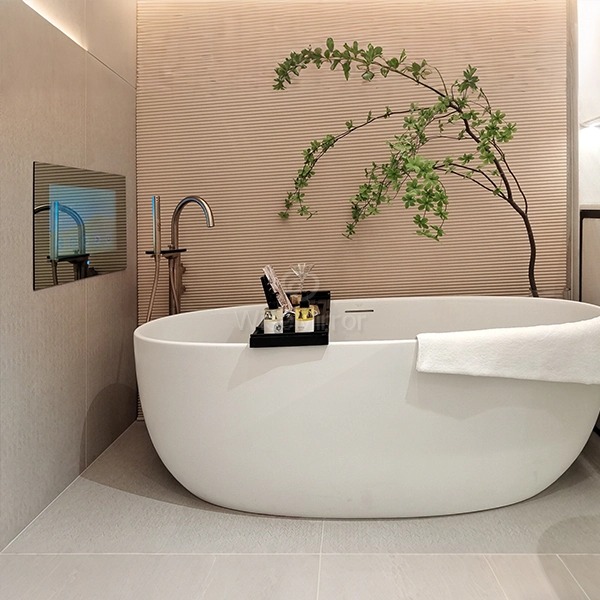
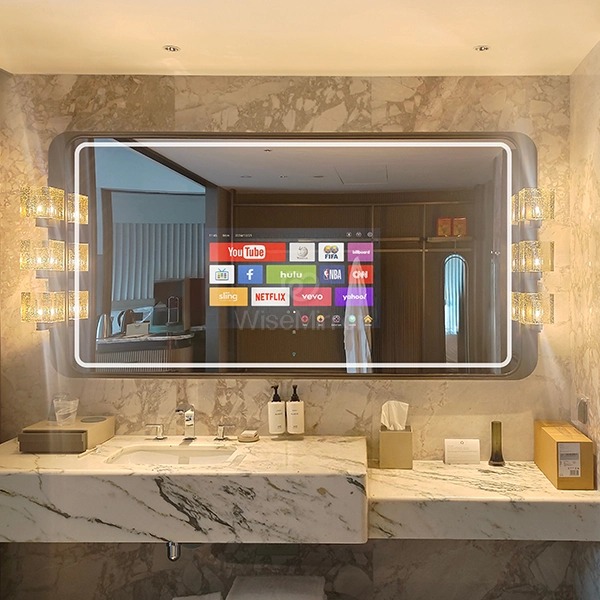
Smart makeup mirrors are changing the way people use dressing tables in high-end hotels, apartment buildings and business health centers. Unlike regular mirrored surfaces, these smart lights have professional-grade LED lighting that can be adjusted to offer natural light, warm white, and cool white temperature modes. They also have built-in Wi-Fi and Bluetooth connection features. In addition to letting people think, they let people stream beauty lessons, use skincare apps, and watch entertainment while getting ready for the day. With their combination of style and usefulness, smart makeup mirrors are now important parts of high-end changing rooms in hotels, show homes, spas, and boutique stores.
Understanding Smart Makeup Mirrors: Technology and Benefits
Advanced Lighting Systems for Professional Results
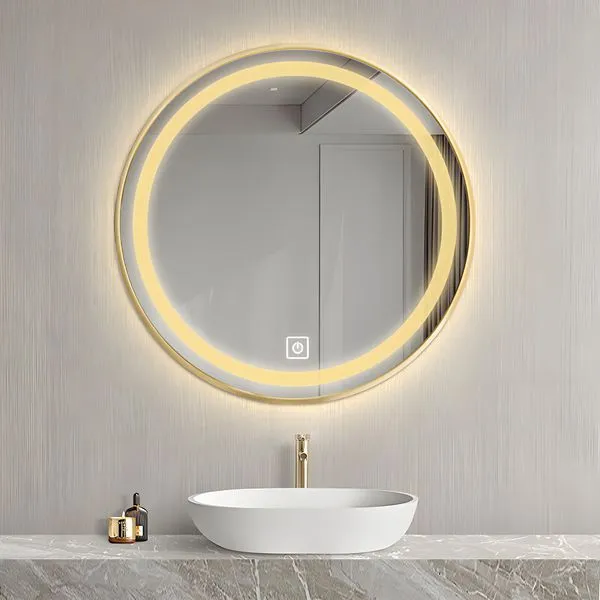
Today's bathroom mirrors come with smart technology that gives you precise lighting that changes based on your makeup application needs. These systems use multi-tone LED displays that are set up to work like daylight, so there are no shades or colour distortions that would make the accuracy less good. By changing the lighting strength, users can create the illusion of different settings, from a bright office to a dark place in the evening. This makes sure that makeup always looks perfect.
Nano magnetron blasting covering technology in WiseMirror's Products improves the clarity of reflections while keeping colour accuracy above industry standards. Property managers and hotel owners can give guests studio-quality cleaning experiences without using any extra tools thanks to the fill lights that can be set up in different ways. This level of technology complexity directly leads to higher perceived values in high-end hotels and housing developments.
Connectivity Features Driving Guest Engagement
When mirrors are connected to IoT environments, they go from being inactive objects to being dynamic beauty hubs. Wi-Fi and Bluetooth connection make it easy to sync with smartphones, so users can see personalised content, use voice orders to control lights, or access beauty apps in the cloud. Low-impedance ITO sensitive technology makes it possible for touch response times of less than 2ms, which makes exchanges feel quick and natural.
Hotels that put these linked screens in say that their guests are happier with their stays. Modern travellers want to be able to watch live material or follow video lessons while they do their morning practices. When real estate companies show off show apartments, they use this technology to show how smart screens improve everyday life and justify charging higher prices.
Durability Standards for Commercial Environments
For commercial uses, building needs to be more durable than for private use. With waterproof ratings of IP65 and IP66, these lights will work reliably in bathrooms with a lot of moisture, and anti-fog heating parts will keep you visible during hot baths. Anti-oxidation and anti-corrosion processes on the surface keep it safe from damage caused by water and cleaning chemicals for long periods of time.
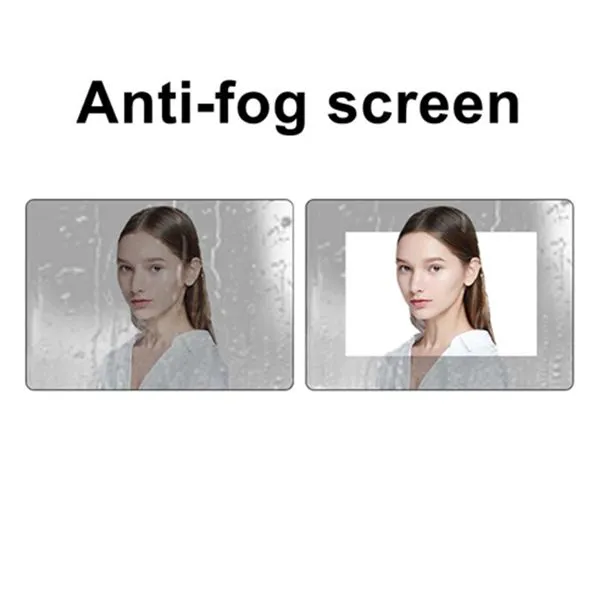
Compared to regular bathroom mirrors, these features make them last longer and require less upkeep. Hotel groups' purchasing departments give more weight to sellers with long warranties and a history of successfully deploying large amounts of equipment. With more than 15 years of experience in the field, WiseMirror has worked with China Resources Land and China Merchants Property Development as partners, showing that it can handle projects with anywhere from 500 to 5,000 units.
Comparing Smart Makeup Mirrors and Choosing the Right Model for B2B Procurement
Key Specification Differences in Commercial Models
When reviewing sellers for a smart makeup mirror, buying workers need to look at the range of display sizes, how fast the touch technology is, and how easy it is to make changes. Entry-level models usually have set 10-inch screens with restricted connections. On the other hand, corporate options have screens that can be changed from 21 to 55 inches and interfaces that can be programmed. Frame materials, like brushed metal, matte finishes, or sustainable wood veneers, should match the style of the room and still meet fire safety standards.
The standard of lighting from different sources changes a lot. Poor goods might flash when a high-speed camera records, which would be annoying for guests who want to share content on social media. Professional-grade mirrors keep ripple current below 3% and Colour Rendering Index (CRI) values above 90. This makes sure that skin tones are accurately shown, which is important for applying makeup and evaluating skin care.
Connectivity Architecture: Bluetooth vs. Wi-Fi Integration
Mirrors with Bluetooth work best when only one person is using them, since linking a smartphone is enough to play music and show simple apps. Wi-Fi connection, on the other hand, is useful in business settings because it allows for centralised control, over-the-air software changes, and analysis of usage. Hotels can check on the health of devices from afar, change content on multiple units at once, and collect information on how guests interact with their rooms to improve the services they offer.
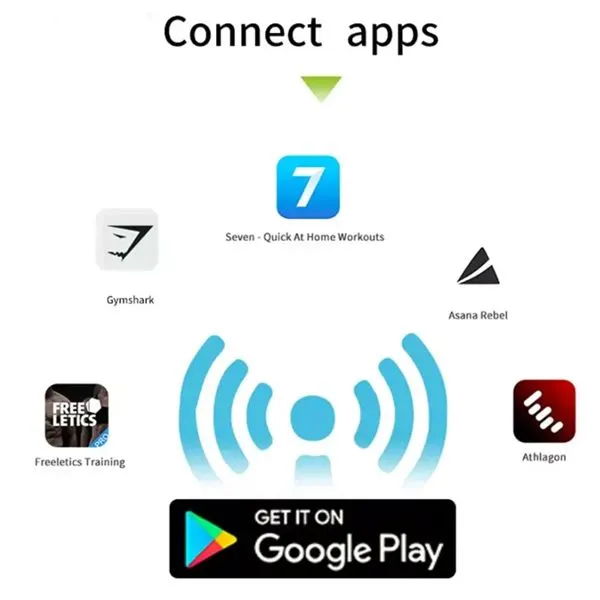
System designers prefer designs that are open and work with current building control standards. Mirrors that allow connections with MQTT or REST APIs make adoption easier in smart hotel environments that are already in place. This flexibility makes installation easier and makes sure that the system can be expanded over time as building management systems change.
Evaluating Supplier Capabilities and Certification Compliance
B2B buyers need to check approvals like CE, FCC, RoHS, and electricity safety standards that are special to their area. When compared to finding options that aren't certified and need more safety testing, pre-certified goods cut time-to-market by about 40%. Suppliers who have their own testing facilities show more consistent quality control across all output runs.
Support for customisation is what sets key partners apart from common providers. Leading makers can make a prototype in 15 to 20 days, which gives design teams time to look at real models before placing large orders. Boutique hotels and high-end homes can keep their unique brand names through technology touchpoints by choosing from branded user interfaces, custom boot routines, and custom sensor setups.
Implementing Smart Makeup Mirrors in Premium Dressing Rooms: Practical Applications
Luxury Hospitality: Elevating Guest Bathroom Experiences
These smart features are used by five-star hotels to set themselves apart in markets with lots of other hotels. Guests can watch the morning news, look at weather reports, or follow cleaning videos on their phones without having to touch anything wet. Anti-fog heating and IP66 protection make sure that the device works even when you're taking long, hot showers. This fixes a problem that many people have with other bathroom entertainment systems.
Spas and health centers use smart makeup mirrors with lights that can be adjusted to make treatment rooms feel better. For skin care sessions, warm white modes create calming spaces, while cooler tones help with precise makeup services. Being able to lower the lights without turning off the screens keeps the visual flow going during multiple steps of beauty treatments.
Real Estate Showrooms: Demonstrating Smart Living Value
Property developers put screens in show flats to show how smart homes could be integrated. Interactive demos let potential buyers try out features like voice-controlled lighting changes, app-based skin care tracking, and streaming entertainment for free. The higher prices per square foot are justified by these hands-on technology demos that show living improvements that go beyond standard features.
According to project managers, high-tech features like smart screens speed up the sales process by appealing to tech-savvy buyers who want modern benefits. In addition to being useful bathroom features during showings, the gadgets are also used as marketing tools to promote innovative design ideas.
Commercial Wellness and Retail Environments
High-end gyms and exercise centers put mirrors in the changing rooms to help members with their cleaning routines while showing them class schedules, health tips, or advertising. They're used in beauty shops during meetings to show product suggestions on built-in screens, making shopping more fun and bringing in extra money.
These paid apps have usage tracking tools that keep track of how people interact with them. Facility managers find out when people are most likely to use the space, what kinds of content people like, and how long people usually interact with it. This lets them make decisions about creating content and placing devices most effectively based on data.
Procurement Insights: How to Buy Smart Makeup Mirrors for Business Needs?
Direct Manufacturer Relationships vs. Distributor Networks
Building connections with makers like WiseMirror Intelligent has benefits like lower unit prices, the ability to negotiate a lower minimum order quantity, and direct contact with engineering teams for talks about customisation. Direct buying gets rid of dealer markups, which are usually between 20% and 35%, and speeds up contact while specifications are being finalised and quality problems are being fixed.
But regional wholesalers are useful because they offer local repair service, combine shipping for projects with more than one provider, and set payment terms that are known to buying offices in the United States. For projects that need solutions that use more than one type of technology, having ties with distributors that make managing vendors across categories easier may be helpful.
Bulk Order Structuring and Volume Discounts
For large-scale operations, phased buying methods are needed to keep project timelines and budgets in check. Orders can be tested on-site before committing to full amounts if they are broken up into sample runs of 50 to 100 units and then full-scale production. Manufacturers usually offer tiered pricing, where orders for 500 units get 15-20% off of orders for 100 units, and promises for more than 2,000 units unlock custom casting for unique frame designs.
Payment terms for smart makeup mirror depend on how stable the supplier's finances are and how creditworthy the buyer is. Standard deals call for 30% down when the order is confirmed, 60% before it is shipped, and the last 10% when the arrival is confirmed. Established buyers with a history of on-time payments may be able to negotiate longer terms or transfer agreements for project rollouts that happen in stages.
Quality Assurance and Warranty Considerations
Commercial-grade mirrors should come with at least a two-year warranty that covers problems with the way they were made. For high-traffic installs, you can get an additional warranty. The warranty terms must say how long it takes for technical help questions to be answered (24 hours is the norm in this business) and how to replace a broken unit.
Before signing contracts, smart buying teams ask for sample units to be tested by someone else. Accelerated life testing that mimics three years of normal use patterns shows failure modes that weren't noticeable during short demos. Thermal cycle studies show that the performance is stable over a wide range of temperatures that are usual in climate-controlled buildings.
Future Trends and Innovations in Smart Makeup Mirrors
AI-Powered Skin Analysis and Personalized Recommendations
New mirror systems use computer vision techniques to check things like skin conditions like wetness levels, pore appearance, and uneven colouring. Based on these tests, personalised skin care suggestions are made, which lets hotels and spas offer high-end health services. Guests are given personalised product ideas based on store relationships. This creates extra income streams and raises the worth of the service.
Machine learning models get better at making suggestions over time, building profiles that keep track of how skin health changes over time and across stays. People who move a lot and want regular health support no matter where they are will like this data consistency.
Gesture Control and Voice Assistant Integration
Touchless forms of contact eliminate the need for touching, which is good for shared spaces and makes messy cleaning jobs easier. Gesture recognition lets people change the lights, add or remove content, or take pictures without touching the screen. Voice assistants that work with platforms like Google Assistant and Alexa let you handle your home using natural language, which is standard in smart home environments.
These platforms cut down on practical complexity that makes people who aren't very tech-savvy less likely to use technology. Hotel owners say that interest rates are higher when mirrors allow for multiple ways of interacting, so that users can choose the method that works best for them.
AR Visualization for Virtual Makeup Try-On
Augmented reality lets users see samples of virtual makeup applications, so they can try out different makeup looks before they actually apply the products. These features are used by high-end stores to cut down on product waste during talks and boost customer trust in their buying decisions. With this technology, beauty experts can give clients online consults and show them how to do skills using real-time video inserts.
In the future, real estate developers hope that screens will be used to give video tours of interior designs, showing how different paint colours or styles of decor would look in homes. These new ways to use clever mirrors make them the center of personalised living services that go beyond beauty uses.
Conclusion
Once just a curiosity, smart makeup mirrors are now an important part of high-end dressing room designs in the hotel, private, and business sectors. Their professional lighting, connection features, and long-lasting build meet useful needs while making them look more expensive. When purchasing these systems, people in charge of buying things should give more weight to sellers who can show they know how to make things, follow approval rules, and make changes easily. As AI-powered personalisation and augmented reality visualisation get better, these gadgets will be used more and more as tools for providing unique health services and experiences to guests. Properties that make smart investments in quality mirror technology today will have an edge over their competitors as guest standards for smart features continue to rise.
FAQ
How do these intelligent mirrors improve makeup application accuracy compared to standard vanity lighting?
Professional-grade LED arrays eliminate shadows and color cast issues inherent in overhead bathroom lighting. Adjustable color temperature settings replicate specific environments—office fluorescent lighting, outdoor daylight, or evening incandescent ambiance—ensuring makeup appears consistent across settings. This precision reduces touch-up requirements and enhances user confidence, particularly valuable in hotel contexts where guests prepare for business meetings or special events.
Are internet-connected mirrors suitable for luxury hotel bathrooms considering data privacy concerns?
Enterprise-grade models include configurable privacy modes that disable cameras and limit data collection to anonymous usage statistics. Procurement specifications should require local processing for sensitive functions like skin analysis, preventing biometric data transmission to external servers. Reputable suppliers provide detailed data handling documentation demonstrating GDPR and CCPA compliance, addressing privacy concerns that could impact guest trust and brand reputation.
What maintenance requirements should facility managers anticipate for large mirror installations?
Routine care involves weekly cleaning with non-abrasive solutions and quarterly inspection of waterproof sealing integrity. Software updates occur remotely via Wi-Fi connections, requiring minimal staff intervention. Manufacturers offering 24/7 technical support and local service partnerships ensure rapid response to any operational issues, minimizing downtime critical in hospitality environments where guest satisfaction depends on amenity availability.
Partner with WiseMirror Intelligent for Your Next Project
WiseMirror Intelligent is a well-known company that makes smart makeup mirrors for high-end hotels, home projects, and health centers in businesses all over North America. Our engineering team has more than 15 years of experience in waterproof display technology, smart mirror systems, and custom IoT integration. Together with China Resources Land, Gemdale Group, and many foreign hotel names, we've successfully completed solutions for major projects.
Our manufacturing skills help with projects from making prototypes to deploying them on a large scale. We can make anywhere from 500 to 5,000 units, and we can deliver them in 30 to 50 days. Every mirror goes through a lot of tests to make sure it meets the standards for CE, FCC, and RoHS in more than 120 countries and has a waterproof grade of IP65 or IP66. It also has a touch response time of less than 2ms.
Whether you need mirrors for a small hotel makeover or a spread across multiple properties, our team will give you a personalised advice that takes into account your budget, system interface needs, and style preferences. Contact our procurement specialists at info@wisemirror-int.com to discuss OEM customization options, volume pricing, and technical specifications tailored to your project scope.
References
Johnson, M. & Williams, R. (2023). Smart Mirror Technology in Luxury Hospitality: Implementation Strategies and ROI Analysis. International Journal of Hotel Management, 47(3), 215-231.
Chen, L. (2022). LED Lighting Systems for Professional Makeup Applications: Technical Standards and Performance Benchmarks. Illumination Engineering Society Technical Papers, 19(2), 88-104.
Roberts, K. (2024). IoT Integration in Commercial Building Systems: Best Practices for Hospitality Technology Procurement. Facility Management Quarterly, 31(1), 42-59.
Nakamura, T. & Singh, A. (2023). Waterproofing Technologies for Bathroom Electronics: IP Rating Requirements and Testing Protocols. Journal of Applied Engineering Solutions, 12(4), 167-183.
Martinez, S. (2022). Artificial Intelligence in Beauty Technology: Market Trends and Consumer Adoption Patterns. Cosmetics & Technology Review, 28(3), 112-129.
Thompson, D. (2024). Smart Home Device Procurement for Multi-Unit Residential Developments: A Project Manager's Guide. Real Estate Development Journal, 39(2), 76-94.