
How Custom Recessed Mirror TVs Work for Hotel and Commercial Projects
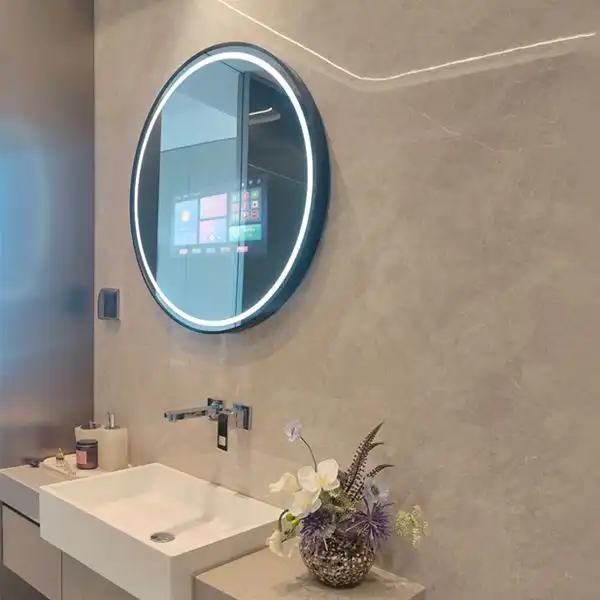
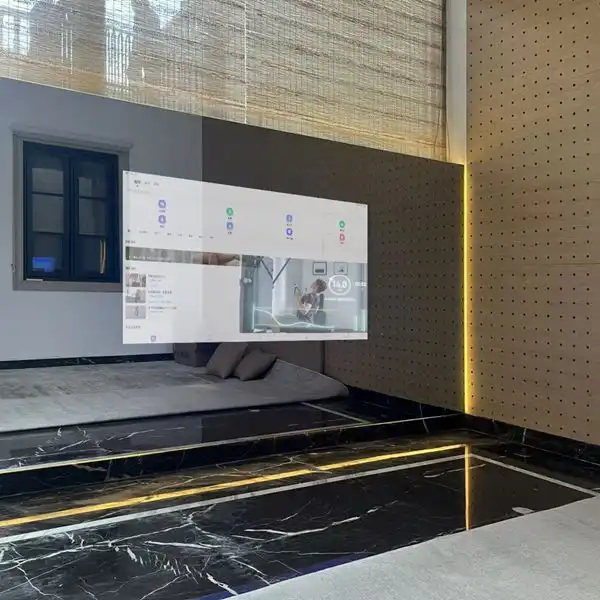
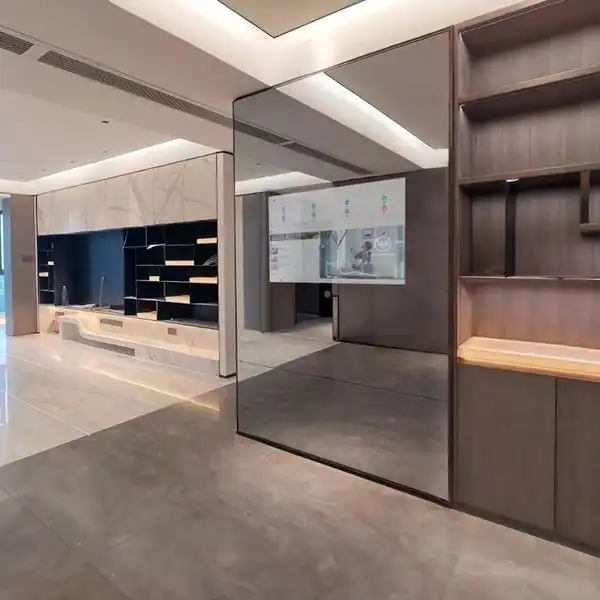
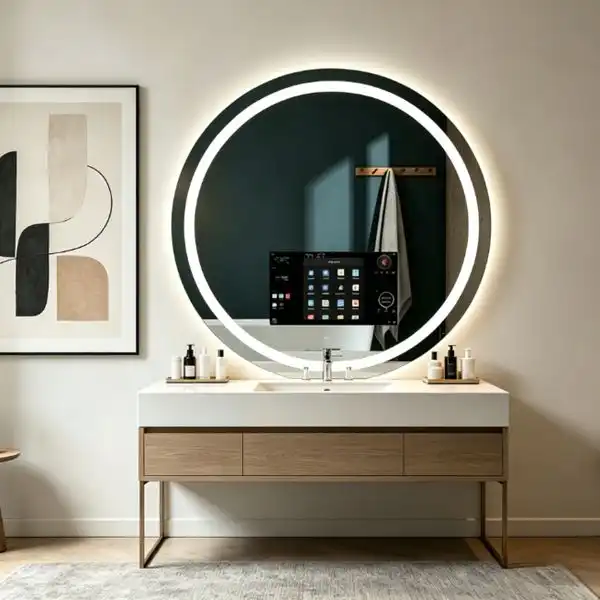
When planning a luxury hotel renovation or designing a high-end residential development, project managers face a persistent challenge: how to integrate technology seamlessly without compromising interior aesthetics or consuming valuable square footage. Custom recessed mirror TVs solve this dilemma. Unlike traditional wall-mounted units that protrude and disrupt clean design lines, a Recessed Custom Smart Dressing Mirror is embedded flush into walls or cabinetry, creating an invisible tech layer. These devices combine reflective mirror glass with hidden LCD displays, activated by touch or motion sensors, delivering entertainment, information, and smart home controls—all within a single elegant surface designed for demanding commercial environments.
Understanding Custom Recessed Mirror TVs and Smart Dressing Mirrors
What Defines a Recessed Mirror TV System?
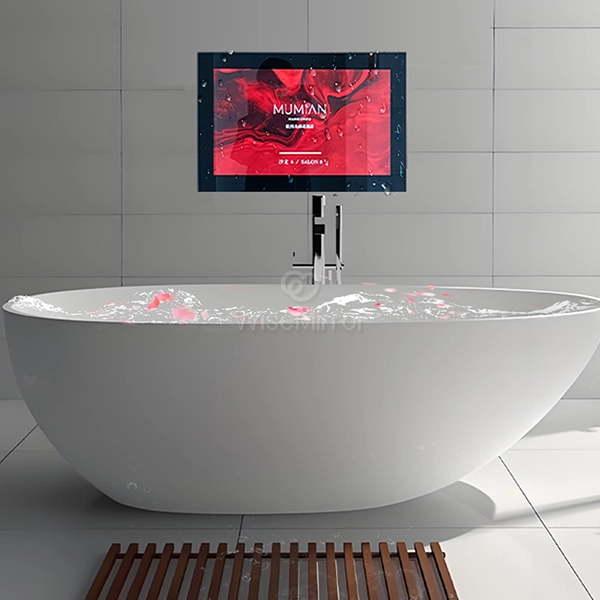
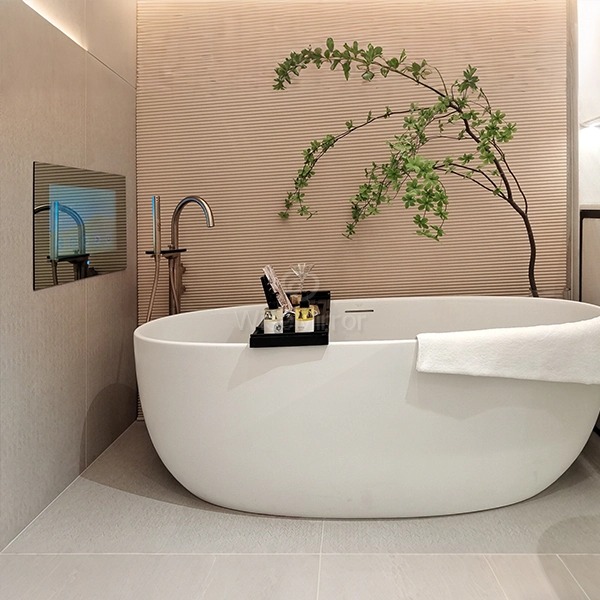
Custom recessed mirror TVs are an architectural-grade option where electronics are hidden inside wall cavities or built-in furniture instead of being mounted on the surface. The core technology puts a high-definition screen behind carefully treated glass that is more than 95% reflective. The surface works like a normal mirror when the power is off. When turned on, the monitor can be seen thru the glass, showing full HD or 4K material without losing the clarity of the reflection. This two-in-one feature makes the most of limited space in high-end hotel bathrooms, executive apartments, and store changing rooms, where each inch counts.
The technology behind these systems depends on nano-coating methods that don't carry electricity and keep the mirror's performance while letting light from the built-in screen pass thru. Installation depths are usually between 80 mm and 100 mm, so builders need to be involved in the planning process to make sure the right openings are made. For hotel projects with hundreds of units, this kind of planning ahead of time keeps costs down and makes sure that all guest rooms look the same.
Core Components and Smart Integration Capabilities
Modern inset mirror displays have more than just the screen itself built in. Commercial-grade units have tempered glass that is explosion-proof and meets IK08 impact ratings. This is important for hospitality venues that get a lot of foot traffic. Anti-fog heating elements keep things clear in bathrooms that are full of steam, and coats that don't rust protect against the cleaning chemicals that are used every day in hotels.
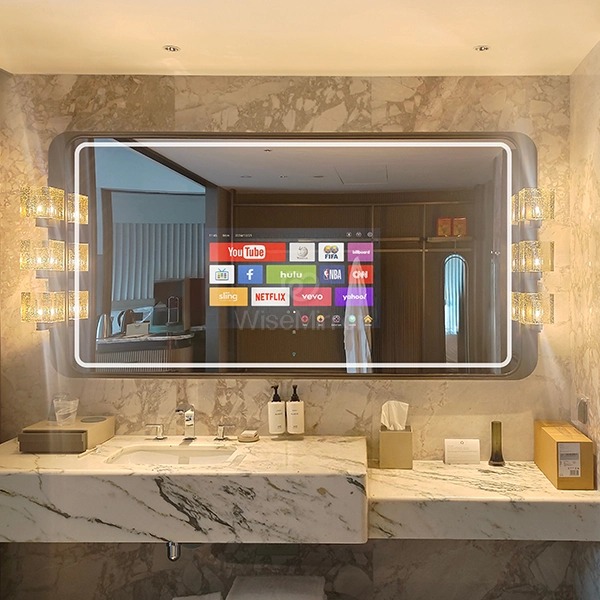
Smart mirrors are different from passive TVs because they have interactive features. Response times of less than 1 millisecond are possible with low-impedance ITO capacitive touch technology. This means that guests can change the lights, check the weather, or set the temperature of the room right from the mirror surface. Built-in motion sensors automatically wake up the space when someone walks up to it and go into standby mode when it's not being used. This feature makes multi-unit properties much more energy efficient. Wi-Fi, Bluetooth, and RJ45 Ethernet are all types of connectivity choices that can be used with property management systems. This lets hotel operations teams handle hundreds of rooms at once from one central location.
Customization Flexibility for Diverse Project Requirements
When it comes to business interior design, one-size-fits-all methods don't usually work. Because these systems can be customized for each project, they can be used for anything from small hotels to large housing developments. Display sizes range from small 13.3-inch units that can be used in bath rooms to large 55-inch units that are used in changing rooms in master suites. You can choose from aluminum alloy or stainless steel for the frame, and the finish can be customized to match the features around it.
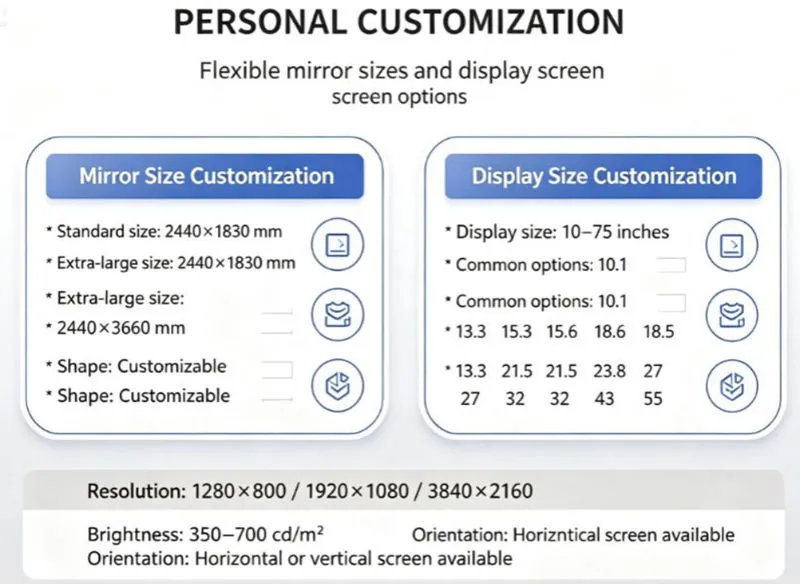
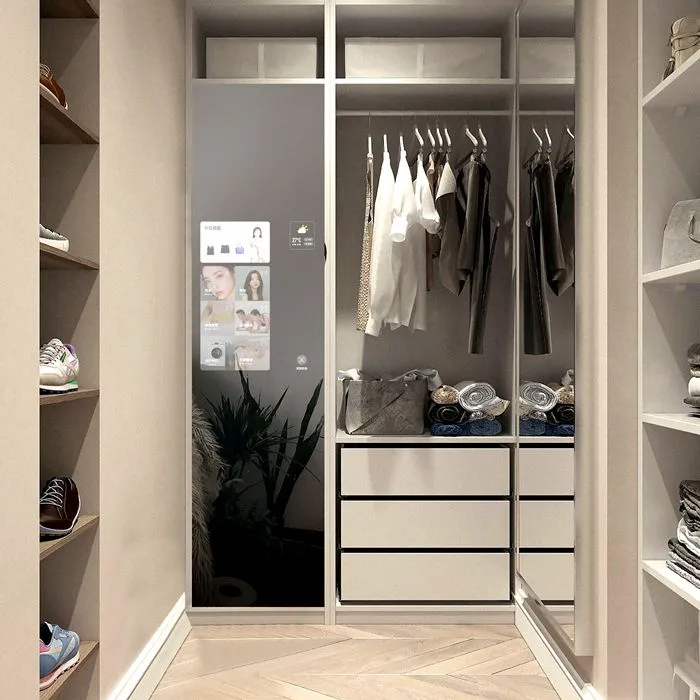
Customizing software goes beyond changing the hardware. Versions 11 thru 13 of Android-based operating systems can be set up with white-label user interfaces that show off the property's branding, multilingual support for guests from around the world, and specialized modules like AI skin analysis for wellness-focused resorts. Unified software deployment makes it easier for chain hotel owners to make sure that all of their sites show the brand in the same way. The brightness of the display can be changed from 350 to 700 cd/m², and the screen can be positioned horizontally or vertically so that it can fit in any placement space, from lighting up a small bathroom niche to covering an entire wall of a walk-in closet.
Benefits of Custom Recessed Mirror TVs for Hotel and Commercial Projects
Elevating Guest Experience Through Interactive Technology
Today's hotel guests expect technology to be seamlessly integrated into their stay so that it makes it better instead of more difficult, and a Recessed Custom Smart Dressing Mirror makes this possible by combining several features into a single, easy-to-use screen. Guests can stream entertainment while doing their morning routines, look up flight times while getting ready, or change the mood of their room without having to switch between devices. This ease of use directly leads to higher happiness levels and good reviews, which are important measures for hospitality businesses in competitive markets.
The interactive experience is more than just playing media. Guests can use touch-enabled controls to ask for housekeeping, order room service, or get information about the hotel's amenities without having to pick up the phone. Motion-activated wake-up means you don't have to fiddle with switches, and custom greeting messages make check-ins more remembered. These thoughtful touches set premium properties apart from standard lodgings, which is why they can charge higher room rates and get more guests during slow times.
Space Optimization and Design Coherence
Luxury hotel baths cost more to build per square foot, so it's important to make good use of space. Traditional setups of mirrors and TVs take up space on the wall because they need to be mounted separately and have frames that stick out and cables that can be seen. By putting all of their parts inside the building's envelope, recessed systems get rid of this visual clutter. The result is a simple look that fits with modern design trends that high-end hospitality brands like.
In addition to looking better, flush mounting makes things safer by getting rid of edges that stick out and could cause an accident. This is especially important in bathrooms that are wet. The smooth integration also makes cleaning easier because there are fewer cracks where dirt and moisture can gather. Maintenance teams like standard setups in multiple rooms because it makes training easier and cuts down on the need to keep extra parts on hand compared to handling separate TV and mirror systems from different makers.
Long-Term Operational Efficiency and Durability
Commercial installations need to last a lot longer than home installations do. Hotel mirror TVs are constantly used, are exposed to cleaning agents, high humidity, and changes in temperature. These are all things that quickly break down consumer-grade electronics. Commercial units designed to meet these needs have waterproof housing with an IP54 rating, anti-oxidation coatings that keep the silver layer from breaking down, and reinforced mounting systems that have been tested to be stable in wall cavities for a long time.
When hundreds of hotel rooms are used every day, 365 days a year, energy saving becomes important. When compared to always-on displays, motion-sensor triggering cuts power use by up to 70% when the screen is not being used. LED lights that can be adjusted for brightness reduces the electricity load even more while keeping the quality of the image. Over the usual 7–10 year lifecycle of a product, these efficiency gains add up to big savings on energy costs. Because modular parts can be accessed thru the front panel, they require less upkeep. This lowers the total cost of ownership by cutting down on the time that the room has to be closed for fixes.
Comparing Solutions: Selecting the Right Custom Recessed Smart Mirror TV
Evaluating Technology Providers and Supply Chain Reliability
Buying things for big hotel projects comes with a lot of risk. It becomes very important to choose suppliers with a history of reliability. Manufacturers who can show that their installations have worked well in similar settings should be given more weight in the evaluation process. Based in Shenzhen, WiseMirror Intelligent has been a reliable company for over 15 years, focusing in business mirror TV systems and working with big developers like China Resources Land and Gemdale Group. Their collection of more than 500 major projects shows that they can deliver and that their Products last.
Stability in the supply line is just as important. Having their own UI design teams and software development units lets manufacturers keep an eye on product quality and release cycles without having to rely on outside partners. Full sets of certifications, including CE, RoHS, FCC, and ISO 9001, make sure that products meet all the rules in North American and European markets. This stops delays in customs and installation holds that can throw off project schedules. For commercial uses, the warranty should last at least two to three years, and there should be clear reaction times for technical help and replacement parts throughout the product's useful life.
Feature Comparison: Prioritizing Project-Relevant Capabilities
In business settings, not all smart features are equally useful, and for a Recessed Custom Smart Dressing Mirror, teams in charge of buying things should be able to tell the difference between marketing tricks and real-world uses. The slightly higher unit costs are worth it because motion sensors and automatic sleep modes save energy in a way that can be measured. Guests can play music from their own devices using Bluetooth, which is an increasingly accepted amenity. Integration with building management systems lets you monitor and control everything from one place, which is very important for properties that don't have a lot of IT staff on site.
On the other hand, some features that are geared toward consumers add cost without providing any real benefit in hotel applications. If there are too many social media or gaming features, guests may not use them much and the software will be harder to maintain. The best setup strikes a mix between tools for managing operations and making things easier for guests. Customizable user interfaces should show material that is specific to the property, like suggestions for local restaurants, spa appointments, or branded welcome screens. This would turn the mirror from a generic piece of technology into a branded guest touchpoint that reinforces the property's unique standing.
Cost Structure and Customization Timelines
To get a sense of how much the whole project will cost, you need to look beyond the price per item. For custom setups, engineering work is needed for frame sizing, software UI adaptation, and integration testing. These are costs that are spread out more evenly across bigger orders. For custom specifications, the minimum order quantity is usually between 20 and 50 units. However, well-known makers may be open to mixed orders that include both standard and special parts in the same project.
Lead times change based on how much changes are made. Within 4 to 6 weeks, standard configurations with small changes (like frame color or software language) are shipped. It may take 10 to 14 weeks from the time an order is confirmed until it is delivered for full custom solutions that need proprietary display sizes, special mounting hardware, or a lot of software development. Smart project managers plan the buying process so that it fits with the building schedule. They order long-term custom units early and store standard parts for later installation stages. This order keeps the budget flexible as the project's requirements change during building and avoids delays that cost a lot of money.
Installation and Integration Process for Custom Recessed Mirrors
Pre-Installation Planning and Architectural Coordination
Recessed installs that go well start long before the units get there. Working with architects and MEP (mechanical, electrical, and plumbing) engineers early on keeps mirror cavities from getting in the way of structural elements, plumbing risers, or HVAC ductwork. Manufacturers should provide thorough CAD models that show the exact sizes of the recesses, the space needed for ventilation, and where the electrical rough-ins should go. During the framing stage, these specifications must be given to general contractors to make sure that holes are properly made in walls or cabinets.
Bathroom installations should pay extra attention to how they handle moisture. Vapor barriers must be carefully installed around the edge of the recess to keep water from building up behind the mirror, which can damage electronics and help mold grow. Ventilation paths that are big enough let heat escape from display parts without lowering the thermal protection levels that are needed by building codes. Suppliers with a lot of experience, like WiseMirror Intelligent, offer detailed installation guides and online technical support to help teams on-site fix problems that come up during building.
Installation Sequencing and Quality Assurance
The actual fitting usually happens during the finish trades, which means after the drywall is finished but before the final trim work. Mounting brackets made for the type of wall or cabinet construction are used to hold the units in place. For example, wood framing, metal studs, and solid masonry all need different ways to be fastened. Licensed electricians should make electrical connections and make sure they follow local rules. All wiring should be hidden inside walls and end at junction boxes that can be easily serviced in the future.
All features are checked during pre-commissioning testing before they are officially accepted. Technicians make sure that the whole screen is touch-sensitive, check the range of motion sensors' responses, and make sure that the network is connected to property management systems. Calibration of the display makes sure that the colors are correct and the lighting is the same across all of them. This is especially important when installing multiple units in rooms next to each other and guests might notice differences. Documentation of all custom settings and network configurations, as well as training for the property maintenance staff who will be in charge of the systems in the long term, should be part of the final acceptance.
Smart Home Integration and Ongoing Support
When you connect recessed mirror TVs to larger building control systems, that's when they really shine, and a Recessed Custom Smart Dressing Mirror becomes a central hub. If you use open standards like Zigbee or KNX, or hotel-specific systems from companies like Crestron, the mirror can be used as a hub for controlling lighting sets, thermostats, and motorized window treatments. Guests enjoy easier control, and hotels get information about how people use the space, which helps them make decisions about how to handle energy use.
Support after installation is what sets reliable suppliers apart from problematic ones. Over-the-air software changes keep systems safe and add new features without having to have a technician come to the spot. Technical help teams that are quick to respond and can do tests remotely can fix most problems quickly, so guests don't have to wait too long. Clear guarantee terms that spell out what's covered and, more importantly, what's not covered stop arguments when parts fail years after the warranty was issued. Getting to know makers that offer these all-around help frameworks is a good way to protect the large amount of money that these systems represent.
Future Trends and Strategic Value of Smart Mirror TVs in Hospitality
Emerging Technologies Reshaping Guest Interaction
The next big thing in mirror TV displays will be voice-activated controls driven by AI assistants. Instead of touching surfaces that might be germ-filled (a bigger worry after the pandemic), guests will just say orders to change settings, get information, or run the room. This technology can be used by international hotel chains that serve a wide range of guests because natural language processing is advanced enough to handle multiple languages and accents.
Personalization options are getting better than just showing names. With the right privacy settings and guest permission, built-in cameras can look at skin conditions and suggest customized skincare routines or spa treatments that can be done at the property. Fashion stores are trying out virtual try-on features where mirrors put clothes on top of the user's image. This is a feature that could work in hotel shops. With these improvements, mirrors go from being inactive benefits to active ways to make money by advertising services and goods available on-site.
Business Intelligence and Operational Optimization
Smart mirrors create useful data streams that most hotel owners aren't using to their full potential. Combined usage patterns show which features guests like the most, which helps guide future investments in technology. Peak usage times help make the most of cleaning and repair windows and plans. When property management systems are integrated, automated upsell offers can be sent to guests at the best time for them, such as spa access during off-peak hours or restaurant bookings when on-site dining is full.
Data governance policies need to be well thot out when privacy is an issue. Being clear about what information is gathered, how it is used, and how guests can opt out builds trust, not destroys it. Properties that show they are good at managing data can set themselves apart and get useful information that can make operations run more smoothly and guests happier. The mirrors are now strategic assets that bring in money in ways other than their basic purpose as shows and reflections.
Sustainability Alignment and Supplier Partnerships
Environmental responsibility is becoming more and more important in buying choices, which are influenced by both company policy and customer interests. Mirror TV systems that use less energy and keep track of how much power they use help meet LEED certification goals and ESG reporting requirements. Leading hospitality brands have values-based buying policies that are in line with manufacturers who show sustainable practices throughout their supply chains, from using materials that are carefully sourced to having fair labor standards.
Long-term ties with suppliers are good for more than just one purchase. Preferred vendor programs negotiate lower prices for large orders and make sure that priority allocation is given when there are problems in the supply chain. Manufacturers learn about upcoming real estate projects, which lets them invest in R&D that fits with their clients' plans. This way of working together makes better-specified products that are released at the right time for the market. This is good for everyone because it lowers the risk of products becoming obsolete and improves their competitive position.
Conclusion
By combining technology and high-end design in a seamless way, custom recessed mirror TVs change the look of commercial spaces, and a Recessed Custom Smart Dressing Mirror exemplifies this transformation. They help luxury hotels make the most of their limited room while still giving guests the dynamic experiences they expect today. Because the technology is mature, there are many ways to make it your own, and it has been tested and shown to last in harsh business settings. This means that these systems are more like investments than fun extras. To make projects work, suppliers need to be carefully chosen, architecture needs to be planned early on, and the solution needs to fit in with larger automation plans. For hospitality operators and developers who are committed to excellence, the investment is worth it because it leads to higher guest satisfaction, more efficient operations, and a competitive edge.
FAQ
Can recessed mirror TVs integrate with existing hotel property management systems?
In fact, current Commercial Mirror TVs can connect to most PMS systems using standard protocols like TCP/IP, REST APIs, and MQTT messages. This connection lets personalized welcome messages be sent to guests who check in, service requests made thru the mirror go straight to housekeeping dispatch systems, and room controls are in sync with guest preferences stored in the PMS. Integration is different for each PMS provider. Manufacturers with a lot of experience offer technical specs and testing help to make sure everything works together before a large-scale rollout.
What are typical lead times and costs for commercial custom orders?
Lead times for custom inset mirror TV projects range from 6 to 14 weeks, based on how complicated the specifications are. Standard setups that only need small changes (like frame finish and language settings) ship faster than fully customized solutions that need custom display sizes or a lot of software development. Commercial-grade systems usually cost between $1,200 and $4,500 per unit. The price depends on the display size (21.5" to 55"), the level of customization, and the number of units ordered. When projects have more than 100 units, they can often get volume pricing, which cuts the cost per unit by 15 to 25 percent. These numbers don't include the cost of installation work, which changes a lot depending on the market and the site.
How do recessed smart dressing mirrors improve energy efficiency compared to conventional mirrors?
When motion is detected, recessed smart mirrors go into standby modes that turn off screens when rooms are empty. This can save up to 70% of the electricity used by always-on setups. LED backlighting uses a lot less power than older fluorescent or CCFL technology, but it also produces brighter and more accurate colors. The built-in defoggers only work when they're needed instead of all the time, and the brightness levels can be changed so that hotels can get the best lighting for the room rather than going for maximum output. These small changes can help an environmentally-friendly hotel with 200 rooms save between $15,000 and $25,000 a year on power costs.
Partner with WiseMirror Intelligent for Your Next Commercial Project
You should work with a mirror TV provider that knows how complicated business installations can be. With 18 years of experience, WiseMirror Intelligent has been providing recessed smart mirror solutions to high-end hotels, residential developments, and commercial spaces in North America and Europe. Our in-house software development team makes fully customized user interfaces that match your brand, and our OEM/ODM services make sure that every dimension, finish, and function is exactly how you want them to be.
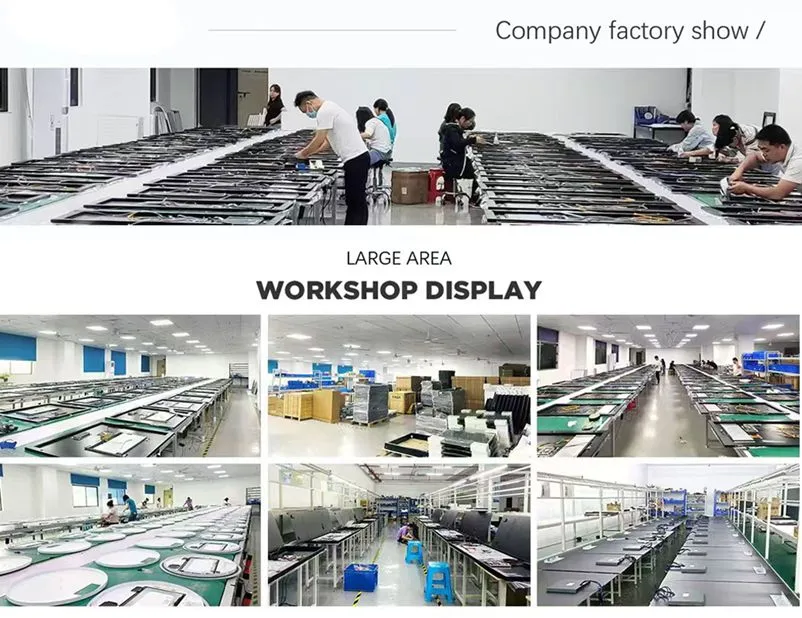
We've worked well with China Resources Land, Gemdale Group, and hundreds of small companies on projects, helping with everything from the initial design advice to installation help and long-term guarantee service. Our commercial-grade mirror TVs are waterproof (IP54 rating) and have nano magnetron coating technology, low-impedance ITO capacitive touch, and were designed to work in demanding hospitality environments. Our flexible minimums and scalable production make sure that your schedule and budget stay on track, no matter what you're asking for—a 20-room boutique hotel or a 500-unit residential tower.
Email our engineering team at info@wisemirror-int.com right now to talk about your project needs and get full technical specs for our Recessed Custom Smart Dressing Mirror manufacturer options. Let us show you why top designers and developers choose WiseMirror Intelligent for projects that need quality, dependability, and easy integration.
References
1. Anderson, K. & Thompson, R. (2022). Smart Building Technologies in Modern Hospitality Design. Architectural Press International.
2. Chen, L., Patel, S., & Morrison, J. (2021). "Energy Efficiency Analysis of Interactive Display Systems in Commercial Buildings." Journal of Sustainable Architecture, 18(4), 312-328.
3. European Hotel Technology Association. (2023). Guest Experience Technology Benchmark Report 2023. EHTA Publications.
4. Martinez, C. & Williams, D. (2022). Specifying Commercial Audio-Visual Systems: A Guide for Architects and Interior Designers. Design Technology Publishing.
5. National Association of Home Builders. (2023). Smart Home Technology Integration Standards for Residential Construction. NAHB Research Center.
6. Zhao, Y., Kim, H., & Robertson, M. (2021). "Comparative Lifecycle Assessment of Embedded vs. Surface-Mounted Display Technologies in Hospitality Applications." International Journal of Hospitality Technology, 14(2), 156-174.