
Hidden TV Solutions with Picture Frame Mirror TV
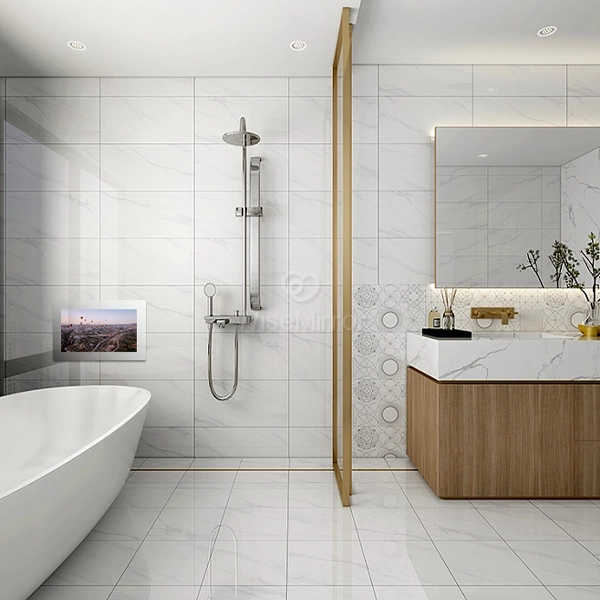
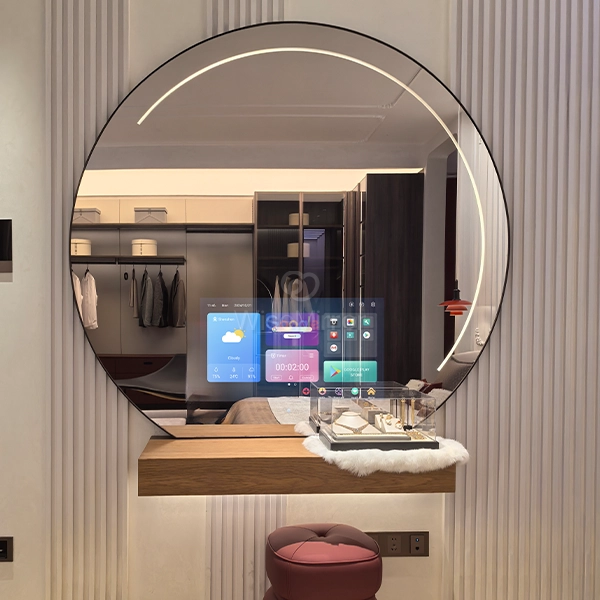
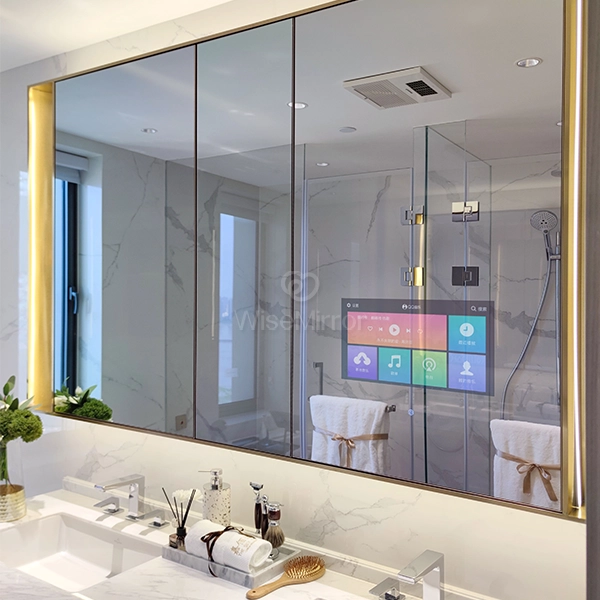
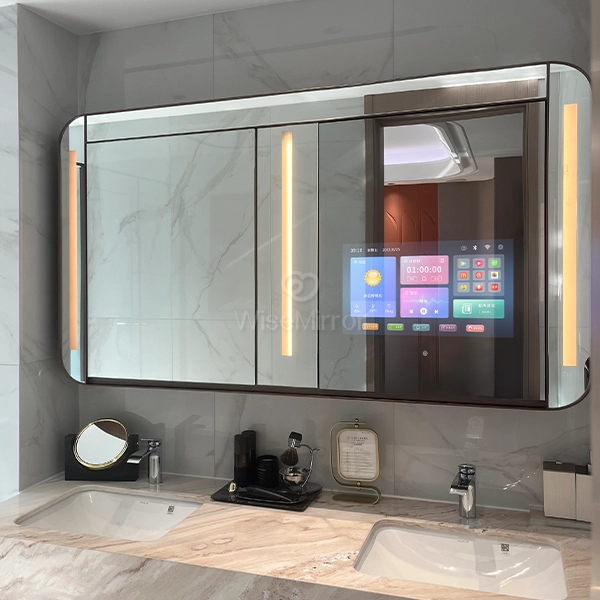
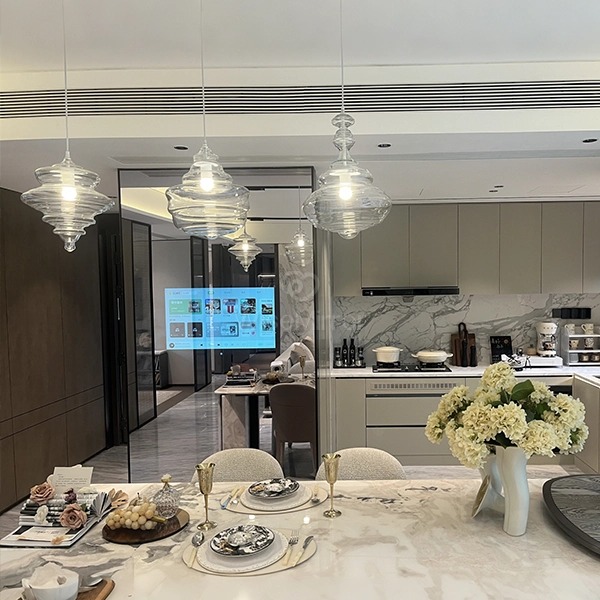
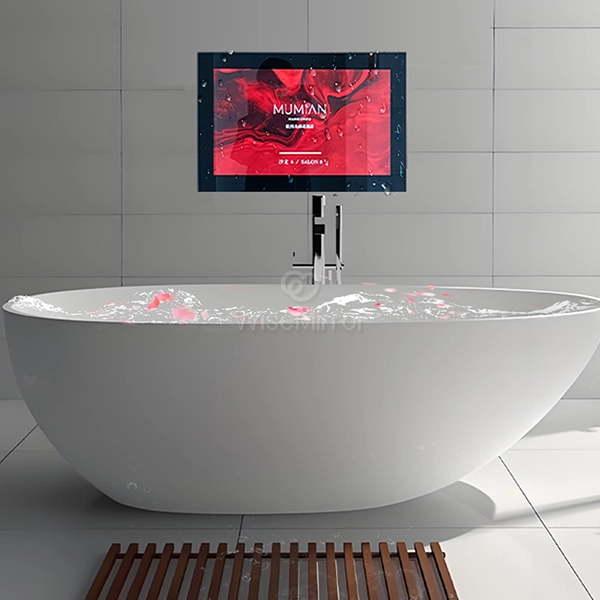
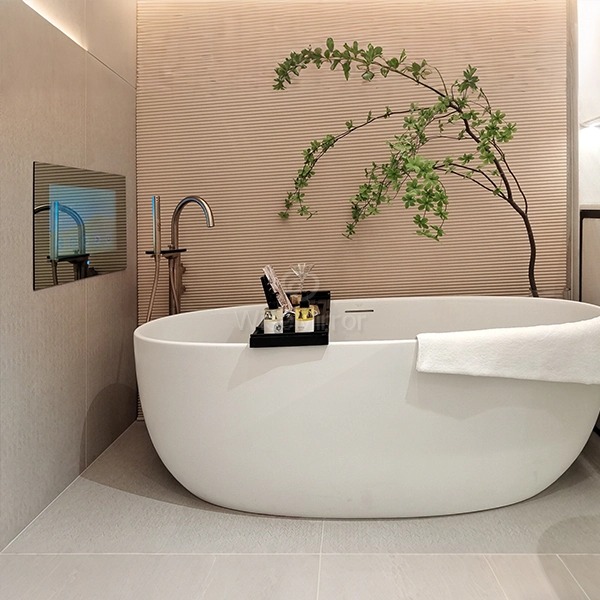
A picture frame mirror TV is a unique combination of display technology and architectural design. It uses special dielectric beam-splitter glass that works as a reflective mirror when not in use and smoothly changes into a high-definition screen when it is. This dual-function solves a problem that hospitality planners and property owners have been having for a long time: getting rid of the visual clutter that black-screen TVs cause while still providing full entertainment options. These hidden display options are perfect for high-end commercial spaces, executive suites, and bathrooms in high-end hotels. They solve the problems of limited space and bad looks that come with regular AV equipment, especially in cases where the design can't be compromised by visible technology.
Understanding Picture Frame Mirror TVs: Technology and BenefitsCore Technology Architecture
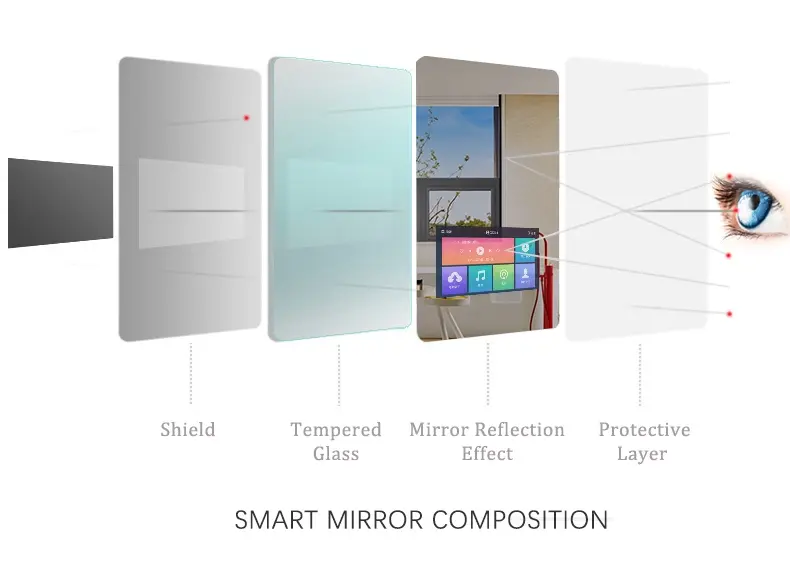
The tech behind a professional-grade picture frame mirror TV system depends on three fully combined parts working together perfectly. The transmission-to-reflectance ratio of the dielectric mirror glass is carefully adjusted. It usually falls between 40/60 and 30/70, based on the lighting in the installation area. The optical-grade material is very different from regular market mirrors because it has to find the right mix between reflectivity and light penetration for clear displays.
Behind this special glass, high-luminance display screens produce light levels above 500 to 700 nits (cd/m²), which is a lot brighter than most home TVs, which only produce 250 to 300 nits. This brightness compensation balances out the mirror coating's ability to absorb light, so the picture quality stays bright even in well-lit hotel bathrooms or business areas. The nano magnetron sputtering covering technology that WiseMirror Intelligent uses gets 92% reflection. This keeps the mirror's original look while letting you see clearly while it's in use.
Dual Functionality for Commercial Environments
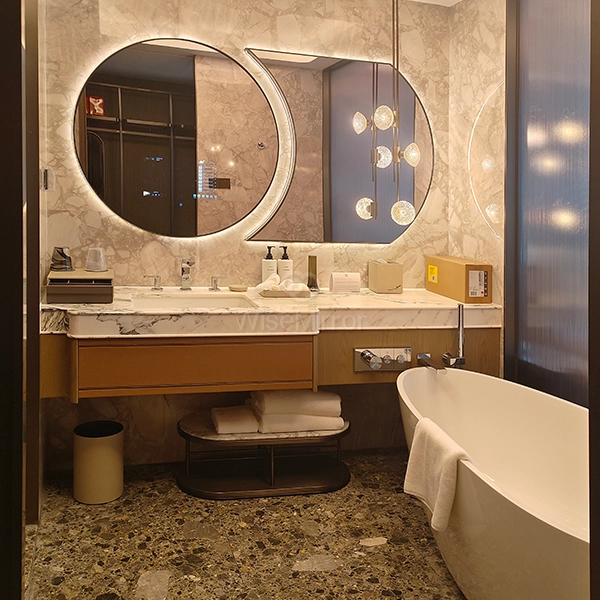
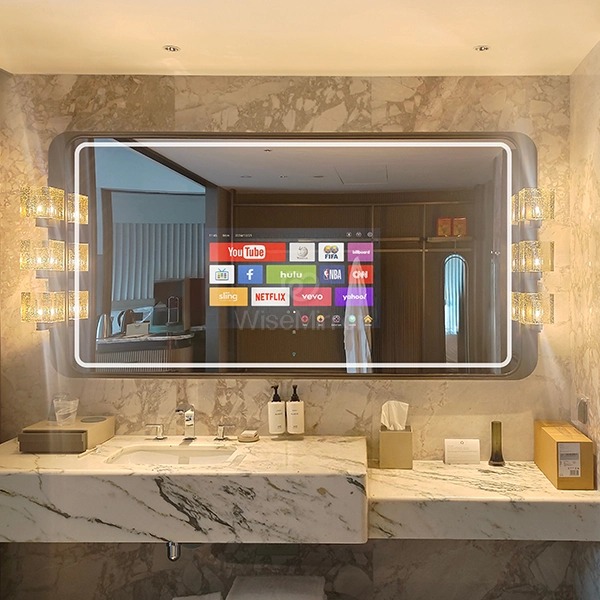
There is always pressure on project managers looking at technology solutions for upgrades in the hotel industry to get the most usefulness out of the space they have. This problem can be solved by picture frame mirror TV systems, which get rid of the need for separate bathroom mirrors and TVs. In high-end hotel rooms, one unit is used for both getting ready in the morning and watching TV at night. This makes installation easier and frees up wall space for other design elements.
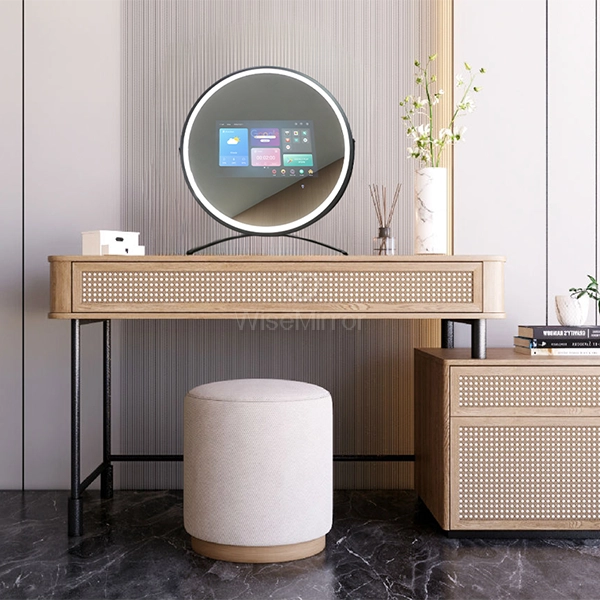
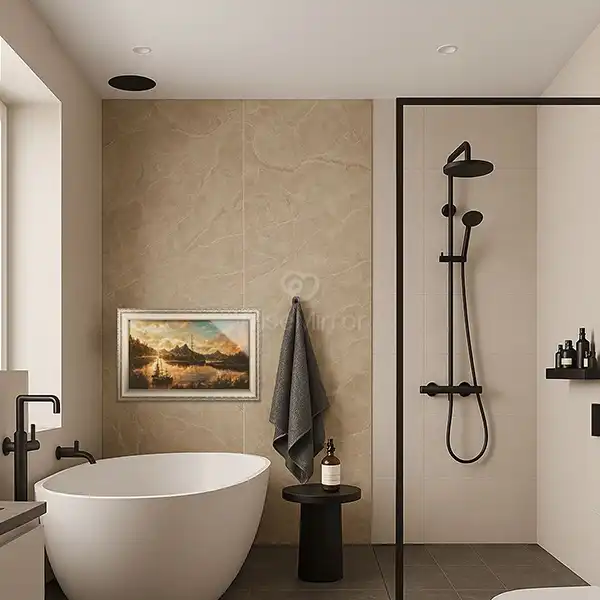
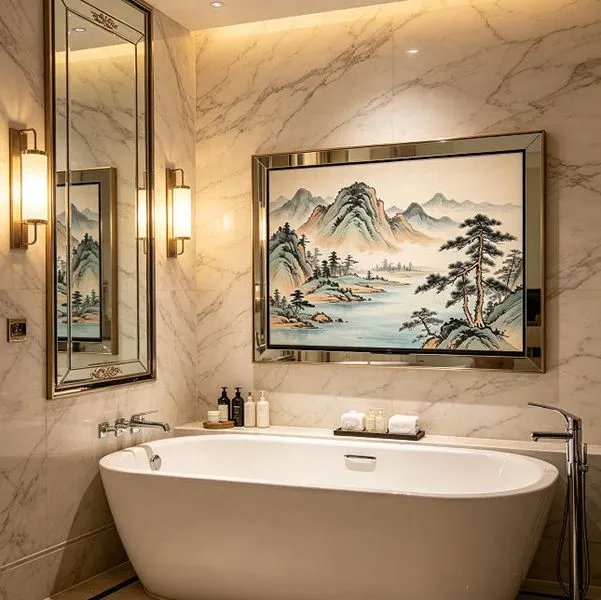
The aesthetic benefits go beyond making the best use of room. When these systems are built into custom millwork or put in custom frames with anything from simple, narrow borders to ornate, carved designs, they stop being technological invaders and become architectural features. Hotel managers say that guests often don't notice that there is a TV until they turn it on. This helps to keep the peaceful, clean atmosphere that luxury hotels aim for.
Energy Efficiency and Maintenance Considerations
Long-term operating costs have a big effect on figuring out the return on investment (ROI) for big property projects. Modern picture frame mirror TV systems use less power when they're not in use, thanks to LED lights and smart power management that lowers waste when the system is not in use. Compared to traditional hotel room layouts that need separate lights for the mirror and the TV, combined systems can cut energy use by 18–25% a year across a 200-room property.
These combined options are also better for maintenance needs. The protected design keeps outside elements from getting to the inside electronics, which is especially important in bathrooms with a lot of humidity. IP65 waterproof ratings make sure that the device can be used safely in spas and hotel baths where steam is present all the time. Our anti-oxidation and anti-corrosion methods make parts last longer. In business deployments, the average time between failures is over 50,000 hours, which is a key reliability measure for buying teams that manage groups of properties.
Comprehensive Buying Guide: Selecting the Right Solution for Your Project
Critical Evaluation Metrics for Hospitality Applications
When purchasing teams look at picture frame mirror TV technology for hotel projects, they have to look at more than just the usual consumer TV standards. While screen quality is still important, and 4K is becoming normal for high-end apps, brightness output is more important in business settings. Units that will be installed in bathrooms need screens with at least 600 nits of brightness to keep things visible in bright places. Units that will be installed in darker areas may be able to work with lower specs.
Professional-grade systems are different from consumer-grade ones because they can integrate smartly. Multiple units can be controlled from one place if the hotel automation system works with Crestron, Control4, or the hotel's own property management system. WiseMirror Intelligent's custom UI and software development skills make it easy to connect to existing infrastructure and support the standards that big hotel brands need to make sure that all of their guests have the same experience.
When many people use new systems every day in a business setting, how responsive the touch interface is is very important. Our low-impedance ITO capacitive touch lamination technology gives reaction times of less than 1 millisecond, so people can use the device in a way that feels natural to them. This feature is especially important in store fitting rooms or salons where customers expect responsiveness like on a smartphone.
Size and Customization Parameters
Standard sizes range from 15.6 inches to 55 inches, which covers everything from full-length bedroom setups to hotel bathroom vanities. Non-standard measurements are often needed for specific projects, especially when remodeling and existing millwork limits the amount of room that can be used. Having manufacturing partners that can do custom sizes without charging too much for longer lead times is very helpful during the delivery parts of a project.
Frame modifications should be thought about just as much as screen specs. Hotels that want to stand out with their design need frames that go with their general interior ideas. For example, handmade wood frames for heritage boutique hotels or minimalist metal profiles for modern properties. Our flexible design method lets design teams choose the frame style without having to worry about the screen's specs. This gives them more freedom without sacrificing technical performance.
Different places have different waterproofing standards. For bathroom uses, you need IP65 or IP66 certification, which protects against direct water contact from cleaning or shower spray. Installations in bedrooms or lobby areas might work fine with lower IP ratings, which could lower unit costs in large-scale buying situations. By knowing these differences, you can avoid over-specification, which drives up costs without adding any value.
Supplier Evaluation and Volume Procurement
Creating relationships with companies who have worked on hospitality projects before greatly lowers the risk of implementation. Vendors who already work with big hotel chains know what property developers want in terms of paperwork, testing processes, and quality assurance standards. Our portfolio includes great partnerships with China Resources Land, China Merchants Property Development, and Gemdale Group, which shows that we can handle the buying needs of large businesses.
During the building phase, when deliveries are late and the project is delayed, lead time promises become very important. Because we use modular production methods and smart inventory management for our parts, we can turn around orders of more than 500 units in 30 to 35 days. This skill comes in very handy when starting a hotel and many trades need to work together under tight deadlines.
Instead of random discounts, volume price should be based on real economies of scale. Procurement teams can correctly compare bids when there are clear cost breakdowns that separate component prices, customization fees, and transportation costs. Ask for detailed prices for different order numbers to find the volume limits where per-unit costs drop significantly. For most suppliers, these are 100, 250, and 500 units.
Installation, Maintenance, and Customization: Ensuring Longevity and Performance
Installation Planning and Structural Requirements
A successful picture frame mirror TV installation starts with the planning stages, not the building stages. Planning for electricity needs to take into account both power supply and signal routing. Conduit paths should be made so that obvious wire runs don't ruin the aesthetics. Depending on the size of the screen, picture frame mirror TV units usually use 80 to 150 watts of power, so they need their own circuits in bathrooms where GFCI safety is required.
Different types of installations have different structural support needs. For recessed installs to work, the wall must have enough depth—usually between 4 and 6 inches, but this depends on the unit—and the installation team must work with the framing workers during the rough construction stages. Surface-mounted uses are easier to use during repairs when changing the wall is limited, but they need strong anchoring systems that can support the weight of the display, mirror glass, and frame assembly.
Thermal management doesn't get enough attention during planning, but it has a big effect on efficiency in the long run. When picture frame mirror TV units are in use, they produce heat that needs to be cooled down so that parts don't break too soon. When installing in closed millwork or tight spaces, you need to use passive airflow paths or, for more demanding situations, active ventilation systems. When temperature limits are reached, our thermal sensor integration changes performance settings immediately. This keeps functionality while protecting components.
Maintenance Protocols and Service Access
Commercial sites need upkeep plans that balance ease of access with safety. Hotel bathrooms need to be cleaned in a way that protects the mirror finish and meets standards for maid efficiency. We suggest using microfiber brushes and cleaners that are pH-neutral. Avoid using ammonia-based Products, as they wear off special coats over time. During the property opening process, teaching housekeeping staff the right way to clean stops damage from being caused by maintenance that was done with good intentions but not the right way.
Technical staff should not need to enter a guest room to do diagnostics. This is especially helpful in hotels that are already full. Units that are linked to a network let centralized repair facilities check on operating state, problem logs, and performance data from afar. This feature lets engineering teams find units that aren't working right away, so they can schedule fixes for times when the hotel isn't occupied instead of waiting for guests to report.
Service network access is very important for businesses in secondary areas or places outside of the United States. Repair times can be cut from weeks to days if your suppliers keep approved service partnerships in the areas where you do business. Our global support system keeps service partnerships in major markets across North America and offers technical help 24 hours a day, seven days a week. This makes sure that we can respond quickly to problems when they happen.
Customization Options and How They Affect the Project Schedule
The choice of frame material affects both the final look and the plan of the job. Standard metal or polymer frames usually ship within the wait times given, but custom wood frames that need special finishing may take an extra two to three weeks to arrive. Early on in the specification process, procurement teams should figure out what custom frame needs there are. This will give suppliers enough time to make the frames without rushing installation plans.
Customizing the dimensions usually adds 7–10 days to the normal production time, as long as the changes can be made with the tools that can be used. Extreme aspect ratios or widths bigger than 60 inches might need to be reviewed by engineers and prototypes made, which could add 3–4 weeks to delivery times. When suppliers are involved early on in the design process, problems are found before the standards are set in stone. This keeps the cost of remake iterations to a minimum.
When projects need unique interfaces or custom features, software customization should be taken into account when planning the timeline. Our in-house UI design and software development teams can make unique operating systems, but it takes 4-6 weeks for development and testing to make a real difference. Properties that want to create unique experiences for their guests using customized technology should start talking about these things during the schematic design stages instead of the building paperwork stages.
Comparing Hidden TV Solutions: Why Mirror Display Technology Leads?
Alternative Concealment Approaches and Limitations
Traditional motorized cabinet systems are the oldest way to hide a picture frame mirror TV. They use mechanical lifts or moving panels that show screens when they are activated. Even though these systems work, they add a lot of mechanical complexity that is prone to failure. This is especially a problem in hotel settings where repair workers can't easily get to the system. Motor assemblies need to be oiled and adjusted on a regular basis, which adds to the costs of ongoing upkeep that aren't present in static mirror setups.
Also, cabinet solutions take up a lot more room than screen options. Motorized lift devices need 8 to 12 inches of space behind finished surfaces, which is often not possible in bathrooms or newly rebuilt homes with shallow wall cavities. A common gripe from guests about cabinet-based systems is that the noise from the machines during operation breaks up the quiet, high-end mood that these properties try to create.
The problems with artwork hiding systems that use automatic frames that swing away or slide to the side are the same. The obvious frame size has to be bigger than the screen size to cover it. This makes the art look proportionally oversized, which can look bad in small areas. Concerns about mechanical stability still exist, and the reveal action makes the technology stand out instead of hiding it, which goes against the idea of seamless merging that is popular in modern design.
Total Cost of Ownership Analysis
Initial prices of acquisition are only one part of lifetime costs. picture frame mirror TV systems usually require 30–40% less installation work than automatic options because they are easier to set up and don't need to be mechanically calibrated. If a 200-room hotel chose picture frame mirror TV screens instead of cabinet systems, they might save between $60,000 and $80,000 on installation work alone.
Different amounts of energy used add up to a lot over long periods of time. In sleep mode, picture frame mirror TV systems use less than 0.5 watts of power, while moving cabinet systems constantly use 3 to 8 watts to keep the control system ready. For a hotel with 200 rooms that is open 365 days a year, this difference means that the hotel will use between 5,000 and 9,000 kWh per year, which is about $800 to $1,400 in normal business rates.
picture frame mirror TV technology clearly wins when it comes to maintenance and repair costs. Mechanical systems need to be serviced about every 18 to 24 months, and motor parts need to be replaced every 5 to 7 years. Since mirror screens don't have any moving parts, they usually don't need any upkeep for 7 to 10 years before the panel needs to be replaced. This difference in stability has a big effect on lifetime budgeting for developers who plan to hold properties for 15 to 20 years.
Smart Integration and Future-Proofing Capabilities
Integrated technology environments, in which different systems talk to each other through central platforms, are becoming more and more important in modern hotel operations. picture frame mirror TV systems with open API design are easy to connect to property management systems, which lets automatic control work with the number of people in each room. Units can show artwork by default when rooms are empty, change to welcome screens when guests check in, and show custom content while guests are staying.
The ability to use voice controls is something that most modern upscale homes have. Our systems can easily connect to both Alexa and Google Home, so guests can handle screens with voice commands they already know instead of having to learn how to use complicated interfaces. This compatibility cuts down on the training that hotel staff needs to do and the anger that guests feel when they can't use new technology.
As business responsibility pledges grow, sustainability efforts have a bigger impact on buying choices. picture frame mirror TV technology is in line with green building goals because it uses less energy, doesn't have any motorized parts that need oil-based lubricants, and has longer product lifecycles that reduce electrical waste. Properties that want to get LEED recognition or another similar green credential should choose technologies that show measurable environmental benefits.
Procurement and After-Sales Support: Securing Your Investment
Strategic Sourcing and Supplier Qualification
To find suitable picture frame mirror TV sellers, you have to look at more than just the product specs. You also have to look at the organization's abilities. Suppliers who work with the hotel and business markets should show that they have ISO 9001 quality management certification. This shows that they use systematic quality control methods instead of random inspections. This certification is especially useful for projects with more than one phase, where quality must be uniform across all shipping batches.
The power to manufacture things has a direct effect on how reliably big projects are delivered. When suppliers have separate production lines for business projects, they don't have to deal with the scheduling problems that happen when customer and business orders fight for limited manufacturing resources. Our factory in Shenzhen has different production lines for hospitality projects. This way, large orders from customers don't hold up deliveries for businesses.
Different places and types of projects have different testing and approval paperwork needs. In North America, projects usually need to be UL or ETL certified for electricity safety, follow FCC rules for RF emissions, and be ADA compatible for setups in accessible rooms. European projects need to have the CE mark on them, and they may need other approvals that are specific to their country. Qualified sellers keep their certification paperwork up to date and know how differences in regional regulations affect a product's eligibility.
Logistics and Volume Discount Structures
Logistics for international shipping have a big effect on how much it costs to send and how long it takes to get there. Suppliers who have long-term ties with freight forwarders who specialize in electronic goods can cut down on delays in customs clearance and the chance of damage during transport. Our logistics partners allow us to combine shipments, which lowers the cost of sending each unit by 25–35% compared to small orders. Tracking options let us see the state of shipments in real time.
Instead of using random price levels, volume discount models should be based on clear cost connections. Meaningful savings usually happen at times where production efficiency goes up, like when the full production run is reached or when the optimal container load is reached. Ask for detailed quotes at a number of different volume levels to find out which ones really offer economies of scale and which ones just change the supplier's profit margins.
When working on big projects with long delivery times, negotiating payment terms becomes important. For most foreign deals, 30% to 50% of the total cost is required as a deposit, and the rest is due when the goods are shipped. However, projects that require special development or deliveries in stages may benefit from payment structures that are based on milestones. These deals should be written down in buy agreements that spell out delivery dates, standards for quality approval, and what to do if something doesn't meet expectations.
Warranty Coverage and Technical Support Infrastructure
Parts that break down and efficiency loss should both be covered by a full guarantee. Commercial picture frame mirror TV sets usually come with warranties that last between 2 and 3 years, which is a lot longer than most consumer tech warranties. Coverage should clearly include display screens, power sources, touch interfaces, and control electronics. Things like physical damage or bad fitting should be clearly listed as not being covered.
How quickly technical help responds has a huge impact on the property's ability to keep running. Suppliers who offer technology support 24 hours a day, seven days a week through phone, email, and videoconferencing can quickly solve problems, even if they happen in different time zones. Our support infrastructure includes technical staff who speak English and have worked in the hotel industry. This makes it easier for property engineering teams to talk to each other during fixing steps.
When evaluating a provider, it's important to talk about the supply of replacement parts. Display screens and control electronics should be available for at least seven years after installation. This way, properties can keep their systems running during normal remodeling processes. Suppliers who keep key component inventory on hand for service reasons show that they care about building long-term relationships with customers instead of just making sales.
Future-Proofing Through Product Evolution
There is a risk of technology becoming obsolete too soon in the display and smart home industries. When suppliers keep developing their products and offer ways for customers to improve, they protect their customers' investments from becoming obsolete due to new technology. Our plan calls for regular software changes that add new features and keep them compatible with new smart home platforms. These updates will be sent over the network without the need to replace any hardware.
Upgrades at the component level are possible with modular design architecture, which makes products last longer. System upgrades that let you replace just the display panel instead of the mirror glass and frame parts can save you 40 to 60 percent compared to replacing the whole unit. This modularity is especially helpful for hotel sites that want to update their technology in stages during renovations.
Stability and continuity of suppliers have a direct effect on the supply of long-term help. Companies that have been around for a while, have a wide range of customers, and are financially stable are more likely to keep their service promises during longer product lifecycles. Our more than 15 years of experience in the display technology industry and partnerships with major real estate developers show that our company is stable, which is something that buying teams should look for when they are qualifying suppliers.
Conclusion
picture frame mirror TV technology has grown from a new high-end feature to an important part of high-end hotel and business design. The coming together of optical engineering, display technology, and smart home integration makes it possible to make products that meet all three needs at the same time. When purchasing these systems, teams should give more weight to providers who can show they have experience in the hospitality business, the ability to make a lot of them, and a full support infrastructure. Total cost benefits, including installation efficiency, energy use, upkeep needs, and longer lifecycles, make higher initial investments worth it because they provide better long-term value. As commitments to sustainability and standards for the guest experience continue to rise, technologies that elegantly combine usefulness and design will become more important for luxury property markets to stay competitive.
FAQ
How do mirror TVs perform in high-humidity hotel bathroom environments?
Professional-grade picture frame mirror TV units made to be installed in bathrooms have protection ratings of IP65 or IP66, which protect the electronics inside from direct water contact and high humidity for a long time. Sealed construction keeps water out, and anti-fog heating elements built into high-end units keep the image clear even when the shower is running. Our anti-oxidation and anti-corrosion processes directly target the faster degradation that happens in damp places, making the TVs last as long as or longer than normal hotel room TVs. During the seller approval process, hotels should check the IP rating certification and ask for proof of humidity testing.
Can these systems integrate with existing hotel property management platforms?
Modern picture frame mirror TV systems with open API design work with all the major platforms for building control and property management, like Crestron, Control4, and Savant. Integration makes it possible for automated control to be in sync with the number of people staying in a room, unique experiences for guests, and unified management of multiple units. Our custom software creation services are available for sites that use private systems or need specific features. During the review of the procurement, technical specs should clearly list the protocols and integration methods that will be enabled. Ask for examples of projects that have been integrated with platforms that work with the systems of your property to make sure they are compatible before making a promise.
What lead times should we expect for a 300-room hotel installation?
For standard sizes and frame options, regular production and shipping times for orders of 250 to 500 units are usually 30 to 35 days from the time the order is confirmed until it is shipped. Custom measurements may add 7–10 days to the lead time, and using unique frame materials or finishes can add another 2–3 weeks. International shipping can take an extra two to four weeks, based on where it's going and how quickly it can be cleared through customs. Properties should start the procurement process during the building paperwork phases, which are usually 4-6 months before the installation times. This way, they can handle any customization needs that may come up and keep their schedules flexible. For projects that take a long time to build, phased delivery that matches the progress of work can be set up.
Partner with WiseMirror Intelligent for Your Next Project
With more than 15 years of experience, WiseMirror Intelligent has built picture frame mirror TV sets for use in hotels, businesses, and high-end homes. Our nano magnetron sputtering covering technology gives you the best display clarity and the highest reflectivity (92%). Plus, our in-house software development team makes sure that it works perfectly with your current systems. We know how hard it is to install big hotels because we've worked with China Resources Land, China Merchants Property Development, and many other famous luxury properties around the world. Our manufacturing capacity allows us to quickly turn around large orders. For projects with 500 or more units, production runs last between 30 and 35 days. As a dedicated picture frame mirror TV maker, we offer a wide range of customization choices, from custom frame designs to changes to the sizes to meet your exact needs. Contact our team at info@wisemirror-int.com to talk about your project needs and get prices and specs that are specific to your needs.
References
Anderson, K. & Mitchell, R. (2022). Integrated Display Technologies in Luxury Hospitality Design. Architectural Technology Press.
Chen, L. (2021). "Dielectric Mirror Coatings: Optical Performance in High-Humidity Environments," Journal of Applied Display Technology, 18(3), 145-162.
Harrison, P. (2023). Procurement Strategies for Smart Hotel Infrastructure. Hospitality Management Publications.
International Hotel Technology Association. (2023). Technology Integration Standards for Luxury Properties. IHTA Technical Guidelines.
Rodriguez, M. & Thompson, S. (2022). "Total Cost of Ownership Analysis: Hidden Television Solutions in Commercial Applications," Facilities Management Quarterly, 29(2), 78-94.
Williams, J. (2023). Sustainable Building Technologies: Energy Efficiency in Hospitality Electronics. Green Construction Institute.