
From Concept to Reality: Customizing Touchscreen Smart Mirrors
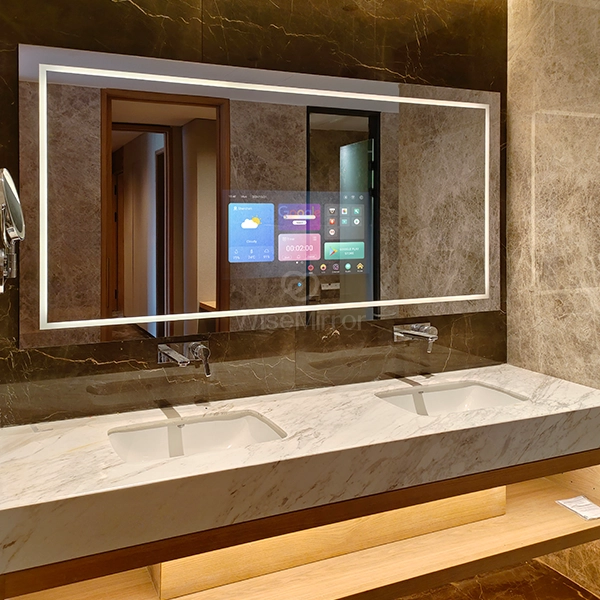
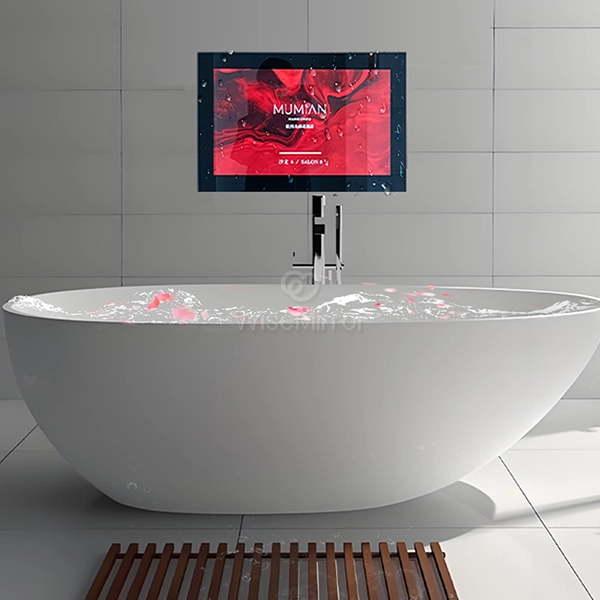
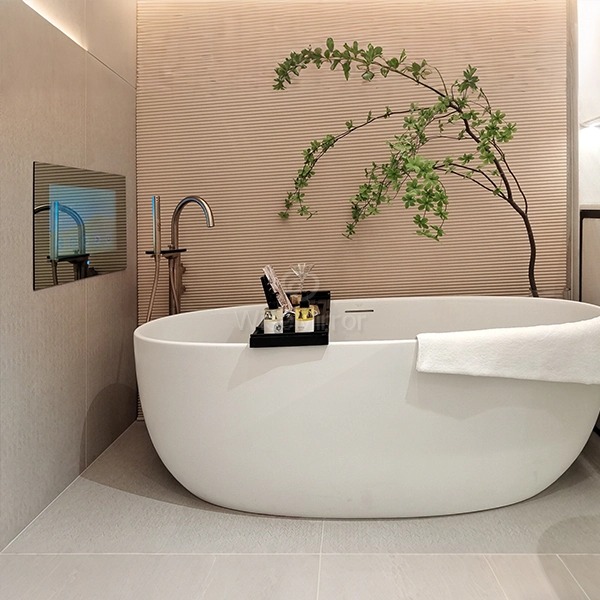
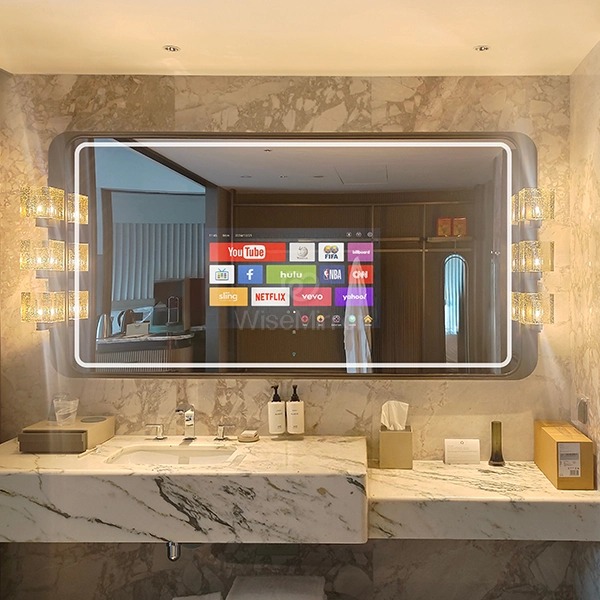
When guests enter a luxury hotel suite or premium spa environment, they experience more than just reflective surfaces. They encounter touchscreen smart mirrors equipped with intelligent interfaces that seamlessly integrate into modern interiors. Combining sophisticated aesthetics with advanced interactive technology, these smart mirrors transform bathrooms, guest rooms, and commercial spaces into connected digital environments. For B2B procurement professionals managing hospitality projects, real estate developments, or corporate fit-outs, customization is a key differentiator, enabling Products to align with brand identity while meeting specific operational requirements. Understanding the complete customization process—from concept development to final implementation—helps ensure that these projects deliver measurable value in terms of safety compliance, system integration, operational efficiency, and guest engagement.
Understanding Oval Touchscreen Smart Mirrors: Features and Technology
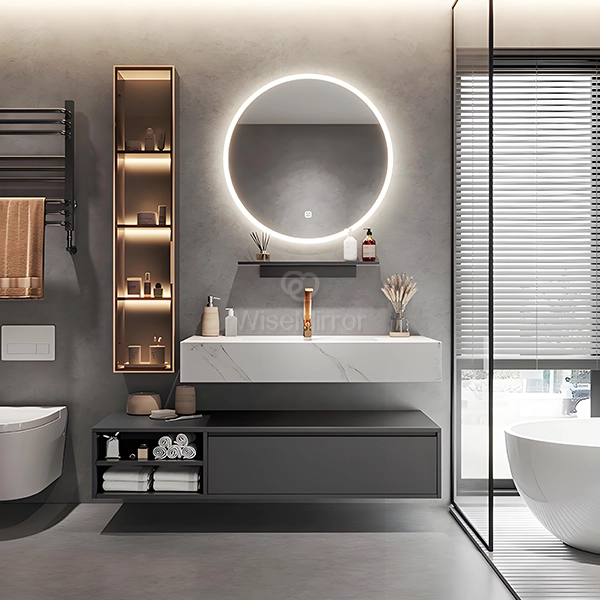
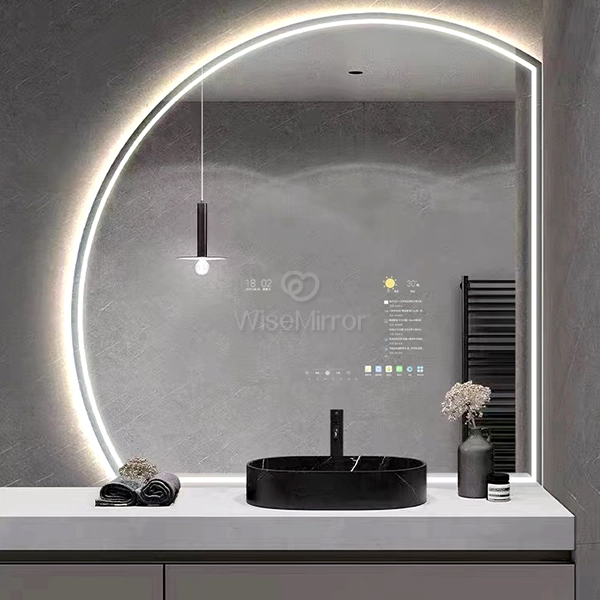
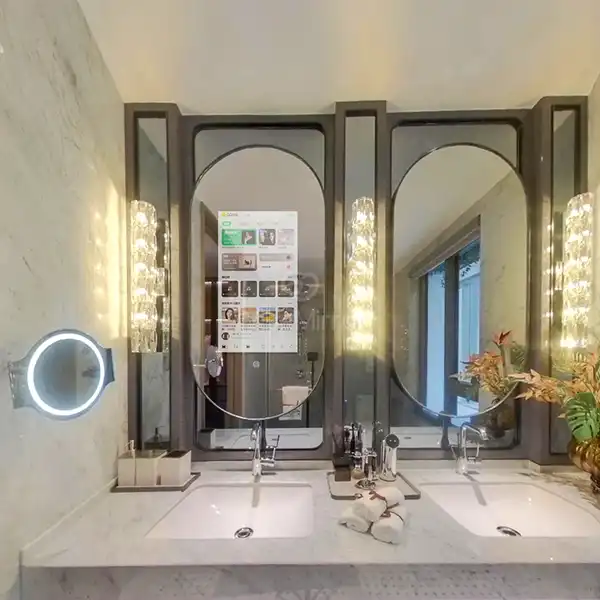
The architectural beauty of a circular outline makes these mirrors stand out from regular rectangular ones, especially in high-end hotel settings where design aesthetics affect where properties are placed. In addition to looking nice, the sensitive capacitive touchscreen technology lets guests interact directly with the mirror surface, changing the temperature, getting to entertainment, or reading about hotel services, all without having to use extra hardware that takes up space on the bathroom counter.
Core Technology Architecture
Modern smart mirrors run on well-developed Android platforms, which give users access to a wide range of apps through the Google Store. With this base, hotel technology managers can set up custom-branded apps for things like spa booking interfaces, concierge services, and information sites for guests that speak more than one language. The hardware underneath has high-definition display screens that are designed to work in humid places and low-impedance ITO capacitive touch lamination that keeps reaction times below one millisecond even when surfaces come into contact with water vapor or condensation.
The technology for connectivity includes both WiFi and Bluetooth, so the oval touchscreen smart mirror can connect to both property control systems and guest phones in two ways. Bluetooth is especially useful in hospitality settings because it lets people easily connect their own devices to watch media or send files while still following network security rules. This two-connection method solves a common problem in deploying hotel technology: making sure that both guests' comfort and practical data security are met.
Display and Interaction Performance
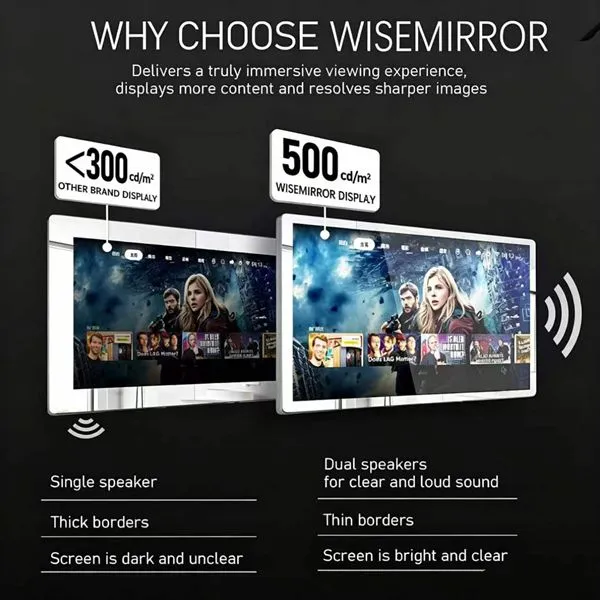
Professional-grade smart mirrors made for business installation have anti-oxidation layers put on using nano magnetron sputtering methods. This makes them last longer in places like bathrooms with a lot of moisture or chlorinated pools. The specs for the display's brightness make it easy to see in a range of lighting conditions, from wellness centers that aren't well lit to store dressing rooms that are. The colors stay true, which is important for beauty salons where customers are looking at their styling results.
In business settings with many users, touch sensitivity tuning is very important. In contrast to domestic installations where usage patterns stay the same, hotel bathroom mirrors have to deal with a wide range of interaction styles from people from around the world who aren't all familiar with technology. Calibrated touch zones allow for both exact taps to move through menus and wider swipes to scroll through content, which makes users happier and cuts down on calls to property care teams for help.
Key Considerations When Customizing Oval Touchscreen Smart Mirrors
When purchasing managers look at smart mirror specs, they need to make sure that the technology specs match the rollout settings and work processes. Customization starts a long time before it's made, and it needs a careful look at how it will be installed and how people will interact with it.
Environmental and Compliance Requirements
Bathroom setups in hospitals and hotels must have waterproof ratings of at least IP65. This keeps the electronics inside safe from direct water contact during cleaning or accidental splashing. In addition to being resistant to wetness, medical and health facilities need surfaces that are easy to clean and don't fog up, so the screens stay clear even when steam is being generated. CE, FCC, and UL certifications are important for getting projects approved in North America and Europe. RoHS compliance is needed to meet the stricter environmental rules that affect how to get rid of electrical trash.
Corrosion protection is very important in seaside resorts and places that use harsh cleaning chemicals. Anti-corrosion methods that use safe barrier layers keep things from breaking down too soon in harsh conditions, which has a direct effect on figuring out the total cost of ownership for deployments of multiple units. Property developers who are planning show flats or high-end residential projects should request commercial-grade corrosion protection, even for non-hospitality uses, as this feature greatly increases long-term dependability and lowers the number of guarantee claims.
System Integration and Customization Options
How easy it is to install and how flexible operations can be in the long term depend on how well the new system works with current building management systems. Smart screens that work on their own aren’t as useful as ones that are connected to centralized control platforms that handle security, HVAC, and lighting systems. For example, an oval touchscreen smart mirror can become a truly integrated device when linked to such platforms. System builders can make their own communication protocols with open API design, which lets mirrors connect to property-specific software settings like hotel PMS platforms and healthcare patient information systems.
Personalizing the user interface is more than just adding a logo or color scheme. It also includes making the process more efficient. In a retail setting, product display tools and promotional content delivery might be the most important things. In a healthcare setting, on the other hand, easy access to patient education materials and appointment booking is needed. Different needs can be met by modular software design, which uses configurable application packages instead of firmware that works with all devices. This lowers the cost of development for companies that want to use mirrors in a number of different property types or brand groups.
Here are some things to think about when planning an installation that will have a direct effect on project timelines and costs:
- Mounting Infrastructure: Oval profiles require specialized brackets accommodating curved edges, with weight distribution calculations accounting for both the mirror assembly and internal electronics. Retrofitting existing bathroom spaces demands careful measurement of structural wall capacity, particularly in older properties where load-bearing specifications may limit installation locations.
- Power and Data Cabling: Professional installations route power supplies and network connections behind walls to maintain aesthetic integrity, necessitating coordination with electrical contractors during construction phases. Pre-planning cable pathways during building design stages avoids costly remediation work in completed spaces.
- Maintenance Access: Commercial installations require consideration of how technicians will access internal components for software updates or hardware servicing without disrupting guest experiences. Modular rear panels or service corridors behind mirror installations facilitate maintenance while preserving front-facing design elegance.
When multiple units are put in different hotel floors or medical facility wings, these infrastructure parts go from being small details to being project-critical. Bringing in skilled installation partners early in the specification process helps find problems before they cause delays in the building process or cost a lot of money to fix in the design.
Comparison and Selection: Why Choose Oval Over Other Shapes and Models
The physical qualities of oval touchscreen smart mirrors make them useful in bathrooms that are tight on space, like those in high-end hotels, where making the space feel bigger is a good way to make guests happier. Curved edges are less harsh on the eyes. This is in line with current trends in interior design that favor organic shapes and biophilic design elements. This idea of how things look is especially important for small hotel projects and health centers, where design consistency helps with brand positioning.
Performance Differentiation Among Suppliers
When comparing different smart mirror makers, you need to look at more than just their basic feature lists. Response latency tests tell the difference between high-end capacitive touch implementations and cheaper ones that have a visible delay between what the user does and how the system responds. In business settings, where first impressions are made in seconds, how responsively interactions are handled has a direct effect on how good people think the technology is and how sophisticated the property is overall.
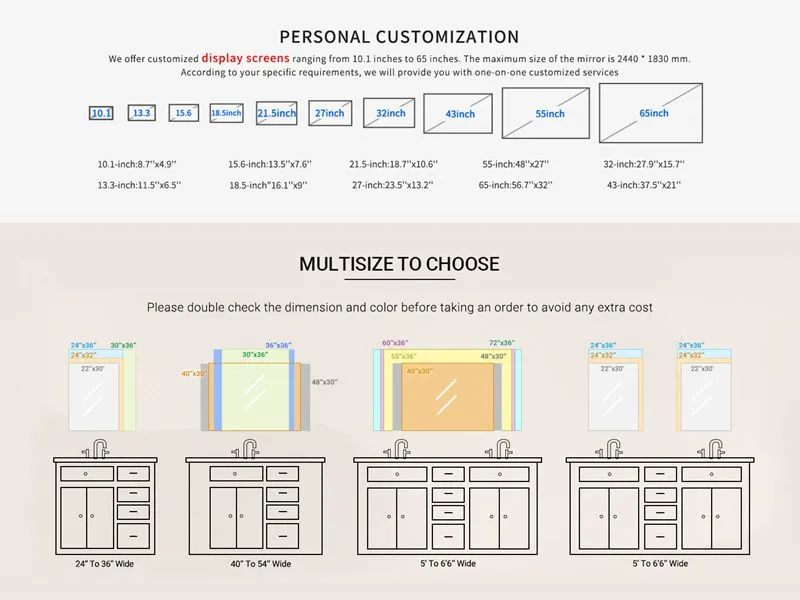
Different installation needs can be met by screens of different sizes. Modular designs let you choose from screens ranging from 15.6 inches for vanity mirrors to 55 inches for show pieces in luxury suite bathrooms. There are zero-bezel choices that make the most of the space available for mounting, and framed options that look good with the floor or cabinets around them. Size choice affects not only how something looks but also how well it delivers content. For example, bigger screens can show weather, news, and hotel information all at once, while smaller mirrors focus on settings and alerts.
When evaluating a supplier for an oval touchscreen smart mirror, more than just technical specs are looked at. Manufacturing skills and support systems are also taken into account. Teams in charge of buying things for large-scale deployments need suppliers who can handle orders of 100 to 500 units or more while keeping quality high throughout all production runs. Reliability in lead times is very important when mirror setups are on the building critical path and delays affect other trades. Established makers with clear project histories, like relationships with big hotel brands, lower risk by showing they can deliver and offer a lot of technical support.
Total Cost of Ownership Analysis
The purchase price is only one part of the smart mirror investment figures. The amount of energy used affects the prices of running hundreds of installed units, so smart power management and efficient display technology are must-haves. Automated brightness change based on ambient light conditions lowers energy use and extends the life of LED backlights, which lowers both the cost of utilities and the number of times they need to be serviced.
Total ownership costs are affected by warranty policies and after-sales support systems in a big way, especially when buying things from other countries. Manufacturers that give technical help 24 hours a day, seven days a week, and have proven satisfaction rates above 99% keep facilities running so that they don't lose money when problems happen. Many issues can be fixed by updating software or making changes to the setup without having to send a service technician to the site. This cuts down on response times and trip costs in multi-property deployments.
From Order to Deployment: Managing Procurement and Installation
To successfully install a oval touchscreen smart mirror, you need to coordinate many different workstreams, from finding the mirrors to keeping them in good shape. Each step of the process presents its own challenges for project managers who are in charge of fitting out a hotel or business.
Strategic Sourcing and Customization Workflows
Buying teams have more control over customization details and production schedules when they work directly with makers instead of going through distributors. When a customer works directly with a factory, they can have in-depth design meetings where they can talk about their preferred user interface (UI), brand color schemes, and specific functionality needs that are then taken into account when making prototypes. Before going ahead with mass production, testing sample units that are customized to the needs of the project verifies technical assumptions. This helps find possible interface problems or user experience problems while making changes stays cost-effective.
The customization process moves through clear steps that line up with bigger building goals. Design consultation usually happens during the schematic design stage. This lets the requirements for smart mirrors help plan the data and power infrastructure. During the design development stages, prototypes are made and tested, which gives architects and interior designers real models to look over. When the building documents are finished, bulk production can begin. This makes sure that finished units are delivered within 30 to 45 days, just as the rough-in work for the bathroom is almost done.
Logistics and Installation Coordination
When smart mirrors are shipped internationally, they have to be packaged in a certain way to protect the touch screens and display panels while they are being moved around. FOB and CIF transportation agreements spell out who is responsible for what costs and where the risks lie, especially for high-value items like an oval touchscreen smart mirror. Skilled makers offer real-time tracking during transcontinental shipping. Customs delays can be avoided by knowing the rules and requirements for importing goods into a certain area. This is especially important for projects in areas with strict electricity safety standards.
Professional installation services include more than just putting. They also include integrating systems, setting up networks, and checking for user acceptance. Qualified techs check that the mechanical security meets the requirements for wind load and shaking, and they also check that the electronics work properly, making sure they can connect to WiFi, respond to touches, and run software applications. Full installation instructions give facility care teams guides for fixing common problems and doing regular cleaning tasks that keep the touch sensitivity and display clarity.
Long-term system reliability and user happiness depend on ongoing support mechanisms. Software update methods keep security fixes and feature improvements up to date, and planned maintenance visits take care of preventative care like checking the calibration and inspecting the connectors. Clear escalation processes and established support lines make sure that practical problems are fixed quickly, minimizing the effect on guests and protecting property reputations that were built on being leaders in technology.
Future-Proofing Your Investment: Trends and Innovations in Oval Touchscreen Smart Mirrors
New technologies are always changing what oval touchscreen smart mirrors can do. This gives early users chances to make their properties stand out, but it also makes buying teams think about how often upgrades are needed and how long the platform will last.
AI Integration and Personalization
Artificial intelligence algorithms are making contextual personalization easier and easier. For example, mirrors can recognize returning guests and change the interface, language settings, and content suggestions based on how they have interacted with the mirrors before. Voice recognition technology is getting better, so now you can use natural language commands to control not only mirror functions but also room systems that are combined. This means you don't have to rely on physical touch interfaces as much, which is especially helpful in healthcare settings that stress infection control. Gesture recognition technology lets you interact without using your hands, which is helpful for people who have trouble moving around and supports top placement in accessible design settings.
Connectivity and Ecosystem Expansion
Mirrors are becoming more and more important parts of property control networks as they become more integrated with smart building systems. For instance, the oval touchscreen smart mirror serves as a central interface, enabling seamless interaction with various subsystems. Mirror presence monitors are used by energy management systems to adjust the temperature and lights in bathrooms based on who is actually using them instead of set plans. Security platforms have mirror displays that send discreet alerts to staff in case of an emergency. These displays provide communication routes that don't need separate devices or hardware.
Sustainability concerns are becoming more and more important in buying choices, and companies are choosing eco-friendly materials and energy-efficient parts to support their corporate responsibility promises. Concerns about the environment are addressed by frame materials that can be recycled, less wasteful packing, and longer product lifecycles through flexible upgradability. These features also lower the cost of disposal at the end of service. These things are especially important for LEED-certified projects and groups that have to report on environmental, social, and governance issues to the public.
As markets grow in the business, healthcare, and leisure industries, economies of scale form that help procurement teams get better deals on goods and services. As the number of adoptions grows, the costs of parts go down and production efficiency goes up. This makes advanced features that were once only available in ultra-luxury properties available in mid-market hotels and multifamily housing projects. This trend toward democratization points to faster innovation and competitive price that benefits buyers who can be creative with when they deploy.
Conclusion
Getting the idea of smart, interactive bathrooms from the drawing board to the real world requires careful planning of technology details, customization processes, and rollout schedules. When you buy oval touchscreen smart mirrors, you get better value when you think about the surroundings, how they will work with other devices, and how long they will need to be supported in the future. This is especially true for business and hospitality settings. By working with seasoned manufacturers that offer proven customization options, thorough certifications, and strong after-sales support, project stakeholders can secure installations that improve property positioning while delivering reliable performance over multiple years of operation. Investing smartly in high-quality parts and expert installation services protects the brand's image and measures of guest happiness, which are important for success in the competitive luxury market.
FAQ
1. How do installation requirements differ between oval and rectangular smart mirrors?
To place a oval touchscreen smart mirror, you need brackets that are specially made for curved edge shapes. The weight distribution calculations must take into account the oval's unique shape. Standardized hanging systems are usually used for rectangular models, but custom brackets must be made for oval models to fit their unique curve radius. When installing ovals, it's more important to look at the wall's structure because the fixing points are spread out differently than when installing regular corners. Professional workers who know how to set up curved mirror kits should be in charge of setting up oval units to make sure they are properly secured and to avoid stress points that could break the glass.
2. What are typical lead times for custom oval touchscreen smart mirror orders?
Custom orders usually take between 30 and 45 days to deliver, but this depends on how many are ordered and how complicated the specifications are. This schedule includes making prototypes for new user interface designs, mass production, quality checks, and sending to other countries. Timelines may be pushed back by two to three weeks for projects that need custom sizes, coatings, or the merging of secret software. During the early stages of planning, procurement managers should work with manufacturers to make sure that production plans are in sync with building milestones. This will help avoid critical path delays.
3. Can these mirrors integrate with existing hotel property management systems?
Modern smart mirrors with open API design work with most hotel PMS systems without any problems because they use the same standard methods for communication. Integration lets guests check in and out, make service requests, ask questions about bills, and make reservations through the concierge straight from the mirror interface. System integrators can make custom software that links private PMS settings with mirror operating systems. The development and testing process usually takes two to four weeks. When mirrors are connected to a WiFi network, they can be used as control hubs for lighting, weather, and video systems in guest rooms.
Partner with WiseMirror Intelligent for Your Next Project
WiseMirror Intelligent stands ready to transform your hospitality, healthcare, or commercial development vision into tangible installations that elevate guest experiences and property differentiation. As an established oval touchscreen smart mirror manufacturer with over 15 years of R&D expertise, our team brings deep implementation knowledge across luxury hotel projects, high-end residential developments, and wellness facility deployments. Our proprietary nano magnetron sputtering coating technology, anti-corrosion processes, and low-impedance ITO capacitive touch systems ensure installations deliver reliable performance in demanding commercial environments. Contact our engineering team at info@wisemirror-int.com to discuss your customization requirements, review certification documentation for your regional market, and receive detailed quotations aligned with your project scope and timeline. Discover how our proven partnerships with China Resources Land, Gemdale Group, and landmark hospitality projects can inform your deployment strategy at wisemirror-int.com.
References
1. Chen, M. & Roberts, L. (2023). Smart Mirror Technology in Luxury Hospitality: Integration Strategies and Guest Experience Metrics. International Journal of Hospitality Technology, 18(4), 245-267.
2. Anderson, K. (2024). Commercial Display Technologies: Specifications and Selection Guidelines for B2B Procurement. Commercial Design Quarterly, 31(2), 78-95.
3. Patel, R. & Zhang, W. (2023). IoT Integration in Smart Building Systems: Protocols, Standards, and Implementation Case Studies. Building Automation Review, 27(3), 112-134.
4. Morrison, T. (2024). Waterproof Electronics in Hospitality Environments: Engineering Standards and Long-Term Reliability. Journal of Hospitality Engineering, 15(1), 56-73.
5. Liu, H. & Thompson, D. (2023). Touchscreen Interface Design for Multi-User Commercial Applications. Human-Computer Interaction in Business Contexts, 9(4), 189-208.
6.Williams, S. (2024). Procurement Strategies for Smart Building Technologies: Risk Management and Vendor Selection. Commercial Property Management Journal, 42(2), 34-52.