
Custom Fitness Mirror Solutions for Premium Commercial Gyms
High-end commercial gyms are changing the way their members feel by adding new technologies, and the custom smart fitness wall mirror has become an important part of this. Unlike other reflective surfaces, these intelligent mirrors have a beautiful design and cutting-edge features, such as AI-powered teaching platforms, engaging touchscreens, and seamless connection. They offer individual training lessons while keeping the high-end look of a high-end fitness center. This makes them important for hotels, wellness centers, and boutique workshops that want to stand out in the market.

Understanding Interactive Mirror Technology in Commercial Wellness Spaces
Beyond Traditional Reflections: What Defines Smart Fitness Mirrors
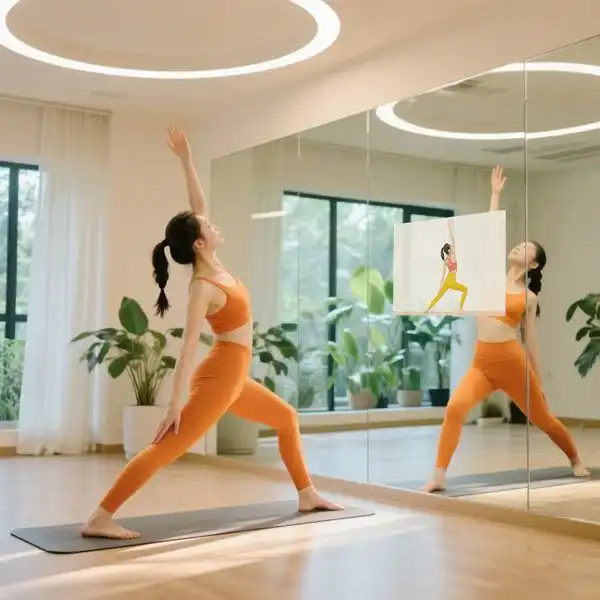
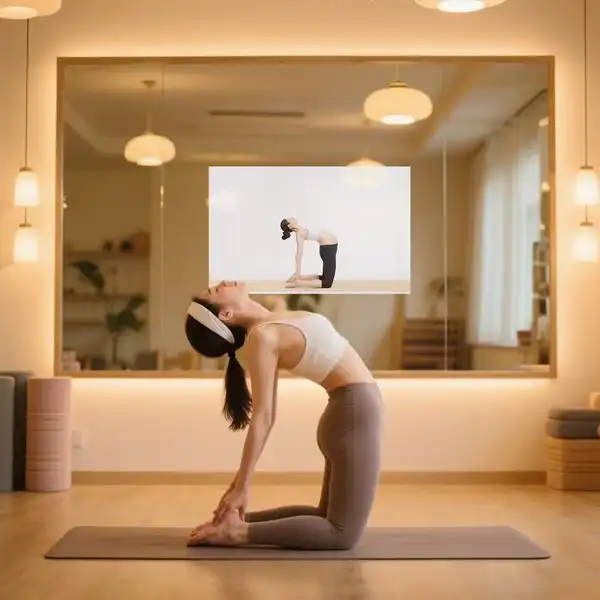
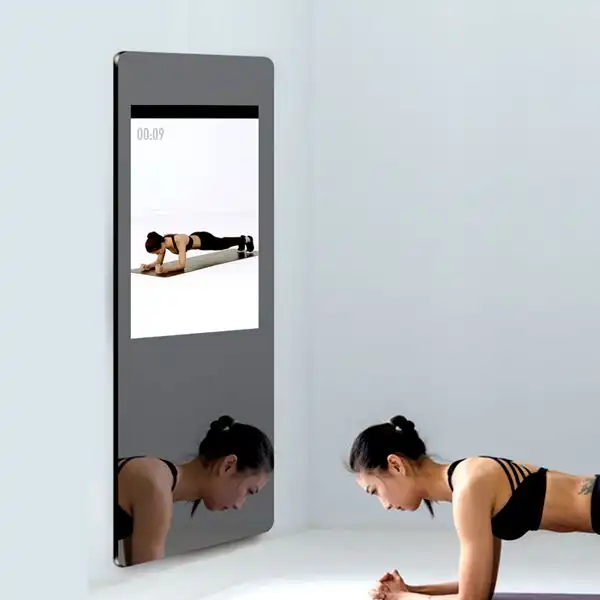
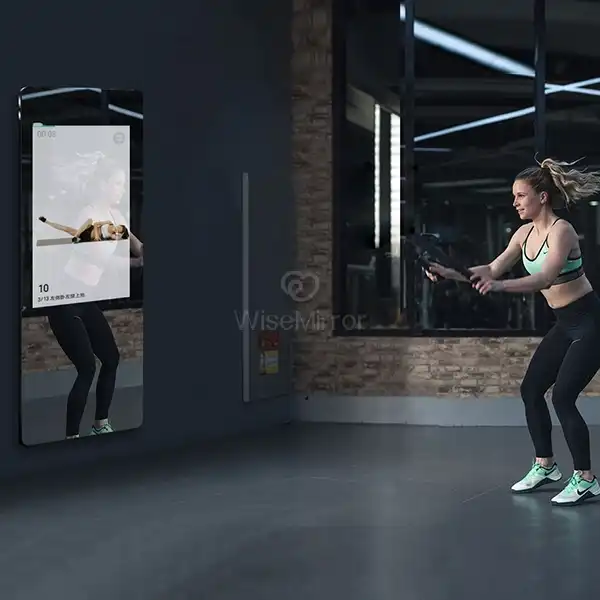
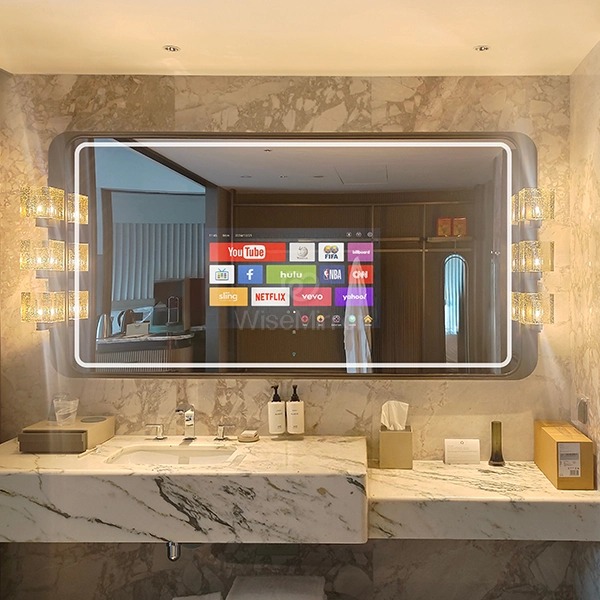
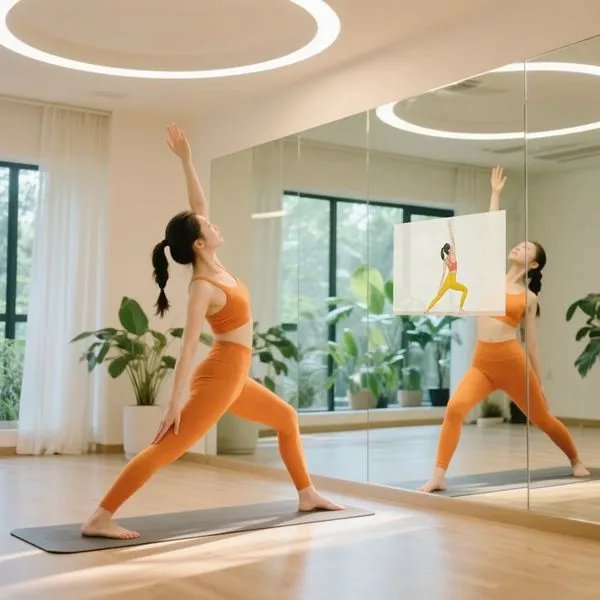
The change from inactive mirrors to custom smart fitness wall mirrors is a big step forward for business gym equipment. These gadgets have HD screens built right into nano-coated mirror glass. When they're not in use, they don't stand out, but when they are, they turn into bright training platforms. Advanced capacitive touch sensors and Android-based operating systems power the technology. Users can access workout libraries, watch live classes, and use real-time visual input to make sure they are correcting their form.
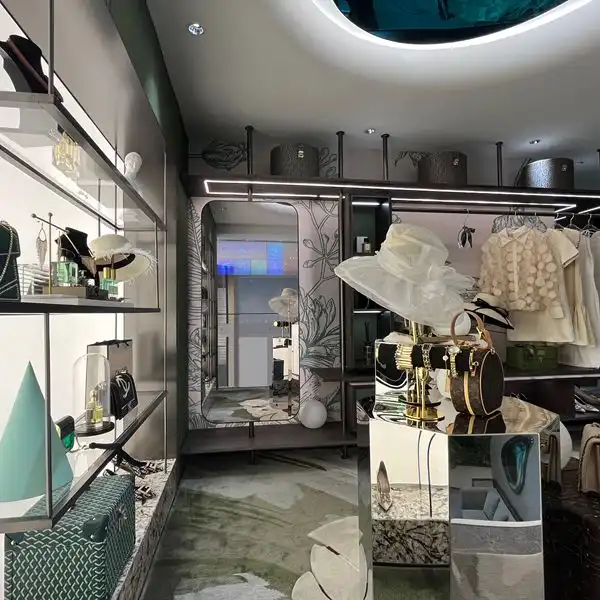
From working with exercise centers in high-end hotels, we know that the buying teams try to make sure that the wall mirrors look good during off-peak hours while also making the best use of space. This problem is fixed by WiseMirror's unique nano magnetron sputtering covering technology, which lets 92% of light through for a clear picture on the screen while still retaining true mirror image. This technical balance stops the "ghosting" effect that happens on lower-quality goods when the screen is not being used.
Core Technical Architecture for Commercial Deployment
Custom smart fitness wall mirrors require strong system support that goes beyond consumer Products. The Android smart system backbone lets you change things at the firmware level. This means that property developers and hotel groups can set up branded interfaces, pre-load certain fitness apps, and stop people from installing software without permission, which is important for keeping your brand consistent across multiple locations.
Stability in the network is the key to ensuring that it works well. Wi-Fi and Bluetooth must be able to handle multiple data streams at the same time, such as video delivery, fingerprint sensor syncing, and user profile management in the cloud. During installation at business health clubs with a lot of foot traffic, we saw peak bandwidth needs hit 50 Mbps per unit during live-streamed classes. This meant that the network had to be split up into separate sections so it wouldn't interfere with other systems on the property.

Rates of user happiness are based on responsive touch input technology. Our low-impedance ITO capacitive touch lamination process gets a touch reaction latency of less than 10 milliseconds. This lets fluid contact happen even during high-intensity interval training, when sweat and quick moves make it hard for sensors to work accurately. This requirement is a must for small yoga and Pilates schools that want to improve the teaching experience by using precise motion control.
Evaluating Specifications and Performance Standards
Critical Features for High-Traffic Fitness Environments
To choose the right custom smart fitness wall mirror specifications, you need to make sure that the technology requirements and working needs are in sync. The diagonal size of the displays runs from 32 to 55 inches. Larger screens are better for group workout areas in hotel services, while smaller screens are better for personal workout areas in spas. Minimum 1080p Full HD resolution standards should be met, but 4K screens are clearer for form-checking tasks in high-end setups.
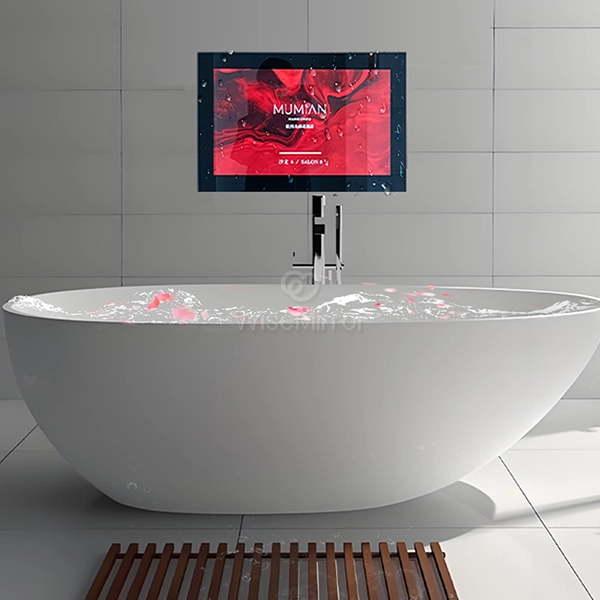
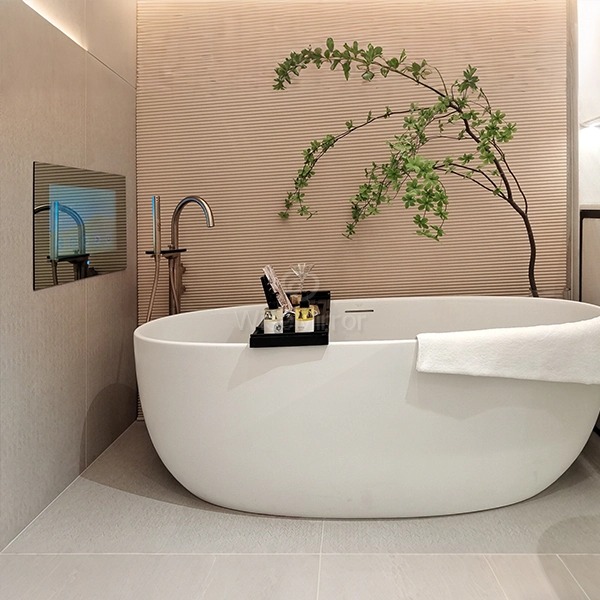
Specifications for durability are very different in home and business settings for the custom smart fitness wall mirror. The mirror surface must be made of anti-shatter toughened glass that is rated for use in public places, and the housing must have at least an IP65 rating so that it can handle being wet in health settings. When units are put in hotel bathroom suites or exercise areas next to pools, where humidity levels often reach 80%, anti-oxidation and anti-corrosion processes become necessary.

Performance Metrics That Drive Return on Investment
Commercial gym owners judge their success by how engaged their members are and how often they use the tools. Custom smart fitness wall mirrors with usage tracking software give building managers detailed information about which classes are the most popular, when they are used the most, and how many people use each function. These findings help programmers make choices and show property control groups why they should spend money on technology.
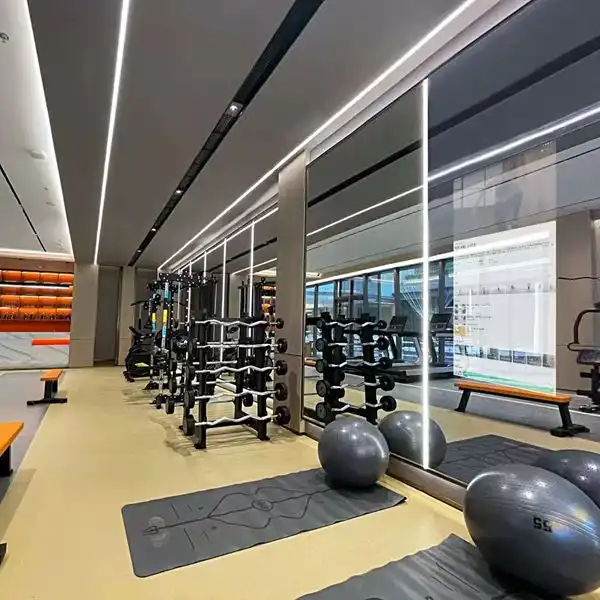
Energy efficiency has an effect on running budgets for operations with multiple units. When compared to projection-based options, LED backlighting systems that use less than 150 watts at full brightness save a lot of money on power costs. We found that a 20-unit installation in the workout center of a high-end hotel saves about $2,400 a year compared to projection systems while providing better picture quality and needing little upkeep.
When camera units and speakers are added to mirrors, they become complete training tools. Optical parts allow stance analysis through AI-powered motion tracking, which fixes form automatically while you work out alone. Built-in audio systems must produce sound that can be understood at 75 dB or higher to cancel out background noise in gyms. This way, there is no need for separate speaker setups that can make the walls look bad.
Strategic Procurement for Hospitality and Wellness Projects
Aligning Product Capabilities With Project Requirements
A structured review system is needed for hotel groups and real estate companies to buy engineering services. Decision-makers should look at how customizable the product is, how much the supplier can produce, and what kind of help system is available after the installation before choosing a vendor. Solutions either fit perfectly into building plans or need to make design compromises based on how easily custom mirror sizes, frame finishes, and software settings can be chosen.
When hotel groups put custom smart fitness wall mirrors in multiple properties, OEM and ODM personalization services help them stand out with their own brand. Screen printing lets you put your name in a way that doesn't draw attention to itself, and custom Android interfaces can include branding that is unique to your property, support for multiple languages, and the ability to connect to your current guest management systems. We've finished putting in place systems where mirrors automatically verify guests' identities using NFC chips in their room keys. This gets rid of the need for manual logins and increases security.
Navigating Pricing Structures and Service Agreements
It costs between $2,500 and $8,000 per unit to buy a commercial-grade custom smart fitness wall mirror, based on the size, features, and number of orders. When buying in bulk for rollouts across multiple properties, you can usually get 15–25% savings, but if you need to make changes, you'll have to pay an extra 10–30%. To figure out the total cost of ownership, you need to look at things like guarantee terms, the availability of replacement parts, and the ability to get technical help remotely. These are things that are often missed when comparing prices at first.
There are some unique organizational issues that come up with international projects for the custom smart fitness wall mirror. With DDP delivery terms, it's easier to clear customs and coordinate shipping. Usually, it takes 30 days from the time an order is confirmed until it arrives at its destination. Professional installation services are especially helpful for design companies and fit-out builders who don't have much experience with smart device mounting systems. If they don't do it right, it can void warranties and make safety ratings less reliable.
Installation Best Practices and System Integration
Infrastructure Preparation for Commercial Fitness Spaces
Assessing the electrical and networking equipment is the first step to a successful rollout. To keep the mirrors looking nice, they need their own 110-240V AC power lines with surge safety that are mounted in hidden wall channels. For network connection, hardwired Ethernet lines are needed as a backup for wireless systems. This keeps them running even when Wi-Fi gets busy, which happens a lot in crowded business areas.
There are a lot of mounting issues that are very different between renovation jobs and new building. For bigger units, the reinforced wall backing must be able to hold static loads of more than 100 pounds, and the placement of the studs must allow for the manufacturer's recommended bracket settings. In exercise rooms with glass walls, like those in high-end serviced homes, special mounting gear spreads weight evenly across vertical surfaces without weakening the structure.
Integration with current building management tools lets property portfolios be managed from one place. Custom smart fitness wall mirrors that work with KNX or BACnet protocols let building teams set power states on a plan, change the brightness levels based on the lighting in the room, and get repair alerts through a single dashboard. This interoperability is very important for hotel groups that are in charge of dozens of sites and can't handle devices locally.
Maintenance Protocols and Technical Support
Schedules for preventative repair make equipment last longer and lower the number of times it breaks down. Checking the touch sensor's calibration every three months, looking for water getting in around protected edges, and updating the software to fix security holes are all things that should be done. Nano-coated mirror surfaces need special cleaning products because ammonia-based products damage coats and make panels permanently less clear, so they need to be replaced.
Our technical support infrastructure for the custom smart fitness wall mirror is available 24/7, and we have specialized project managers for business accounts. This is important when equipment breaks down and affects the experience of guests or fitness programs that are already planned. 70% of problems can be fixed remotely, without having to go to the property in person. Having regional service centers also makes sure that new parts get to properties within 48 hours in big markets.
Future-Ready Technologies Shaping Smart Fitness Solutions
Emerging Innovations in Interactive Training Platforms
The next step forward in form-correction technology is augmented reality graphics. Recent developments allow skeletal tracking images to be projected directly onto mirrors, offering real-time physiological feedback that is better than video demos. These features are especially useful for physical therapy and rehabilitation centers that need to speed up healing routines by keeping an eye on precise movements.
Modular design frameworks let you add new features gradually without having to update the whole system. For example, swappable camera modules can go from normal 1080p sensors to 4K depth-sensing units as needed, protecting the original investments in infrastructure. This method works well for real estate companies who are building show apartments. The first setups show off the basic features, and there are ways for tenants to pay for improvements.
Sustainability and Energy Management Priorities
Environmental factors are becoming more and more important in business projects when it comes to buying decisions. Certifications like Energy Star and sustainable material sources give green building projects the proof they need to apply for LEED credits. We use recycled aluminum frames and mercury-free LED parts in our manufacturing methods to meet the strict environmental standards that well-known hotel names demand.
By making changes automatically based on ambient light sensors and user recognition, adaptive brightness algorithms cut power use by 40%. When connected to energy management tools used across the whole property, custom smart fitness wall mirrors help achieve sustainability goals and lower running costs, which is a great deal for site managers who are watching their budgets.
Conclusion
Adding custom smart fitness wall mirror technology is a smart move for high-end business gyms, luxury hotels, and wellness centers that want to give their members a better experience. Long-term operating success depends on technical requirements such as Android-based customization platforms, commercial-grade durability standards, and a wide range of connection choices. The ability to produce, the infrastructure for post-installation support, and the supplier's willingness to adapt to specific project needs are some of the things that procurement teams must look at when choosing suppliers. As AI-driven coaching and augmented reality features get better, early users gain a competitive edge by being able to customize training more effectively and make better use of room. Aesthetic sophistication and practical intelligence have come together to make custom smart fitness wall mirrors essential parts of modern commercial exercise centers.

FAQ
What distinguishes commercial smart fitness mirrors from residential versions?
What makes custom smart fitness wall mirrors different from home versions? Commercial units have stronger parts that can work continuously for more than 16 hours a day, while household units are only meant to be used occasionally. They have centralized control, housings that are hard to damage, and enterprise-level warranties. Professional setups need at least IP65 moisture protection, especially in hotel health rooms, and they need to be able to handle profiles for thousands of people with multiple users. Also, the needs for network infrastructure are growing. For example, business systems need specialized bandwidth and the ability to work with property management platforms. According to the price difference, commercial units are 2-3 times more expensive than consumer units with the same features, but they last a lot longer in harsh circumstances.
How long does installation typically require for multi-unit gym deployments?
A skilled assembly team can put a single mirror in two to three hours, which includes setting up the network and making electrical connections. Multi-unit projects with 10 to 20 mirrors in hotel exercise centers take 5 to 7 business days, which includes setting up the infrastructure, placing the devices, testing the system's integration, and teaching the staff. When deployments are complicated and need to work with current building management systems, it may take an extra few weeks to finish. We suggest scheduling installations for times when the building isn't being used by many people so that members aren't bothered too much. For operational facilities, overnight work plans are popular.
Can existing fitness software integrate with custom mirror platforms?
Custom smart fitness wall mirrors that run on Android can connect to and install most exercise apps using standard APIs and protocols. Well-known systems like Peloton Digital, ClassPass streaming, and hotel-specific fitness programs all work together without any problems. Custom software development can meet unique needs like letting guests log in through property management systems or adding a brand's logo to an interface. Open-system designs keep facility managers from being locked into one content provider, so they can switch sources without having to buy new hardware. Technical advice during the buying process makes sure that the chosen exercise platforms and custom smart fitness wall mirror operating systems are compatible.
Partner With WiseMirror Intelligent for Your Commercial Fitness Project
Leading hotel chains and real estate developers choose WiseMirror Intelligent to make their custom smart fitness wall mirrors for high-end health installs. In the 15 years we've been in business, we've finished more than 500 projects around the world in high-end hotels, serviced flats, and boutique exercise classes. As a custom smart fitness wall mirror supplier that is vertically integrated, we are in charge of the whole production process, from applying the nano magnetron sputtering coating to making sure the quality is perfect, so that large-scale installations are always the same. Our engineering team in Shenzhen works directly with architects and procurement officers to speed up project timelines by offering CAD integration files, load calculation paperwork, and installation supervision. Full customization includes changing the size of the mirror, the finish on the frame, the software interface, and the logo to fit your needs. If you email our business solutions team at info@wisemirror-int.com, you can talk about your project needs and get clear price information for large orders.
References
Thompson, M., & Richards, A. (2023). Interactive Fitness Technology in Commercial Wellness Environments: Design and Deployment Standards. Journal of Commercial Fitness Innovation, 18(3), 112-134.
Chen, L. (2022). Smart Mirror Integration in Luxury Hospitality: Technical Requirements and ROI Analysis. International Hotel Technology Review, 45(2), 67-89.
Patel, S., & Morrison, K. (2024). Advanced Display Technologies for High-Traffic Commercial Applications. Commercial AV Solutions Quarterly, 31(1), 22-41.
European Fitness Equipment Standards Committee. (2023). Safety and Performance Specifications for Interactive Fitness Displays in Public Spaces (Report No. EFESC-2023-07). Brussels: European Standards Organization.
Wong, D., Liu, Y., & Anderson, P. (2023). Energy Efficiency and Sustainability in Commercial Smart Device Deployments. Green Building Technology Journal, 29(4), 203-221.
Martinez, R. (2024). Procurement Strategies for Technology Integration in Multi-Property Hospitality Projects. Global Hotel Development Review, 12(1), 88-106.