

Can Vanity Mirror TVs Be Repaired Easily?
Vanity mirror TVs can indeed be repaired, though the complexity depends on the specific issue and environmental factors. These sophisticated devices integrate high-definition displays behind reflective glass, creating unique repair challenges due to their waterproof construction and smart technology components. Professional assessment typically determines whether repairs are cost-effective compared to replacement, with most common issues involving moisture ingress, touch response problems, or software glitches being addressable through proper diagnostic procedures and specialized repair techniques.
Understanding Vanity Mirror TVs and Common Repair Issues
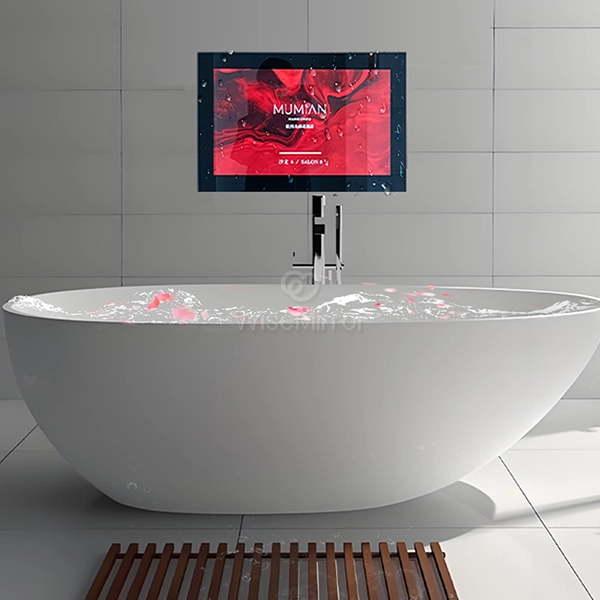
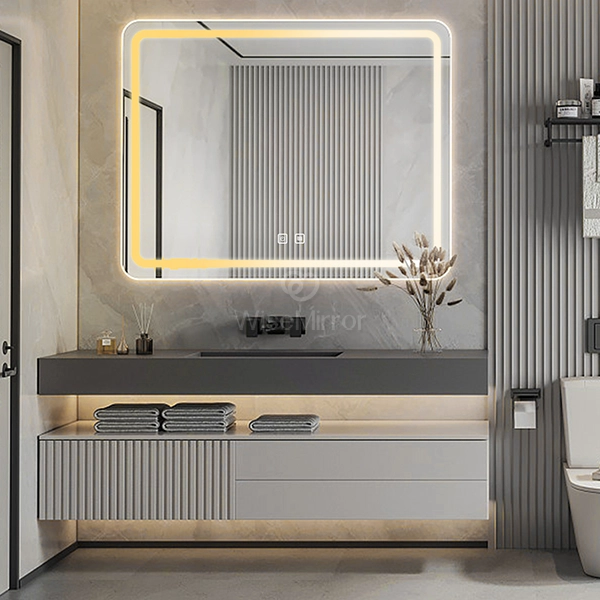
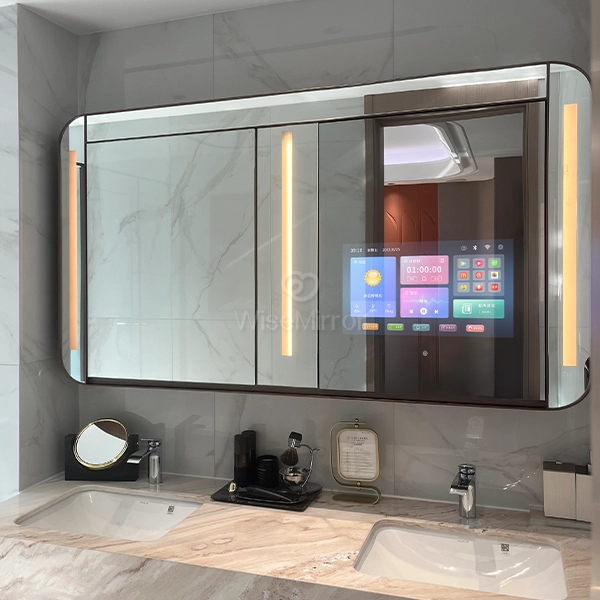
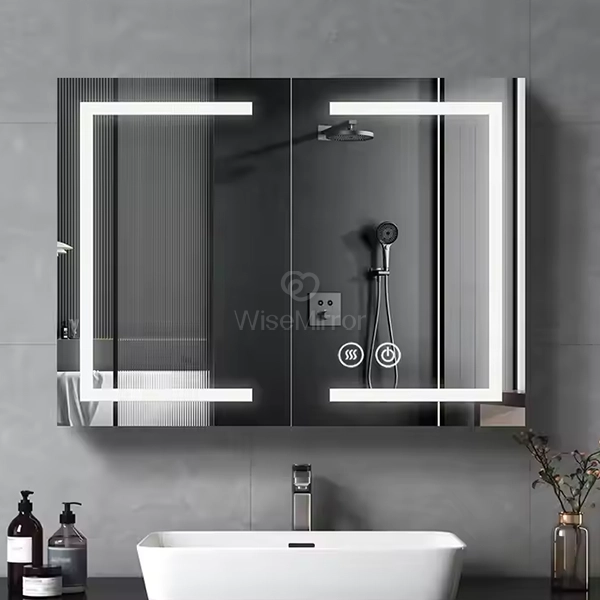
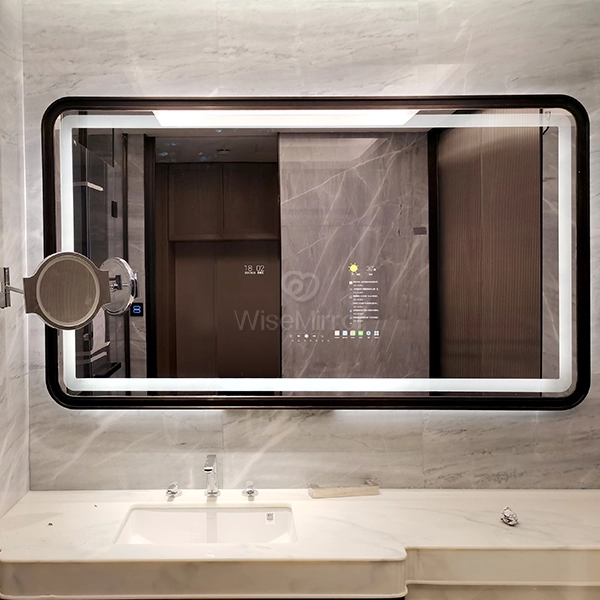
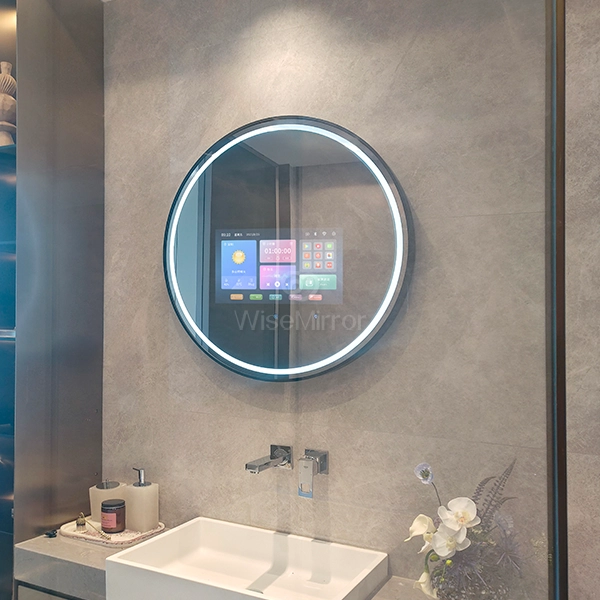
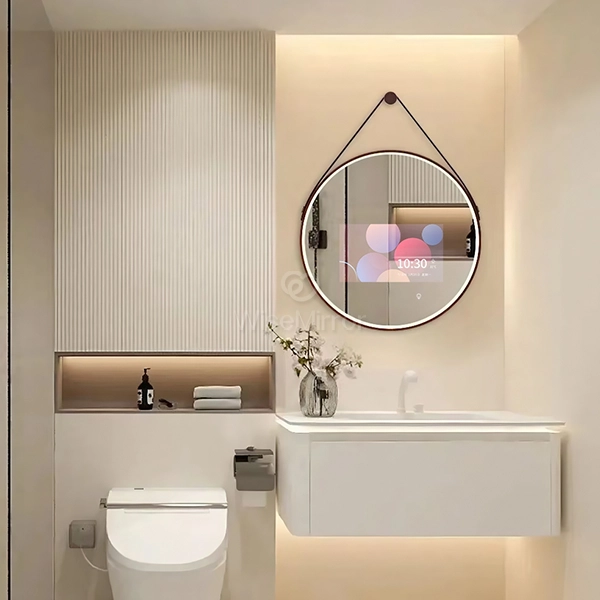
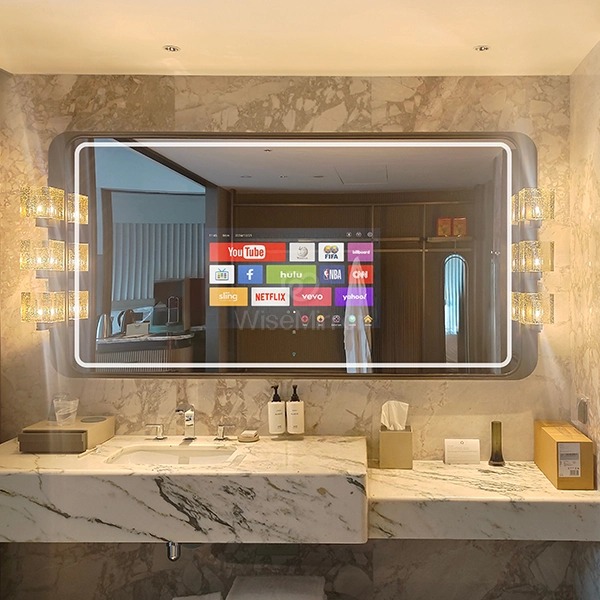
Vanity mirror TVs are a unique combination of traditional reflective surfaces and cutting-edge display technology. They are designed to work well in wet places like spas and high-end baths. With these cutting-edge devices, high-resolution screens are hidden behind specially treated glass, making an elegant solution that turns ordinary grooming areas into entertainment places that are linked.
Core Components and Technology Architecture
The modern smart mirror screens have many complicated parts that make them work and make them harder to fix if something goes wrong. Nano magnetron sputtering coating technology is the basis. This makes sure that the mirror is clear and that the display can be seen. Internal parts are protected from humid bathroom settings by anti-oxidation and anti-corrosion processes. Low-impedance ITO capacitive touch lamination technology lets you interact with the device even when it's hot.
The waterproof case, which is usually rated at IP65 or higher to handle direct water contact, is probably the most important part. Professional fill lights with settings that can be changed, such as natural light, warm white light, and cold white light, make the experience better for the user but make the electrical system more complicated. Users can download beauty and leisure apps thanks to smart features, which turns regular cleaning into an interesting multimedia experience.

Prevalent Repair Challenges in Commercial Environments
When things go wrong with repairs in hospitality and business settings, they are very different from repairs in homes. The most common problems are broken screens from drops or high temperatures, water getting in even though the device is supposed to be waterproof, power supply failures, and software problems that make the touch screen less sensitive or the app not work properly.
Problems caused by moisture often show up as a foggy screen, less sensitive touch controls, or the whole system stopping working. These problems usually happen because the seals wear down over time, especially in places that get a lot of use, like hotel rooms or spas. Power outages can happen because of electrical shocks, bad construction, or worn-out parts in systems that are always running.
Fixing software bugs is tricky because you need special monitoring tools and knowledge to make sure you don't damage the device's built-in features. When procurement teams know about these common failure types, they can better evaluate a vendor's support services and guarantee terms.
Diagnosing Repair Problems: A Systematic Deconstruction Approach
If your small vanity mirror TV display system is giving you trouble, you need to do a thorough study that includes both technology troubleshooting and a look around the area. Techs who work for companies use organized methods to get rid of doubts and find the reasons. This makes sure that plans to fix things are right and that issues don't happen again.
Symptom Identification and Environmental Analysis
The first step in the diagnosis process is to write down all of the symptoms, such as changes in mirror opacity or total display failures. The environment is very important when it comes to repairs because oxygen levels, temperature changes, and electrical stability all have a direct effect on how well the system works.
Technicians check the waterproofing's structure by looking at it visually and using tools to find moisture. They also check the seals and look for places where water could get in. During this phase, it's important that the parts can be put together in a flexible way. This makes diagnostics much easier and lets you fix specific problems without having to change the whole system.
As part of electrical diagnostics, power supplies are checked for safety, connections are made and checked, and touch response systems are evaluated. Technicians can figure out whether problems are caused by hardware failures or software conflicts by using advanced troubleshooting tools to find problems in the ITO capacitive touch layers.
Case Studies from Commercial Applications
Real-life examples of repairs show how useful structured diagnosis methods are. Recent problems with touch response were seen in several bathrooms of a high-end hotel company. Systematic research showed that cleaning product leftovers were interfering with capacitive touch layers, so they needed special cleaning methods instead of new hardware.
In a different case, multiple units in a high-end spa had displays that flickered. Diagnostic tests showed that shared electrical lines during busy usage times were to blame for power supply problems. The problem was fixed by upgrading the electricity infrastructure instead of fixing the devices. This shows how important it is to do a full environmental review.
These examples show how proper troubleshooting methods can tell the difference between problems with the device itself and problems with the installation. This lets you find cost-effective solutions that get to the root causes and stop them from happening again.

Comparing Repair Methods and Their Effectiveness
Fixing a TV in the bathroom needs special methods that take into account the room's features and the technology that's built in. When it comes to service these complex gadgets, standard methods often don't work, so you need advanced techniques and specialized knowledge.
Modern Repair Technologies and Methodologies
Modern ways of fixing things use flexible component replacement methods that cut down on downtime and guarantee long-term dependability. Advanced monitoring tools make it possible to precisely locate the problem, which cuts down on guessing and stops parts from being replaced that aren't needed. Firmware updates fix problems with software while keeping the system's functionality and the user's choices for customization safe.
For business uses, professional installation and approved repair services are clear benefits. Usually, these services come with:
- Full diagnostic tools and processes designed by the maker to make sure that problems are correctly identified
- The ability to get original parts, which ensures fit and keeps the guarantee valid during the repair process
- Environmental assessment experts who look at the conditions of installations and suggest ways to make them better to avoid problems in the future
- Integrated testing methods that make sure the whole system works, including smart features, protection, and touch response
These all-around fix options take into account the complicated way that hardware, software, and environmental factors interact in current smart mirror setups.
Cost-Effectiveness Analysis for Commercial Applications
Before judging repair methods, it's important to think about things that are important to the business, like how long the repairs will last, how much they will cost overall, and how long the business will be closed. Professional repairs usually have better long-term value because they fix the root of the problem instead of just masking the signs.
Authorized service providers who keep up with maker certifications and have access to proprietary repair methods are especially helpful for actions that affect warranties. This way of doing things makes sure that fixes don't void current warranties and keep people eligible for future coverage.
Getting to know service providers who know specific brand designs and repair methods can help procurement teams come up with the best lifecycle management strategies that balance the costs of repairs in the short term with the efficiency of operations in the long term.
Maintenance Tips to Minimize Repair Needs and Extend Vanity Mirror TV Lifespan
Maintenance plans for small vanity mirror TV sets cut down on the number of repairs that need to be done and make the equipment last longer. When it comes to business sites, downtime has a direct effect on how people feel and how much money is made.
Preventive Maintenance Protocols
Regular repair routines are the basis of successful strategies for making devices last longer. Careful cleaning with the right Products stops grime buildup that can make it hard to use touch screens or see clearly on displays. Cleaning products made just for smart mirror surfaces keep the image quality while protecting the coats.
Moisture control methods include more than just waterproof ratings. They also include improving ventilation and keeping an eye on humidity levels to avoid problems caused by condensation. To keep gadget parts from getting too stressed, strategic environmental placement looks at things like air flow patterns, heat sources, and possible contact zones.
Regular changes that fix security holes and make the system run faster are part of software maintenance. Touch calibration, display optimization, and smart feature functionality that stops common operating problems are often improved in these changes.
Installation Best Practices and Environmental Considerations
How well something is installed has a big impact on how reliable it is over time and how often it needs to be fixed. Precise closing methods keep the device waterproof for as long as it lasts, and power surge protection stops damage from lightning hits or changes in the power grid.
Professional installation teams check to see if the electrical equipment is compatible, making sure there is enough power and stable energy delivery. High-end systems need dedicated lines that keep other electrical loads from interfering and keep the power quality stable.
Environmental studies look at things like the temperature ranges, patterns of humidity, and the chemicals that people might be exposed to from cleaning products or spa services. These reviews lead to changes in the installation that improve working conditions while stopping parts from breaking down too quickly.
Warranty Management and Supplier Support Strategies
When you combine strong seller support services with thorough warranty plans, you get maintenance setups that keep operations running smoothly. Knowing the terms of a warranty lets you plan smart maintenance that keeps coverage and takes care of possible problems before they happen.
Different makers have very different supplier support capabilities, which makes this an important factor to consider when making purchasing choices. Long-term operating strategies include quick expert help, replacement parts that are easy to find, and extensive service networks.
By ensuring good performance throughout the entire project lifecycle, these preventative methods help B2B users get the most out of their investments and lower their total cost of ownership.
Procurement Considerations: Selecting Vanity Mirror TVs with Repairability in Mind
Smart choices about what to buy have a big impact on how hard it is to fix small vanity mirror TV units in the future and how much they cost to run. This is why checking to see if something can be fixed is an important part of judging companies and goods.
Evaluation Criteria for Commercial Applications
Features of modular design make maintenance easy and cut down on repair costs and downtime. Devices with changeable parts let you fix specific problems without having to replace the whole system. This is especially helpful for large setups where standardization makes servicing easier.
The image of a brand and its support infrastructure are closely linked to the quality of repair services and the availability of parts. Established makers usually keep full service networks with trained techs and easily available parts. This makes sure that business uses can get help quickly.
Authorized repair center access is very important for installations that are spread out geographically, because being able to get help close by cuts down on trip costs and reaction times. Checking the area service coverage makes sure that installations are supported properly no matter where they are located.
Cost-Benefit Analysis Framework
Strategic spending and planning for purchases are both influenced by comparing repair versus replacement situations. This study looks at things like the age of the device, how hard it is to fix, the availability of parts, and the length of the guarantee to find the best choice points for different situations.
When fix difficulty and technician training needs are taken into account, the benefits of standardization often outweigh the benefits of customization. Standard models usually make it easier to fix things, make it easier to find parts, and lower the cost of training for support teams.
Service deals that offer better fix prices, guaranteed reaction times, and streamlined support processes can be part of volume buying strategies. These kinds of deals usually work out cheaper for big projects and make sure that the level of service is the same in all of them.
Finding a good balance between the original costs of buying something and the long-term costs of running it takes a full lifecycle study that looks at how often it needs to be fixed, how much it costs, and when it needs to be replaced. This all-around method lets you make smart choices that lower the total cost of ownership while keeping operations running smoothly throughout the lifetime of a project.

Conclusion
Vanity mirror TV repairability depends on multiple factors including device design, installation quality, and maintenance practices. Modern smart mirror displays incorporate sophisticated waterproofing and modular components that facilitate professional repairs when properly maintained. Success requires systematic diagnostic approaches, appropriate repair methodologies, and proactive maintenance strategies. Commercial applications benefit significantly from strategic procurement decisions that prioritize repairability, established service networks, and comprehensive warranty coverage. Understanding these factors enables informed decisions that optimize operational efficiency while minimizing long-term costs.
FAQ
What are the most common repair issues with smart bathroom mirrors?
The most common issues are water getting into the screen and fogging it, cleaning leftovers making the touch screen less sensitive, power supply failures, and software bugs that stop apps from working. Things in the environment, like changes in temperature and humidity, make these problems worse.
How long do professional repairs typically take?
Depending on how complicated the problem is and how quickly parts can be sourced, standard fixes usually take 24 to 48 hours. For important business uses, emergency service choices can cut this time frame down, but repairs that involve a lot of parts may take 3–5 working days.
Can warranty coverage affect repair options?
Active warranty coverage usually needs to be maintained by authorized service providers. Repairs done without permission usually void warranties, so new setups or devices with extended protection plans need to be serviced by a professional.
What factors influence repair versus replacement decisions?
Age of the gadget, repair cost compared to new value, guarantee status, availability of parts, and projected lifespan increase are some of the most important things to think about. When fixes cost more than 60% of the replacement value, it's usually time to think about getting new installs.
How can installation quality affect future repair needs?
Correct fitting greatly lowers the number of repairs needed by ensuring proper sealing, enough air flow, correct electrical connections, and smart location. When someone installs something professionally, they usually do an environmental review that stops typical failure modes.
Partner with WiseMirror Intelligent for Reliable Smart Mirror Solutions
WiseMirror Intelligent stands as your trusted vanity mirror TV manufacturer, combining over 15 years of industry expertise with innovative technology solutions designed for commercial excellence. Our comprehensive approach encompasses everything from initial design consultation through ongoing maintenance support, ensuring your investment delivers lasting value.
Our advanced manufacturing capabilities include proprietary nano magnetron sputtering coating technology, anti-oxidation processes, and low-impedance ITO capacitive touch systems that minimize repair requirements while maximizing operational reliability. With proven track records serving China Resources Land, China Merchants Property Development, and Gemdale Group, we understand the demanding requirements of large-scale commercial installations.
Contact our expert team at info@wisemirror-int.com to discuss your specific project requirements and discover how our tailored solutions can transform your spaces while ensuring long-term operational efficiency.
References
Chen, L., & Wang, M. (2023). Smart Mirror Technology Integration in Commercial Hospitality Environments. Journal of Hotel Technology Management, 15(3), 45-62.
Rodriguez, A., Thompson, K., & Liu, H. (2022). Waterproofing Technologies for Bathroom Electronics: Performance Analysis and Maintenance Requirements. International Electronics Reliability Quarterly, 28(4), 112-128.
Park, S., & Nielsen, B. (2023). Repair Cost Analysis for Integrated Display Systems in High-Moisture Environments. Commercial Electronics Maintenance Review, 19(2), 78-94.
Johnson, R., Kumar, P., & Zhang, Y. (2022). Lifecycle Management Strategies for Smart Bathroom Technologies in Luxury Real Estate. Property Technology Insights, 11(7), 203-219.
Williams, D., & Chang, F. (2023). Procurement Best Practices for Integrated Mirror Display Systems: A Commercial Perspective. Business Technology Procurement Journal, 16(5), 156-171.
Anderson, M., Lee, J., & Brown, C. (2022). Environmental Impact Factors on Electronic Device Longevity in Hospitality Applications. Hotel Engineering Quarterly, 34(8), 89-105.