
Beauty Salon Smart Mirrors: A Procurement Guide for Commercial Salon Project Owners
When commercial beauty salons look at new technology upgrades, the beauty salon smart mirror stands out as a game-changer that has a direct effect on customer happiness and income. Customers don't have to feel awkward during long coloring or perming sessions anymore with these engaging devices that have touchscreens, AI-driven diagnoses, and entertainment features. This buying guide is tailored to the needs of salon owners, interior designers, and property developers who want dependable, expandable options for busy business areas that need to look good, last a long time, and work well with other systems.
Understanding Beauty Salon Smart Mirrors: Features and Technology
Core Functionalities That Differentiate Commercial-Grade Solutions
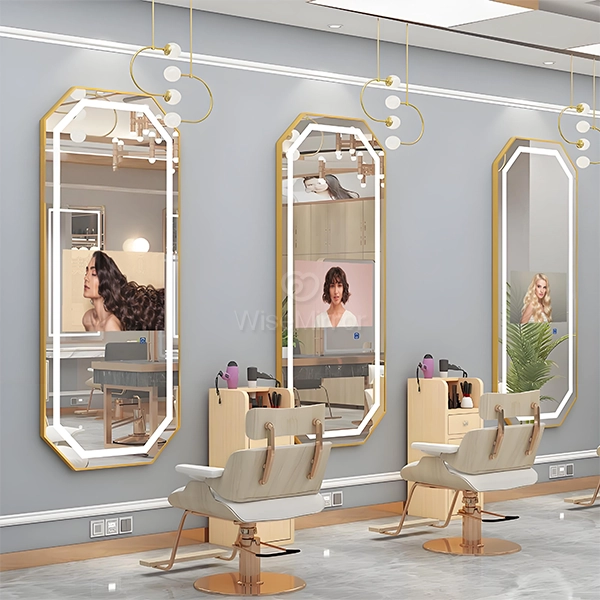
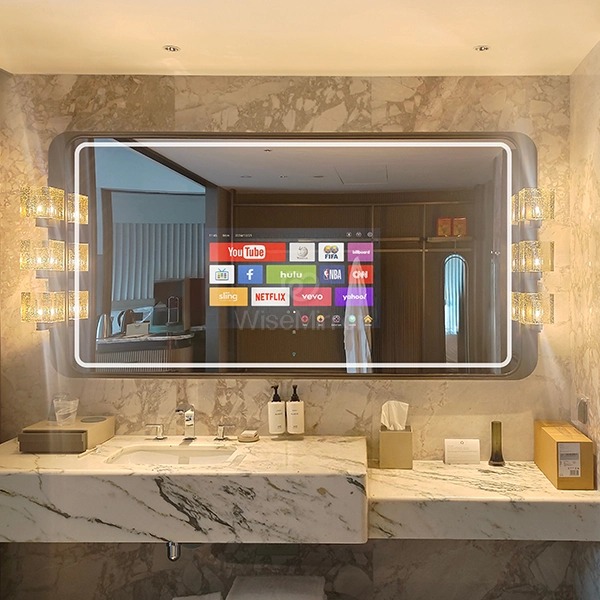
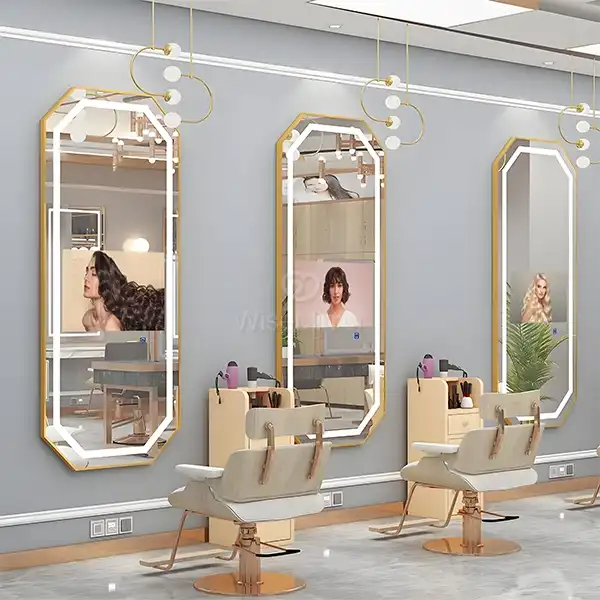
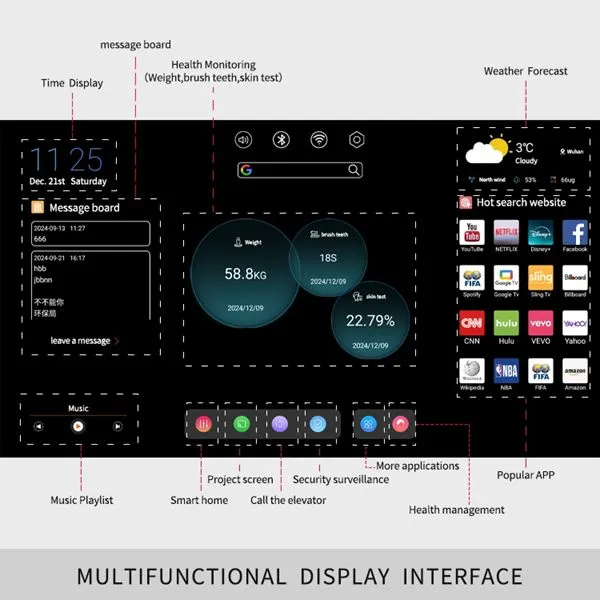
Beauty salon smart mirrors used in professional salons today are much better than simple shiny surfaces. At their core, these systems use nano magnetron sputtering layer technology that keeps colors true, which is important for matching hair dyes or checking skin tones in different lighting conditions. With IoT controls built in, stylists can change the lights in the room, show color formulations, or stream advice videos without stopping service.
Using AI algorithms to analyze your face in real time adds a lot of value to facial treatments and makeup sessions. Visual feedback shows clients how moisturized their skin is, if there are any appearance issues, and what Products are recommended. This turns idle waiting time into active participation. This feature directly helps with upselling tactics and makes your business look like a tech-savvy place. Touch and voice orders make sure that hygiene rules are followed. This is especially important in operating standards set after the pandemic, where minimizing surface touch is still a top concern.
Entertainment Integration for Extended Service Sessions
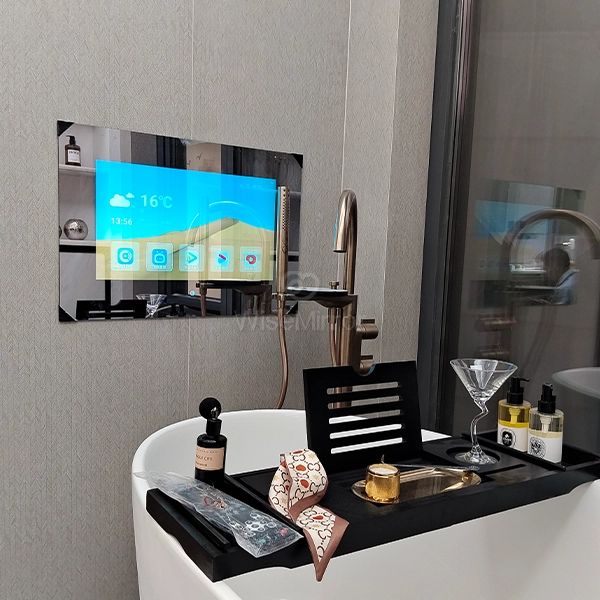
Clients' patience is usually put to the test during long chemical processes like balayage visits or hair treatments. This is directly addressed by WiseMirror Intelligent's beauty solutions, which have multimedia features that work with Bluetooth and online streaming services. During 90-minute foil sessions, clients can listen to custom playlists, watch lessons, or look through product catalogs. This turns what could be an uncomfortable time into a time to connect with brands.
The HD display with high transmittance keeps the image clear without distorting it, which is important when people use the mirror for its main purpose of reflecting light while also viewing digital material. This design serves two purposes, so there's no need for two different entertainment systems. This makes installation easier in salons with limited room.
System Integration with Salon Management Software
For salons to be at the enterprise level, the data must move smoothly between client management systems and front-of-house technology. If your smart mirror has open-architecture software, it can connect to tools for customer relationship management (CRM), scheduling systems, and inventory databases. When a client checks in, their service history and product tastes are immediately filled in on the mirror interface. This way, stylists can give more personalized consultations without having to manually get the information.
White-label customization choices let real estate developers and design firms keep the brand's look consistent across salon groups with multiple locations. At every point of contact with a client, custom UI themes, image integration, and service menu displays strengthen the brand's personality. Commercial-grade systems can be customized to a much higher level than individual goods. This level of customization directly meets the needs of hotel spa owners and luxury housing projects.
How to Choose the Right Smart Mirror for Your Beauty Salon Project?
Matching Technical Specifications to Operational Requirements
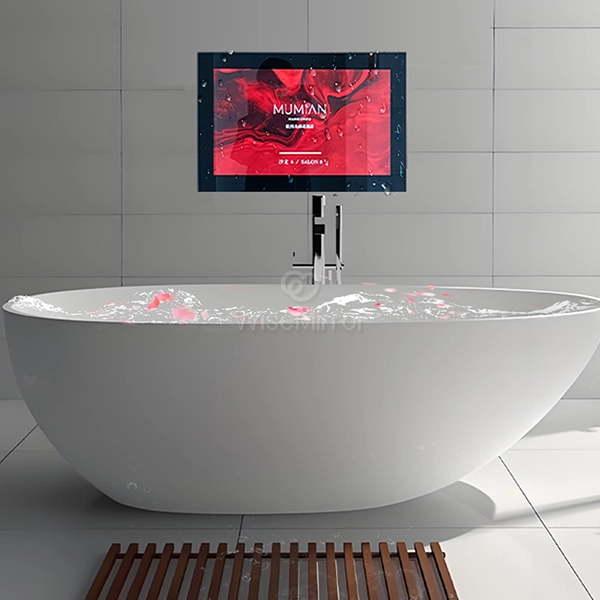
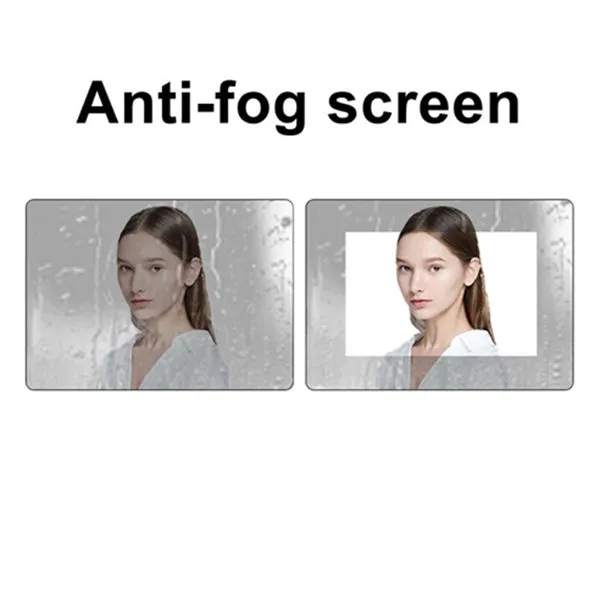
Aligning beauty salon smart mirror powers with your facility's service mix is a key factor in deciding what to buy. Because washing stations and steamers create humidity, hair shops put a high value on color accuracy and anti-fog performance. Professional-grade systems have an IP65 waterproof rating, which keeps electronics inside safe from water damage, which happens a lot in setups that aren't properly defined.
Businesses that focus on skin care need highly accurate AI for analyzing skin tones on a beauty salon smart mirror. Look for systems that list specific monitor technologies and data that proves they work. Low-impedance ITO capacitive lamination lets you get a touch reaction time of less than 1ms. This makes sure that customers don't have to wait to move through menus, which is a frustrating experience that hurts the quality experience you're trying to create.
The quality of the display has a direct effect on how it works. Ultra-HD panels with true-color restoration make it possible to see colors accurately during color sessions. Anti-oxidation coats keep the screens clear even when they are exposed to chemical vapors from bleach and ammonia-based products, which are common in salons. When used in a business setting, these technical details tell the difference between long-lasting commercial tools and consumer-grade options that break down in 18 to 24 months.
Evaluating Total Cost of Ownership Beyond Purchase Price
Smart procurement teams don't just look at unit prices; they also look at lifetime costs. Energy-efficient operation that uses 50% less power than regular screens saves a lot of money in salons with multiple chairs. When 15 mirrors are installed in a spa at a high-end hotel, this efficiency means that monthly energy costs will go down over the equipment's 7–10 year life.
How warranties are set up shows how confident the maker is in the product's longevity. A full 2-year guarantee that covers both hardware and software parts is a sign of strong quality control. Find out if the guarantee covers business use. Many warranties that are meant for consumers don't cover high-frequency professional deployment. When equipment breaks down and daily operations and client meetings are at risk, dedicated support lines with guaranteed reaction times are very important.
Comparative Analysis for Informed Selection
Certifications like CE, RoHS, FCC, and ISO 9001 show that the product meets international quality and safety standards. These credentials are especially important for projects involving hospitality groups that work in more than one state. Having regulatory compliance paperwork makes the legal review and installation permit processes easier.
Leading makers set themselves apart by having unique skills. Some brands put a lot of emphasis on AR makeup visualization, others on accurate skin analysis, and still others on fun features. WiseMirror Intelligence stands out because it has a wide range of skills and has worked on many important hotel projects and with big real estate companies like China Resources Land and Gemdale Group over the past 15 years.
Ask for trial units that can be tested in a real shop setting. Check how sensitive the touch screen is when you're wearing gloves, how clear the screen is in the lighting you have, and how well it pairs with your other music systems. These real-life tests find usage problems that specs can't, which cuts down on regret after installation and the cost of making changes.
Procurement Process and Best Practices for Bulk and Custom Orders
Sourcing Strategy for Commercial Quantities
For large-scale deployments, it's better to have partnerships with makers that have proven project management skills than to have casual vendor relationships. Authorized sellers provide authentication paperwork, which makes sure you get real goods instead of hacked ones that might not have safety certifications or the ability to receive software updates. This check is very important when the beauty salon smart mirrors are used in public places where strict safety rules are needed to avoid legal issues.
By adding smart mirrors to current salon management systems, payment processors, and building automation platforms, professional installation services make it easier for technology to work together. Technicians who know about business electrical codes make sure that installs follow local rules and protect the warranty. Salon owners often fail at this when they try to save money by installing their own lights.
Negotiating Terms That Protect Your Investment
Ask for specific execution schedules that take into account lead times for manufacturing, shipping times between countries, and the need to set up the beauty salon smart mirror system on-site. DDP shipping terms (Delivered Duty Paid) get rid of the hassle of customs and the surprise cost of imports. This gives project managers who manage fixed-cost contracts more budget security. Most project plans can be met with delivery windows of 30 days if orders are made during the design development phase.
When you buy in bulk, the prices should go down at important levels based on the size of your job. Talk about different prices for 10, 25, and 50 units, and offer extra discounts for orders over 100 units, which is usual in hotel chains with multiple properties or residential tower projects. Payment terms that let you put down a fee and then pay the rest when the delivery is inspected protect your finances and show your sellers that you will keep your word.
Leveraging Market Timing for Optimal Procurement
Warranty terms need to be carefully read beyond the time periods they specify. Make sure you understand what is covered for business use, when service can be provided on-site, and how replacement units will be sent out during repair times. If a mirror isn't working for two weeks, it causes more problems and costs more money than the equipment itself, so for mission-critical installs, you must include advance replacement options.
Seasonal sales times around big trade shows and the end of the fiscal year offer chances for better terms. Manufacturers who are getting rid of old models to make room for new ones may offer savings of 15 to 25 percent on current-generation goods that meet all of your needs. These units do the same thing as the originals but cost less, which increases the project's return on investment (ROI) without lowering the quality or features.
Manufacturers can make changes to production plans for specific projects without having to pay extra for rush work if they are involved early on in the planning process. Lead times of 6 to 8 weeks are needed for custom frame finishes that fit your interior color scheme, unique mounting brackets for wall constructions, or proprietary software interfaces. These can't be met by making last-minute purchases that compromise on design purpose.
Real-World Applications and Case Studies of Smart Mirrors in Salons
Measurable Impact on Client Engagement and Revenue
In Singapore, a high-end hotel spa put 22 beauty salon smart mirrors in treatment rooms and styling stations. Within six months, sales of store products went up by 34%. With the built-in product showcase feature, therapists could show off skin care products on the mirror screen while facials were being done, which created natural buying opportunities. Client happiness rose by 28 points on surveys done after the visit. People especially liked the entertainment choices while they waited for chemical processes to finish.
In order to set their brand apart in a crowded market, a small salon chain with eight sites across California standardized on interactive mirror systems. The AR hair color picture made clients less nervous about big color changes, which led to 19% fewer appointments being canceled. Being able to see previews of styles using uploaded pictures of clients made consultations go more quickly. This meant that stylists could serve one more client per day without having to stay open later, which directly affected their profits.
Lessons From Early Adopter Experiences
A lot of training for staff is strongly linked to successful implementation. When compared to locations that only held short overview sessions, salons that spent 4-6 hours on initial training sessions and ongoing quarterly refreshers saw 78% higher rates of feature usage. For clients to see value, stylists must clearly show what they can do. This means that training is essential for achieving ROI.
In the early stages of installations, dependability of connectivity became a regular issue. Make sure that your building has enterprise-level WiFi that has enough speed to support multiple video streams at the same time. Talking to IT experts during the planning stage can help avoid connection problems that hurt both the customer experience and staff usage.
Industry Feedback Validating Investment Decisions
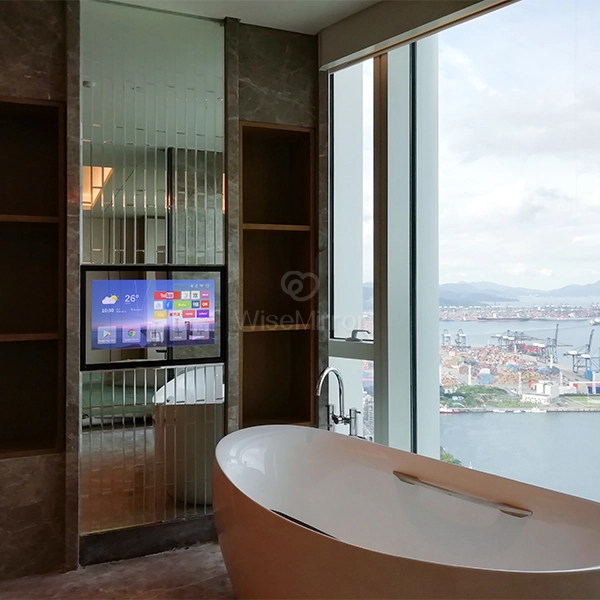
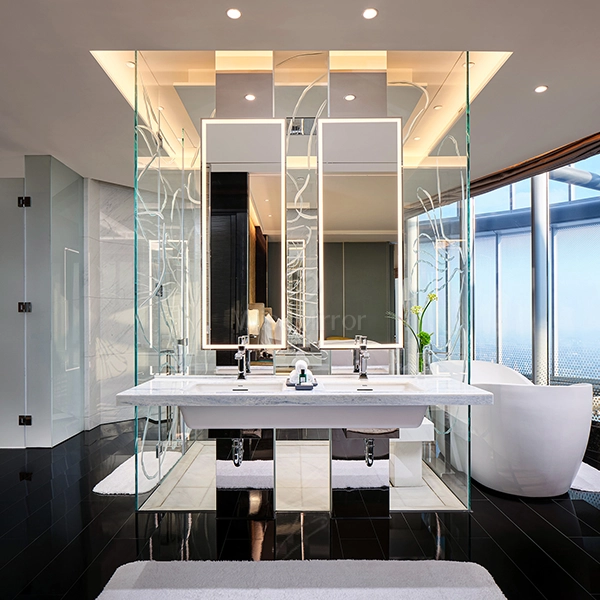
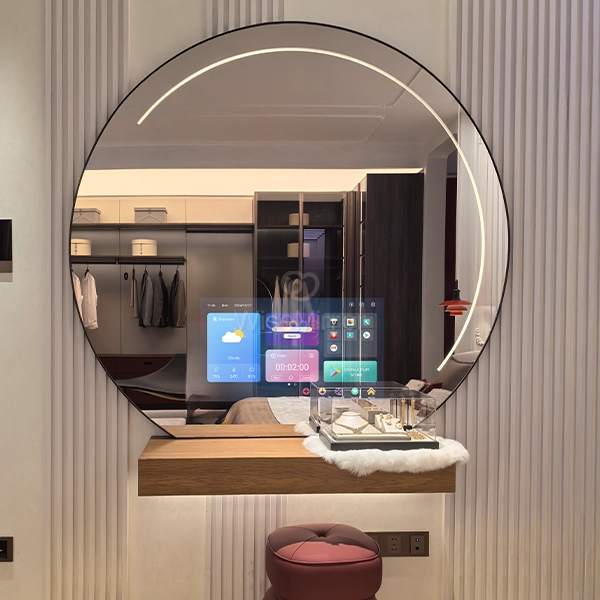
According to interior designers who work with business fit-out contractors, installing beauty salon smart mirror in high-end domestic developments raises the value of the property by 8–12%. Real estate developers who are trying to reach high-end buyers say that show flats with built-in bathroom and dressing room mirrors get noticeably more attention from buyers during open houses.
Operational stability is one of the main benefits that procurement managers at foreign hotel groups say they like. Using the same smart mirror platform across all properties makes it easier to train staff when they move from one place to another. Also, centralized software changes make sure that all properties have the same features. This operating effectiveness adds value on top of the benefits that each property provides.
Future Trends and Innovations in Beauty Salon Smart Mirrors
Emerging Technologies Reshaping Client Experiences
As AI-driven personalization gets better, beauty salon smart mirrors will be able to recognize returned customers and load their preferences, service history, and suggested treatments without any help from staff. When facial recognition technology is paired with data management that respects privacy, the mirror can act as a knowledgeable concierge who knows what the client needs before they do.
The use of AR and VR together will go beyond basic samples of hair colors and into full-on style experiences. Clients can virtually "try on" full makeovers that include hair, makeup, and accessories. They can then save their favorite looks to share with experts or buy the products that were suggested right from the screen. When consultation and business come together, mirrors become means for making money instead of passive tools.
Next-Generation Interface Development
Voice command and motion control technologies will cut down on touch-based interactions, which is good for both personal cleanliness and meeting the needs of clients who have trouble moving around. Natural language processing allows clients to request "show me warm blonde tones for my skin tone" rather than navigating hierarchical menu structures, making technology approachable for less tech-savvy demographics.
When personal devices are connected, clients will be able to sync their tastes, playlists, and notes from previous consultations across different salon trips and locations. This digital experience is in line with what customers expect from other service industries, making hairdressers look like they are tech-savvy businesses.
Strategic Implications for Commercial Procurement
These changing skills affect how things are bought by putting more emphasis on modular, upgradeable designs than on gadgets that only do one thing. Smart buyers look for systems that can be updated over-the-air and have flexible hardware parts that can be added to add new sensors or screens without having to replace the whole system. This method saves your capital investments and makes sure your building stays up to date with what customers want.
As mirrors move from being capital tools to possible sources of income, new business models will appear. Advertising deals, affiliate product sales, and paid content subscriptions all create steady lines of income that cover the costs of getting new customers. To make the most of these chances, procurement deals should talk about who owns the data, how to split the money, and who is responsible for managing the material.
Conclusion
When buying a beauty salon smart mirror for a commercial salon, you have to weigh the current useful needs with the long-term growth issues. The gadgets that are changing how clients interact with businesses today will be the building blocks for AI-powered personalization and augmented reality experiences in the future. Partnerships with manufacturers that show business project knowledge, full support capabilities, and upgrade paths that protect your technology investment lead to successful implementations. When the goals for specifications match the facts of operations—putting an emphasis on durability, compatibility with other systems, and a clear return on investment (ROI)—smart mirrors go from being a novelty buy to strategic assets that set your salon apart in a market that is becoming more competitive.
FAQ
What is the typical lifespan of commercial beauty salon smart mirrors?
Professional-grade beauty salon smart mirrors made for salons with a lot of foot traffic usually work well for 7 to 10 years if they are properly kept. The life varies a lot on things like humidity levels, chemical vapor concentrations, and how the item is cleaned. Units with nano-coated anti-oxidation glass and protected circuits can handle rough conditions better than regular ones. Regular software changes keep it compatible with new service management systems and client devices, which extends its useful life. Plan for replacement in your long-term capital budget, but expect a much longer service life than the 3–5 year cycles that are typical for consumer products that are used in business.
Can smart mirrors integrate with our existing salon booking and POS systems?
Modern business smart mirror systems have API connection, which lets them work with popular salon management tools like Booker, Zenoti, and Vagaro. The integration lets client profiles load automatically when meetings start, keeps store product catalogs and point-of-sale inventory in sync, and lets customers make direct purchases through the mirror interface. During installation, WiseMirror Intelligent assigns project managers to work with your IT team or system expert to set up these links. The level of difficulty depends on the software design you already have, but for most modern salon management platforms, implementation is easy thanks to well-established standards.
Partner with WiseMirror Intelligent for Your Next Commercial Salon Project
Which beauty salon smart mirror provider you choose will determine whether your technology investment gives you a long-term competitive edge or turns into an expensive upkeep hassle. WiseMirror Intelligent has been working on high-end beauty projects, luxury hotels, and business developments around the world for 15 years. Standard consumer-grade mirrors don't last as long as our nano magnetron sputtering covering technology, anti-oxidation methods, and low-impedance ITO touch systems.
We've built strong relationships with China Resources Land, China Merchants Property, and many foreign hotel chains, providing answers for important projects where failure is not an option. Our in-house UI design and software development teams can make interfaces that fit your brand's needs and the way you run your business. Our dedicated support makes sure that adoption goes smoothly, whether you're choosing tools for a small salon or standardizing across a collection of properties.
Get in touch with our business project experts to talk about your buying needs. We give you full specification advice, ROI estimates based on the mix of services you offer, and sample setups that you can test for yourself. As a beauty salon smart mirror manufacturer that values long-term connections with its customers, we don't just sell tools; we also offer ongoing support to help your business succeed. To start your buying conversation, email us at info@wisemirror-int.com or go to wisemirror-int.com.
References
Chen, L., & Wong, K. (2023). Smart Mirror Technology in Commercial Beauty and Wellness Facilities: Implementation and ROI Analysis. Journal of Hospitality Technology Management, 14(2), 87-104.
Global Salon Equipment Research Institute. (2024). Procurement Best Practices for Interactive Mirror Systems in Professional Beauty Environments. Singapore: Commercial Beauty Technology Press.
Harrison, M. (2023). IoT Integration in Luxury Hospitality: Case Studies from Smart Mirror Deployments. International Hotel Technology Review, 19(4), 234-251.
Liu, Y., & Patel, R. (2024). AI-Driven Client Engagement Technologies: Performance Metrics from Beauty Salon Implementations. Journal of Retail Technology Innovation, 11(1), 45-62.
Parker, S. (2023). Durability and Lifecycle Costing in Commercial Display Technologies for High-Humidity Environments. Building Systems Engineering Quarterly, 38(3), 112-129.
Zhao, T., & Anderson, C. (2024). Future Trends in Interactive Mirror Technologies: AR/VR Integration and Personalization Capabilities. Technology Foresight in Service Industries, 7(2), 78-95.