
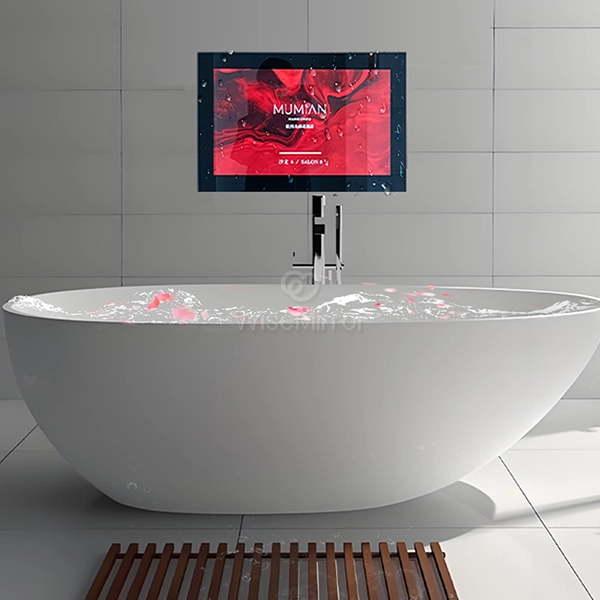
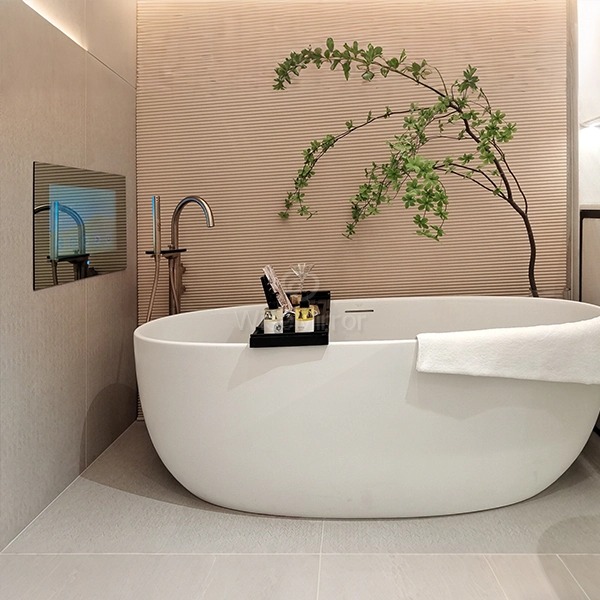
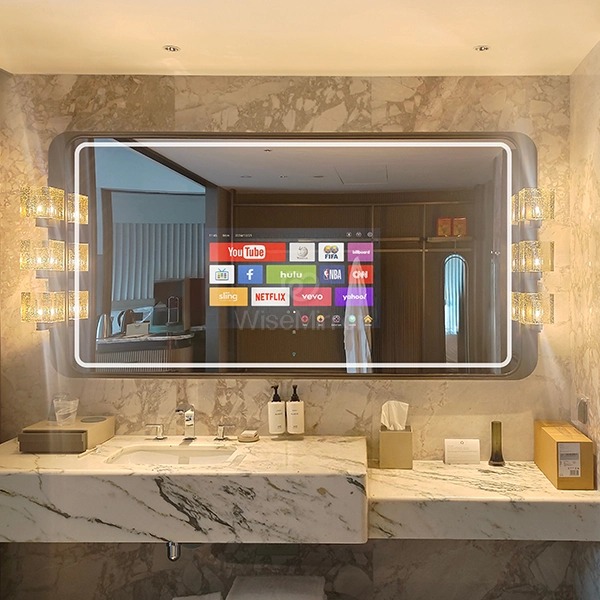
Beauty Salon Smart Mirror Design Ideas for Modern Interiors
Beauty shops today have a problem that has never been seen before: they have to turn services that take a lot of time into fun, memorable experiences. This is exactly what the beauty salon smart mirror does by combining fun, diagnostics, and personalization into a single surface that you can look into. These smart devices get rid of the awkward silence that comes with long coloring or perming sessions. Instead, they let clients enjoy carefully chosen music, virtual consultations, or educational content through high-transmittance displays that keep colors true, which is important for precise hair and makeup services in business settings.
Understanding Beauty Salon Smart Mirrors and Their Role in Modern Interiors
Defining Smart Mirror Technology for Professional Beauty Environments
In a beauty salon, smart mirrors combine advanced display technology, Internet of Things (IoT) connection, and user interface design that is made for business beauty uses. When compared to regular bathroom mirrors, these professional-grade installations have AR-powered imagery, real-time skin analysis tools, and multimedia features that are made to work all day in humid, busy places. Advanced models have nano-coated anti-oxidation glass that doesn't rust when exposed to chemicals that are often used in spas. Additionally, IP65 waterproof ratings keep gadgets safe from splashes that happen when shampooing or applying chemicals.
Core Functionalities That Transform Client Engagement
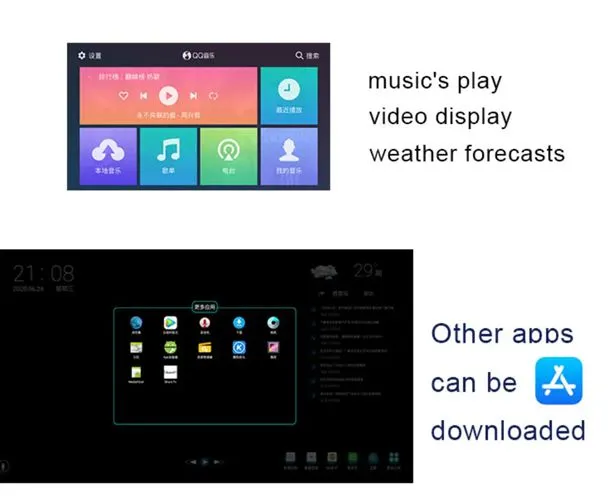
Today's smart mirror systems work perfectly with salon management software, so you can keep track of appointments, keep an eye on your product supplies, and access custom client profiles right from the mirror. Touch response times of less than 1ms, made possible by low-impedance ITO capacitive touch lamination technology, make it easy to move around in makeup lessons, fashion galleries, or music streaming apps. This use of technology solves a major problem in salons: keeping customers pleased and interested during long processes like perming, dying, blow-drying, and twisting that can last for more than two hours.
Procurement Considerations for B2B Decision-Makers
When buying smart mirrors for spas in hotels, beauty centers in high-end resorts, or business salon chains, purchase teams need to make a list of the most important technical specs. Certification compliance (CE, RoHS, FCC, ISO 9001) makes sure that the product is safe to use in all foreign markets. White-label customization options let you match your brand by creating personalized user interfaces, adding your logo, and choosing from brushed gold, black chrome, or custom materials for the frames. When used on a large scale, energy economy is especially important. The best solutions use 50% less power than traditional mirror installs, which is a big deal for real estate developers who are outfitting multiple properties at the same time.
Benefits of Incorporating Smart Mirrors in Salon Interior Design
Incorporating smart mirror technology into business beauty salons has measured benefits for customer happiness, operating efficiency, and making money. Knowing these benefits helps interior designers, fit-out builders, and hotel managers make the case for installing high-end smart mirrors.
Elevating Client Experience Through Interactive Technology
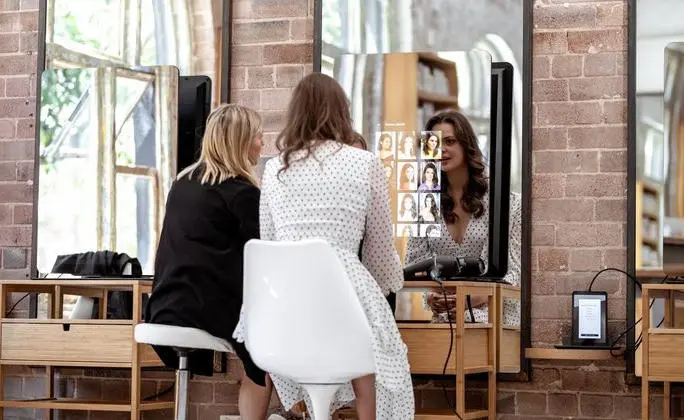
Smart mirrors fundamentally change time spent waiting into time spent doing something. Through an easy-to-use tablet interface, clients getting chemical treatments can stream music through Bluetooth, watch hair care lessons related to their service, or look at product suggestions. AR makeup try-on features make consultative selling possible by letting customers see how they'll look in different outfits before they commit to services. This makes it easier to sell extra treatments. Support for multiple languages is important for high-end hotels and spas that cater to foreign guests, as it removes communication problems during beauty consultations.
Operational Efficiency and Data-Driven Insights
In addition to helping clients, these beauty salon smart mirror systems give salon managers useful information about how their businesses are running. Integration with current POS and CRM systems lets you keep track of service times, product usage trends, and customer preferences in real time. When method demos or product application guides can be shown on mirrors during services, staff training becomes more organized. The ultra-HD display with true-color accuracy is especially helpful during color matching talks. This cuts down on the need for correction visits and makes clients happier.
Design Flexibility for Diverse Interior Concepts
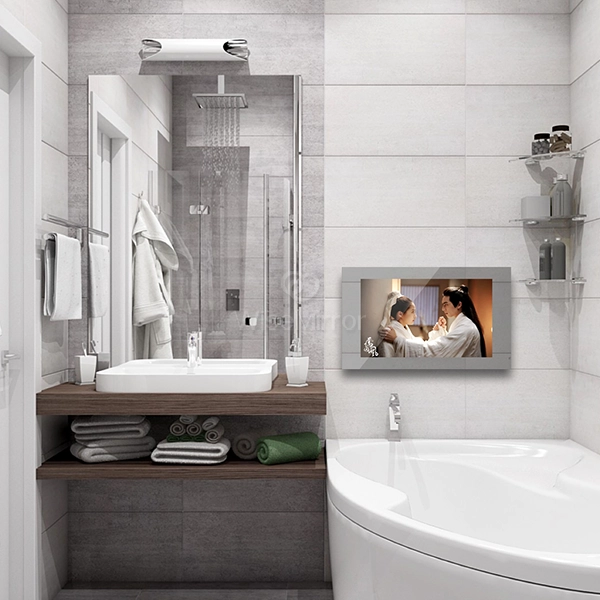
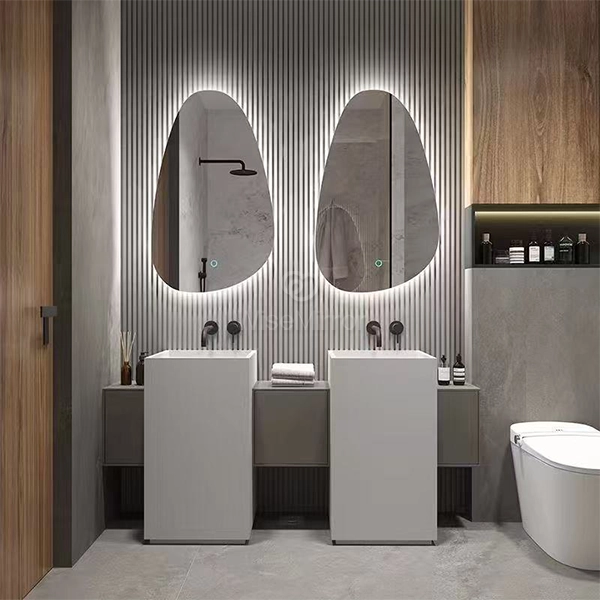
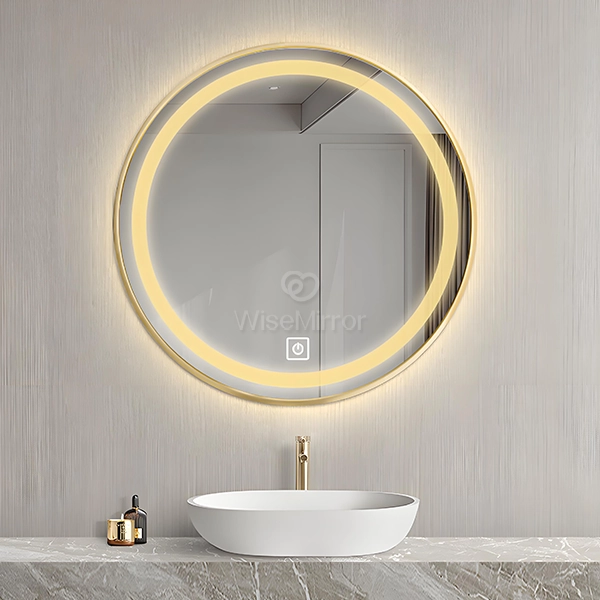
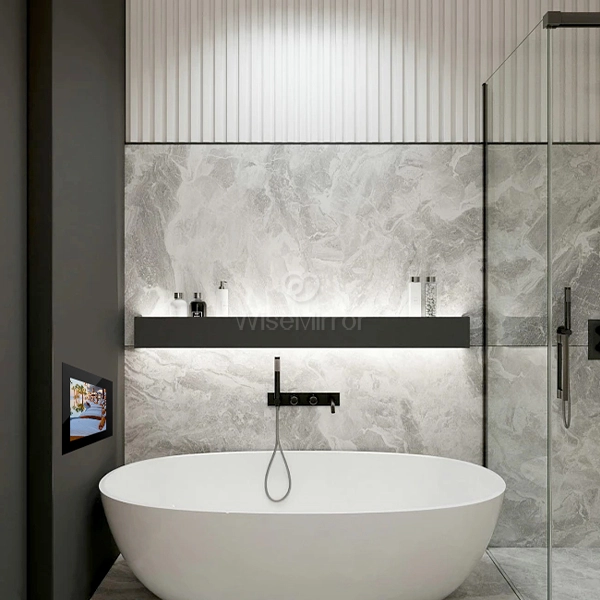
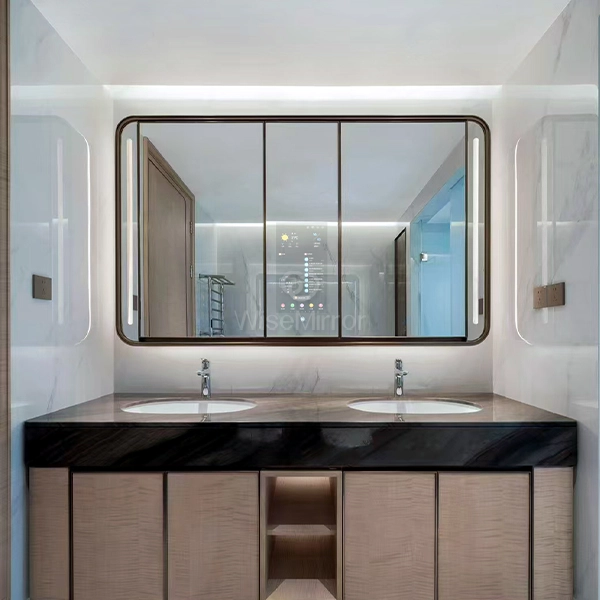
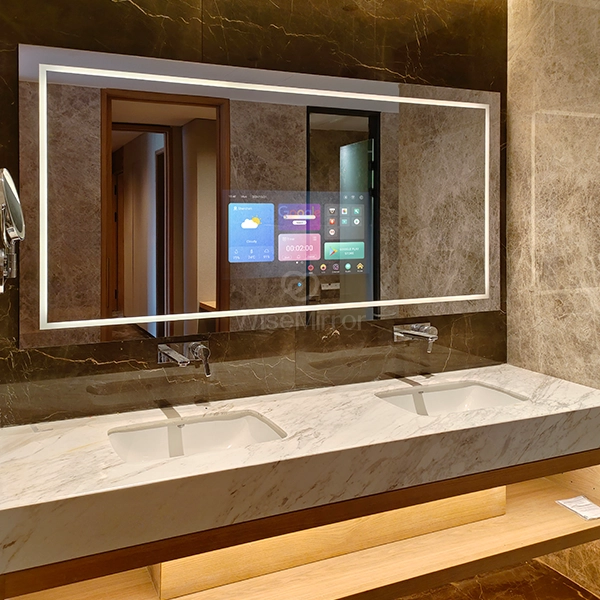
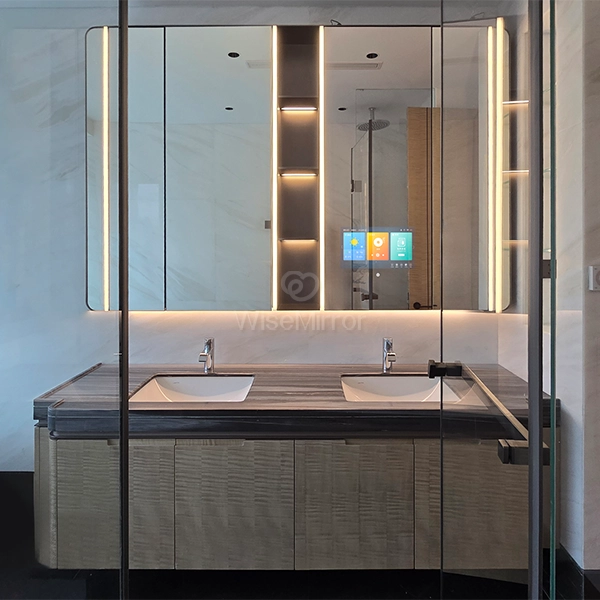
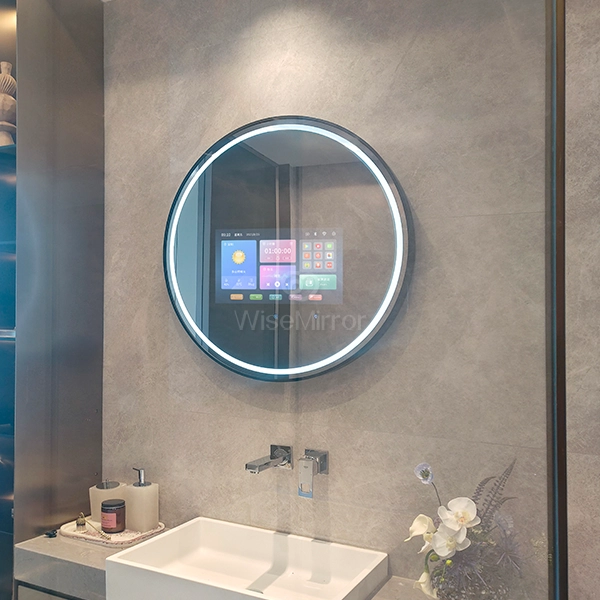
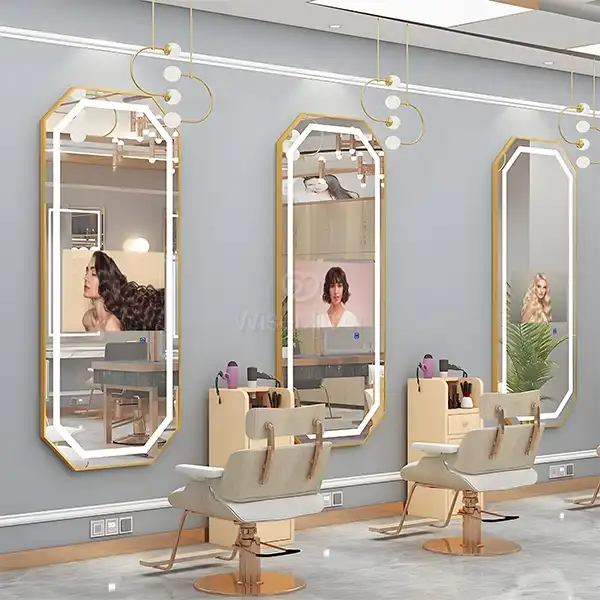
Smart mirrors today come in a variety of frame styles, sizes, and mounting choices so that they can meet a wide range of artistic needs. Frameless minimalist designs go well with modern interiors like those found in boutique hotels and salons in cities. High-end installations with marble borders or metal edges make focal points in spas. This design flexibility lets interior design firms and fit-out contractors keep the visual stories consistent while adding new technology. This is an important thing to think about when decorating show apartments, hotel suites, or commercial wellness centers where design consistency affects how much the property is worth.
Top Smart Mirror Design Ideas for Modern Salon Interiors
When used in professional beauty spaces, strategic design methods make the most of both the useful and attractive features of intelligent screens.
Minimalist Frameless Installations for Contemporary Spaces
Frameless smart mirror designs look great in modern hotel bathrooms, spas at resorts, and salons in cities, where clean lines and discreet technology integration are still very important. Edge-to-edge screens with hidden mounting methods make these setups look like they are built right into the wall. This method works especially well for real estate companies who want to make show apartments more appealing to buyers without using too many technology features. Nano magnetron sputtering covering technology keeps the optical clarity of these frameless designs while keeping the electronics inside from the humidity and chemicals that are common in beauty salons.
Luxury Statement Pieces with Premium Materials
In high-end business projects, smart mirrors are often used as architectural focus points by combining high-end materials. Luxury hotel spas and flagship salons can make their own unique visual marks with custom frames that use natural stone, polished metals, or lit acrylic edges. Usually, these setups have adaptive lighting systems that change the color temperature and intensity based on the type of service. For example, cooler tones are used for precise makeup application, while warmer settings are used for rest during spa treatments. System integrators like the white-label customization choices because they let them fully match the user interface with the brand. For example, splash screens can have logos for the property, and service menus can be changed to show the treatments that are available.
Multi-Functional Stations for Space Optimization
More and more, beauty salons are using combined desks that have smart mirrors, product displays, lighting systems, and storage options all in one. In hotel spa rooms or small salons, these all-in-one setups make the most of the limited space while giving stylists instant access to tools, goods, and digital resources. Multi-functional designs often have adjustable mounting arms that let the mirror be moved for different types of services, like tilted angles for hairstyling talks or vertical placement for putting on makeup. This kind of adaptability is useful for treatment rooms that provide a range of services during business hours.
Modular Systems for Scalable Deployments
Hotel chains, spa owners with multiple locations, and real estate developers can all benefit from flexible beauty salon smart mirror systems that can be installed in stages at different locations. These standard installations have consistent core specs and choices for site-specific customization. This makes the buying process easier while still keeping quality standards. By using pre-configured mounting systems and fewer electrical requirements, modular methods make installation easier and faster. This is especially important for hotel upgrades that need to be finished quickly. Standardization also makes it easier to handle repair schedules and spare parts inventories across all property portfolios.
How to Choose the Right Beauty Salon Smart Mirror for Your Business?
When looking at intelligent mirror options for business beauty uses, procurement professionals need to balance technology requirements, the supplier's abilities, and long-term operational concerns.
Evaluating Technical Specifications Against Service Requirements
Checking for feature compatibility starts with looking at the key services and the types of customers you have. Salons that focus on color services need screens that are very accurate with colors and bright enough to be seen in professional lighting. Integrated analysis cameras that can take pictures of pore structure and color patterns are helpful for places that offer skin care services. Businesses that serve a wide range of people need strong multilingual platforms and content stores that are easy to update. For installs near shampoo bowls or in hotel bathrooms, IP65 waterproof ratings are necessary. Anti-fog coats keep the device working in spas with a lot of steam.
Comparing Supplier Capabilities and Support Infrastructure
Along with product specifications, a supplier's review should look at how well they can make the product, how flexible they are with customization, and how they offer help after the installation. Vertical integration lets companies like WiseMirror Intelligent show their full range of skills. They do everything in-house, from designing and developing their own user interfaces and software to using advanced manufacturing techniques like nano magnetron blasting covering technology for in-house production. Partnerships with big real estate companies (China Resources Land, China Merchants Property Development, Gemdale Group) and high-end hotel projects show that buying teams are trustworthy when they are in charge of important installations. Suppliers that can handle large-scale business deployments have warranties that cover more than just one year, technical help that is available 24 hours a day, seven days a week, and dedicated project managers who coordinate installations.
Installation Logistics and Training Provisions
For smart mirror integration to work, the installation needs to be carefully planned so that it fits in with the surrounding finishes and meets all the electricity and network requirements. Suppliers who offer full installation support, such as site studies, thorough technical drawings, and qualified installation teams, lower the risks and uncertainty of the project deadline. Also, structured training programs that make sure employees know how to use mirrors, handle material, and fix simple problems are important to make sure that technology isn't wasted. To make sure long-term practical success, procurement deals should spell out what training will be delivered, how it will be documented, and how it will be supported.
Financial Structuring for Commercial Procurements
Flexible financing plans for beauty salon smart mirror that are in line with project cash flows and business budgets are good for big purchases. Wholesale purchasing deals for multi-unit deployments usually offer price breaks based on volume, while rental or lease choices help property developers who are working on multiple projects at the same time keep their capital safe. With bulk order customization, you can change the specifications for different types of properties, like adding luxury features to flagship locations or cost-effective setups to secondary properties, all within the same buying framework. Global shipping operations, especially DDP (Delivered Duty Paid) plans that finish delivery within 30 days, make it easier for hotel chains and global developers to coordinate projects across borders.
Best Practices for Implementing Smart Mirrors in Salon Interiors
To get the most out of your investments in smart mirrors, you need to plan their strategic integration, train your staff, and set up ways to track their performance.
Strategic Placement and Environmental Integration
The best place for a mirror in an interior design scheme is one that mixes practicality with aesthetic appeal. Installing styling stations in the middle makes sure that both clients and stylists can see clearly, and there is enough space for tools to move around. Coordinating the lighting is very important—the general lighting in the salon should enhance the visibility of the mirror displays rather than blocking them, and the lighting inside the mirrors should be able to be adjusted to account for changes in the surroundings during business hours. Interior planners have to think about viewing angles, how to keep glare from windows or ceiling lights from getting in the way, and how to make sure that people can use touch screens while sitting down. The materials used for the finishes around the mirrors should take into account any reflections that might be noticeable when the mirrors are turned off. This way, the mirrors will look good in all operating modes.
Staff Training and Client Education Protocols
How well technology is adopted rests a lot on how confident staff are and how aware clients are of it. Comprehensive training programs should cover both operating procedures (like choosing content, adjusting level, and following maintenance rules) and consultative uses (like showing AR features during consults and suggesting content that fits the type of service). When employees are happy with technology, they can act as good representatives for the company by aggressively adding features that make the customer experience better. Some ways to teach clients could be to have short instruction cards at the styling stations, play introductory videos during check-in, or have staff members do demos during the first services. Tracking how often a feature is used can help you figure out which features aren't being used enough and need more training or promotion.
Performance Monitoring and Continuous Optimization
Setting up key success markers lets smart mirror deployments be optimized based on data. Client satisfaction numbers that directly look at how well technology is integrated show whether installations improve service experiences or take away from them. Metrics for service duration may show if fun features work to shorten the time people think they have to wait during long treatments. Using product sales correlation analysis, you can figure out how much income is affected by AR try-on features or combined marketing content. Technical performance monitoring, which includes keeping an eye on things like system downtime, touch response consistency, and software stability, makes sure that things work reliably. This is especially important in business settings, where broken equipment has a direct effect on how customers feel and how efficiently things run. Software providers provide regular changes that keep usefulness, security, and content relevant for many years of use.
Conclusion
Beauty salon smart mirror has gone from being a new, high-end luxury item to an important operating tool for beauty salons. These high-tech systems can help procurement workers who are furnishing high-end hotels, building high-end homes, or improving business salons provide better experiences for guests, streamline operations, and make measurable financial returns. To be successful, you need to carefully evaluate suppliers by focusing on technology requirements, the ability to customize, and a full support system. When properly defined and carefully integrated, smart mirrors can turn boring beauty services into fun, personalized experiences that help brands stand out and justify charging higher prices in markets with lots of competition.
FAQ
What maintenance requirements ensure long-term smart mirror performance?
When placed correctly, professional-grade smart screens don't need much upkeep. Nano-coating integrity and touch sensitivity are kept up by cleaning once a week with non-abrasive, ammonia-free treatments. Manufacturers release software updates every three months to keep it safe and working properly. Professional reviews should be done once a year to check the electrical connections, the stability of the mounting, and the state of the coating, especially in salons with a lot of chemicals. Suppliers that offer online tests make it possible to fix problems before they cause problems with operations.
Can smart mirrors integrate with existing salon management systems?
Modern smart screens have open API designs that let them work with the best POS and CRM systems. Because of this connectedness, data about appointments, clients, and Products can be synced between systems, making operating ecosystems that work together as a whole. During the supplier review process, procurement teams should ask for demonstration integrations or technical specs that prove accepted protocols to make sure the new software will work with current software. Most well-known makers have relationships with big hospitality and salon management software companies, which makes the integration process easier.
What customization options align mirrors with brand aesthetics?
Full customization includes both the physical form and the digital tools. Frame materials, styles, and sizes can be changed to fit the needs of any interior design project. Customizing software means adding property names to the user interface, making color schemes that match brand rules, and making content libraries that show off specific service offers. Multi-property deployments can keep the core features the same while changing the visuals to fit the needs of each place. White-label features are especially helpful for salon companies and hotel groups that want to keep their brand consistent across multiple locations.
Partner with WiseMirror Intelligent for Premium Beauty Salon Smart Mirror Solutions
WiseMirror Intelligent has been providing beauty salon smart mirror technology to high-end hotels, business buildings, and beauty salons around the world for more than 15 years. Our vertically integrated skills, which include our own user interface design and software development, as well as advanced production using nano magnetron sputtering coating technology, guarantee high-quality products that can be customized in a wide range of ways. As a recognized manufacturer of beauty salon smart mirrors for major real estate developers and international hotel projects, we offer full support from the initial meeting to installation and ongoing upkeep.Find out how our AI-powered smart mirrors can change the way customers feel and make your business more efficient. Email our procurement experts at info@wisemirror-int.com to talk about your project needs, look into customization options, and get full technical specifications that are made to fit your business beauty space.
References
Anderson, M. & Stevens, K. (2022). Smart Technology Integration in Luxury Hospitality Design. Journal of Commercial Interior Architecture, 18(3), 112-128.
Chen, L. (2023). Digital Transformation in Professional Beauty Services: Technology Adoption and Client Satisfaction. International Journal of Spa and Wellness Management, 7(2), 45-63.
Morrison, T. & Blake, R. (2021). IoT Applications in Commercial Real Estate: Smart Building Technologies for Enhanced Property Value. Property Development Quarterly, 34(4), 201-219.
Patel, S. (2023). Augmented Reality in Retail and Service Environments: Implementation Strategies for Enhanced Customer Engagement. Journal of Interactive Marketing Technology, 12(1), 78-94.
Thompson, J. & Williams, P. (2022). Procurement Best Practices for Smart Building Technologies in Hospitality Projects. Commercial Construction Management Review, 29(3), 156-174.
Zhou, H. (2023). Advanced Display Technologies for Commercial Applications: Material Science and Manufacturing Innovations. International Journal of Applied Electronics, 41(2), 234-251.